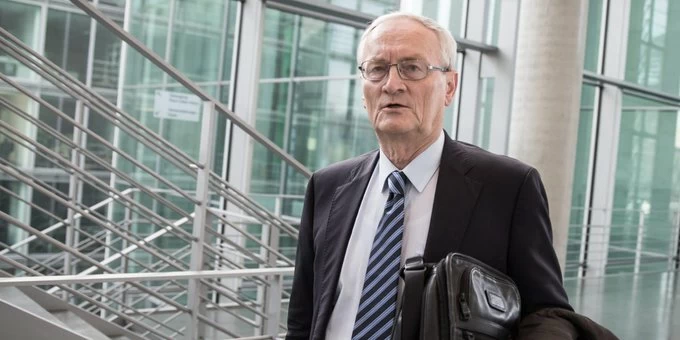
هزت فضيحة تجسس غير مسبوقة منذ سنوات جهاز الاستخبارات الخارجية الألماني، بعد اعتقال رئيسه الأسبق أوغست هانينغ وموظف سابق للاشتباه في تسريب نحو 2000 وثيقة سرية، بعضها يتضمن معلومات شديدة الحساسية.
وأعلن الادعاء العام الاتحادي الألماني اعتقال هانينغ، الذي ترأس جهاز الاستخبارات الخارجية «بي إن دي» بين عامي 1998 و2005، ومانفريد د.، الذي عمل مديرًا لمكتبه، في إطار تحقيقات تتعلق بالتجسس والخيانة ومحاولة الخيانة واستكشاف أسرار الدولة.
وبحسب مذكرة الاعتقال، يشتبه المحققون في أن الرجلين اتفقا عام 2010 على قيام مانفريد د. بتزويد هانينغ بصورة مستمرة بمعلومات استخباراتية من داخل الجهاز مقابل أموال، مستفيدًا من موقعه الذي منحه وصولاً واسعًا إلى معلومات سرية.
2000 وثيقة سرية خرجت من قلب الجهاز
وتشير التحقيقات إلى أن مانفريد د. سلّم رئيسه السابق نحو 2000 وثيقة حتى عام 2022، بينها مواد مصنفة سرية ومخصصة للاستخدام الداخلي لجهاز «بي إن دي»، بما في ذلك إحاطات استخباراتية رفيعة المستوى كانت تُعرض خلال اجتماعات لكبار مسؤولي الحكومة وأجهزة الأمن الألمانية.
وتحقق السلطات أيضًا في استخدام هانينغ بعض المعلومات التي حصل عليها من الموظف السابق في نشاطه الاستشاري الخاص، ووفق الادعاء العام، استخدم في إحدى الحالات معلومات استخباراتية سرية لإعداد تحليل لصالح موظف في جهاز استخبارات أجنبي، فيما لم يتضح بعد ما إذا كان التحليل قد وصل إلى الجهة التي كان موجهًا إليها.
كما يشتبه المحققون في أن هانينغ ظل لسنوات على اتصال بممثل لجهاز استخبارات أجنبي، ونقل إليه معلومات سياسية استند بعضها إلى مواد حصل عليها من مانفريد د.
النووي الإيراني والجيش الروسي في الملفات
وتكتسب القضية خطورتها من طبيعة الوثائق التي يُعتقد أنها خرجت من الجهاز، إذ أفادت وسائل إعلام ألمانية بأن بعضها تناول البرنامج النووي الإيراني والجيش الروسي، إلى جانب معلومات حصلت عليها ألمانيا من أجهزة استخبارات أجنبية شريكة، حيث يثير ذلك مخاوف من احتمال تعرض معلومات قدمها حلفاء أوروبيون وأمريكيون للخطر، وإن لم تعلن برلين حتى الآن أن أي جهاز استخبارات أجنبي تعرض بالفعل للاختراق.
ولم تكشف السلطات الألمانية اسم جهاز الاستخبارات الأجنبية الذي يُعتقد أن هانينغ تعامل معه، كما لم تربط القضية رسميًا بروسيا، حيث قالت تقارير ألمانية إن التحقيقات الحالية لا تشير إلى وجود صلة روسية، فيما أفادت تقارير إعلامية بأن جهازًا أذربيجانيًا قد يكون موضع اهتمام المحققين، وهو ما لم يؤكده الادعاء العام.
أسرار الحلفاء في مهب الخطر.. إلى أي جهاز أجنبي وصلت المعلومات؟
ويثير احتمال وجود معلومات مصدرها أجهزة استخبارات شريكة ضمن الوثائق المسربة قلقًا خاصًا لدى مجتمع الاستخبارات الغربي، إذ تعتمد هذه الأجهزة على تبادل المعلومات الحساسة، مع اتخاذ إجراءات لحماية مصادرها البشرية وأساليب جمع المعلومات.
وفي هذا السياق، يُتوقع أن تجري الأجهزة الشريكة لألمانيا مراجعات داخلية للمعلومات الحساسة التي سبق أن نقلتها إلى «بي إن دي»، للتأكد من عدم تعرض مصادر أو عمليات سرية للخطر، لكن مسؤولًا سابقًا في الاستخبارات البريطانية قال إن إجراءات الحماية المتبعة عادة في تبادل المعلومات تتضمن ضوابط للحد من كشف هوية المصادر، ما قد يقلل من نطاق الضرر المحتمل.
وكان هانينغ قد غادر رئاسة «بي إن دي» في نوفمبر 2005، قبل أن يشغل منصب وكيل وزارة في وزارة الداخلية الألمانية حتى عام 2009، ثم انتقل إلى العمل الاستشاري في القطاع الخاص، أما مانفريد د. فاستمر في العمل داخل جهاز الاستخبارات، وتولى مناصب قيادية قبل أن يغادره في مارس 2026.
كيف قادت عملية تفتيش إلى فضيحة التجسس؟
وبدأت خيوط القضية الحالية بالظهور خلال تحقيق منفصل، عندما فتشت السلطات الألمانية منزل هانينغ في سبتمبر 2025 في إطار تحقيق يتعلق بقضية اختطاف أبناء ورثة ألمانية، وعثرت على مواد استخباراتية أثارت لاحقًا شبهات جديدة. وتولت النيابة الاتحادية التحقيق رسميًا في مايو 2026 بالتعاون مع جهاز «بي إن دي» والشرطة الجنائية الاتحادية.
وأثارت القضية صدمة داخل الأوساط الأمنية الألمانية، خصوصًا أن الاتهامات تطال مسؤولًا سابقًا كان على رأس الجهاز المكلف بجمع المعلومات الخارجية للدولة. ووصف تقرير ألماني القضية بأنها قد تكون من أخطر قضايا التجسس التي تضرب الجهاز منذ نهاية الحرب الباردة.
وتأتي القضية في وقت تسعى فيه ألمانيا إلى تعزيز قدرات أجهزتها الاستخباراتية في مواجهة التجسس والهجمات الهجينة، ما يضيف بعدًا سياسيًا وأمنيًا إلى التحقيق، ويضع آليات الرقابة على وصول المسؤولين السابقين إلى المعلومات السرية ونشاطهم الاستشاري بعد مغادرة الخدمة تحت تدقيق متزايد.
An unprecedented spying scandal has shaken the German foreign intelligence service in years, following the arrest of its former head, August Hanning, and a former employee on suspicion of leaking about 2,000 classified documents, some of which contain highly sensitive information.
The German Federal Public Prosecutor's Office announced the arrest of Hanning, who headed the foreign intelligence service "BND" from 1998 to 2005, and Manfred D., who served as the director of his office, as part of investigations related to espionage, treason, attempted treason, and the exploration of state secrets.
According to the arrest warrant, investigators suspect that the two men agreed in 2010 that Manfred D. would continuously provide Hanning with intelligence information from within the agency in exchange for money, benefiting from his position that granted him wide access to classified information.
2,000 classified documents leaked from the heart of the agency
Investigations indicate that Manfred D. handed over to his former boss approximately 2,000 documents until 2022, including classified materials designated for internal use by the "BND," including high-level intelligence briefings that were presented during meetings of senior government officials and German security agencies.
The authorities are also investigating Hanning's use of some information obtained from the former employee in his private consulting activities. According to the public prosecutor's office, he used classified intelligence information in one instance to prepare an analysis for an employee of a foreign intelligence agency, although it remains unclear whether the analysis reached the intended recipient.
Investigators also suspect that Hanning maintained contact for years with a representative of a foreign intelligence agency, passing on political information, some of which was based on materials obtained from Manfred D.
The Iranian nuclear program and the Russian army in the files
The case's seriousness stems from the nature of the documents believed to have been leaked from the agency, as German media reported that some of them addressed the Iranian nuclear program and the Russian army, along with information obtained by Germany from partner foreign intelligence agencies, raising concerns about the potential compromise of information provided by European and American allies, although Berlin has not yet announced that any foreign intelligence agency has actually been compromised.
The German authorities have not disclosed the name of the foreign intelligence agency that Hanning is believed to have dealt with, nor has the case been officially linked to Russia, as German reports indicate that current investigations do not suggest a Russian connection, while media reports have suggested that an Azerbaijani agency may be of interest to investigators, which the public prosecutor's office has not confirmed.
Allies' secrets at risk... to which foreign agency did the information reach?
The possibility of information sourced from partner intelligence agencies being among the leaked documents raises particular concern within the Western intelligence community, as these agencies rely on the exchange of sensitive information while taking measures to protect their human sources and methods of gathering information.
In this context, partner agencies of Germany are expected to conduct internal reviews of the sensitive information they previously shared with the "BND" to ensure that no sources or covert operations are at risk, but a former British intelligence official stated that the protective measures typically followed in information exchange include controls to limit the disclosure of source identities, which may reduce the scope of potential damage.
Hanning left the presidency of the "BND" in November 2005, before serving as a deputy minister in the German Ministry of the Interior until 2009, then moved to work in private sector consulting, while Manfred D. continued to work within the intelligence agency, holding leadership positions before leaving in March 2026.
How did a search operation lead to the spying scandal?
The threads of the current case began to emerge during a separate investigation when German authorities searched Hanning's home in September 2025 as part of an investigation related to the kidnapping of the children of German heirs, discovering intelligence materials that later raised new suspicions. The federal prosecutor's office officially took over the investigation in May 2026 in cooperation with the "BND" and the federal criminal police.
The case has shocked the German security circles, especially since the accusations involve a former official who was at the helm of the agency responsible for gathering the state's external information. A German report described the case as potentially one of the most serious espionage cases to hit the agency since the end of the Cold War.
The case comes at a time when Germany is seeking to enhance the capabilities of its intelligence agencies in the face of espionage and hybrid attacks, adding a political and security dimension to the investigation, and placing increased scrutiny on the mechanisms governing former officials' access to classified information and their consulting activities after leaving service.