خلص تحقيق في حادثة تحطم طائرة الخطوط الجوية الهندية الشهر الماضي إلى أن المفاتيح التي تتحكم في تدفق الوقود إلى محركي الطائرة كانت على وضع الإيقاف، ما أدى إلى فقدان واضح للدفع بعد الإقلاع بفترة وجيزة.
وأفادت صحيفة «وول ستريت جورنال» الأمريكية بأن التحقيق لم يُشِر حتى الآن إلى وجود مشكلة في طائرة بوينغ 787 دريملاينر، وفقاً لمسؤولين أمريكيين مطلعين على التقييمات الأولية للتحقيق.
ويستخدم الطيارون هذه المفاتيح لتشغيل محركات الطائرة أو إيقافها، أو إعادة ضبطها في حالات طوارئ معينة. وبحسب المصادر، فإن هذه المفاتيح تكون في وضع التشغيل عادةً أثناء الطيران، وليس من الواضح كيف أو لماذا تم إيقافها.
وأضافت المصادر أنه من غير الواضح ما إذا كان هذا التحرك عرضياً أم متعمداً، أو ما إذا كانت هناك محاولة لإعادة تشغيلها. وإذا كانت المفاتيح على وضع الإيقاف فقد يفسر ذلك سبب تنشيط مولد الطاقة الاحتياطي للطائرة -المعروف باسم توربين الهواء (RAT)- في اللحظات التي سبقت تحطم الطائرة في نزل قريب لطلاب الطب.
وقُتل في تحطم الطائرة نحو 260 شخصاً بينهم جميع من كانوا على متن الطائرة باستثناء شخص واحد. ومن المتوقع أن يصدر مكتب التحقيق في حوادث الطائرات في الهند، الذي يقود التحقيق، تقريراً أولياً في موعد أقصاه الجمعة القادمة.
وقال مسؤول الطيران المدني الهندي مورليدهار موهول لقناة NDTV الإخبارية في أواخر يونيو: «إن من السابق لأوانه تحديد سبب الحادثة الآن؛ لأن التحقيق مستمر». ووصف الحادثة بأنها نادرة جداً، أن يتوقف المحركان معاً، ولم يسبق لها مثيل.
وذكرت شركة طيران الهند أن الطيار قائد الرحلة سوميت سابهاروال سجل أكثر من 10 آلاف ساعة طيران بطائرات عريضة البدن، في حين كان لدى مساعده كلايف كوندر أكثر من 3,400 ساعة من الخبرة.
وتعد هذه الواقعة أول حادثة مميتة لطائرة بوينغ دريملاينر، وتأتي في وقت تحاول فيه الشركة المصنعة للطائرات التعافي من سلسلة من مشكلات السلامة والجودة.
مفاجأة في تحطم الطائرة الهندية: مفاتيح التحكم بالوقود كانت مغلقة
11 يوليو 2025 - 16:25
|
آخر تحديث 11 يوليو 2025 - 16:25
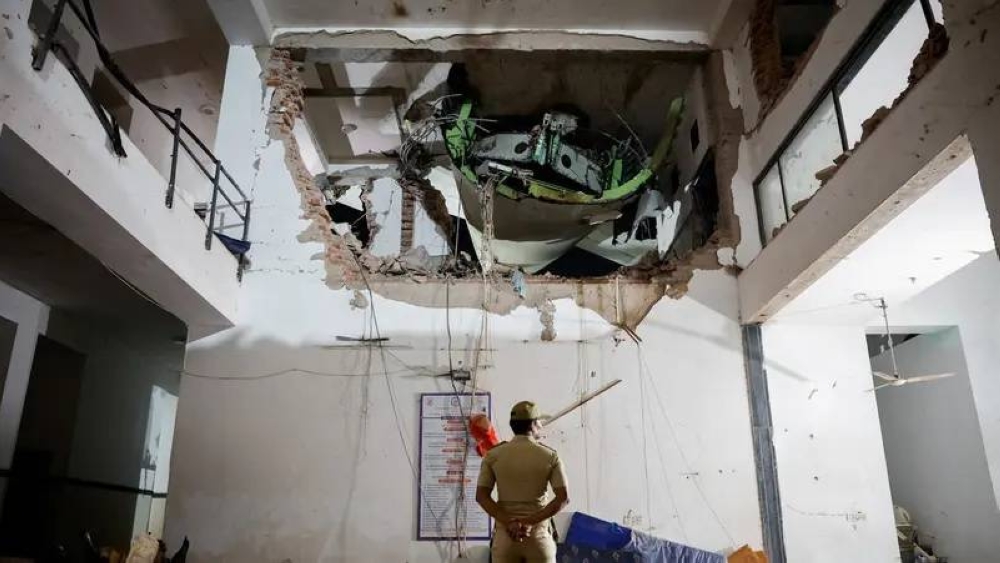
ضابط شرطة أمام حطام الطائرة الهندية.


تابع قناة عكاظ على الواتساب
«عكاظ» (جدة) okaz-online@
An investigation into the crash of an Indian Airlines plane last month concluded that the switches controlling the fuel flow to the aircraft's engines were in the off position, leading to a clear loss of thrust shortly after takeoff.
The American newspaper "The Wall Street Journal" reported that the investigation has not yet indicated any issues with the Boeing 787 Dreamliner, according to U.S. officials familiar with the preliminary assessments of the investigation.
Pilots use these switches to turn the aircraft's engines on or off, or to reset them in certain emergency situations. According to sources, these switches are typically in the on position during flight, and it is unclear how or why they were turned off.
Sources added that it is unclear whether this action was accidental or intentional, or whether there was an attempt to restart them. If the switches were in the off position, this could explain why the aircraft's backup power generator—known as the Ram Air Turbine (RAT)—was activated in the moments leading up to the crash near a medical student hostel.
About 260 people were killed in the crash, including everyone on board except for one person. The Aircraft Accident Investigation Bureau of India, which is leading the investigation, is expected to release a preliminary report by next Friday.
Indian civil aviation official Morleydhar Mohul told NDTV news channel in late June: "It is too early to determine the cause of the incident now; the investigation is ongoing." He described the incident as very rare, noting that it is unprecedented for both engines to stop simultaneously.
Air India stated that the flight captain, Sumit Sabharwal, had logged over 10,000 flight hours on wide-body aircraft, while his co-pilot, Clive Condor, had more than 3,400 hours of experience.
This incident marks the first fatal accident involving a Boeing Dreamliner and comes at a time when the aircraft manufacturer is trying to recover from a series of safety and quality issues.
The American newspaper "The Wall Street Journal" reported that the investigation has not yet indicated any issues with the Boeing 787 Dreamliner, according to U.S. officials familiar with the preliminary assessments of the investigation.
Pilots use these switches to turn the aircraft's engines on or off, or to reset them in certain emergency situations. According to sources, these switches are typically in the on position during flight, and it is unclear how or why they were turned off.
Sources added that it is unclear whether this action was accidental or intentional, or whether there was an attempt to restart them. If the switches were in the off position, this could explain why the aircraft's backup power generator—known as the Ram Air Turbine (RAT)—was activated in the moments leading up to the crash near a medical student hostel.
About 260 people were killed in the crash, including everyone on board except for one person. The Aircraft Accident Investigation Bureau of India, which is leading the investigation, is expected to release a preliminary report by next Friday.
Indian civil aviation official Morleydhar Mohul told NDTV news channel in late June: "It is too early to determine the cause of the incident now; the investigation is ongoing." He described the incident as very rare, noting that it is unprecedented for both engines to stop simultaneously.
Air India stated that the flight captain, Sumit Sabharwal, had logged over 10,000 flight hours on wide-body aircraft, while his co-pilot, Clive Condor, had more than 3,400 hours of experience.
This incident marks the first fatal accident involving a Boeing Dreamliner and comes at a time when the aircraft manufacturer is trying to recover from a series of safety and quality issues.