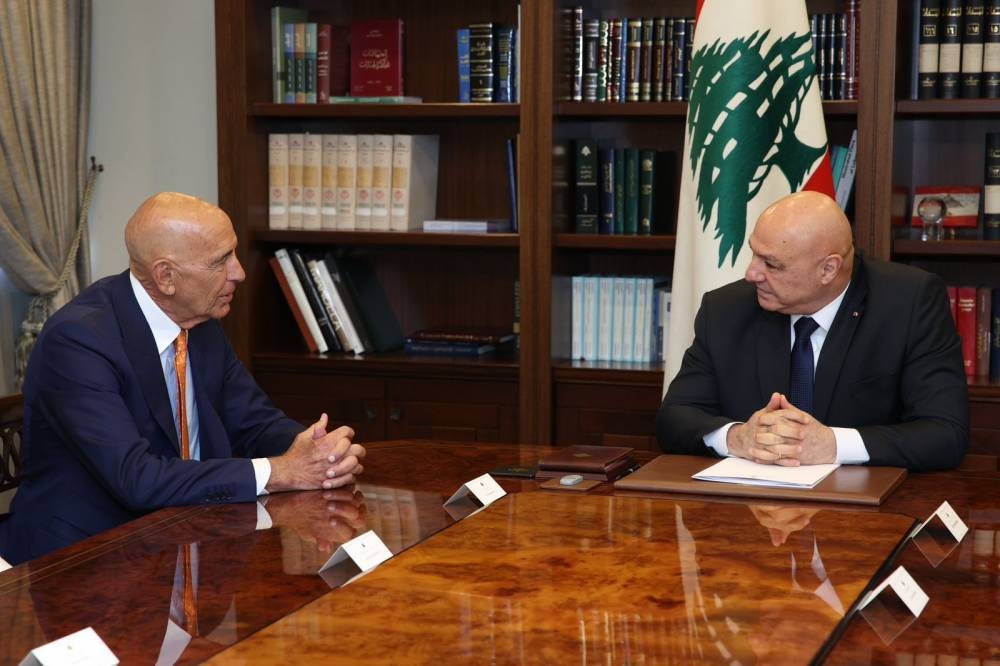
بينما كانت الأوساط السياسية والإعلامية تتهيأ لتصعيد أمريكي مرتقب، جاء رد لبنان الرسمي على الورقة التي حملها الموفد الأمريكي توماس براك بمثابة مفاجأة مزدوجة: أولًا لأنه لم يُقابل برفض علني من واشنطن، وثانياً لأن براك نفسه خرج بتصريحات صادمة قلبت التوقعات رأساً على عقب.
فما الذي يجري فعلاً خلف الستار؟ ولماذا قررت واشنطن في هذه المرحلة أن تُخرج «السلاح غير الشرعي» من مربع المواجهة المباشرة، وتعيده إلى ساحة الصراع الداخلي اللبناني؟
الرد اللبناني: هل هو صياغة فضفاضة لتأجيل المواجهة؟
الرد الذي سلمه لبنان إلى الموفد الأمريكي توماس براك، جاء بصيغة تشبه كثيراً لغة البيانات المشتركة التي تُكتب لإرضاء جميع الأطراف من دون إغضاب أحد.
تحدث عن التمسك باتفاق الطائف، وعن «الحوار الداخلي» كمدخل لأي نقاش يتعلق بسلاح «حزب الله»، من دون أي التزام واضح، أو مهلة زمنية، أو حتى مؤشرات إلى آلية عمل واقعية.
باختصار، لم يرفض لبنان ورقة براك، لكنه لم يلتزم بها أيضاً. وكأن الدولة اختارت أن تحافظ على «العلاقة» مع الأمريكيين، وتجنب نفسها أي صدام مباشر مع الحزب.
في الشكل، هو رد سياسي «دبلوماسي»، لكن في الجوهر، يعكس المأزق الحقيقي: لا توافق داخلي، ولا جرأة على الحسم، ولا قدرة على الإقرار بأن الأزمة تطال جوهر السيادة نفسها.
براك يقلب الطاولة: «مشكلتكم.. حلّوها أنتم»
في واحدة من أكثر التصريحات غرابة لمسؤول أمريكي في ملف لبناني، قال براك من بعبدا: «أليس حزب الله حزباً سياسياً في لبنان؟ هل تعتقدون أن دولة أخرى ستقوم بحل حزب سياسي في دولة تتمتع بسيادة؟ هذه مشكلتكم... عليكم حلّها».
بهذه العبارة، كأن الموفد الأمريكي نزع المسؤولية عن بلاده، وأعادها للداخل اللبناني. وهنا لا يمكن تجاهل التوقيت: فالتصريح أتى بعد تسليم الرد اللبناني، وقبل أن يبدأ أي تصعيد إعلامي أو دبلوماسي، كأن واشنطن أرادت القول: لا تتوقعوا منا أكثر مما قدمناه.
ما بين النبرة المنخفضة والرسالة المرتفعة
في الشكل، يظهر الموقف الأمريكي كأنه ينسحب من الميدان، ويترك اللبنانيين ليواجهوا «مشكلتهم» بأنفسهم، لكن في المضمون، يمكن قراءة كلام براك كأعلى درجات الضغط الناعم، حين يُقال لحكومة مأزومة: «إذا أردتم بناء دولة، فأبدأوا بأنفسكم... لا تعولوا علينا لحل المعضلة التي تعيشون على التعايش معها».
وهنا، قد يدخل لبنان في مأزق أكبر: هل تملك الدولة فعلياً أدوات المواجهة؟ وهل هناك إرادة داخلية لحسم ملفٍ بحجم «سلاح حزب الله» من دون غطاء دولي أو حد أدنى من التفاهم الإقليمي؟
«حزب الله» يستبق الرد بتصعيد محسوب.. ثم يصمت
في الأيام التي سبقت تسليم لبنان الرسمي لرده على ورقة توماس براك، حرص «حزب الله» على تثبيت معادلاته المسبقة. جاء ذلك على لسان أمينه العام الشيخ نعيم قاسم، الذي أعلن بوضوح: «لن نسلّم السلاح... المقاومة خط أحمر، لا نقاش فيه».
لكن اللافت أن الحزب، منذ تسليم الرد إلى براك، اختار التزام الصمت الكامل. لا تعليق، لا تصعيد، ولا حتى تسريبات. كأن الحزب، بعد أن رفع السقف بوضوح، قرر التفرج على المشهد السياسي يتخبط في مواجهة الحقيقة: لا أحد قادر على طرح ملف السلاح من دون أن يصطدم بحائط الحزب، ولو بصمته.
وهذا الصمت -بحد ذاته- ليس حياداً، بل تكتيك مراقبة، وورقة ضغط صامتة في لحظة تراهن فيها واشنطن على «لبننة» المعالجة... من دون أي ضمانة بأن الحزب معني أصلًا بالنقاش.
الكواليس: واشنطن تنتظر اللحظة الإقليمية المناسبة؟
بعيداً عن السجالات الإعلامية، تُشير مصادر سياسية متابعة إلى أن ما يجري قد يكون جزءاً من إستراتيجية «التريث المشروط». فواشنطن، بحسب هذه القراءة، ليست في وارد التصعيد في لبنان في ظل الأولوية المطلقة لغزة والنووي الإيراني، لكنها تريد إبقاء الورقة اللبنانية حية، قابلة للاستخدام متى نضجت اللحظة الإقليمية الكبرى.
في المقابل، تسود قناعة لدى بعض القوى السياسية اللبنانية بأن الرسالة الأمريكية لم تكن موجهة لحزب الله فقط، بل لكل من يراهن على الخارج كوسيلة لتصفية الحسابات الداخلية.
.. بعد هذا المشهد المعقد، تتضح أن الكرة اليوم أصبحت في ملعب لبنان وحده. فقد برهنت الأحداث والتصريحات، خصوصاً موقف الموفد الأمريكي براك، أن الحلول الخارجية أصبحت محدودة الفعالية، وأن واشنطن تحثّ على إدارة الملف داخلياً عبر الحوار والتوافق الوطني.
لكن التحدي الحقيقي يبقى في قدرة القوى اللبنانية المختلفة على تجاوز الانقسامات، وإيجاد صيغة وطنية متفق عليها تضمن ضبط السلاح، وتعزيز سيادة الدولة.
وفي غياب إجماع واضح، يظل ملف السلاح ومواضيع السيادة الكبرى معلقاً بين الواقع الراهن والرهانات المستقبلية، فيما المنطقة نفسها تواجه متغيرات متسارعة لا تسمح بالتأجيل إلى ما لا نهاية.
الوقت يمضي، والقرار اللبناني المصيري يحتاج اليوم أكثر من أي وقت مضى إلى شجاعة سياسية ووعي جماعي، لتفادي المزيد من الانسداد والمخاطر.
While the political and media circles were preparing for an anticipated American escalation, Lebanon's official response to the paper carried by the American envoy Thomas Barak came as a double surprise: first, because it was not met with a public rejection from Washington, and second, because Barak himself made shocking statements that turned expectations upside down.
So, what is really happening behind the scenes? And why did Washington decide at this stage to remove the "illegitimate weapon" from the square of direct confrontation and return it to the arena of internal Lebanese conflict?
The Lebanese response: Is it a vague formulation to postpone confrontation?
The response that Lebanon delivered to the American envoy Thomas Barak came in a form that closely resembles the language of joint statements written to please all parties without angering anyone.
It spoke about adherence to the Taif Agreement and about "internal dialogue" as an entry point for any discussion related to the weapon of "Hezbollah," without any clear commitment, time frame, or even indications of a realistic working mechanism.
In short, Lebanon did not reject Barak's paper, but it did not commit to it either. It seems that the state chose to maintain the "relationship" with the Americans and avoid any direct confrontation with the party.
In form, it is a "diplomatic" political response, but in essence, it reflects the real predicament: no internal consensus, no courage to make a decisive move, and no ability to acknowledge that the crisis touches the essence of sovereignty itself.
Barak turns the tables: "Your problem... you solve it."
In one of the strangest statements by an American official regarding the Lebanese file, Barak said from Baabda: "Isn't Hezbollah a political party in Lebanon? Do you think another country will dissolve a political party in a sovereign state? This is your problem... you have to solve it."
With this statement, it seems the American envoy shifted the responsibility away from his country and returned it to the Lebanese interior. Here, one cannot ignore the timing: the statement came after delivering the Lebanese response and before any media or diplomatic escalation began, as if Washington wanted to say: don't expect more from us than what we have provided.
Between the low tone and the high message
In form, the American position appears to withdraw from the field, leaving the Lebanese to face their "problem" themselves, but in substance, Barak's words can be read as the highest degree of soft pressure, when it is said to a troubled government: "If you want to build a state, start with yourselves... don't rely on us to solve the dilemma you are living with."
Here, Lebanon may enter a bigger predicament: does the state actually possess the tools for confrontation? Is there an internal will to resolve an issue as significant as "Hezbollah's weapon" without international cover or a minimum of regional understanding?
"Hezbollah" anticipates the response with calculated escalation... then falls silent
In the days leading up to Lebanon's official response to Thomas Barak's paper, "Hezbollah" was keen to establish its prior equations. This was articulated by its Secretary-General Sheikh Naim Qassem, who clearly stated: "We will not hand over the weapon... resistance is a red line, there is no discussion about it."
However, it is noteworthy that the party, since delivering the response to Barak, chose to maintain complete silence. No comments, no escalation, not even leaks. It seems that after clearly raising the ceiling, the party decided to watch the political scene struggle with the reality: no one is capable of raising the issue of the weapon without colliding with the party's wall, even through its silence.
This silence - in itself - is not neutrality, but a monitoring tactic and a silent pressure card at a moment when Washington is betting on the "Lebanonization" of the solution... without any guarantee that the party is even concerned with the discussion.
Behind the scenes: Is Washington waiting for the right regional moment?
Away from media disputes, informed political sources indicate that what is happening may be part of a "conditional waiting" strategy. Washington, according to this reading, is not inclined to escalate in Lebanon amid the absolute priority of Gaza and the Iranian nuclear issue, but it wants to keep the Lebanese card alive, usable whenever the major regional moment matures.
Conversely, there is a conviction among some Lebanese political forces that the American message was not directed solely at Hezbollah, but at anyone betting on the outside as a means to settle internal scores.
.. After this complex scene, it becomes clear that the ball is now solely in Lebanon's court. Events and statements, especially the position of the American envoy Barak, have proven that external solutions have become limited in effectiveness, and that Washington is urging the management of the file internally through dialogue and national consensus.
But the real challenge remains in the ability of the various Lebanese forces to overcome divisions and find an agreed-upon national formula that ensures the regulation of arms and strengthens the sovereignty of the state.
In the absence of a clear consensus, the issue of arms and major sovereignty topics remains suspended between the current reality and future bets, while the region itself faces rapidly changing dynamics that do not allow for indefinite postponement.
Time is passing, and the fateful Lebanese decision needs today more than ever political courage and collective awareness to avoid further blockage and risks.