


أفصح خبراء أمميون أن رواندا «مارست القيادة والسيطرة» على متمردي حركة «23 مارس» (إم 23) خلال تقدمهم غير المسبوق في شرق الكونغو، ما أتاح لهم نفوذاً سياسياً ووصولاً إلى أراضٍ غنية بالمعادن.
وحسب التقرير السري الذي حصلت عليه وسائل إعلام غربية، فإن رواندا قدمت تفاصيل تدريب لمقاتلي حركة إم23 وعتاداً عسكريّاً خصوصاً «أنظمة فائقة التقنية قادرة على تحييد الأصول الجوية»، لمنح المتمردين ميزة تكتيكية حاسمة على جيش جمهورية الكونغو الديمقراطية المحاصر.
من جانبها، نفت رواندا مساعدة الحركة، معتبرة أن قواتها تتصرف دفاعاً عن النفس ضد جيش الكونغو ومليشيات الهوتو العرقية المرتبطة بأعمال الإبادة الجماعية في رواندا عام 1994، بما في ذلك جماعة القوات الديمقراطية لتحرير رواندا.
لكن التقرير الذي أعده خبراء من الأمم المتحدة، أفاد بأن الدعم العسكري الرواندي لحركة إم23 لم يكن يستهدف بشكل أساسي السيطرة على التهديدات التي تشكلها القوات الديمقراطية لتحرير رواندا، مؤكدة أن كيغالي كانت تركز بدلاً من ذلك على «غزو أراضٍ جديدة».
وعززت رواندا بشكل كبير عدد قواتها في شرق الكونغو قبل تقدم متمردي حركة إم23، وفقاً للخبراء الذين قدّموا تقديراً متحفظاً يتحدث عن انتشار 6 آلاف جندي رواندي في منطقتي كيفو الشمالية وكيفو الجنوبية بالكونغو.
واتهم الخبراء رواند بارتكاب انتهاكات فاضحة وممنهجة لحظر التسليح، وقالوا إن ما يحتمل أنه هجوم صاروخي في يناير الماضي على ناقلة جنود مدرعة تقل قوات حفظ سلام تابعة للأمم المتحدة، أودى بحياة جندي وأصاب أربعة آخرين، وبدا أنه أطلق من موقع عسكري رواندي.
يذكر أنه في شهر مارس الماضي، توغلت حركة إم23 غربا حتى مدينة واكالي، وهي منطقة غنية بالمعادن، بما في ذلك القصدير، مما جعل المتمردين على بعد 400 كيلومتر من كيسنجاني، رابع أكبر مدن الكونغو.
وانسحبت الحركة من واكالي في الشهر التالي، وهو قرار قال الخبراء إنه "اتخذ بناء على تعليمات مباشرة من حكومة رواندا، ما يؤكد مرة أخرى قيادة رواندا وسيطرتها على المتمردين.
واعتبر الرئيس الكونغولي فيليكس تشيسيكيدي، الاثنين، أن اتفاق السلام الذي وقّعته بلاده مع رواندا لمحاولة إنهاء النزاع في شرق جمهورية الكونغو الديمقراطية يمهد الطريق لعهد جديد من الاستقرار.
تقرير أممي: رواندا دعمت متمردي «إم 23» خلال حربهم ضد الكونغو
2 يوليو 2025 - 14:49
|
آخر تحديث 2 يوليو 2025 - 14:49
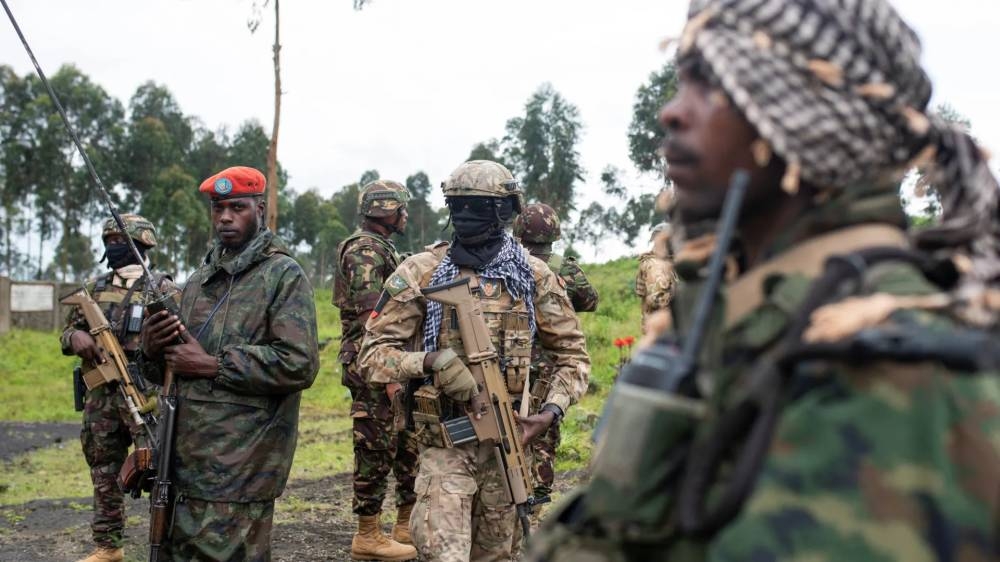
متمردو حركة «23 مارس» (إم23).


تابع قناة عكاظ على الواتساب
«عكاظ» (جدة) okaz_online@
UN experts revealed that Rwanda "exercised leadership and control" over the M23 rebels during their unprecedented advance in eastern Congo, allowing them political influence and access to mineral-rich lands.
According to a confidential report obtained by Western media, Rwanda provided details on training for M23 fighters and military equipment, particularly "high-tech systems capable of neutralizing aerial assets," to give the rebels a critical tactical advantage over the besieged Congolese army.
For its part, Rwanda denied assisting the movement, asserting that its forces were acting in self-defense against the Congolese army and Hutu ethnic militias linked to the 1994 genocide in Rwanda, including the Democratic Forces for the Liberation of Rwanda.
However, the report prepared by UN experts stated that Rwandan military support for M23 was not primarily aimed at controlling the threats posed by the Democratic Forces for the Liberation of Rwanda, emphasizing that Kigali was instead focused on "invading new territories."
Rwanda significantly increased the number of its troops in eastern Congo prior to the M23 rebels' advance, according to experts who provided a conservative estimate of 6,000 Rwandan soldiers deployed in North and South Kivu regions of Congo.
The experts accused Rwanda of committing blatant and systematic violations of the arms embargo, stating that what was likely a missile attack last January on an armored personnel carrier carrying UN peacekeeping forces resulted in the death of one soldier and injuries to four others, and appeared to have been launched from a Rwandan military site.
It is noteworthy that last March, the M23 movement advanced westward to the city of Wakali, an area rich in minerals, including tin, bringing the rebels within 400 kilometers of Kisangani, the fourth largest city in Congo.
The movement withdrew from Wakali the following month, a decision that experts said was "made based on direct instructions from the Rwandan government, further confirming Rwanda's leadership and control over the rebels.
Congolese President Félix Tshisekedi stated on Monday that the peace agreement signed by his country with Rwanda to attempt to end the conflict in eastern Democratic Republic of Congo paves the way for a new era of stability.
According to a confidential report obtained by Western media, Rwanda provided details on training for M23 fighters and military equipment, particularly "high-tech systems capable of neutralizing aerial assets," to give the rebels a critical tactical advantage over the besieged Congolese army.
For its part, Rwanda denied assisting the movement, asserting that its forces were acting in self-defense against the Congolese army and Hutu ethnic militias linked to the 1994 genocide in Rwanda, including the Democratic Forces for the Liberation of Rwanda.
However, the report prepared by UN experts stated that Rwandan military support for M23 was not primarily aimed at controlling the threats posed by the Democratic Forces for the Liberation of Rwanda, emphasizing that Kigali was instead focused on "invading new territories."
Rwanda significantly increased the number of its troops in eastern Congo prior to the M23 rebels' advance, according to experts who provided a conservative estimate of 6,000 Rwandan soldiers deployed in North and South Kivu regions of Congo.
The experts accused Rwanda of committing blatant and systematic violations of the arms embargo, stating that what was likely a missile attack last January on an armored personnel carrier carrying UN peacekeeping forces resulted in the death of one soldier and injuries to four others, and appeared to have been launched from a Rwandan military site.
It is noteworthy that last March, the M23 movement advanced westward to the city of Wakali, an area rich in minerals, including tin, bringing the rebels within 400 kilometers of Kisangani, the fourth largest city in Congo.
The movement withdrew from Wakali the following month, a decision that experts said was "made based on direct instructions from the Rwandan government, further confirming Rwanda's leadership and control over the rebels.
Congolese President Félix Tshisekedi stated on Monday that the peace agreement signed by his country with Rwanda to attempt to end the conflict in eastern Democratic Republic of Congo paves the way for a new era of stability.


