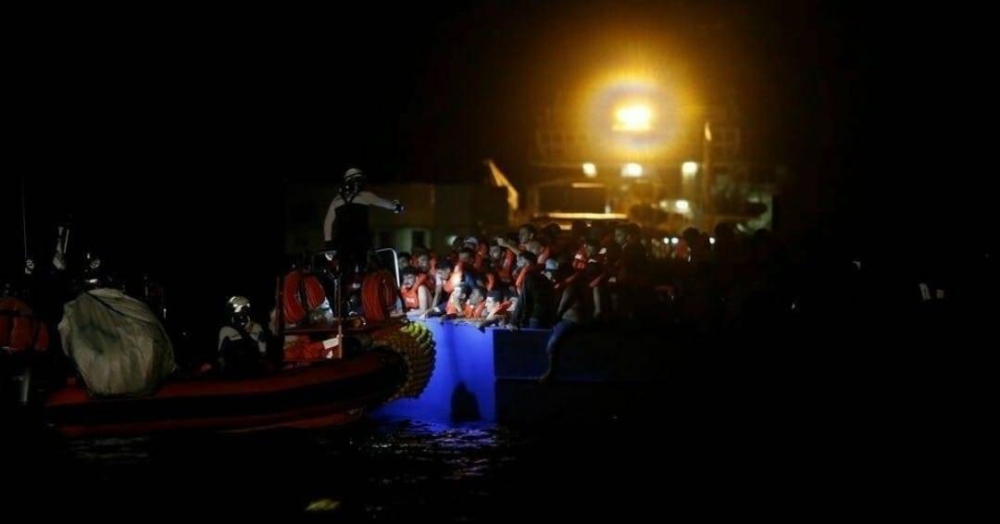
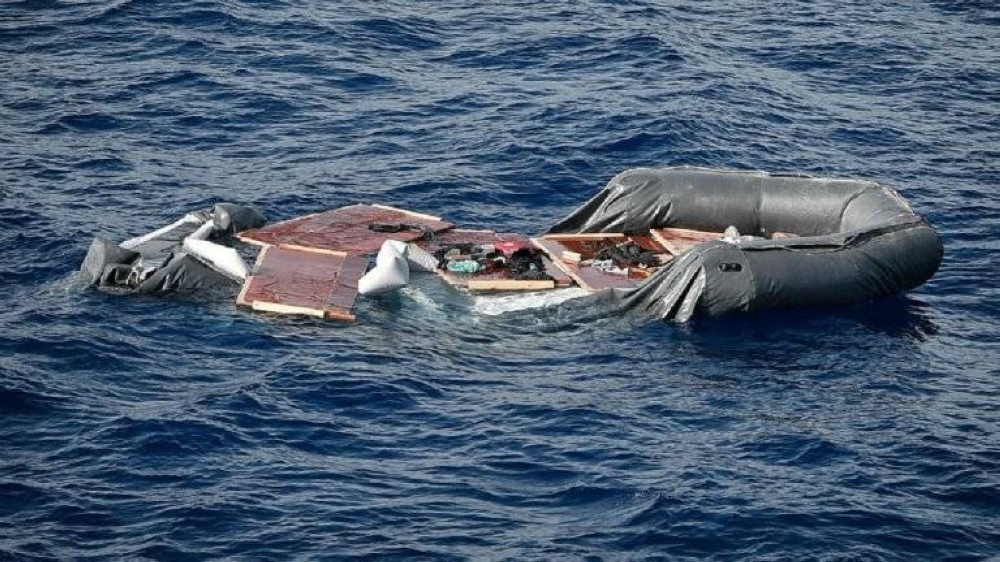
أعلنت المنظمة الدولية للهجرة مأساة إنسانية جديدة في البحر الأبيض المتوسط، حيث فُقد ما لا يقل عن 60 مهاجراً غير شرعي في حادثتي غرق منفصلتين وقعتا قبالة سواحل ليبيا، وهما جزء من سلسلة مستمرة من الكوارث التي يواجهها المهاجرون غير الشرعيين عبر البحر.
ووفقاً لتقارير المنظمة، وقعت الحادثة الأولى بالقرب من ميناء الشعاب في منطقة طرابلس، حيث غرق قارب يحمل 26 مهاجرا، ولم يُعثر سوى على 5 ناجين، ومن بين المفقودين 6 أشخاص من إريتريا، منهم 3 نساء و3 أطفال، إلى جانب 5 باكستانيين، 4 مصريين، وسودانيين اثنين، بينما لا تزال هوية 4 آخرين مجهولة.
أما الحادثة الثانية فوقعت على بعد 35 كيلومترا غرب مدينة طبرق، حيث فُقد 39 مهاجرا، ونجا شخص واحد فقط أنقذه صيادون محليون، وفي الأيام التالية، جرفت الأمواج 3 جثث إلى الشاطئ، وتستمر جهود تحديد هوياتهم بدعم من الجالية السودانية.
وقدمت فرق البحث والإنقاذ التابعة للمنظمة الدولية للهجرة رعاية طبية عاجلة للناجين فور وصولهم إلى البر، فيما جدد المدير الإقليمي للمنظمة في منطقة الشرق الأوسط وشمال أفريقيا عثمان بلبيسي مناشدته للمجتمع الدولي لتعزيز عمليات البحث والإنقاذ في المنطقة، وقال بلبيسي: «مع عشرات المفقودين وأسر بأكملها في حالة من الحزن واليأس، نحن بحاجة ماسة إلى تحرك دولي لمنع تكرار هذه المآسي».
ويُعد البحر الأبيض المتوسط، وبالأخص الطريق الواصل بين سواحل شمال أفريقيا وجنوب أوروبا، أحد أخطر ممرات الهجرة في العالم، وتُشير إحصاءات المنظمة الدولية للهجرة إلى أن 743 مهاجرا لقوا حتفهم منذ بداية عام 2025 أثناء محاولتهم عبور المتوسط، أكثر من 500 منهم انطلقوا من ليبيا، وتُعتبر ليبيا نقطة انطلاق رئيسية للمهاجرين بسبب موقعها الجغرافي وحالة عدم الاستقرار السياسي والأمني التي تعاني منها منذ 2011، ما جعلها مركزا لعمليات تهريب البشر.
وبحسب التقارير الدولية تشمل الجنسيات الأكثر شيوعا بين المهاجرين أشخاصا من دول أفريقيا جنوب الصحراء، مثل إريتريا والسودان، إلى جانب مهاجرين من باكستان وغيرها من الدول التي تعاني من النزاعات أو الفقر، وغالباً ما يستخدم المهاجرون قوارب مطاطية مكتظة وغير آمنة، ما يزيد من مخاطر الغرق.
وعلى الرغم من الجهود الدولية، بما في ذلك تمويل الاتحاد الأوروبي لعمليات مكافحة الهجرة غير الشرعية في ليبيا وتونس، تستمر هذه الحوادث بسبب نقص التنسيق، وضعف قدرات خفر السواحل، والتحديات الإنسانية في التعامل مع المهاجرين المعادين إلى ليبيا، حيث يواجهون ظروفاً مزرية في مراكز الاحتجاز.
The International Organization for Migration has announced a new humanitarian tragedy in the Mediterranean Sea, where at least 60 irregular migrants have gone missing in two separate drowning incidents off the coast of Libya, part of an ongoing series of disasters faced by irregular migrants crossing the sea.
According to the organization's reports, the first incident occurred near the Al-Shahab port in the Tripoli area, where a boat carrying 26 migrants sank, and only 5 survivors were found. Among the missing are 6 individuals from Eritrea, including 3 women and 3 children, along with 5 Pakistanis, 4 Egyptians, and 2 Sudanese, while the identities of 4 others remain unknown.
The second incident took place 35 kilometers west of the city of Tobruk, where 39 migrants went missing, and only one person survived, rescued by local fishermen. In the following days, the waves washed 3 bodies ashore, and efforts to identify them continue with support from the Sudanese community.
The search and rescue teams of the International Organization for Migration provided urgent medical care to the survivors upon their arrival on land, while the organization's regional director for the Middle East and North Africa, Othman Belbisi, renewed his appeal to the international community to enhance search and rescue operations in the region. Belbisi stated, "With dozens missing and entire families in mourning and despair, we urgently need international action to prevent the recurrence of these tragedies."
The Mediterranean Sea, particularly the route between the coasts of North Africa and Southern Europe, is one of the most dangerous migration corridors in the world. Statistics from the International Organization for Migration indicate that 743 migrants have lost their lives since the beginning of 2025 while attempting to cross the Mediterranean, more than 500 of whom set out from Libya. Libya is considered a major departure point for migrants due to its geographical location and the political and security instability it has suffered since 2011, making it a hub for human trafficking operations.
According to international reports, the most common nationalities among migrants include individuals from sub-Saharan African countries, such as Eritrea and Sudan, alongside migrants from Pakistan and other countries suffering from conflict or poverty. Migrants often use overcrowded and unsafe rubber boats, increasing the risks of drowning.
Despite international efforts, including EU funding for operations against irregular migration in Libya and Tunisia, these incidents continue due to a lack of coordination, weak coast guard capabilities, and humanitarian challenges in dealing with migrants returned to Libya, where they face dire conditions in detention centers.