


في تطور لافت، أعلن الجيش الإيراني، اليوم (الأربعاء)، إسقاط طائرة حربية إسرائيلية من طراز إف-35، في منطقة جنوب العاصمة طهران. وقال قائم مقام منطقة ورامين حسين عباسي في تصريح نقلته وكالة الأنباء الإيرانية الرسمية (إرنا)، إن المقاتلة تحطمت ودمرت في محيط ورامين. وأكد عباسي أن وحدات الأمن فتحت تحقيقا في الحادثة، لكنه لم يفصح عن أي معلومات بشأن مصير قائد الطائرة.
وبحسب مصادر إيرانية، تم إسقاط ثلاث طائرات حربية إسرائيلية منذ بدء الحرب ضد إيران في 13 يونيو الجاري.
وأقر الجيش الإسرائيلي، بأن طائرة حربية تابعة له تعرضت لإطلاق صاروخ سطح جو من دون أن يتسبب ذلك في وقوع إصابات.
وبحسب ما أورد الجيش، فقد تم «إطلاق صاروخ سطح-جو على طائرة تابعة للقوات الجوية يتم التحكم بها عن بعد وسقوطه في المجال الجوي الإيراني ولم تقع إصابات».
من جانبها، أفصحت صحيفة «وول ستريت جورنال» الأربعاء، أن إسرائيل تواجه نقصا في منظومة الصواريخ «آرو» الدفاعية الاعتراضية. وأكدت أن هذا النقص يثير القلق بشأن قدرات إسرائيل على مواجهة الصواريخ الباليستية طويلة المدى من إيران.
ونقلت عن مسؤول أمريكي، أن الولايات المتحدة كانت على دراية بمشاكل القدرات الدفاعية في إسرائيل منذ أشهر وأن واشنطن تعمل على تعزيز دفاعات تل أبيب بأنظمة برية وبحرية وجوية.
وكان مسؤول عسكري إسرائيلي، أفاد بأن منظومة الدفاع حققت «نسبة نجاح تراوح بين 80 و90 %»، إلا أنه أكد أنه لا يوجد نظام مثالي بنسبة 100 %، ما يعني أن بعض الصواريخ الإيرانية اخترقت منظومة الدفاع.
وتعتبر منظومة الصواريخ آرو بعيدة المدى آخر طبقات منظومة الدفاع الجوي الإسرائيلية، وهي منظومة قادرة على اعتراض الصواريخ الباليستية خارج الغلاف الجوي على مسافة أكثر من 2400 كلم.
وتتكون المنظومة من مجموعة من الأنظمة الاعتراضية لتوفير الدفاع متعدد المستويات ضد الصواريخ الباليستية، ويتمركز هذا النظام في القواعد الجوية الإسرائيلية.
وينقسم نظام السهم آرو إلى قسمين: نظام «آرو 2»، ونظام «آرو 3». وذكرت «رويترز» أن هذا النظام مطور خصيصا لمواجهة التهديد الإيراني.
ويقوم نظام آرو 3 بالكشف والتتبع والتمييز والاشتباك، ويعتمد عليه الجيش الإسرائيلي لحماية المواقع الإستراتيجية.
هل أسقطت إيران المقاتلة الإسرائيلية «إف 35» ؟
18 يونيو 2025 - 14:21
|
آخر تحديث 19 يونيو 2025 - 03:07
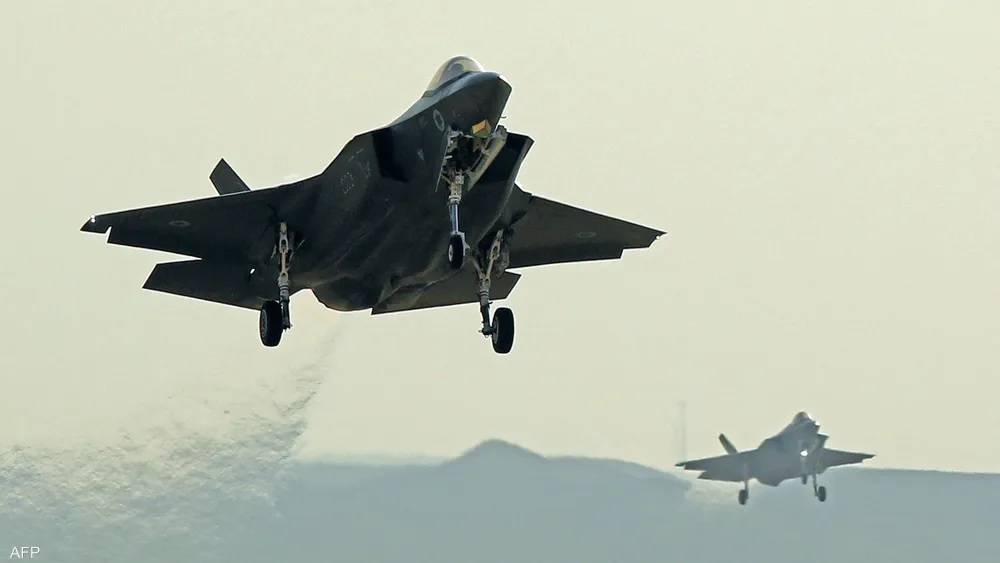
الطائرة الإسرائيلية إف 35.


تابع قناة عكاظ على الواتساب
«عكاظ» (طهران) okaz_online@
In a notable development, the Iranian army announced today (Wednesday) the downing of an Israeli F-35 fighter jet in the area south of the capital Tehran. Hussein Abbasi, the deputy governor of the Varamin region, stated in a statement reported by the official Iranian news agency (IRNA) that the fighter jet crashed and was destroyed in the vicinity of Varamin. Abbasi confirmed that security units have opened an investigation into the incident, but he did not disclose any information regarding the fate of the pilot.
According to Iranian sources, three Israeli fighter jets have been shot down since the war against Iran began on June 13.
The Israeli army acknowledged that one of its fighter jets was targeted by a surface-to-air missile, but this did not result in any injuries.
According to the army, "a surface-to-air missile was fired at a remotely controlled air force aircraft, which fell into Iranian airspace, and no injuries occurred."
For its part, the Wall Street Journal reported on Wednesday that Israel is facing a shortage of the Arrow missile defense system. It confirmed that this shortage raises concerns about Israel's capabilities to confront long-range ballistic missiles from Iran.
It quoted an American official stating that the United States has been aware of the defensive capability issues in Israel for months and that Washington is working to bolster Tel Aviv's defenses with land, sea, and air systems.
An Israeli military official reported that the defense system achieved a "success rate ranging from 80 to 90%," but he confirmed that there is no perfect system at 100%, meaning that some Iranian missiles have penetrated the defense system.
The Arrow missile system is considered the last layer of Israel's air defense system, capable of intercepting ballistic missiles outside the atmosphere at distances of more than 2400 km.
The system consists of a range of interceptors to provide multi-layered defense against ballistic missiles, and this system is stationed at Israeli air bases.
The Arrow system is divided into two parts: "Arrow 2" and "Arrow 3." Reuters reported that this system is specifically developed to counter the Iranian threat.
The Arrow 3 system is responsible for detection, tracking, discrimination, and engagement, and the Israeli army relies on it to protect strategic sites.
According to Iranian sources, three Israeli fighter jets have been shot down since the war against Iran began on June 13.
The Israeli army acknowledged that one of its fighter jets was targeted by a surface-to-air missile, but this did not result in any injuries.
According to the army, "a surface-to-air missile was fired at a remotely controlled air force aircraft, which fell into Iranian airspace, and no injuries occurred."
For its part, the Wall Street Journal reported on Wednesday that Israel is facing a shortage of the Arrow missile defense system. It confirmed that this shortage raises concerns about Israel's capabilities to confront long-range ballistic missiles from Iran.
It quoted an American official stating that the United States has been aware of the defensive capability issues in Israel for months and that Washington is working to bolster Tel Aviv's defenses with land, sea, and air systems.
An Israeli military official reported that the defense system achieved a "success rate ranging from 80 to 90%," but he confirmed that there is no perfect system at 100%, meaning that some Iranian missiles have penetrated the defense system.
The Arrow missile system is considered the last layer of Israel's air defense system, capable of intercepting ballistic missiles outside the atmosphere at distances of more than 2400 km.
The system consists of a range of interceptors to provide multi-layered defense against ballistic missiles, and this system is stationed at Israeli air bases.
The Arrow system is divided into two parts: "Arrow 2" and "Arrow 3." Reuters reported that this system is specifically developed to counter the Iranian threat.
The Arrow 3 system is responsible for detection, tracking, discrimination, and engagement, and the Israeli army relies on it to protect strategic sites.


