


تحاول الحكومة العراقية التعامل مع أزمتها السياسية الداخلية التي أحدثتها الفصائل العسكرية، بدبلوماسية شديدة الحذر بعد تهديداتها باستهداف المصالح الأمريكية.
ونقل مصدر سياسي عن رئيس الوزراء العراقي محمد شياع السوداني قوله: «إن تهديد الفصائل باستهداف المصالح الأمريكية في المنطقة يشكل تصعيدا خطيرا يضع العراق في قلب معادلة إقليمية معقدة خصوصا في ظل التوتر المتصاعد بين الولايات المتحدة والمحور الإيراني». وأضاف أن هذه التهديدات لا تعني فقط توجيه ضربات عسكرية محتملة بل تنذر أيضا بإعادة العراق إلى حالة اللاستقرار الأمني وزجه في صراع إقليمي هو في غنى عنه.
وحسب المصدر الذي تحدث لـ «عكاظ»: فإن موقف السوداني يتلخص في أن العراق الذي يحاول جاهدا استعادة دوره الدبلوماسي وتفعيل سيادته يجد نفسه مهددا بأن يتحول إلى ساحة صراع بالوكالة ما يعرض اقتصاده وأمنه الداخلي للخطر ويؤثر سلبا على بيئة الاستثمار والعلاقات الدولية.
وقال المصدر إن السوداني يرى أن مطالبة الفصائل العراقية بإغلاق السفارة الأمريكية في بغداد يحمل دلالات سياسية وأمنية عميقة فمن جهة يعكس تصعيدا في الخطاب المناهض للوجود الأمريكي، ومن جهة أخرى قد يكون تمهيدا لفرض واقع جديد يضعف حضور واشنطن في العراق، ورغم أن السفارة محصنة بشكل كبير فإن المطالبة بإغلاقها بهذا التوقيت توحي بأنها قد تكون هدفا فعليا خصوصا في حال تفجر مواجهة إيرانية – أمريكية مفتوحة.
وأفاد بأن رئيس الوزراء العراقي يرى أن مثل هذه التصريحات والتهديدات تضعف هيبة الدولة العراقية وتقلص من هامش تحركها السيادي وتظهر هشاشة الموقف الداخلي أمام النفوذ المسلح، مؤكدا أن ما يحتاجه العراق اليوم هو تغليب المصلحة الوطنية ومنع تحويل أراضيه إلى ساحة لتصفية الحسابات الدولية.
في غضون ذلك، نفت لجنة الأمن والدفاع في البرلمان العراقي استخدام إسرائيل الأراضي العراقية لمهاجمة إيران، وأكدت موقف العراق الرافض لأن تكون أرضه منطلقا للاعتداء على دول الجوار.
وقال عضو اللجنة ياسر وتوت في بيان: «إن الاتهامات الإيرانية بأن بعض عمليات القصف الإسرائيلي انطلقت من داخل الأراضي العراقية غير صحيحة، ولا وجود لهكذا معلومات».
وأضاف أن العراق لم ولن يقبل أن يكون منطلقاً للاعتداء على أي من دول الجوار والمنطقة، معلنا أن القيادات العسكرية والأمنية وقيادة القوات الجوية والرصد الجوي والأراضي، تؤكد عدم وجود أي منطلق لقصف الأراضي الإيرانية عبر الأراضي العراقية.
وكان نائب وزير الخارجية الإيراني كاظم غريب آبادي، أعلن أن بعض الهجمات الأخيرة التي استهدفت إيران انطلقت من داخل الأراضي العراقية، مطالباً الحكومة العراقية بتحمّل مسؤوليتها في منع استخدام أجوائها للاعتداء على دول الجوار.
كيف تتعامل العراق مع تداعيات الحرب الإيرانية - الإسرائيلية ؟
16 يونيو 2025 - 15:18
|
آخر تحديث 16 يونيو 2025 - 15:18
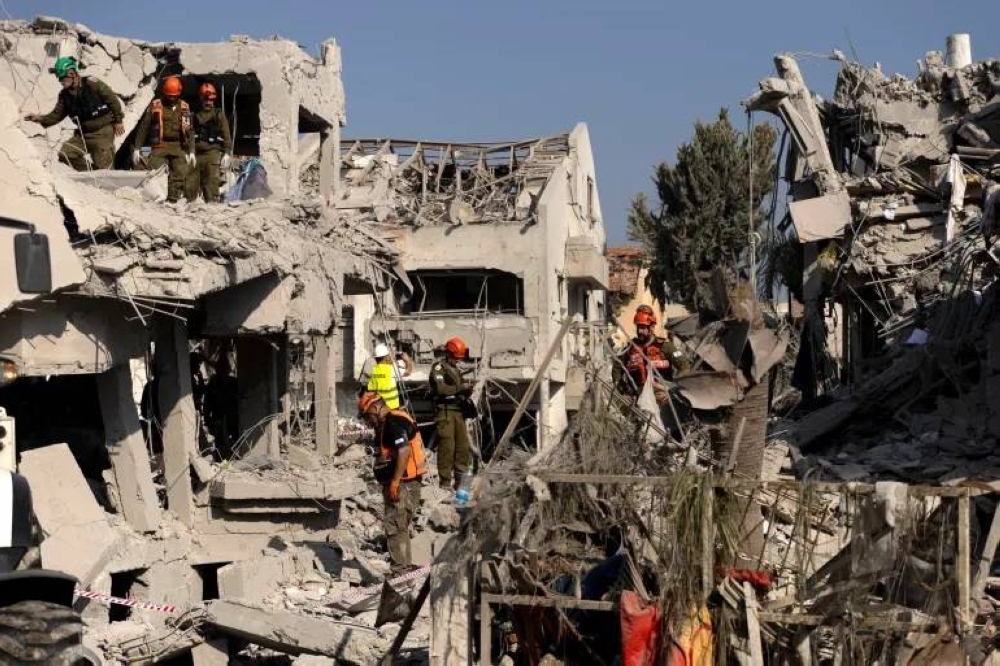
جانب من الدمار في تل أبيب


تابع قناة عكاظ على الواتساب
رياض منصور (بغداد) riyadmansour@
The Iraqi government is trying to deal with its internal political crisis caused by military factions with very cautious diplomacy after their threats to target American interests.
A political source quoted Iraqi Prime Minister Mohammed Shia al-Sudani as saying: "The threat from the factions to target American interests in the region constitutes a dangerous escalation that places Iraq at the heart of a complex regional equation, especially in light of the escalating tension between the United States and the Iranian axis." He added that these threats not only imply potential military strikes but also warn of a return to a state of security instability in Iraq and dragging it into a regional conflict that it is better off without.
According to the source who spoke to "Okaz": al-Sudani's position is summarized in that Iraq, which is striving to restore its diplomatic role and activate its sovereignty, finds itself threatened with becoming a battleground for proxy conflicts, which endangers its economy and internal security and negatively affects the investment environment and international relations.
The source stated that al-Sudani sees the Iraqi factions' demand to close the American embassy in Baghdad as carrying deep political and security implications; on one hand, it reflects an escalation in the anti-American rhetoric, and on the other hand, it may be a prelude to imposing a new reality that weakens Washington's presence in Iraq. Although the embassy is heavily fortified, the demand to close it at this timing suggests that it could be a real target, especially if an open Iranian-American confrontation erupts.
He indicated that the Iraqi Prime Minister believes that such statements and threats weaken the prestige of the Iraqi state, reduce its sovereign maneuvering margin, and reveal the fragility of the internal position in the face of armed influence, emphasizing that what Iraq needs today is to prioritize national interest and prevent its territory from becoming a battleground for settling international scores.
Meanwhile, the Security and Defense Committee in the Iraqi Parliament denied the use of Iraqi territory by Israel to attack Iran, reaffirming Iraq's position against its land being a launchpad for aggression against neighboring countries.
Committee member Yasser Watout stated in a statement: "The Iranian accusations that some Israeli bombing operations originated from within Iraqi territory are incorrect, and there is no such information."
He added that Iraq has never and will never accept being a launchpad for aggression against any neighboring countries or the region, announcing that military and security leaders, along with the air force and aerial reconnaissance, confirm that there is no launch point for bombing Iranian territory from Iraqi land.
Iranian Deputy Foreign Minister Kazem Gharib Abadi announced that some recent attacks targeting Iran originated from within Iraqi territory, calling on the Iraqi government to take responsibility for preventing its airspace from being used to attack neighboring countries.
A political source quoted Iraqi Prime Minister Mohammed Shia al-Sudani as saying: "The threat from the factions to target American interests in the region constitutes a dangerous escalation that places Iraq at the heart of a complex regional equation, especially in light of the escalating tension between the United States and the Iranian axis." He added that these threats not only imply potential military strikes but also warn of a return to a state of security instability in Iraq and dragging it into a regional conflict that it is better off without.
According to the source who spoke to "Okaz": al-Sudani's position is summarized in that Iraq, which is striving to restore its diplomatic role and activate its sovereignty, finds itself threatened with becoming a battleground for proxy conflicts, which endangers its economy and internal security and negatively affects the investment environment and international relations.
The source stated that al-Sudani sees the Iraqi factions' demand to close the American embassy in Baghdad as carrying deep political and security implications; on one hand, it reflects an escalation in the anti-American rhetoric, and on the other hand, it may be a prelude to imposing a new reality that weakens Washington's presence in Iraq. Although the embassy is heavily fortified, the demand to close it at this timing suggests that it could be a real target, especially if an open Iranian-American confrontation erupts.
He indicated that the Iraqi Prime Minister believes that such statements and threats weaken the prestige of the Iraqi state, reduce its sovereign maneuvering margin, and reveal the fragility of the internal position in the face of armed influence, emphasizing that what Iraq needs today is to prioritize national interest and prevent its territory from becoming a battleground for settling international scores.
Meanwhile, the Security and Defense Committee in the Iraqi Parliament denied the use of Iraqi territory by Israel to attack Iran, reaffirming Iraq's position against its land being a launchpad for aggression against neighboring countries.
Committee member Yasser Watout stated in a statement: "The Iranian accusations that some Israeli bombing operations originated from within Iraqi territory are incorrect, and there is no such information."
He added that Iraq has never and will never accept being a launchpad for aggression against any neighboring countries or the region, announcing that military and security leaders, along with the air force and aerial reconnaissance, confirm that there is no launch point for bombing Iranian territory from Iraqi land.
Iranian Deputy Foreign Minister Kazem Gharib Abadi announced that some recent attacks targeting Iran originated from within Iraqi territory, calling on the Iraqi government to take responsibility for preventing its airspace from being used to attack neighboring countries.


