


تتهيأ منطقة الشرق الأوسط لوقوع أسوأ سيناريو أمني في المنطقة، فقد بات واضحاً في الأفق أن إسرائيل قررت ضرب إيران، فيما هدد وزير الدفاع الإيراني عزيز ناصرزاده بأن تقصف إيران القواعد العسكرية الأمريكية في المنطقة في حال فشل المحادثات بين إيران والولايات المتحدة في شأن البرنامج النووي الإيراني. وتمكنت «عكاظ» من رصد مؤشرات أخطر تهديد يواجه المنطقة على النحو التالي:
• على رغم أن رئيس وزراء إسرائيل بنيامين نتنياهو لم يُخْفِ في أي يوم رغبته في ضرب المنشآت النووية الإيرانية، لمنع إيران من حيازة سلاح نووي؛ إلا أنه بدى واضحاً حصوله على ضوء أخضر بمهاجمة إيران خلال اتصال هاتفي أجراه مع الرئيس الأمريكي دونالد ترمب الإثنين الماضي. وذكر موقع أكسيوس الإخباري الأمريكي أن ترمب أبلغ نتنياهو في الاتصال الهاتفي أنه يعتقد بأنه لا تزال ثمة فرصة للتوصل إلى اتفاق نووي مع إيران، ولذلك فهو يعارض اتخاذ أي إجراء عسكري ضد طهران. وكان نتنياهو يلعب على اقتراب انتهاء مهلة شهرين حددها ترمب لإيران للتوصل إلى اتفاق مع واشنطن، تنتهي بنهاية الأسبوع الحالي.
• فجأة أعلن، ليل الأربعاء، أن واشنطن قررت سحب العائلات والموظفين غير الأساسيين من سفارتها في العراق، وعائلات العسكريين في قاعدتيها في البحرين، والكويت. وقال مسؤولون في وزارتي الخارجية والدفاع الأمريكيتين صباح الخميس إن ثمة قلقاً متزايداً بشأن الوضع الأمني في المنطقة. وتمسك البيت الأبيض بأن مبعوث ترمب للشرق الأوسط ستيف ويتكوف سيلتقي وزير خارجية إيران عباس عراقجي في مسقط الأحد القادم، لمواصلة المحادثات بشأن اتفاق محتمل بين الطرفين.
• قال مسؤولون في الجيش الإسرائيلي لموقع أكسيوس (الخميس) إن الجيش الإسرائيلي في حال استعداد قصوى منذ أيام؛ تحسباً لتصعيد محتمل ضد إيران. وتفاقمت الأوضاع بعد ثلاثة أيام فحسب من عقد الرئيس ترمب اجتماعاً في منتجع كامب ديفيد الرئاسي مع كبار مسؤولي مجلس الأمن القومي الأمريكي بشأن إيران وقطاع غزة. وأبلغ ترمب الصحفيين ليل الأربعاء/ الخميس، بعد حضوره عرضاً مسرحياً في واشنطن، بأنه تقرر سحب الموظفين الأمريكيين من الشرق الأوسط. وعزا ذلك إلى أن الشرق الأوسط «قد يكون مكاناً خطراً». وزاد: «سنرى ما سيحدث». وأضاف ترمب: «إيران لا يمكن أن تمتلك سلاحاً نووياً. لن نسمح لها بذلك». وقال مبعوث ترمب ويتكوف ليل الأربعاء/ الخميس، عقب اتصال هاتفي أجراه مع نتنياهو، إن تحول إيران إلى قوة نووية يمثل «تهديداً وجودياً» لإسرائيل؛ على حد تعبيره. وأضاف: «هو أيضاً تهديد وجودي للولايات المتحدة». وزاد: «يجب أن نقف معاً بشكل صارم حتى لا تتحول إيران إلى قوة نووية، مهما يكن شأن تكلفة منع ذلك».
• وتزامن ذلك مع إعلان وزارة الخارجية الأمريكية أن تقويماً أمنياً أجرته أفضى إلى اتخاذ قرار بخفض عدد موظفي السفارة الأمريكية في بغداد.
• وعزز التكهنات بأن الحرب واقعة لا محالة إصدار قسم العمليات التجارية البحرية البريطانية (الأربعاء) تحذيراً من «توترات متفاقمة» في الشرق الأوسط «يمكن أن تؤدي إلى تصعيد النشاط العسكري». ونصح التحذير البريطاني السفن باتخاذ الحيطة عند عبور الخليج العربي، وخليج عُمان، ومضيق هرمز.
• زاد الطين بلة القرار المرتقب صدوره الخميس من مجلس محافظي الوكالة الدولية للطاقة الذرية، الذي يندد بعدم انصياع إيران لالتزاماتها النووية.
• وجاءت أقوى العلامات على ما سيحدث في المنطقة خلال اليومين القادمين بعدما أبلغ الرئيس ترمب صحيفة (نيويورك بوست)، في لقاء إذاعي، بأنه غدا «بشكل متزايد أقل ثقة» بإمكان التوصل إلى اتفاق مع إيران. وقالت شبكة (إن بي سي نيوز) الأمريكية وصحيفتا (هآرتس) و(تايمز أوف إسرائيل) (الأربعاء) إن إسرائيل تدرس القيام بعمل عسكري ضد إيران خلال الأيام القادمة، من دون سند أمريكي على الأرجح. وترى إسرائيل أن تضمُّن الاتفاق المحتمل بين واشنطن وطهران مادة تسمح لإيران بتخصيب أي قدر من اليورانيوم أمر غير مقبول بتاتاً. وترى إيران أن من حقها أن تقوم بتخصيب اليورانيوم من أجل برنامجها النووي الذي تصفه بالسلمي.
• ذكرت شبكة (إن بي سي نيوز) الأمريكية أن سحب الموظفين الأمريكيين وعائلات القوات الأمريكية لا يقتصر على السفارات والقواعد الأمريكية التي يمكن أن تصل إليها الصواريخ الإيرانية بسهولة؛ بل إن واشنطن أرسلت برقيات إلى سفاراتها في الشرق الأوسط، وشمال أفريقيا، وأوروبا الشرقية لموافاتها بتقويمها المخاطر الأمنية، وسبل تقليص المخاطر التي تواجه الأمريكيين هناك. ونسبت (إن بي سي نيوز) إلى مصادر مطلعة القول إنها لا تعلم ما إذا كانت هناك خطط أمريكية للمشاركة في أي هجوم إسرائيلي على إيران. لكنها قالت إنها لا تستبعد أن تساعد واشنطن حليفتها إسرائيل بخدمات تزويد مقاتلاتها بالوقود في الجو، وتقاسم المعلومات الاستخبارية معها.
• كان مقرراً أن يمثل قائد القيادة الأمريكية المركزية الجنرال أريك كوريلا أمام الكونغرس الأمريكي الخميس. لكن جلسة الشهادة أُجلت فجأة في وقت متأخر ليل الأربعاء من دون إيضاحات. وقال مصدر مقرب إلى كوريلا إن عليه تركيز اهتمامه على تطورات الوضع. وزاد تقرير شبكة (إن بي سي) أن من الأسباب الإضافية التي تدفع إسرائيل لضرب إيران أن الأخيرة تقوم بجهد كبير لإعادة بناء منظومتها الدفاعية الجوية، ما سيجعل ضرب إيران بمقاتلات إسرائيلية مأهولة شديد الخطورة على الطيارين الإسرائيليين. وقال مسؤول إيراني رفيع المستوى صباح الخميس إن «دولة إقليمية صديقة» أبلغت إيران بأنها تواجه ضربة إسرائيلية وشيكة.
• ذكرت وسائل إعلام إيرانية أن رئيس الأركان العامة للقوات المسلحة محمد باقري، أصدر أوامر ببدء سلسلة مناورات (اقتدار القوات المسلحة) هذا العام، موضحاً إن الهدف هو رفع القدرة الدفاعية والردعية للقوات المسلحة.
وأشار إلى أن المناورات ستنظم بجدول زمني مختلف هذا العام، مع التركيز على مراقبة تحركات العدو.
ما تبعيات اي هجوم محتمل
• ويفضل كثير من المسؤولين والمحللين الإيرانيين اعتبار هذه التهديدات بضربة إسرائيلية وشيكة مجرد ضغوط أمريكية مكثفة لحمل إيران على الموافقة -في مفاوضات الأحد بعاصمة سلطنة عُمان- على اتفاق ينص على منعها من تخصيب اليورانيوم بأية نسبة. ونقلت صحيفة (نيويورك تايمز) أمس الأول، عن مسؤول إيراني كبير قوله «إن إيران جاهزة أيضاً لضرب إسرائيل بالصواريخ البالستية في حال ضربها المنشآت النووية الإيرانية».
• النقطة التي لم يثرها الأمريكيون والإسرائيليون هي: ما هي تبعات أي هجوم إسرائيلي على إيران على دول الخليج العربية؟ هل ستوفر واشنطن أي تدابير لحماية الخليجيين، خصوصاً في جوار إيران، من أي غبار نووي محتمل؟
دقيقةً بدقيقة.. «عكاظ» ترصد تطورات الهجوم الإسرائيلي المحتمل على إيران
هل يزيد نتنياهو المنطقة غرقاً في وحل عدم الاستقرار بضرب «النووي الإيراني» ؟
13 يونيو 2025 - 05:40
|
آخر تحديث 13 يونيو 2025 - 05:40
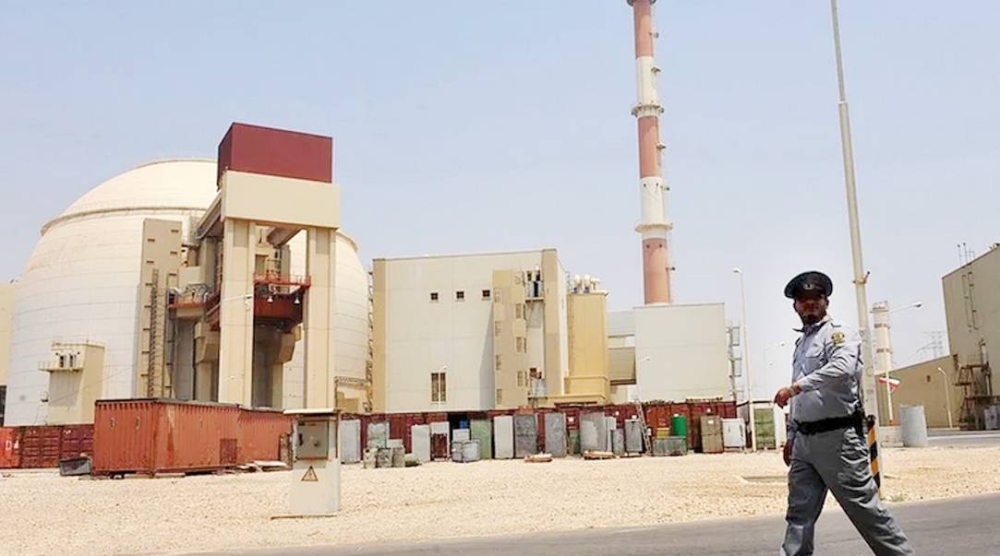
أحد الحراس الإيرانيين إلى جوار منشأة نووية في مدينة قم.


تابع قناة عكاظ على الواتساب
«عكاظ» (واشنطن، بغداد، طهران) OKAZ_online@
The Middle East is bracing for the worst security scenario in the region, as it has become clear that Israel has decided to strike Iran. Iranian Defense Minister Aziz Nasirzadeh has threatened that Iran will target American military bases in the region if talks between Iran and the United States regarding the Iranian nuclear program fail. "Okaz" has managed to track indicators of the most serious threat facing the region as follows:
• Although Israeli Prime Minister Benjamin Netanyahu has never hidden his desire to strike Iranian nuclear facilities to prevent Iran from acquiring nuclear weapons, it has become evident that he received a green light to attack Iran during a phone call with U.S. President Donald Trump last Monday. Axios reported that Trump informed Netanyahu during the call that he believes there is still a chance to reach a nuclear agreement with Iran, and therefore he opposes any military action against Tehran. Netanyahu was leveraging the approaching end of the two-month deadline set by Trump for Iran to reach an agreement with Washington, which ends this weekend.
• Suddenly, on Wednesday night, it was announced that Washington decided to withdraw families and non-essential staff from its embassy in Iraq, as well as the families of military personnel at its bases in Bahrain and Kuwait. Officials from the U.S. State and Defense Departments stated on Thursday morning that there is increasing concern about the security situation in the region. The White House insisted that Trump's envoy to the Middle East, Steve Wittekov, will meet with Iranian Foreign Minister Abbas Araghchi in Muscat next Sunday to continue discussions about a potential agreement between the two sides.
• Israeli military officials told Axios on Thursday that the Israeli army has been on high alert for days in anticipation of a potential escalation against Iran. The situation worsened just three days after President Trump held a meeting at the Camp David presidential retreat with senior U.S. National Security Council officials regarding Iran and the Gaza Strip. Trump informed reporters on Wednesday night/Thursday after attending a theater performance in Washington that it was decided to withdraw American personnel from the Middle East, attributing this to the fact that the Middle East "could be a dangerous place." He added, "We will see what happens." Trump stated, "Iran cannot have a nuclear weapon. We will not allow that." Trump's envoy Wittekov on Wednesday night/Thursday, following a phone call with Netanyahu, said that Iran becoming a nuclear power represents an "existential threat" to Israel, in his words. He added, "It is also an existential threat to the United States." He emphasized, "We must stand together firmly so that Iran does not become a nuclear power, regardless of the cost of preventing that."
• This coincided with the announcement from the U.S. State Department that a security assessment led to the decision to reduce the number of staff at the U.S. embassy in Baghdad.
• Speculation that war is inevitable was bolstered by the British Marine Trade Operations Department issuing a warning on Wednesday about "escalating tensions" in the Middle East "that could lead to an escalation of military activity." The British warning advised ships to exercise caution when crossing the Arabian Gulf, the Gulf of Oman, and the Strait of Hormuz.
• The anticipated decision from the Board of Governors of the International Atomic Energy Agency, which condemns Iran's non-compliance with its nuclear obligations, further complicated matters.
• The strongest signs of what will happen in the region over the next two days came after President Trump told the New York Post in a radio interview that he is "increasingly less confident" about the possibility of reaching an agreement with Iran. NBC News and the newspapers Haaretz and Times of Israel reported on Wednesday that Israel is considering military action against Iran in the coming days, likely without U.S. support. Israel believes that including a provision in a potential agreement between Washington and Tehran that allows Iran to enrich any amount of uranium is completely unacceptable. Iran asserts its right to enrich uranium for its nuclear program, which it describes as peaceful.
• NBC News reported that the withdrawal of American personnel and families of U.S. forces is not limited to embassies and U.S. bases that could be easily reached by Iranian missiles; Washington has also sent cables to its embassies in the Middle East, North Africa, and Eastern Europe to provide them with assessments of security risks and ways to mitigate the risks facing Americans there. NBC News cited informed sources as saying they do not know whether there are U.S. plans to participate in any Israeli attack on Iran. However, it said it does not rule out that Washington might assist its ally Israel with aerial refueling services for its fighter jets and share intelligence with it.
• U.S. Central Command Commander General Eric Kurilla was scheduled to testify before the U.S. Congress on Thursday. However, the hearing was suddenly postponed late Wednesday night without explanation. A source close to Kurilla stated that he needs to focus his attention on developments in the situation. NBC's report added that one of the additional reasons pushing Israel to strike Iran is that the latter is making significant efforts to rebuild its air defense system, which would make striking Iran with manned Israeli fighter jets extremely dangerous for Israeli pilots. A senior Iranian official stated on Thursday morning that a "friendly regional state" informed Iran that it is facing an imminent Israeli strike.
• Iranian media reported that Chief of Staff of the Armed Forces Mohammad Baqeri issued orders to begin a series of maneuvers (Armed Forces' Power) this year, explaining that the goal is to enhance the defensive and deterrent capabilities of the armed forces.
He noted that the maneuvers will be organized on a different schedule this year, with a focus on monitoring enemy movements.
What are the implications of any potential attack
• Many Iranian officials and analysts prefer to consider these threats of an imminent Israeli strike as mere intense American pressure to compel Iran to agree—during the negotiations on Sunday in the capital of Oman—to an agreement that prevents it from enriching uranium at any percentage. The New York Times reported the day before yesterday that a senior Iranian official said, "Iran is also ready to strike Israel with ballistic missiles if it attacks Iranian nuclear facilities."
• The point that Americans and Israelis have not raised is: What are the implications of any Israeli attack on Iran for the Arab Gulf states? Will Washington provide any measures to protect the Gulf states, especially those neighboring Iran, from any potential nuclear fallout?
• Although Israeli Prime Minister Benjamin Netanyahu has never hidden his desire to strike Iranian nuclear facilities to prevent Iran from acquiring nuclear weapons, it has become evident that he received a green light to attack Iran during a phone call with U.S. President Donald Trump last Monday. Axios reported that Trump informed Netanyahu during the call that he believes there is still a chance to reach a nuclear agreement with Iran, and therefore he opposes any military action against Tehran. Netanyahu was leveraging the approaching end of the two-month deadline set by Trump for Iran to reach an agreement with Washington, which ends this weekend.
• Suddenly, on Wednesday night, it was announced that Washington decided to withdraw families and non-essential staff from its embassy in Iraq, as well as the families of military personnel at its bases in Bahrain and Kuwait. Officials from the U.S. State and Defense Departments stated on Thursday morning that there is increasing concern about the security situation in the region. The White House insisted that Trump's envoy to the Middle East, Steve Wittekov, will meet with Iranian Foreign Minister Abbas Araghchi in Muscat next Sunday to continue discussions about a potential agreement between the two sides.
• Israeli military officials told Axios on Thursday that the Israeli army has been on high alert for days in anticipation of a potential escalation against Iran. The situation worsened just three days after President Trump held a meeting at the Camp David presidential retreat with senior U.S. National Security Council officials regarding Iran and the Gaza Strip. Trump informed reporters on Wednesday night/Thursday after attending a theater performance in Washington that it was decided to withdraw American personnel from the Middle East, attributing this to the fact that the Middle East "could be a dangerous place." He added, "We will see what happens." Trump stated, "Iran cannot have a nuclear weapon. We will not allow that." Trump's envoy Wittekov on Wednesday night/Thursday, following a phone call with Netanyahu, said that Iran becoming a nuclear power represents an "existential threat" to Israel, in his words. He added, "It is also an existential threat to the United States." He emphasized, "We must stand together firmly so that Iran does not become a nuclear power, regardless of the cost of preventing that."
• This coincided with the announcement from the U.S. State Department that a security assessment led to the decision to reduce the number of staff at the U.S. embassy in Baghdad.
• Speculation that war is inevitable was bolstered by the British Marine Trade Operations Department issuing a warning on Wednesday about "escalating tensions" in the Middle East "that could lead to an escalation of military activity." The British warning advised ships to exercise caution when crossing the Arabian Gulf, the Gulf of Oman, and the Strait of Hormuz.
• The anticipated decision from the Board of Governors of the International Atomic Energy Agency, which condemns Iran's non-compliance with its nuclear obligations, further complicated matters.
• The strongest signs of what will happen in the region over the next two days came after President Trump told the New York Post in a radio interview that he is "increasingly less confident" about the possibility of reaching an agreement with Iran. NBC News and the newspapers Haaretz and Times of Israel reported on Wednesday that Israel is considering military action against Iran in the coming days, likely without U.S. support. Israel believes that including a provision in a potential agreement between Washington and Tehran that allows Iran to enrich any amount of uranium is completely unacceptable. Iran asserts its right to enrich uranium for its nuclear program, which it describes as peaceful.
• NBC News reported that the withdrawal of American personnel and families of U.S. forces is not limited to embassies and U.S. bases that could be easily reached by Iranian missiles; Washington has also sent cables to its embassies in the Middle East, North Africa, and Eastern Europe to provide them with assessments of security risks and ways to mitigate the risks facing Americans there. NBC News cited informed sources as saying they do not know whether there are U.S. plans to participate in any Israeli attack on Iran. However, it said it does not rule out that Washington might assist its ally Israel with aerial refueling services for its fighter jets and share intelligence with it.
• U.S. Central Command Commander General Eric Kurilla was scheduled to testify before the U.S. Congress on Thursday. However, the hearing was suddenly postponed late Wednesday night without explanation. A source close to Kurilla stated that he needs to focus his attention on developments in the situation. NBC's report added that one of the additional reasons pushing Israel to strike Iran is that the latter is making significant efforts to rebuild its air defense system, which would make striking Iran with manned Israeli fighter jets extremely dangerous for Israeli pilots. A senior Iranian official stated on Thursday morning that a "friendly regional state" informed Iran that it is facing an imminent Israeli strike.
• Iranian media reported that Chief of Staff of the Armed Forces Mohammad Baqeri issued orders to begin a series of maneuvers (Armed Forces' Power) this year, explaining that the goal is to enhance the defensive and deterrent capabilities of the armed forces.
He noted that the maneuvers will be organized on a different schedule this year, with a focus on monitoring enemy movements.
What are the implications of any potential attack
• Many Iranian officials and analysts prefer to consider these threats of an imminent Israeli strike as mere intense American pressure to compel Iran to agree—during the negotiations on Sunday in the capital of Oman—to an agreement that prevents it from enriching uranium at any percentage. The New York Times reported the day before yesterday that a senior Iranian official said, "Iran is also ready to strike Israel with ballistic missiles if it attacks Iranian nuclear facilities."
• The point that Americans and Israelis have not raised is: What are the implications of any Israeli attack on Iran for the Arab Gulf states? Will Washington provide any measures to protect the Gulf states, especially those neighboring Iran, from any potential nuclear fallout?


