


لم تحمل زيارة الموفد الفرنسي جان إيف لودريان إلى بيروت أمس (الثلاثاء)، أي جديد فعلي يذكر، سوى التذكير بما سبق وأُعلن في جولات سابقة، مع إعادة تدوير العناوين ذاتها بلغة دبلوماسية أكثر مباشرة هذه المرة.
لودريان الذي التقى الرؤساء اللبنانيين الثلاثة، سمع موقفاً رسمياّ موحداً يؤكد على ضرورة الانصراف نحو إعادة إعمار ما دمرته الحرب الأخيرة، والتشديد على إلزام إسرائيل بتنفيذ القرار 1701، وبسط سلطة الدولة اللبنانية على كامل الجنوب، في ظل تصاعد الخروقات الإسرائيلية وتدهور الوضع الحدودي.
ورغم حرص لودريان على تأكيد استمرار التزام باريس بدورها التقليدي تجاه لبنان، بدا واضحاً أن الحراك الفرنسي يجري ضمن هوامش ضيقة فرضها الموقفان الأمريكي والإسرائيلي، اللذان لا يزالان يشترطان تطبيقاً كاملاً للشروط الدولية قبل أي مساعدة فعلية.
باريس مستعدة للمساعدة، لكنها تنتظر من بيروت أن تقدم «شيئاً ما»، ولو بالحد الأدنى حتى تتمكن من حشد دعم دولي فعلي يخرجه من مأزقه المتفاقم.
الزيارة جاءت في سياق مزدوج: أولاً، الاطلاع على مسار الإصلاحات المطلوبة والتي تعتبر مدخلاً لا غنى عنه لعقد مؤتمرين مرتقبين مطلع العام القادم، أحدهما لدعم الجيش اللبناني والآخر لإعادة إعمار المناطق المنكوبة. وثانياً، التمهيد لموقف فرنسي أكثر صرامة في ما يخص ملف الأمن الجنوبي وتنفيذ القرار 1701، خصوصاً في ظل تجاذبات دولية بدأت تظهر بوضوح حول دور قوات اليونيفيل والتمديد لها، على وقع المخاوف من عودة الحرب أو تدهور الوضع الأمني مجدداً.
المصادر الفرنسية لا تُخفي أن باريس لم تعد تقتنع بإمكانية استمرار لبنان في إدارة الظهر لمسألة سلاح حزب الله، الذي تعتبره عائقاً أمام أي عملية تعافٍ سياسي أو اقتصادي. من هنا، يأتي التشديد الفرنسي على أن ربط إعادة الإعمار بالاستقرار الجنوبي وتطبيق القرارات الدولية بات أمراً محسوماً لدى المجموعة الدولية خصوصا «اللجنة الخماسية» التي باتت ترى أن الاستقرار وحده يشجع المانحين على الاستثمار من دون خشية من عودة الدمار.
في المحصلة، لم تخرج زيارة لودريان عن كونها محطة جديدة في سياق الضغط السياسي الخارجي على الدولة اللبنانية، دون أن تحمل أي آلية تنفيذية أو مبادرة خلاقة قادرة على كسر الجمود. بقيت الزيارة في حدود إعادة التعبير عن المواقف نفسها، بينما يستمر الداخل اللبناني في التعاطي مع هذه الملفات بنَفَس المراوحة والرهان على الوقت.
المبعوث الفرنسي في بيروت: رسائل قديمة بصياغة جديدة
11 يونيو 2025 - 12:28
|
آخر تحديث 11 يونيو 2025 - 12:28
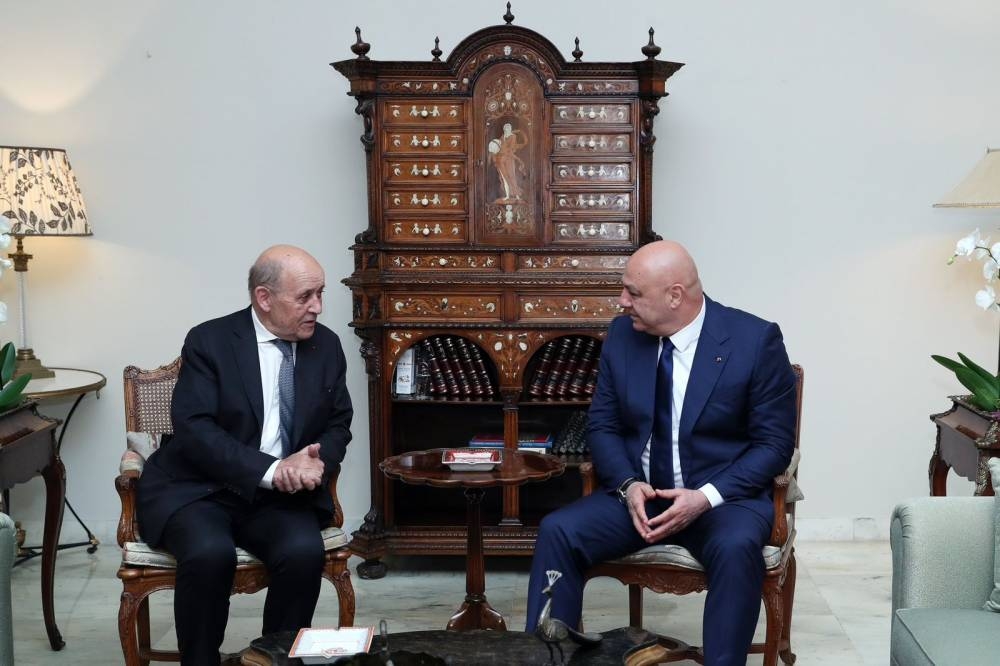
الرئيس عون خلال لقاء الموفد الفرنسي.


تابع قناة عكاظ على الواتساب
راوية حشمي (بيروت)@HechmiRawiya
The visit of the French envoy Jean-Yves Le Drian to Beirut yesterday (Tuesday) did not bring any significant new developments, aside from reiterating what had previously been announced in earlier rounds, with the same headlines being recycled this time in a more direct diplomatic language.
Le Drian, who met with the three Lebanese presidents, heard a unified official stance emphasizing the necessity of focusing on the reconstruction of what was destroyed in the recent war, and stressing the obligation of Israel to implement Resolution 1701, as well as extending the authority of the Lebanese state over the entire south, amid escalating Israeli violations and the deterioration of the border situation.
Despite Le Drian's insistence on reaffirming Paris's commitment to its traditional role towards Lebanon, it was clear that the French initiative is operating within narrow margins imposed by the American and Israeli positions, which still condition any actual assistance on the full implementation of international requirements.
Paris is ready to help, but it is waiting for Beirut to offer "something," even at a minimum level, so that it can rally actual international support to pull it out of its worsening crisis.
The visit came in a dual context: first, to assess the required reforms, which are considered an indispensable entry point for two anticipated conferences at the beginning of next year, one to support the Lebanese army and the other for the reconstruction of the affected areas. Second, to pave the way for a more stringent French stance regarding the southern security file and the implementation of Resolution 1701, especially in light of the international tensions that have begun to clearly emerge regarding the role of UNIFIL forces and their extension, against the backdrop of fears of a return to war or a further deterioration of the security situation.
French sources do not hide that Paris is no longer convinced of Lebanon's ability to continue turning a blind eye to the issue of Hezbollah's weapons, which it considers an obstacle to any political or economic recovery process. Hence, the French emphasis on linking reconstruction to southern stability and the implementation of international resolutions has become a settled matter for the international community, particularly the "Quintet Committee," which now sees that stability alone encourages donors to invest without fear of a return to destruction.
In conclusion, Le Drian's visit did not deviate from being a new stop in the context of external political pressure on the Lebanese state, without carrying any executive mechanism or creative initiative capable of breaking the deadlock. The visit remained within the limits of reiterating the same positions, while the internal Lebanese situation continues to deal with these issues with a sense of stagnation and reliance on time.
Le Drian, who met with the three Lebanese presidents, heard a unified official stance emphasizing the necessity of focusing on the reconstruction of what was destroyed in the recent war, and stressing the obligation of Israel to implement Resolution 1701, as well as extending the authority of the Lebanese state over the entire south, amid escalating Israeli violations and the deterioration of the border situation.
Despite Le Drian's insistence on reaffirming Paris's commitment to its traditional role towards Lebanon, it was clear that the French initiative is operating within narrow margins imposed by the American and Israeli positions, which still condition any actual assistance on the full implementation of international requirements.
Paris is ready to help, but it is waiting for Beirut to offer "something," even at a minimum level, so that it can rally actual international support to pull it out of its worsening crisis.
The visit came in a dual context: first, to assess the required reforms, which are considered an indispensable entry point for two anticipated conferences at the beginning of next year, one to support the Lebanese army and the other for the reconstruction of the affected areas. Second, to pave the way for a more stringent French stance regarding the southern security file and the implementation of Resolution 1701, especially in light of the international tensions that have begun to clearly emerge regarding the role of UNIFIL forces and their extension, against the backdrop of fears of a return to war or a further deterioration of the security situation.
French sources do not hide that Paris is no longer convinced of Lebanon's ability to continue turning a blind eye to the issue of Hezbollah's weapons, which it considers an obstacle to any political or economic recovery process. Hence, the French emphasis on linking reconstruction to southern stability and the implementation of international resolutions has become a settled matter for the international community, particularly the "Quintet Committee," which now sees that stability alone encourages donors to invest without fear of a return to destruction.
In conclusion, Le Drian's visit did not deviate from being a new stop in the context of external political pressure on the Lebanese state, without carrying any executive mechanism or creative initiative capable of breaking the deadlock. The visit remained within the limits of reiterating the same positions, while the internal Lebanese situation continues to deal with these issues with a sense of stagnation and reliance on time.


