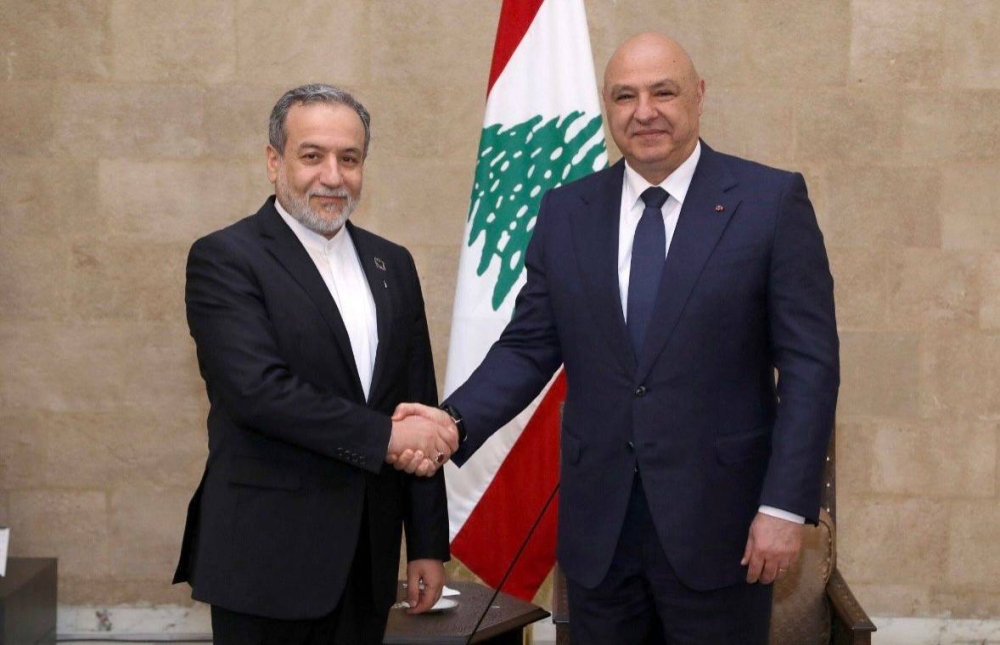
فيما وصفت زيارة وزير الخارجية الإيراني عباس عراقجي إلى بيروت اليوم (الثلاثاء) بأنها خاصة أكثر منها رسمية، لحضور حفل توقيع كتابه الجديد، إلا أن الزيارة حملت مؤشرات سياسية واضحة، بدأت من قصر بعبدا حيث التقى الرئيس اللبناني جوزيف عون في أول محطة له.
وفي بعبدا، أكد عراقجي دعم طهران لاستقلال لبنان وسيادته، معتبراً أن الحوار الوطني بين المكونات اللبنانية المدخل الأساس لحل الأزمات. وشدد على استمرار الدعم الإيراني ضمن إطار احترام السيادة وعدم التدخل في الشؤون الداخلية.
وجدد الرئيس عون تطلع لبنان إلى تطوير العلاقات مع إيران على قاعدة «دولة إلى دولة»، لافتاً إلى أن إعادة إعمار ما دمرته الحرب الإسرائيلية تشكل أولوية لدى الدولة اللبنانية، بالتعاون مع الدول الشقيقة والصديقة.
نبيه بري يلتقي وزير خارجية إيران.
في محطته الثانية من عين التينة، وبعد لقائه رئيس مجلس النواب نبيه بري، كشف عراقجي أنه أبلغ نظيره اللبناني عبدالله بو حبيب استعداد الشركات الإيرانية للمساهمة في ورشة إعادة الإعمار إذا رغبت الحكومة اللبنانية، مؤكداً دعم بلاده للجهود المبذولة لإخراج إسرائيل من الأراضي اللبنانية.
وتأتي زيارة عراقجي إلى بيروت بعد مراجعة إيرانية عميقة لسياستها الإقليمية، أفضت إلى انتقال تدريجي إلى سياسة «التراجع التكتيكي». ولم تعد طهران ترى مصلحة في الإنجرار إلى حرب إقليمية واسعة تسعى إليها إسرائيل. وعلى ضوء هذا التحول، عادت قنوات التفاوض مع الأمريكيين إلى العمل، وارتفع منسوب البراغماتية في الخطاب السياسي الإيراني.
ورغم أن إيران اختارت النأي بنفسها عسكرياً عن الحرب الإسرائيلية على حزب الله، إلا أن العلاقة بين الطرفين لم تهتز. بل إن طهران تواصل تقديم الدعم للحزب، وتعتبره شريكاً في المعادلة اللبنانية، وعنصراً من عناصر توازن الردع الإقليمي. لكن الجديد هو أن إيران باتت تفكر في الانتقال بعلاقتها بالحزب من الطور العسكري إلى طور سياسي تفاوضي، ينسجم مع التحولات الإقليمية، ومع سياسة أمريكية جديدة لا تسعى إلى إشعال الحروب، بل إلى إنهائها وفق قواعد تفاوضية جديدة.
في خلفية هذا التحول، إدراك إيراني بأن مرحلة الرئيس الأمريكي السابق جو بايدن التي أبقت الملف النووي في المرتبة الثانية أو الثالثة انتهت. أما مع عودة ترمب، فقد تُعاد صياغة الأولويات، بما فيها ملف الاتفاق مع إيران، في ظل واقع إقليمي تغيّر، وشرق أوسط يبحث عن استقرار جديد عبر التفاوض لا عبر وكلاء الحروب.
The visit of Iranian Foreign Minister Abbas Araghchi to Beirut today (Tuesday) was described as more special than official, as he attended the signing ceremony for his new book. However, the visit carried clear political indicators, starting from Baabda Palace where he met with Lebanese President Joseph Aoun in his first stop.
In Baabda, Araghchi affirmed Tehran's support for Lebanon's independence and sovereignty, considering that national dialogue among Lebanese components is the fundamental entry point for resolving crises. He emphasized the continuation of Iranian support within the framework of respecting sovereignty and non-interference in internal affairs.
President Aoun reiterated Lebanon's aspiration to develop relations with Iran on the basis of "state to state," noting that the reconstruction of what was destroyed by the Israeli war is a priority for the Lebanese state, in cooperation with brotherly and friendly countries.
نبيه بري يلتقي وزير خارجية إيران.
In his second stop at Ain al-Tineh, after meeting with Speaker of the Parliament Nabih Berri, Araghchi revealed that he informed his Lebanese counterpart Abdullah Bou Habib of the readiness of Iranian companies to contribute to the reconstruction efforts if the Lebanese government wishes, affirming his country's support for the efforts to remove Israel from Lebanese territories.
Araghchi's visit to Beirut comes after a deep Iranian review of its regional policy, which has led to a gradual shift towards a "tactical retreat" policy. Tehran no longer sees interest in being dragged into a wide regional war that Israel seeks. In light of this shift, negotiation channels with the Americans have resumed, and the level of pragmatism in Iranian political discourse has increased.
Although Iran has chosen to distance itself militarily from the Israeli war against Hezbollah, the relationship between the two parties has not been shaken. In fact, Tehran continues to provide support to the party, considering it a partner in the Lebanese equation and a component of regional deterrence balance. What is new is that Iran is now thinking of transitioning its relationship with the party from a military phase to a political negotiation phase, aligning with regional transformations and a new American policy that does not seek to ignite wars but to end them according to new negotiation rules.
In the background of this shift, there is an Iranian realization that the era of former U.S. President Joe Biden, which kept the nuclear file in second or third place, has ended. With Trump's return, priorities may be reshaped, including the file of the agreement with Iran, in light of a changed regional reality and a Middle East seeking new stability through negotiation rather than through war proxies.