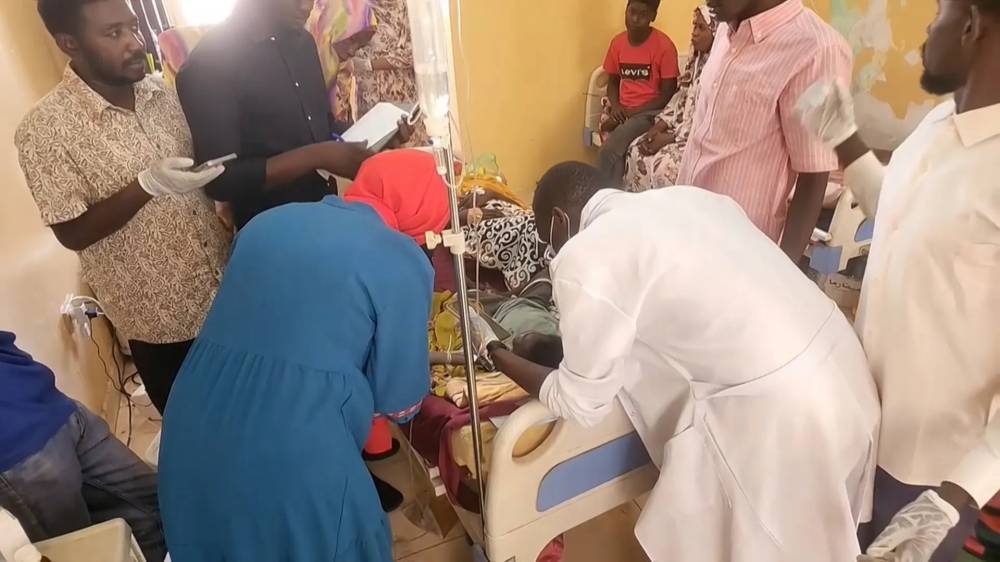
كشف وزير الصحة المكلف بولاية الخرطوم فتح الرحمن محمد الأمين أن إجمالي الحالات المصابة بالكوليرا في عموم الولاية بلغ 1031 حالة، معلناً شفاء 531 حالة، وخروجها من مراكز العزل.
وأعلن في تصريحات تلفزيونية، اليوم (الثلاثاء)، أن هناك انخفاضاً في أعداد الحالات بعد أن اتخذت السلطات العديد من التدابير الوقائية، كاشفاً استئناف ضخ المياه النظيفة من المحطات بعد عودة التيار الكهربائي، وتدشين عمليات التطعيم ضد الكوليرا في جبل الأولياء في جنوب الخرطوم مع زيادة فرق الاستجابة الطبية السريعة على الأرض.
وأفاد الوزير بإحالة أعداد كبيرة من المرضى المنومين في مراكز العزل التي كانت مكتظة إلى مراكز أخرى تم تجهيزها، لافتاً إلى أن هناك وفرة في الأسرة والعنابر والموقف الدوائي.
وتشهد الخرطوم منذ نحو شهر انتشاراً للإسهالات المائية والكوليرا في عدة محليات، ما دفع البعض إلى المطالبة بإعلان حالة الطوارئ الصحية، إلا أن السلطات أكدت سيطرتها على الوضع الصحي وعدم وصوله إلى «مرحلة الكارثة» التي تستدعي اتخاذ أي إجراءات استثنائية.
وانتشر وباء الكوليرا بعد قصف قوات الدعم السريع 3 محطات للكهرباء في أم درمان، ما أدى إلى توقف عمل محطات المياه نظراً لانقطاع التيار، ما جعل السكان يضطرون إلى استخدام مياه غير آمنة مثل الآبار السطحية أو المياه المسحوبة من النيل مباشرة، بحسب ما أورد موقع «سودان تربيون».
ووفق الموقع السوداني، فإن مدن العاصمة السودانية تشهد تفشياً متسارعاً لوباء الكوليرا، مؤكدا تسجيل نحو 2500 حالة إصابة بالمرض خلال الأسابيع الثلاثة الماضية بينها 500 حالة في يوم واحد.
ولفت إلى أنه مع خروج أكثر من 70% من مستشفيات البلاد عن الخدمة إما كلياً أو جزئياً، تعطلت إمكانية الحصول على الرعاية الصحية الأساسية بشدة في أجزاء كثيرة من العاصمة الخرطوم، مما جعلها إما غير متوفرة أو باهظة التكلفة.
The Minister of Health in Khartoum State, Fatih Al-Rahman Muhammad Al-Amin, revealed that the total number of cholera cases across the state has reached 1,031, announcing the recovery of 531 cases who have been discharged from isolation centers.
In television statements today (Tuesday), he announced that there has been a decrease in the number of cases after the authorities took several preventive measures, revealing the resumption of clean water supply from the stations following the return of electricity, and the launch of vaccination operations against cholera in Jebel Awliya in southern Khartoum, along with an increase in rapid medical response teams on the ground.
The minister reported the transfer of a large number of patients hospitalized in overcrowded isolation centers to other prepared centers, noting that there is an abundance of beds, wards, and medication supplies.
Khartoum has been experiencing an outbreak of watery diarrhea and cholera in several localities for about a month, prompting some to call for the declaration of a health emergency. However, the authorities confirmed their control over the health situation and that it has not reached a "disaster stage" that would necessitate any exceptional measures.
The cholera epidemic spread after the Rapid Support Forces bombed three electricity stations in Omdurman, leading to the shutdown of water stations due to power outages, forcing residents to resort to using unsafe water sources such as surface wells or water drawn directly from the Nile, according to the Sudan Tribune website.
According to the Sudanese website, the cities of the Sudanese capital are witnessing a rapid outbreak of cholera, confirming the registration of about 2,500 cases of the disease over the past three weeks, including 500 cases in a single day.
It pointed out that with more than 70% of the country's hospitals out of service either completely or partially, access to basic healthcare has been severely disrupted in many parts of the capital, Khartoum, making it either unavailable or prohibitively expensive.