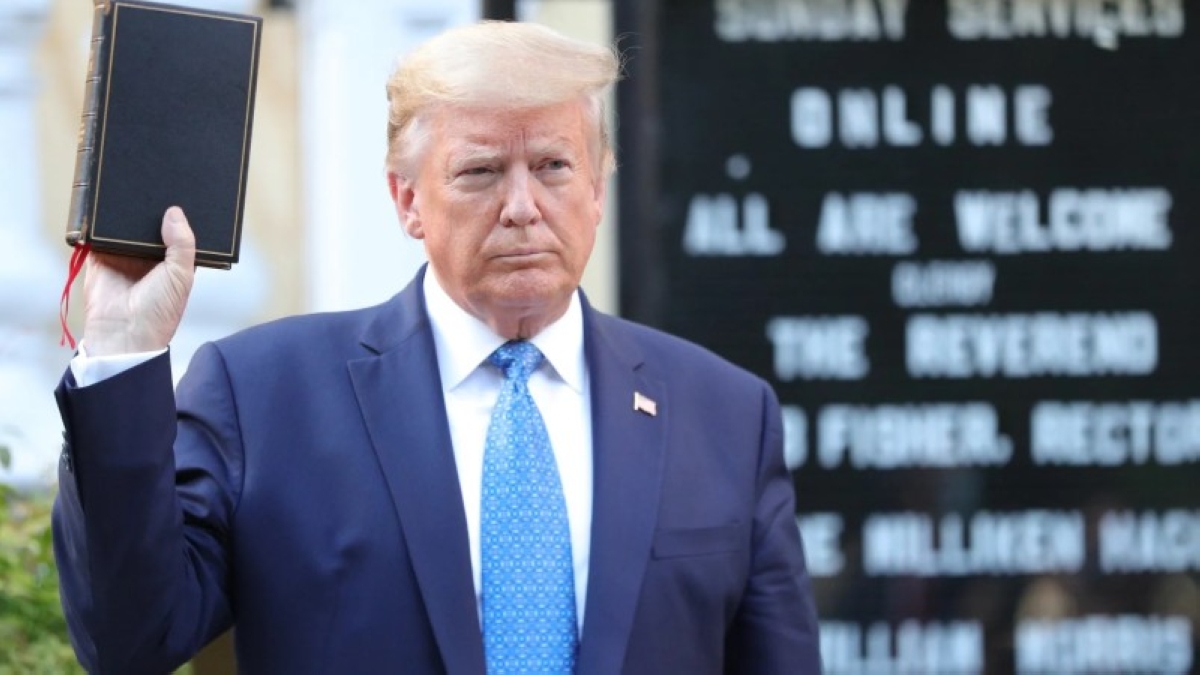
في عالم السياسة المعقد والمتشابك، حيث تُتخذ قرارات تحدد مصير شعوب بأكملها، يبدو أن الحديث عن «ما بعد الموت» و«الحساب الأخير» لم يختفِ من دائرة الاهتمام. بل على العكس، باتت مفردات مثل «الجنة» و«النار» جزءاً من أدوات السياسة الحديثة، يستخدمها القادة كوسيلة لتحويل الخطاب السياسي إلى شيء أعمق من مجرد مصالح دنيوية.
قد يبدو غريباً أن عقلا يدير القنابل النووية والاقتصادات العملاقة لا يزال منشغلاً بأسئلة الوجود الكبرى: ماذا بعد الموت؟ ولماذا؟ لكن الإجابة تتضح في السياسة التي لا تحكمها فقط المصالح المادية، بل أيضاً القناعات الروحية التي يشترك فيها القائد مع شعبه.
صفقة السماء.. هل السلام ثمن الجنة؟
في أغسطس الماضي، أثار الرئيس الأمريكي دونالد ترمب جدلاً واسعاً حين أعلن أن أحد دوافعه لإنهاء الصراعات الدولية، خصوصاً الحرب في أوكرانيا، هو رغبته في «دخول الجنة».
قال ترمب حينها بصراحة لافتة: «أريد أن أحاول دخول الجنة إن أمكن.. اسمع إنني لست على ما يُرام في السجل الإلهي، أنا حقاً في أدنى مستوياتي. ولكن إذا استطعت دخول الجنة، فسيكون هذا العمل من أجل السلام أحد الأسباب».
هنا، يتضح كيف يتحول عمل سياسي جليل مثل السعي إلى إنهاء حرب يقتل فيها آلاف الأبرياء، إلى «صفقة روحية» مع الخالق، إذ يقدم السياسي إنجازاً دنيوياً ضخماً كـ«بطاقة مرور» للنعيم الأبدي، كتعويض عن سجلّه الإنساني غير الكامل. إن هذه المقايضة بين العمل الدنيوي والنجاة السماوية تعكس لعبة حسابية معقدة، تتجاوز المواقف السياسية لتصل إلى عمق النفس البشرية.
لكن الغريب أن ترمب في تناقض لافت عاد وصرح يوم أمس بأنه قد لا يكون «متجهاً نحو الجنة» مطلقاً، وأضاف بحكمة دنيوية: «لا أعتقد أن هناك أي شيء سيجعلني أدخل الجنة.. لكنني جعلت الحياة أفضل لكثير من الناس».
في هذه العبارة، يبرز بعد آخر من حسابات السياسي: إذا لم يكن الخالق راضياً عنه، فليكن على الأقل محيطه البشري ممن استفادوا من حكمته. إنها محاولة لاستبدال الحساب السماوي بمحاسبة دنيوية، تبرر وجوده وتخفف من وطأة الحكم الإلهي المحتمل.
غطاء «مقدس» لقرارات جريئة
لم تقتصر استخدامات الدين والحديث عن الآخرة على ترمب فقط، بل كثيراً ما لجأ سياسيون كبار إلى هذه اللغة لجعل قراراتهم تبدو ذات مشروعية أخلاقية لا تقبل النقاش. جورج دبليو بوش، على سبيل المثال، استخدم خطاب الحرب على الإرهاب بعد أحداث 11 سبتمبر 2001 بصيغة صراع أخلاقي مطلق بين الخير والشر، حيث اعتقد أنصاره أنهم يخوضون «حرباً مقدسة» ضد قوى الشر المدعومة إلهياً.
الضعف الإنساني.. سلاح سياسي فعّال
لكن، لماذا ينجذب الناخبون إلى هذا النوع من التصريحات؟ لماذا تبدو كلمات مثل «الجنة والنار» قادرة على كسر الحواجز بين القائد والجمهور؟ إن الجواب على هذين السؤالين تكمن في استدعاء السياسي لصورته كبشر ضعيف، يعترف بمخاوفه من الحساب، ويسعى للمغفرة، وهو أمر يكسر جدار الغطرسة ويخلق رابطة إنسانية حقيقية.
وعندما يعترف ترمب بأنه «ليس متأكداً من دخوله الجنة»، فهو يعترف بحدود سلطته وموته المحتوم، وأن حسابه الأخير لا يمكن لأي قوة دنيوية أن تتفاوض بشأنه. وهذا الاعتراف، رغم تناقضه الظاهري، يمنحه ثقة إضافية لدى الناخبين الذين يبحثون عن قادة صادقين، حتى وإن كانت صدقهم يتخلله شكوك.
ويمكن القول إن السياسي الذكي يعرف أن خطاب الخلاص والآخرة هو أداة لتوحيد الناس حول فكرة أكبر من مجرد المصالح اليومية، فكرة تحرك الشعوب، وتمنح القادة شرعية تتجاوز الزمن.
In the complex and intertwined world of politics, where decisions are made that determine the fate of entire nations, discussions about "the afterlife" and "the final judgment" seem to have not disappeared from the sphere of interest. On the contrary, terms like "heaven" and "hell" have become part of the tools of modern politics, used by leaders as a means to transform political discourse into something deeper than mere worldly interests.
It may seem strange that a mind managing nuclear bombs and giant economies is still preoccupied with the great existential questions: What comes after death? And why? But the answer becomes clear in politics, which is governed not only by material interests but also by the spiritual convictions that the leader shares with their people.
The Deal with Heaven... Is Peace the Price of Paradise?
Last August, U.S. President Donald Trump sparked widespread controversy when he announced that one of his motivations for ending international conflicts, particularly the war in Ukraine, was his desire to "enter heaven."
Trump stated at the time quite candidly: "I want to try to get into heaven if I can... Listen, I'm not doing well on the divine record; I'm really at my lowest. But if I can get into heaven, this work for peace will be one of the reasons."
Here, it becomes clear how a noble political act like striving to end a war in which thousands of innocents are killed transforms into a "spiritual deal" with the Creator, as the politician offers a monumental worldly achievement as a "pass" to eternal bliss, compensating for their imperfect human record. This trade-off between worldly action and heavenly salvation reflects a complex arithmetic game that transcends political stances to reach the depths of the human soul.
However, it is strange that Trump, in a notable contradiction, stated yesterday that he may not be "heading towards heaven" at all, adding with worldly wisdom: "I don't think there's anything that will get me into heaven... but I made life better for a lot of people."
In this statement, another dimension of the politician's calculations emerges: if the Creator is not pleased with him, at least his human surroundings are those who benefited from his wisdom. It is an attempt to replace divine accountability with worldly justification, which legitimizes his existence and alleviates the weight of potential divine judgment.
A "Sacred" Cover for Bold Decisions
The use of religion and discussions about the afterlife are not limited to Trump alone; many prominent politicians have often resorted to this language to make their decisions appear to have an indisputable moral legitimacy. George W. Bush, for example, used the rhetoric of the war on terror after the events of September 11, 2001, in the form of an absolute moral struggle between good and evil, where his supporters believed they were waging a "holy war" against divinely supported forces of evil.
Human Weakness... An Effective Political Weapon
But why are voters drawn to this type of rhetoric? Why do words like "heaven and hell" seem capable of breaking down barriers between the leader and the public? The answer to these two questions lies in the politician's invocation of their image as a weak human, acknowledging their fears of judgment and seeking forgiveness, which breaks down the wall of arrogance and creates a genuine human bond.
When Trump admits that he is "not sure about entering heaven," he acknowledges the limits of his authority and his inevitable death, and that his final accounting cannot be negotiated by any worldly power. This acknowledgment, despite its apparent contradiction, grants him additional confidence among voters who seek sincere leaders, even if their sincerity is interspersed with doubts.
It can be said that the savvy politician knows that the discourse of salvation and the afterlife is a tool to unite people around an idea greater than mere daily interests, an idea that moves nations and grants leaders legitimacy that transcends time.