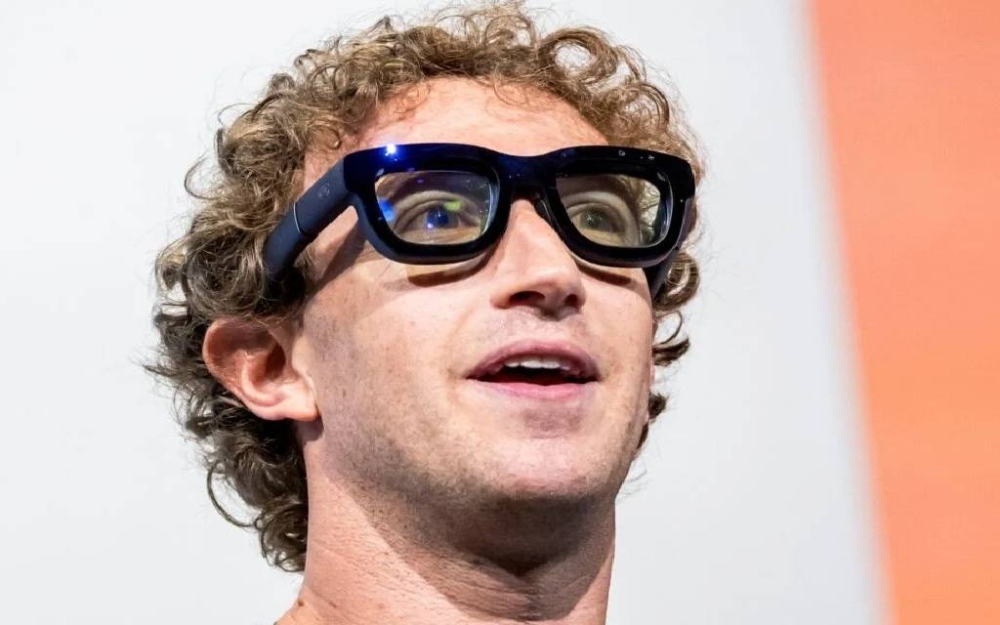
تعرضت الحلقة الأولى من بودكاست الفيديو The Information لانتكاسة خطيرة هذا الأسبوع بعد إيقاف مقابلة مع الرئيس التنفيذي لشركة Meta، مارك زوكربيرج، لأن مقدمي البودكاست لم يتمكنوا من تشغيل صوت الشخص الذي أجريت معه المقابلة.
وأطلقت The Information، التي تنشر بشكل روتيني تقارير متعلقة بصناعة التكنولوجيا، برنامج TITV هذا الأسبوع -وهو برنامج فيديو مباشر برعاية أمازون، والذي تصفه المنصة بأنه «الأول في أخبار وتحليلات التكنولوجيا من الأشخاص الذين يكسرون ويشكلون القصة». وكان من أبرز أحداث الحلقة الأولى من برنامج TITV مقابلة مُجدولة بين زوكربيرج ورئيسة تحرير برنامج «ذا إنفورميشن»، جيسيكا ليسين. لكن، عندما ظهر زوكربيرج في المقابلة، انقطع الصوت. لقد كان من الممكن رؤية زوكربيرج وليسين وهما يبتسمان ويتحدثان، لكن لم تصل كلمة واحدة إلى آذان المستمعين. في النهاية، وبعد دقيقتين أو ثلاث دقائق مُحرجة، اضطر مُقدم البودكاست، أكاش باسريشا، إلى التدخل. قال باسريشا: «لا أعتقد أن الصوت متوفر، وسنُنهي البرنامج عند هذه النقطة».
لا شك أنها بداية مؤسفة وغير رسمية للبرنامج، الذي كان يُعدّ بمثابة ردّ «ذا إنفورميشن» على برنامج الأخبار التقنية اليومي المؤثر «تي بي بي إن». وبالنظر إلى أن الاشتراك في «ذا إنفورميشن» تبلغ قيمته 40 دولاراً شهرياً، فمن المعتقد أنهم قادرون على تحمل تكلفة بعض الدعم الفني.
مع ذلك، ما كان زوكربيرج ليقدمه في الحوار أمرٌ مشكوكٌ فيه، فمعظم المقابلات التي شارك فيها ليست شيقةً بشكلٍ خاص، باستثناء بعض المواقف المضحكة غير المقصودة. ففي مقابلةٍ العام الماضي، قدّم لمحةً من الطرافة عندما روى حكايةً عن تحطيمه لحلم ابنته بأن تصبح تايلور سويفت التالية. وهو معروفٌ أيضاً بمقابلةٍ قديمةٍ جداً، تجلّت في معظمها وهو يتصبب عرقاً بغزارة.
ومن المنطقي أن يظهر زوكربيرج علناً الآن، فشركة ميتا كانت منشغلة جداً أخيراً. تُكثّف عملياتها في مجال الذكاء الاصطناعي سعياً منها لمنافسة كبرى الشركات في هذا المجال. بالإضافة إلى إطلاق «مختبر ذكاء خارق» جديد مُخصّص لتطوير طموحات الشركة في مجال الأتمتة، وأعلن زوكربيرج أخيراً عن خطط لبناء عدة مراكز بيانات بقدرة جيجاواط، والتي ستُشغّل المختبر. ويبدو أيضاً أن الشركة تُفكّر في تغيير نهجها والسعي إلى برامج مغلقة المصدر، بدلاً من برامج LLama مفتوحة المصدر.
The first episode of The Information's video podcast faced a serious setback this week after an interview with Meta's CEO, Mark Zuckerberg, was halted because the podcast hosts could not get the audio of the interviewee to work.
The Information, which routinely publishes reports related to the tech industry, launched the TITV program this week—a live video show sponsored by Amazon, which the platform describes as "the first in tech news and analysis from the people who break and shape the story." One of the highlights of the first episode of TITV was a scheduled interview between Zuckerberg and the editor-in-chief of The Information, Jessica Lessin. However, when Zuckerberg appeared for the interview, the sound cut out. Zuckerberg and Lessin could be seen smiling and talking, but not a single word reached the listeners' ears. Eventually, after two or three awkward minutes, the podcast host, Akash Basricha, had to step in. Basricha said, "I don’t think the audio is available, and we will end the program at this point."
It is undoubtedly an unfortunate and informal start for the program, which was intended as The Information's response to the influential daily tech news show, TBBN. Considering that a subscription to The Information costs $40 per month, it is believed they can afford some technical support.
However, what Zuckerberg would have contributed to the conversation is questionable, as most of the interviews he has participated in are not particularly interesting, except for some unintentional funny moments. In an interview last year, he offered a glimpse of humor when he recounted a story about shattering his daughter's dream of becoming the next Taylor Swift. He is also known for a very old interview, where he was mostly seen sweating profusely.
It makes sense for Zuckerberg to appear publicly now, as Meta has been very busy lately. It is ramping up its operations in artificial intelligence in an effort to compete with major companies in the field. In addition to launching a new "superintelligence lab" dedicated to developing the company's automation ambitions, Zuckerberg recently announced plans to build several gigawatt data centers that will power the lab. The company also seems to be considering changing its approach and moving towards closed-source software, instead of the open-source LLama software.