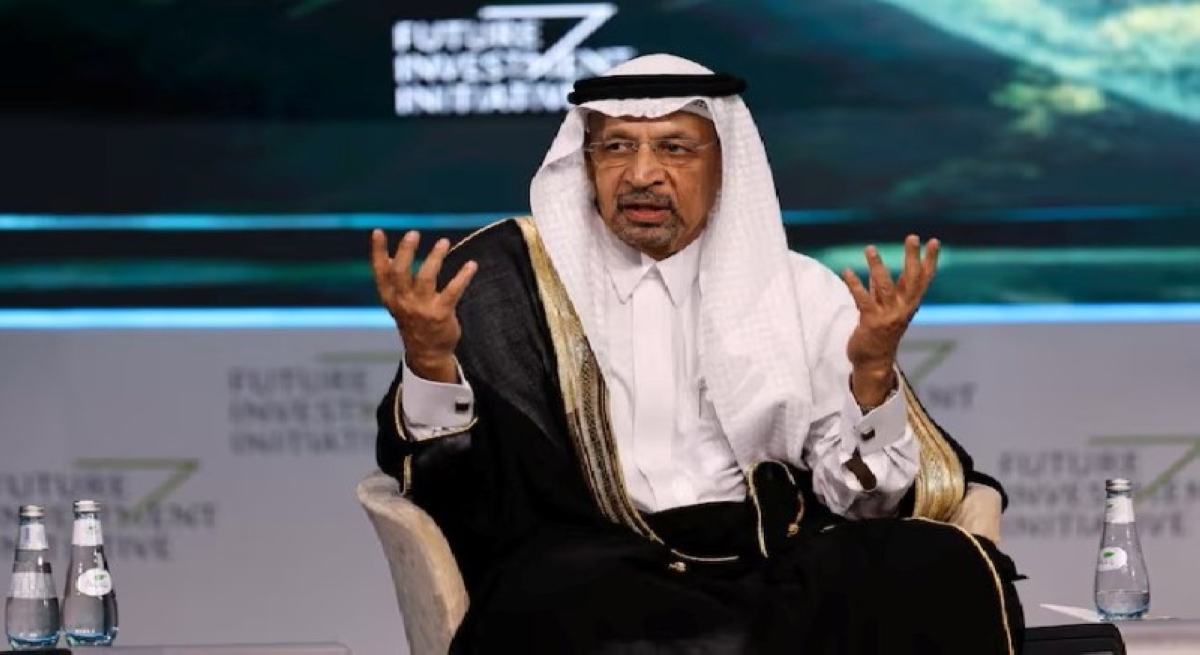
أعلن وزير الاستثمار خالد بن عبدالعزيز الفالح أن 85% من مبادرات وأهداف رؤية المملكة 2030 قد اكتملت أو تسير وفق المخطط لها حتى نهاية عام 2024، مؤكدا أن المملكة تشهد «تقدما استثنائيا في مسيرة التحول الاقتصادي والاجتماعي» نحو مستقبل أكثر تنوعا وازدهارا.
جاء تصريح الفالح خلال مشاركته في مؤتمر فورتشن غلوبال فوروم (Fortune Global Forum) الذي استضافته العاصمة الرياض، إذ أشار إلى أن هذا التقدم يعكس نجاح الجهود المبذولة خلال السنوات الماضية في تنويع الاقتصاد وجذب الاستثمارات وتطوير البنية التحتية، مضيفا أن «معظم المبادرات تجاوزت الأهداف الموضوعة لها أو حققت نتائج تفوق التوقعات».
وأوضح الوزير أن المملكة تمكنت حتى الآن من استقطاب المقرات الإقليمية لـ675 شركة عالمية إلى الرياض، وهو أحد المحاور الأساسية في خطة رؤية 2030 الهادفة إلى جعل العاصمة مركزا إقليميا رئيسيا للأعمال والاستثمار في الشرق الأوسط. وأكد أن هذه الخطوة تعزز من مكانة السعودية وجهة جاذبة للشركات متعددة الجنسيات وبيئة أعمال تنافسية على المستوى العالمي.
وتطرق الفالح إلى إعادة جدولة بعض المشاريع العملاقة أو إعادة تقييم أولوياتها، موضحا أن التعديل لا يعني التراجع، بل يمثل «إعادة تموضع إستراتيجي يضمن تحقيق الأهداف الكبرى بكفاءة واستدامة».
ومن بين أبرز المشاريع التي شهدت تغييرات في التنفيذ، أشار التقرير إلى مشروع مدينة نيوم المستقبلية الذي جرى تقليص نطاقه مؤقتا، بينما يجري التركيز على المشاريع الحيوية والبنية التحتية المرتبطة باستضافة بطولة كأس العالم 2034 التي تستعد المملكة لتنظيمها.
وتأتي هذه التصريحات قبل أيام من انطلاق مبادرة مستقبل الاستثمار (FII)، التي تجذب قادة المال والأعمال من مختلف أنحاء العالم إلى الرياض لمناقشة فرص الاستثمار والتحول الاقتصادي العالمي، إذ من المتوقع أن يتم خلالها الإعلان عن مزيد من الشراكات والمشروعات الجديدة ضمن رؤية 2030.
ويرى مراقبون أن وتيرة الإنجاز التي تسير بها المملكة تؤكد التزامها القوي بتحقيق الأهداف المرسومة في موعدها، مع مؤشرات واضحة على تحول حقيقي في بنية الاقتصاد الوطني وفي الدور الذي تلعبه السعودية إقليميا ودوليا.
Investment Minister Khalid bin Abdulaziz Al-Falih announced that 85% of the initiatives and goals of the Kingdom's Vision 2030 have been completed or are on track to be achieved by the end of 2024, affirming that the Kingdom is witnessing "exceptional progress in the journey of economic and social transformation" towards a more diverse and prosperous future.
Al-Falih made this statement during his participation in the Fortune Global Forum held in the capital, Riyadh, where he noted that this progress reflects the success of efforts made over the past years in diversifying the economy, attracting investments, and developing infrastructure, adding that "most initiatives have exceeded their set goals or achieved results that surpass expectations."
The minister explained that the Kingdom has so far managed to attract the regional headquarters of 675 global companies to Riyadh, which is one of the key pillars of the Vision 2030 plan aimed at making the capital a major regional hub for business and investment in the Middle East. He emphasized that this step enhances Saudi Arabia's position as an attractive destination for multinational companies and a competitive business environment on a global level.
Al-Falih also addressed the rescheduling of some mega-projects or the reassessment of their priorities, clarifying that the adjustment does not mean a retreat, but rather represents "a strategic repositioning that ensures the achievement of major goals efficiently and sustainably."
Among the most notable projects that have seen changes in execution, the report mentioned the NEOM future city project, which has had its scope temporarily reduced, while focusing on vital projects and infrastructure related to hosting the 2034 World Cup that the Kingdom is preparing to organize.
These statements come just days before the launch of the Future Investment Initiative (FII), which attracts leaders in finance and business from around the world to Riyadh to discuss investment opportunities and global economic transformation, during which more partnerships and new projects under Vision 2030 are expected to be announced.
Observers believe that the pace of achievement in the Kingdom confirms its strong commitment to achieving the set goals on time, with clear indicators of a real transformation in the structure of the national economy and the role that Saudi Arabia plays regionally and internationally.