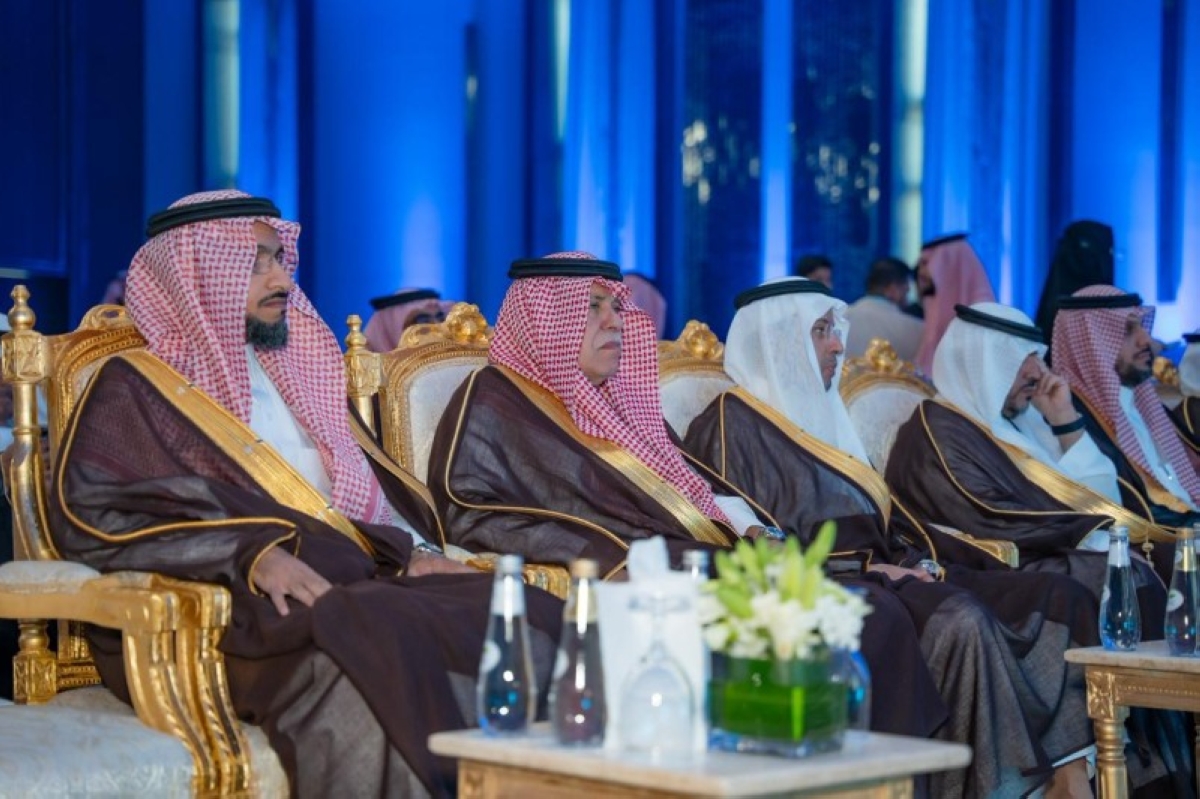
اختُتمت اليوم (الثلاثاء) في الرياض أعمال مؤتمر إيسار 2025، تحت رعاية وزير التجارة الدكتور ماجد بن عبدالله القصبي، بمشاركة أكثر من 800 متخصص و40 متحدثا من داخل المملكة وخارجها، ناقشوا على مدى يومين مستقبل إعادة الهيكلة واستمرارية الأعمال والاستدامة الاقتصادية في ظل التحولات المتسارعة التي يشهدها الاقتصاد السعودي والعالمي.
مؤتمر إيسار 2025
وشكّل المؤتمر منصة حوارية جمعت نخبة من الخبراء وصنّاع القرار والجهات التنظيمية والمؤسسات المالية لبحث الحلول المبتكرة في حماية الاستثمارات وضمان النمو، إلى جانب استعراض أفضل الممارسات العالمية في إدارة التعثر المالي والتخطيط الاستباقي، وتسليط الضوء على التطورات التشريعية والتنظيمية التي أسهمت في خلق بيئة أعمال أكثر أمانا وجاذبية.
وأكد نائب رئيس اللجنة الوطنية لأمناء الإفلاس خالد هوساوي في تصريح لـ«عكاظ» أن المؤتمر يسعى إلى توعية رجال الأعمال بأهمية إعادة هيكلة الشركات والمؤسسات المتعثرة، وتمكينها من الانتقال من حالة التعثر إلى التوازن والاستدامة المالية، مشيرا إلى أن تبنّي ثقافة الإنقاذ وإعادة التنظيم يسهم في تقليل الخسائر والمحافظة على فرص العمل.
مؤتمر إيسار 2025
وأوضح المحامي المختص في قضايا الإفلاس وإعادة الهيكلة يوسف بن هاني المدني لـ«عكاظ» أن نظام الإفلاس الذي أقرته السعودية يمثل نقلة نوعية في المنظومة القانونية، مشيدا بالدعم التشريعي الذي أتاح للشركات المتعثرة إيجاد حلول مرنة وعادلة تُمكّنها من الاستمرار بدلا من التصفية، عبر مسارات متنوعة توازن بين حقوق الدائنين واستدامة المنشآت.
واختُتمت أعمال المؤتمر بتوصيات أكدت أهمية تعزيز الوعي التشريعي لدى قطاع الأعمال، وتكثيف برامج الإنذار المبكر لرصد المخاطر المالية، وتشجيع التحول من ثقافة التصفية إلى ثقافة الإنقاذ، بما يعزز استدامة الاقتصاد الوطني ويدعم مستهدفات «رؤية السعودية 2030».
The ISAR 2025 conference concluded today (Tuesday) in Riyadh, under the patronage of the Minister of Commerce, Dr. Majid bin Abdullah Al-Qasabi, with the participation of more than 800 specialists and 40 speakers from within and outside the Kingdom. They discussed over two days the future of restructuring, business continuity, and economic sustainability in light of the rapid transformations occurring in the Saudi and global economies.
مؤتمر إيسار 2025
The conference served as a dialogue platform that brought together a select group of experts, decision-makers, regulatory bodies, and financial institutions to explore innovative solutions for protecting investments and ensuring growth, alongside showcasing global best practices in managing financial distress and proactive planning, while highlighting the legislative and regulatory developments that have contributed to creating a safer and more attractive business environment.
Deputy Chairman of the National Committee for Bankruptcy Trustees, Khalid Hawsawi, stated in a comment to “Okaz” that the conference aims to raise awareness among businesspeople about the importance of restructuring distressed companies and institutions, enabling them to transition from a state of distress to financial balance and sustainability. He pointed out that adopting a culture of rescue and reorganization helps reduce losses and maintain job opportunities.
مؤتمر إيسار 2025
Lawyer Yusuf bin Hani Al-Madani, specializing in bankruptcy and restructuring cases, explained to “Okaz” that the bankruptcy system approved by Saudi Arabia represents a qualitative leap in the legal framework, praising the legislative support that has allowed distressed companies to find flexible and fair solutions that enable them to continue instead of liquidation, through various pathways that balance the rights of creditors and the sustainability of enterprises.
The conference concluded with recommendations emphasizing the importance of enhancing legislative awareness within the business sector, intensifying early warning programs to monitor financial risks, and encouraging the shift from a liquidation culture to a rescue culture, which enhances the sustainability of the national economy and supports the objectives of “Saudi Vision 2030.”