


أكّد رئيس مدينة الملك عبدالعزيز للعلوم والتقنية (كاكست) الدكتور منير محمود الدسوقي، التزام المملكة بتحقيق الحياد الصفري بحلول 2060، من خلال إستراتيجية ابتكار وطنية تركز على توسيع حلول الطاقة النظيفة، والاستثمار في التقنيات العميقة التي تمثل 40% من خفض الانبعاثات المستقبلية؛ لتحقيق الاستدامة ضمن مستهدفات رؤية 2030.
جاء ذلك، خلال مشاركته في جلسة حوارية بعنوان «الطريق إلى الاستدامة نحو مجتمع خالٍ من الكربون»، ضمن أعمال منتدى العلوم والتقنية في المجتمع (STS)، الذي يناقش قضايا التقدم العلمي والتقني وتأثيرها على حاضر ومستقبل البشرية، ويُعقد سنويا في مدينة كيوتو اليابانية؛ بحضور إمبراطور اليابان ناروهيتو، ورئيس الوزراء الياباني الرئيس الفخري للمنتدى شيغيرو إيشيبا، ونخبة من قادة مؤسسات البحث والابتكار، وقادة القطاع الصناعي، وممثلي المنظمات الدولية. وقال الدسوقي: «إن المملكة تتبنى نهج الاقتصاد الدائري للكربون إطارا عمليا وشاملا لتحقيق مستهدفاتها الوطنية ضمن رؤية المملكة 2030، إذ تسعى للوصول إلى الحياد الصفري بحلول 2060، من خلال مبادرات نوعية تشمل خفض 278 مليون طن سنويا من الانبعاثات الكربونية وزراعة 10 مليارات شجرة ضمن مبادرة السعودية الخضراء، إضافة إلى التقاط 44 مليون طن سنويا من ثاني أكسيد الكربون بحلول 2035، وتحقيق مزيج طاقة نظيف بنسبة 50% بحلول 2030. وأوضح الدسوقي، أن المملكة أطلقت عددا من المشروعات الرائدة مثل: مركز التقاط الكربون في أرامكو، وأنظمة كبرى لتخزين البطاريات في بيشة، ومنشآت للهيدروجين الأخضر والأمونيا في نيوم، التي تسهم جميعها في تعزيز أمن الطاقة والتنافسية الصناعية، منوها بالشراكات الدولية مع جامعة كاليفورنيا بيركلي في أبحاث الطاقة النظيفة وتحلية المياه والتقاط الكربون، ودعم تطبيقات الذكاء الاصطناعي المحلية في موسم الحج لتعزيز المراقبة اللحظية واتخاذ القرار بكفاءة أعلى.
وبين الدسوقي، أن البحث والتطوير يشكلان المحرك الرئيس لتحقيق الاستدامة، إذ تقود «كاكست» بوصفها المختبر الوطني وواحات للابتكار برامج بحثية لتحويل النفايات الكربونية إلى وقود هيدروجيني، وتطوير تقنيات لاستخلاص المياه من البيئات الصحراوية، وزيادة كفاءة الألواح الشمسية في المناخ الصحراوي، إلى جانب تبني تقنيات المستقبل في مجالات أشباه الموصلات، والذكاء الاصطناعي، والأقمار الصناعية، لمراقبة التصحر والانبعاثات وإدارة المياه.
رئيس «كاكست»: المملكة ملتزمة بتوسيع حلول الطاقة النظيفة وتحقيق الحياد الصفري
8 أكتوبر 2025 - 05:11
|
آخر تحديث 8 أكتوبر 2025 - 05:11
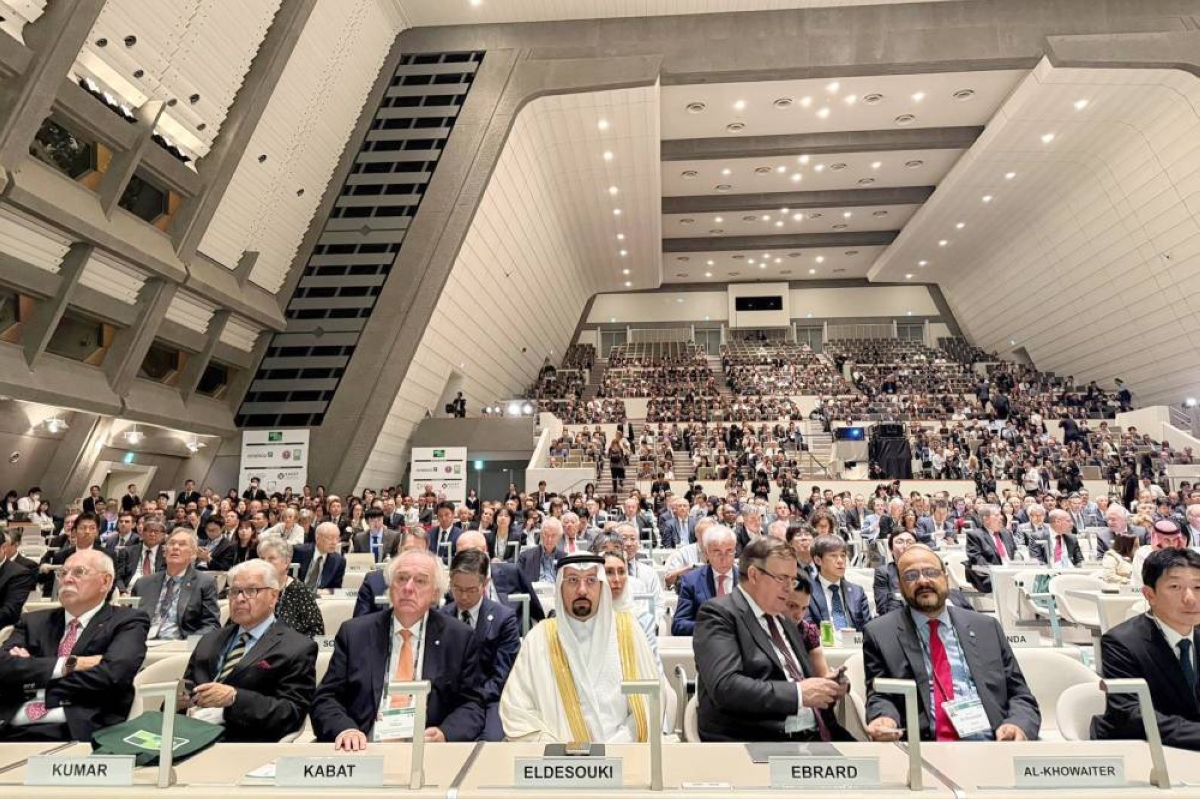
رئيس «كاكست» خلال مشاركته في الجلسة الحوارية. (واس)


تابع قناة عكاظ على الواتساب
«عكاظ» (كيوتو) OKAZ_online@
The President of King Abdulaziz City for Science and Technology (KACST), Dr. Munir Mahmoud Al-Dosouki, confirmed the Kingdom's commitment to achieving net-zero emissions by 2060 through a national innovation strategy that focuses on expanding clean energy solutions and investing in deep technologies that represent 40% of future emissions reductions; to achieve sustainability within the targets of Vision 2030.
This came during his participation in a panel session titled "The Road to Sustainability Towards a Carbon-Free Society," as part of the Science and Technology in Society (STS) Forum, which discusses issues of scientific and technological advancement and their impact on the present and future of humanity. The forum is held annually in Kyoto, Japan, with the presence of Emperor Naruhito of Japan, the honorary president of the forum, Prime Minister Shigeru Ishiba, a group of leaders from research and innovation institutions, industrial sector leaders, and representatives of international organizations. Al-Dosouki stated: "The Kingdom adopts a circular carbon economy approach as a practical and comprehensive framework to achieve its national targets within the Kingdom's Vision 2030, as it aims to reach net-zero emissions by 2060 through qualitative initiatives that include reducing 278 million tons of carbon emissions annually and planting 10 billion trees as part of the Saudi Green Initiative, in addition to capturing 44 million tons of carbon dioxide annually by 2035, and achieving a clean energy mix of 50% by 2030." Al-Dosouki explained that the Kingdom has launched several pioneering projects such as the carbon capture center at Aramco, major battery storage systems in Bisha, and facilities for green hydrogen and ammonia in NEOM, all of which contribute to enhancing energy security and industrial competitiveness, noting international partnerships with the University of California, Berkeley in clean energy research, water desalination, and carbon capture, as well as supporting local artificial intelligence applications during the Hajj season to enhance real-time monitoring and decision-making with greater efficiency.
Al-Dosouki indicated that research and development are the main drivers for achieving sustainability, as KACST, as the national laboratory and innovation oasis, leads research programs to convert carbon waste into hydrogen fuel, develop technologies for extracting water from desert environments, and increase the efficiency of solar panels in desert climates, in addition to adopting future technologies in the fields of semiconductors, artificial intelligence, and satellites to monitor desertification, emissions, and water management.
This came during his participation in a panel session titled "The Road to Sustainability Towards a Carbon-Free Society," as part of the Science and Technology in Society (STS) Forum, which discusses issues of scientific and technological advancement and their impact on the present and future of humanity. The forum is held annually in Kyoto, Japan, with the presence of Emperor Naruhito of Japan, the honorary president of the forum, Prime Minister Shigeru Ishiba, a group of leaders from research and innovation institutions, industrial sector leaders, and representatives of international organizations. Al-Dosouki stated: "The Kingdom adopts a circular carbon economy approach as a practical and comprehensive framework to achieve its national targets within the Kingdom's Vision 2030, as it aims to reach net-zero emissions by 2060 through qualitative initiatives that include reducing 278 million tons of carbon emissions annually and planting 10 billion trees as part of the Saudi Green Initiative, in addition to capturing 44 million tons of carbon dioxide annually by 2035, and achieving a clean energy mix of 50% by 2030." Al-Dosouki explained that the Kingdom has launched several pioneering projects such as the carbon capture center at Aramco, major battery storage systems in Bisha, and facilities for green hydrogen and ammonia in NEOM, all of which contribute to enhancing energy security and industrial competitiveness, noting international partnerships with the University of California, Berkeley in clean energy research, water desalination, and carbon capture, as well as supporting local artificial intelligence applications during the Hajj season to enhance real-time monitoring and decision-making with greater efficiency.
Al-Dosouki indicated that research and development are the main drivers for achieving sustainability, as KACST, as the national laboratory and innovation oasis, leads research programs to convert carbon waste into hydrogen fuel, develop technologies for extracting water from desert environments, and increase the efficiency of solar panels in desert climates, in addition to adopting future technologies in the fields of semiconductors, artificial intelligence, and satellites to monitor desertification, emissions, and water management.


