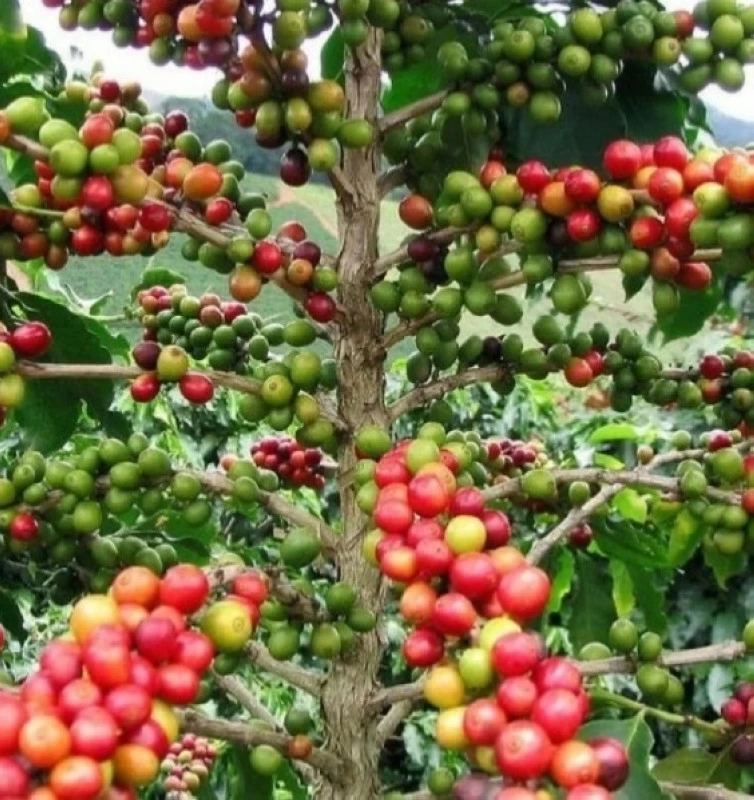
حسمت المملكة ملف حماية شتلات البن بفرض حجر نباتي إلزامي لمدة عامين كاملين على جميع الشتلات المستوردة قبل السماح بتداولها أو استخدامها كأمهات للإكثار، مع حظر استيراد الشتلات المنتجة من أصول محورة وراثياً.
وأصدر القرار الرئيس التنفيذي للمركز الوطني للوقاية من الآفات النباتية والأمراض الحيوانية ومكافحتها «وقاء» المهندس أيمن الغامدي، متضمناً اعتماد شروط استيراد وتداول شتلات البن في المملكة، والعمل به بدءا من اليوم (الجمعة)، وإلغاء ما يتعارض معه من قرارات سابقة.
واشترط القرار للحصول على إذن الاستيراد تقديم شهادة صحة نباتية صادرة من الجهة المختصة في بلد المنشأ، وأن تكون الشتلات منتجة في مشاتل معتمدة وخاضعة لإشراف رسمي، مع إجراء فحص مخبري قبل الشحن بمدة لا تتجاوز (15) يوماً. كما أوجب خلو الإرساليات من الآفات الحجرية والآفات الخاضعة للوائح، ومن أبرزها بكتيريا Xylella fastidiosa، إلى جانب عدد من الفطريات والنيماتودا والحشرات المحددة في القائمة التنظيمية.
ويقضي القرار بإخضاع الإرساليات للفحص الظاهري والمخبري في منافذ الدخول، مع سحب عينات بنسبة (1%) وفق مستوى كشف يبلغ 95%. وفي حال الاشتباه أو ثبوت الإصابة، يتم حجز الإرسالية واتخاذ الإجراءات النظامية التي قد تصل إلى الإتلاف.
وعلى صعيد الإنتاج المحلي، قصر القرار إنتاج شتلات البن على الأصناف المسجلة رسمياً في المملكة، مع إلزام المشاتل بالابتعاد عن المناطق الموبوءة واستخدام تربة وبيئات زراعية ومياه ري خالية من المسببات المرضية ومعتمدة من وزارة البيئة والمياه والزراعة. كما أخضع المشاتل لزيارات تفتيشية دورية من مفتشي «وقاء»، ومنع نقل أو تداول الشتلات بين المناطق أو المزارع إلا بعد الحصول على «شهادة نقل» تثبت اجتياز الفحص الميداني والمخبري.
وأكد القرار أنه في حال ظهور إصابة ببكتيريا Xylella fastidiosa أو غيرها من الآفات الخاضعة للوائح، تطبق إجراءات المكافحة والحجر والإتلاف وفق الأنظمة المعتمدة، في خطوة تعزز منظومة الوقاية النباتية وتحمي استثمارات قطاع البن في المملكة.
The Kingdom has resolved the issue of protecting coffee seedlings by imposing a mandatory plant quarantine for a full two years on all imported seedlings before allowing their trade or use as mother plants for propagation, along with a ban on importing seedlings produced from genetically modified sources.
The decision was issued by the CEO of the National Center for Plant Pest and Animal Disease Prevention and Control, "Waqiah," Engineer Ayman Al-Ghamdi, and includes the adoption of conditions for the import and trade of coffee seedlings in the Kingdom, effective from today (Friday), and the cancellation of any previous conflicting decisions.
The decision requires that to obtain an import permit, a phytosanitary certificate issued by the competent authority in the country of origin must be presented, and that the seedlings be produced in accredited nurseries under official supervision, with a laboratory test conducted no more than 15 days prior to shipping. It also mandates that shipments be free from quarantine pests and pests subject to regulations, including the Xylella fastidiosa bacteria, along with several fungi, nematodes, and insects specified in the regulatory list.
The decision stipulates that shipments are subject to visual and laboratory inspection at entry points, with samples taken at a rate of 1% at a detection level of 95%. In case of suspicion or confirmed infection, the shipment will be detained, and legal procedures may lead to destruction.
Regarding local production, the decision limits the production of coffee seedlings to varieties officially registered in the Kingdom, requiring nurseries to avoid infested areas and to use soil, agricultural environments, and irrigation water free from pathogenic causes and approved by the Ministry of Environment, Water, and Agriculture. Nurseries are also subject to periodic inspections by "Waqiah" inspectors, and the transfer or trade of seedlings between regions or farms is prohibited unless a "Transfer Certificate" is obtained, proving that the field and laboratory tests have been passed.
The decision confirmed that in the event of an infection by Xylella fastidiosa bacteria or other regulated pests, control, quarantine, and destruction procedures will be applied according to the approved regulations, in a step that enhances the plant protection system and protects investments in the coffee sector in the Kingdom.