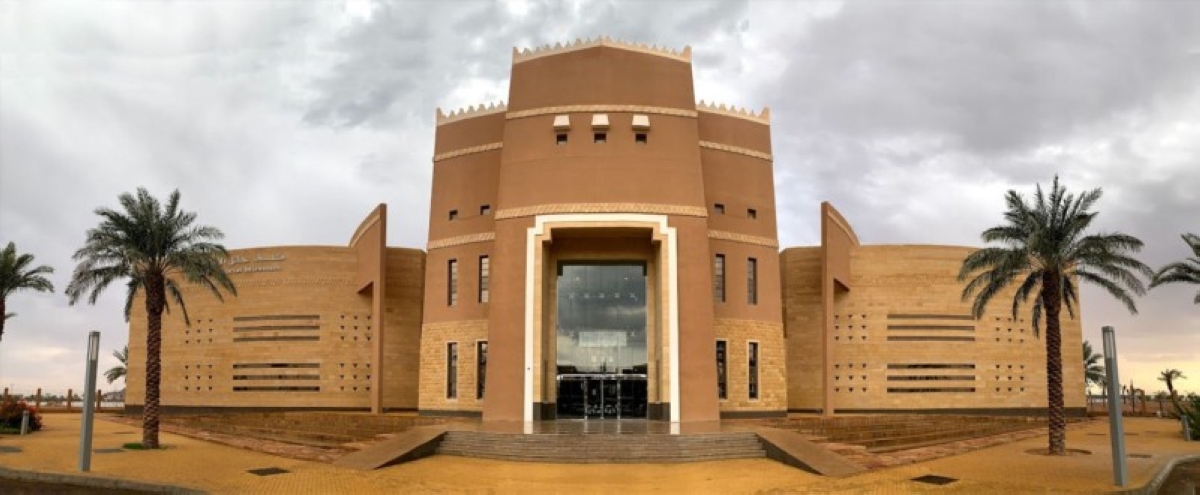
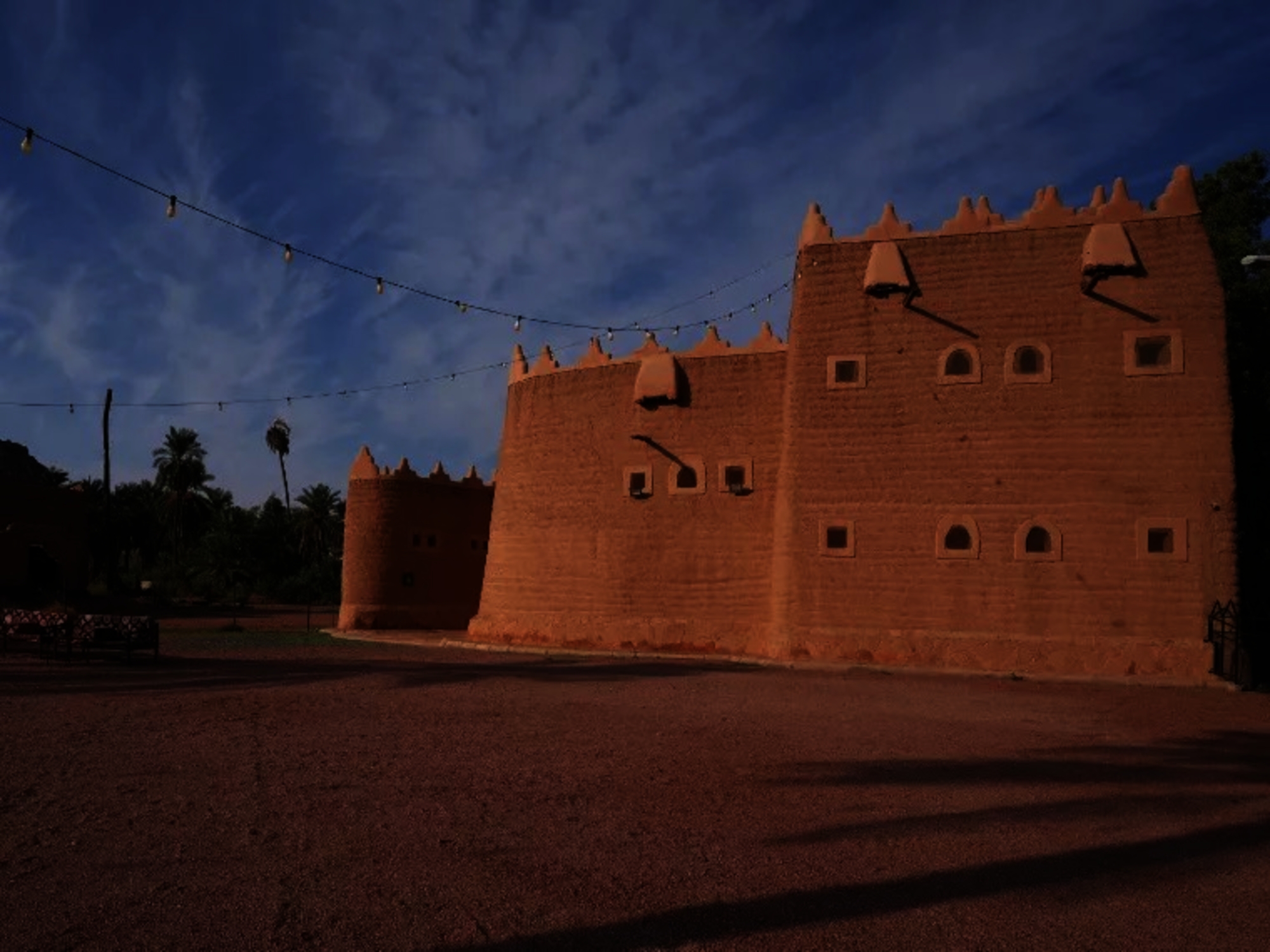
وصفت العمارة السعودية منطقة حائل بأنها أرض الجبال والوديان التي ألهمت تفاصيل العمارة النجدية، فهنا تمازجت الطبيعة مع الهوية، وولدت ملامح معمارية تعكس الأصالة والابتكار في آن واحد. ومع بدء تطبيق العمارة السعودية في حائل، جاءت التصاميم بانسجام مع المكان، مستوحية عناصرها من الجبال والواحات الخصبة، لتستمر كجزء من مشاريع كبرى ومبانٍ تجارية تحمل الطابع المحلي في إطار حديث.
وقال برنامج العمارة السعودية بدأ تطبيق العمارة السعودية في حائل، بانسجام تصاميمها مع طبيعة المكان، مستوحية عناصرها من الجبال والواحات الخصبة ويستمر التطبيق للعمارة السعودية للمشاريع الكبرى والمباني التجارية.
تاريخ العمارة في حائل:
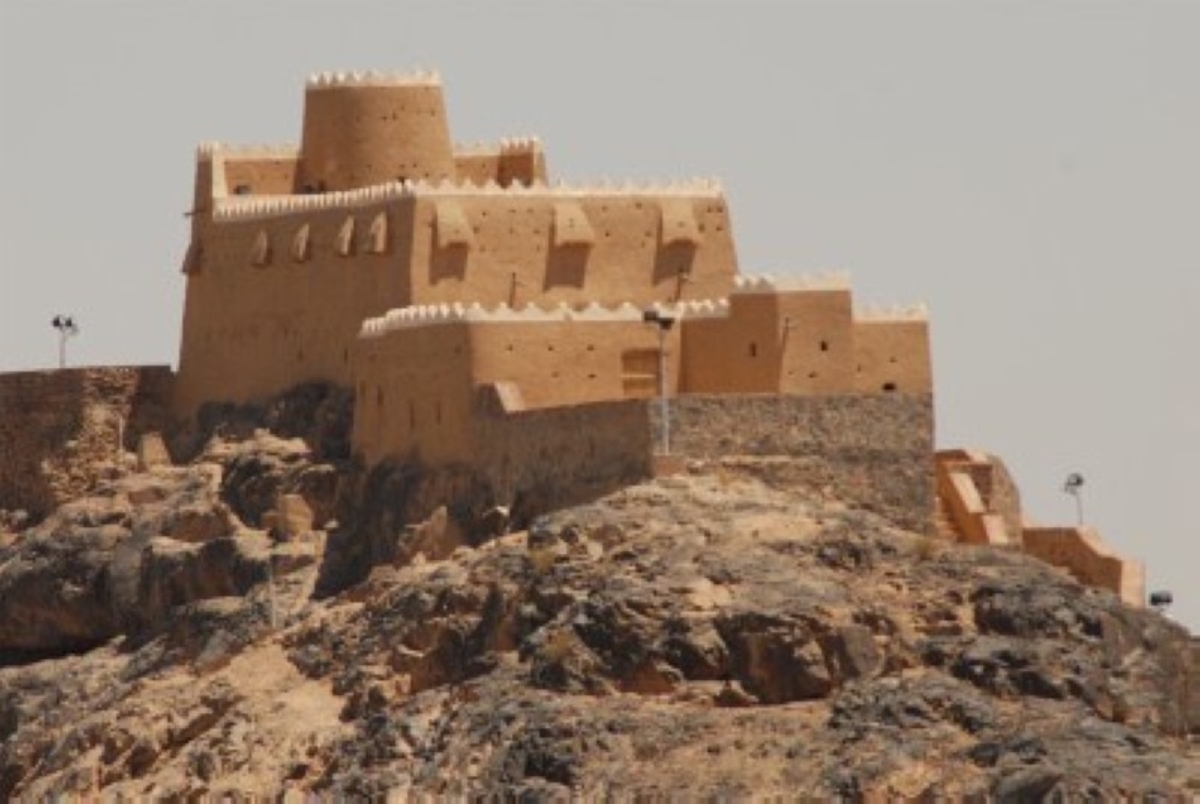
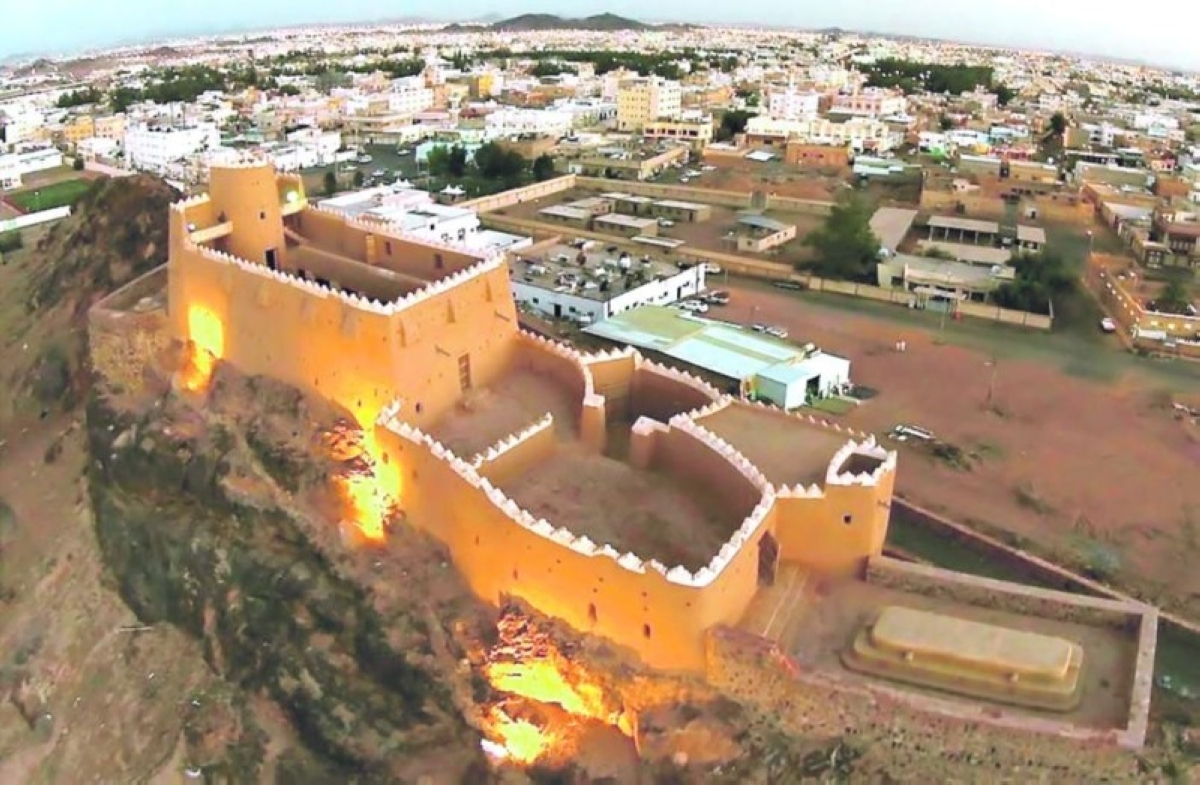
لمنطقة حائل تاريخ معماري ضارب في القدم، يمتد إلى عصور ما قبل الإسلام، حيث كشفت الرسوم الصخرية في جبالها عن أنماط حياة إنسان المنطقة. وفي قلب المدينة تقف قلعة إعيرف شاهدًا على مراحل البناء الطيني والدفاعي، التي عُرفت بها حائل منذ مئات السنين.
اعتمدت العمارة التقليدية في حائل على مواد البيئة المحلية كالطين والحصى والقش، فجاءت الجدران سميكة لتقي من حرارة الصيف وبرد الشتاء، والنوافذ صغيرة لتحقيق الخصوصية والعزل الحراري، فيما أضفت الزخارف الجصّية والأقواس والنقوش الهندسية لمسة جمالية على الطراز المعروف بـ«الطراز الحائلي» كجزء من المدرسة النجدية.
من التراث إلى المعاصرة:
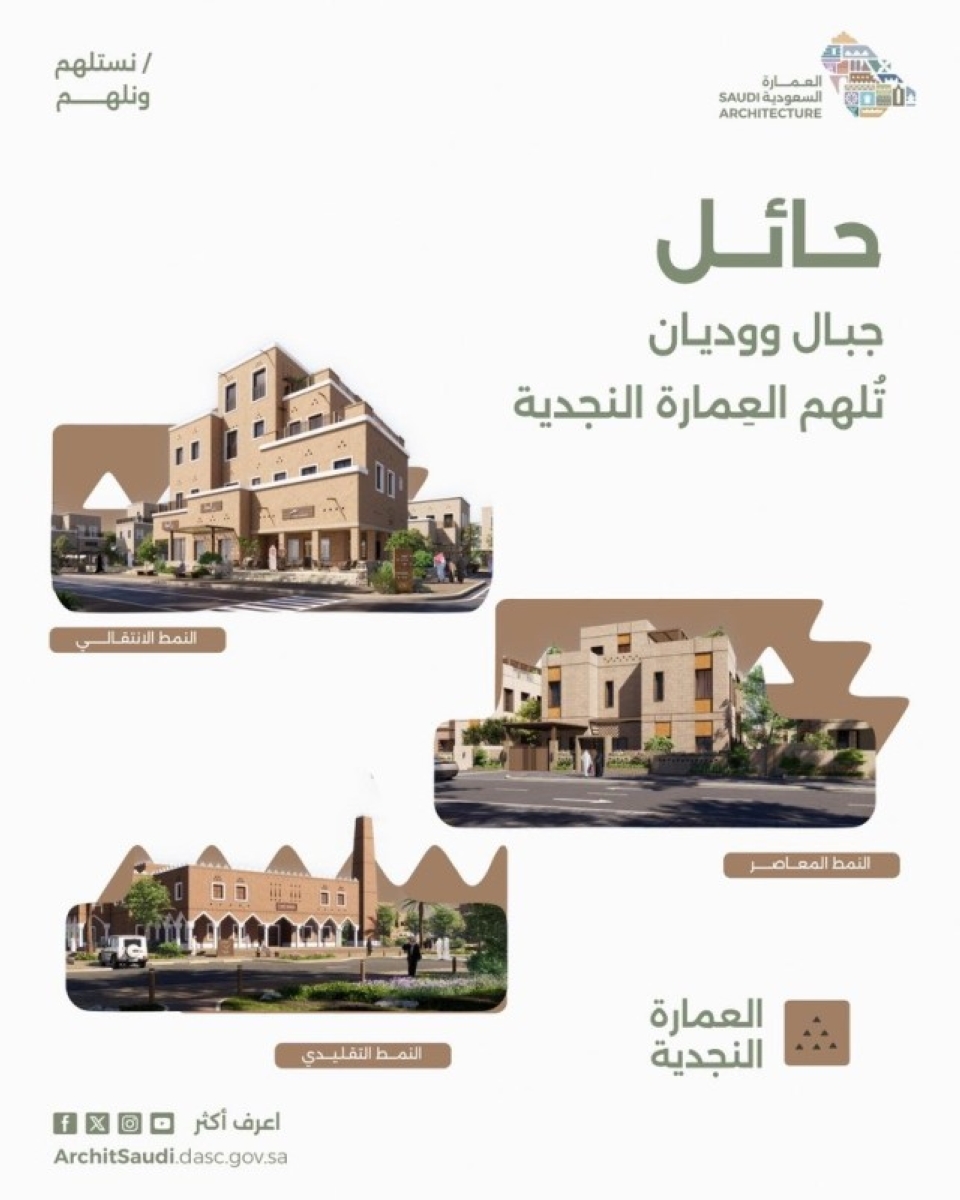
ومع التحولات العمرانية الحديثة، سعت حائل إلى التوفيق بين الحفاظ على هويتها وبين متطلبات التوسع الحضري. في التخطيط العمراني للمدينة، رُوعيت طبيعتها الجبلية والأودية ومسارات السيول، لتكون البنية العمرانية امتدادًا لروح المكان. واليوم، يطبق برنامج العمارة السعودية أنماطًا متعددة:
النمط التقليدي: يحافظ على هوية الطراز النجدي الحائلي.
النمط الانتقالي: يمزج بين أصالة الماضي واحتياجات الحاضر.
النمط المعاصر: يفتح آفاق الابتكار دون أن ينفصل عن البيئة والهوية.
رؤية للمستقبل:
أصبحت حائل مختبرًا حيًا لتطبيق العمارة السعودية، حيث يتحول التراث إلى مصدر إلهام، والتاريخ إلى رصيد حضاري، والهوية المعمارية إلى أحد أعمدة التنمية العمرانية، بما ينسجم مع مستهدفات رؤية 2030 في جعل العمارة جزءًا من اقتصاد المكان وثقافته.
The Saudi architecture described the Hail region as the land of mountains and valleys that inspired the details of Najdi architecture. Here, nature blended with identity, giving birth to architectural features that reflect authenticity and innovation at the same time. With the start of applying Saudi architecture in Hail, the designs harmonized with the place, drawing their elements from the mountains and fertile oases, continuing as part of major projects and commercial buildings that carry a local character within a modern framework.
The Saudi architecture program stated that the application of Saudi architecture in Hail began, with designs harmonizing with the nature of the place, drawing their elements from the mountains and fertile oases, and the application of Saudi architecture continues for major projects and commercial buildings.
The History of Architecture in Hail:
The Hail region has an ancient architectural history that dates back to pre-Islamic times, where rock carvings in its mountains revealed the lifestyles of the region's people. In the heart of the city stands the A'irf Castle, a testament to the stages of earthen and defensive construction that Hail has been known for over hundreds of years.
Traditional architecture in Hail relied on local environmental materials such as clay, gravel, and straw, resulting in thick walls to protect against the summer heat and winter cold, with small windows to ensure privacy and thermal insulation, while plaster decorations, arches, and geometric engravings added an aesthetic touch to the style known as "Hail style" as part of the Najdi school.
From Heritage to Modernity:
With modern urban transformations, Hail sought to reconcile preserving its identity with the requirements of urban expansion. In the urban planning of the city, its mountainous nature, valleys, and flood paths were taken into account, making the urban structure an extension of the spirit of the place. Today, the Saudi architecture program applies multiple styles:
The traditional style: maintains the identity of the Najdi Hail style.
The transitional style: blends the authenticity of the past with the needs of the present.
The contemporary style: opens avenues for innovation without separating from the environment and identity.
A Vision for the Future:
Hail has become a living laboratory for applying Saudi architecture, where heritage transforms into a source of inspiration, history into a cultural asset, and architectural identity into one of the pillars of urban development, aligning with the objectives of Vision 2030 to make architecture a part of the local economy and culture.