


بعد مرور نحو أسبوعين على إبرام اتفاق الدفاع المشترك بين المملكة العربية السعودية وباكستان، بحضور ولي العهد الأمير محمد بن سلمان، ورئيس الوزراء الباكستاني شهباز شريف؛ لا يزال الاتفاق مثار اهتمام ليس في باكستان وحدها؛ بل في الهند، والولايات المتحدة، ودول أخرى تعتبره تطوراً مهماً.
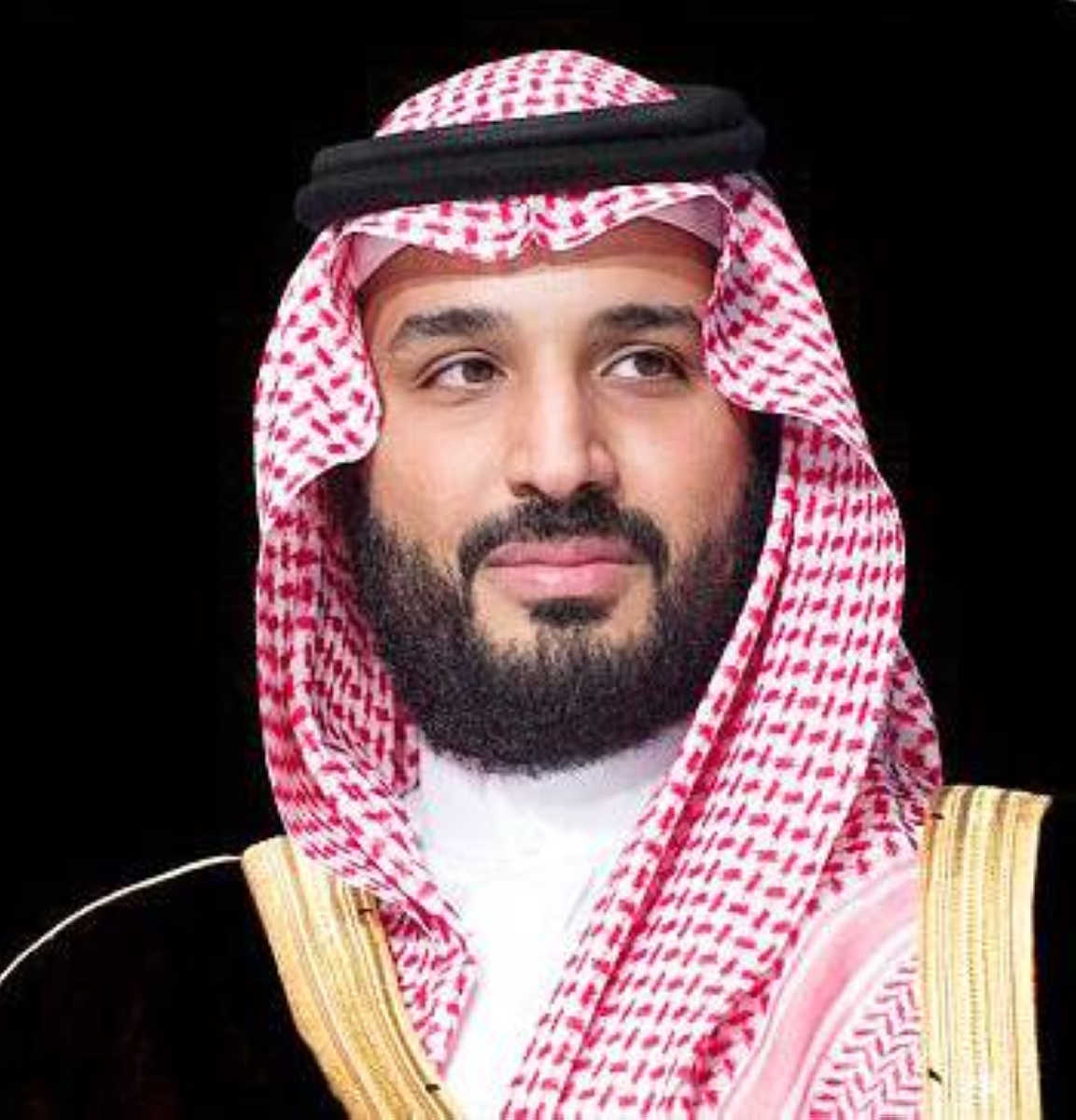
ونسبت صحيفة (باكستان أوبزيرفر) أمس، إلى منسق شؤون رئيس الوزراء الباكستاني اختيار وَلِي خان قوله: إن ولي العهد رئيس مجلس الوزراء السعودي الأمير محمد بن سلمان، من المقرر أن يزور إسلام أباد خلال نوفمبر القادم. ويتوقع أن يرافقه وفد من كبار رجال الأعمال السعوديين. وذكر ولي خان، أن الزيارة ستشكل محطة مهمة في العلاقات الباكستانية السعودية. وقال: إن «الزيارة ستشهد مشاريع استثمارية ضخمة، وتعزيز التعاون الاقتصادي بين البلدين المتحالفين». وأضاف ولي خان: هذه الزيارة ليست مجرد روتين دبلوماسي؛ بل هي دليل على قطع خطوة رئيسية في طريق العلاقات الثنائية، وفتح الباب لتعاون اقتصادي أوسع.
وأوضحت (باكستان أوبزيرفر)، أن اتفاق الدفاع المشترك بين المملكة وباكستان يعزز بشكل رسمي التعاون العسكري والإستراتيجي بين البلدين المستمر منذ عقود. وتوقعت أن يزور شهباز شريف السعودية في المستقبل القريب، لمتابعة المحادثات بشأن العلاقات بين البلدين.
وفي واشنطن، ذكر مقال نشره المجلس الأطلنطي، بقلم خبيرة شؤون دول الخليج واليمن الأكاديمية الإيطالية إليانورا أرديماني، أن معاهدة الدفاع المشترك السعودي الباكستاني تعد مؤشراً على تطور التقدير الإستراتيجي لدى دول الخليج، خصوصاً السعودية. وزاد أنه على رغم عدم وجود تفاصيل كافية بشأن الاتفاق السعودي الباكستاني؛ إلا أنه يشمل جميع الوسائل العسكرية، بما في ذلك التعاون النووي، وتقاسم المعلومات الاستخبارية.
وذكرت أرديماني، أن «المعاهدة الإستراتيجية بين الرياض وإسلام أباد ستساند على المدى الطويل مساعي المملكة العربية السعودية لتعزيز التعاون في مجالات الصناعات الدفاعية، ونقل التكنولوجيا، والإنتاج العسكري المشترك، وبناء الكفاءة، والتدريب».
واعتبرت الاتفاق الدفاعي المشترك تطوراً مهماً في مسعى الرياض إلى إعادة صياغة المعادلة الأمنية في الخليج. ولفتت الخبيرة الإيطالية إلى أن «التعاون بين المملكة وباكستان ظل قائماً منذ إبرام (معاهدة الصداقة) بينهما في عام 1951». وخلصت إلى أن المعاهدة الإستراتيجية بين الرياض وإسلام أباد لا تعني استبدال الولايات المتحدة، باعتبارها حليفاً إستراتيجياً للسعودية؛ بل هي جزء من مساعي المملكة لتنويع سياساتها الدفاعية، وضمانتها الأمنية.
الاتفاق السعودي الباكستاني يعزِّز التعاون العسكري والإستراتيجي
إسلام أباد: ولي العهد يزور باكستان نوفمبر القادم
28 سبتمبر 2025 - 04:01
|
آخر تحديث 28 سبتمبر 2025 - 04:01


تابع قناة عكاظ على الواتساب
«عكاظ» (إسلام أباد، واشنطن) OKAZ_online@
After nearly two weeks since the signing of the joint defense agreement between the Kingdom of Saudi Arabia and Pakistan, in the presence of Crown Prince Mohammed bin Salman and Pakistani Prime Minister Shahbaz Sharif, the agreement continues to attract interest not only in Pakistan but also in India, the United States, and other countries that consider it an important development.
The newspaper (Pakistan Observer) reported yesterday, citing the Pakistani Prime Minister's Coordinator for Affairs, Ikhtiar Wali Khan, that Crown Prince and Prime Minister of Saudi Arabia Mohammed bin Salman is scheduled to visit Islamabad next November. It is expected that he will be accompanied by a delegation of senior Saudi businessmen. Wali Khan mentioned that the visit will mark an important milestone in Pakistani-Saudi relations. He stated that "the visit will witness massive investment projects and enhance economic cooperation between the allied countries." Wali Khan added that this visit is not just a diplomatic routine; rather, it is evidence of a significant step forward in bilateral relations and opens the door to broader economic cooperation.
(Pakistan Observer) clarified that the joint defense agreement between the Kingdom and Pakistan officially enhances the military and strategic cooperation between the two countries that has been ongoing for decades. It is anticipated that Shahbaz Sharif will visit Saudi Arabia in the near future to follow up on discussions regarding the relations between the two countries.
In Washington, an article published by the Atlantic Council, authored by Italian academic and Gulf and Yemen affairs expert Eleonora Ardemani, stated that the Saudi-Pakistani joint defense treaty is an indicator of the evolving strategic appreciation among Gulf countries, especially Saudi Arabia. She added that despite the lack of sufficient details regarding the Saudi-Pakistani agreement, it encompasses all military means, including nuclear cooperation and intelligence sharing.
Ardemani noted that "the strategic treaty between Riyadh and Islamabad will long-term support Saudi Arabia's efforts to enhance cooperation in the fields of defense industries, technology transfer, joint military production, capacity building, and training."
She considered the joint defense agreement an important development in Riyadh's efforts to reshape the security equation in the Gulf. The Italian expert pointed out that "cooperation between the Kingdom and Pakistan has been ongoing since the signing of the (Friendship Treaty) between them in 1951." She concluded that the strategic treaty between Riyadh and Islamabad does not mean replacing the United States as a strategic ally of Saudi Arabia; rather, it is part of the Kingdom's efforts to diversify its defense policies and security guarantees.
The newspaper (Pakistan Observer) reported yesterday, citing the Pakistani Prime Minister's Coordinator for Affairs, Ikhtiar Wali Khan, that Crown Prince and Prime Minister of Saudi Arabia Mohammed bin Salman is scheduled to visit Islamabad next November. It is expected that he will be accompanied by a delegation of senior Saudi businessmen. Wali Khan mentioned that the visit will mark an important milestone in Pakistani-Saudi relations. He stated that "the visit will witness massive investment projects and enhance economic cooperation between the allied countries." Wali Khan added that this visit is not just a diplomatic routine; rather, it is evidence of a significant step forward in bilateral relations and opens the door to broader economic cooperation.
(Pakistan Observer) clarified that the joint defense agreement between the Kingdom and Pakistan officially enhances the military and strategic cooperation between the two countries that has been ongoing for decades. It is anticipated that Shahbaz Sharif will visit Saudi Arabia in the near future to follow up on discussions regarding the relations between the two countries.
In Washington, an article published by the Atlantic Council, authored by Italian academic and Gulf and Yemen affairs expert Eleonora Ardemani, stated that the Saudi-Pakistani joint defense treaty is an indicator of the evolving strategic appreciation among Gulf countries, especially Saudi Arabia. She added that despite the lack of sufficient details regarding the Saudi-Pakistani agreement, it encompasses all military means, including nuclear cooperation and intelligence sharing.
Ardemani noted that "the strategic treaty between Riyadh and Islamabad will long-term support Saudi Arabia's efforts to enhance cooperation in the fields of defense industries, technology transfer, joint military production, capacity building, and training."
She considered the joint defense agreement an important development in Riyadh's efforts to reshape the security equation in the Gulf. The Italian expert pointed out that "cooperation between the Kingdom and Pakistan has been ongoing since the signing of the (Friendship Treaty) between them in 1951." She concluded that the strategic treaty between Riyadh and Islamabad does not mean replacing the United States as a strategic ally of Saudi Arabia; rather, it is part of the Kingdom's efforts to diversify its defense policies and security guarantees.


