إنجازات شاهدة.. ورؤية رسمت ملامح المستقبل
«عزّنا بطبعنا».. هوية ترسخت عبر الأجيال
مع إشراقة الذكرى الـ95 لليوم الوطني، تتجدد مشاعر الفخر والاعتزاز في قلوب أبناء المملكة، وهم يستحضرون مسيرة التوحيد والبناء على يد الملك المؤسس عبدالعزيز بن عبدالرحمن آل سعود – طيب الله ثراه – ويجددون العهد مع وطنٍ يواصل انطلاقته برؤية طموحة نحو المستقبل. وفي هذا السياق، التقت «عكاظ» نخبة من الأكاديميين، الذين عبّروا عن انطباعاتهم ومشاعرهم بهذه المناسبة الغالية، مؤكدين أن اليوم الوطني ليس مجرد استذكار لتاريخٍ مجيد، بل محطة لتجديد الولاء وتعزيز الثقة بمستقبلٍ أكثر إشراقا، يقوده وطن العز بخطى واثقة ورؤية 2030.
مسيرة وطن تتجدد برؤية مستقبلية
تقول أستاذ الإدارة الصحية بكلية العلوم الطبية التطبيقية في جامعة الملك سعود الدكتورة عالية المعجل: تحتفي بلادنا هذا العام باليوم الوطني الـ95، كمناسبة تتجدد معها مشاعر الفخر والانتماء، ويستحضر فيها أبناء الوطن ذكرى توحيد البلاد على يد الملك المؤسس عبدالعزيز بن عبدالرحمن آل سعود – طيب الله ثراه – في ٢٣ سبتمبر ١٩٣٢، حين انطلقت رحلة بناء دولة حديثة قائمة على الوحدة والازدهار.
وأشارت المعجل إلى أن اليوم الوطني لا ينحصر في استعادة صفحات التاريخ المجيد، بل يمثل محطة لتجديد العزم نحو المستقبل، ففي ظل القيادة الرشيدة واصلت المملكة تعزيز حضورها الإقليمي والدولي، محققة قفزات نوعية في مجالات الاقتصاد والطاقة المتجددة والصحة والتعليم والتقنية، إضافة إلى استضافة أبرز الفعاليات العالمية.
وأكدت المعجل أن الهيئة العامة للترفيه اعتمدت هوية اليوم الوطني الـ95 تحت شعار «عزّنا بطبعنا»، الذي يجسد القيم والثقافة التراثية المتأصلة في المجتمع السعودي، مبرزا صفات مثل الكرم، والطموح، والأصالة، والجود.
وحملت الهوية رسالة وطنية، تشير إلى أن الكرامة السعودية لا يُعبر عنها فقط بالأقوال، بل هي حقيقة تتجلى في سخاء شعبها وطموحهم، وأكدت هذه الهوية على توافقها مع رؤية المملكة 2030 التي تضع المواطن في صميم عملية التنمية، وترسخ قيم الابتكار والاستدامة، ما يدل على أن الفخر السعودي ليس مجرد شعار، فهو واقع يظهر في سخاء شعبها، طموحه، ورغبته الثابتة نحو مستقبل مشرق أكثر إشراقا.
ولفتت المعجل الى أن يومنا الوطني الـ95، يبقى رمزا لتلاحم الجميع تحت راية التوحيد، وتجديد العهد بالمضي قدما في مسيرة التطور التي شهدها وطننا الغالي. لذلك فإنه لا يُعَبِّر فقط عن مناسبة تاريخية، بل هو نافذة إلى عهد جديد يبرزه طموح القيادة وإصرار الشعب على صناعة مستقبلٍ واعد وحاضرٍ نابض بالحياة.
تاريخ مجيد وحاضر عظيم
رفعت وكيلة كلية التربية لشؤون الطالبات رئيس قسم المناهج وتقنيات التعليم الدكتورة الهنوف بنت عبيد الشمري، تهنئتها للقيادة الحكيمة في هذه المناسبة، سائلة المولى أن يديم على المملكة نعمة الأمن والأمان، وأن يوفقنا جميعا لتحقيق تطلعاتها الطموحة.
وذكرت الشمري أنه بكل الفخر والاعتزاز نحتفل باليوم الوطني الـ95 للمملكة، وهي مناسبة لاستحضار تاريخ مجيد، وحاضر عظيم، والتفاؤل برؤية طموحة تقودها قيادة حكيمة.
اليوم الوطني ورؤية المملكة 2030
قال الأكاديمي والمحاضر بجامعة الإمام محمد بن سعود الإسلامية الأستاذ الدكتور خالد بن عواض الثبيتي: الوطن قيمة سياسية واجتماعية تنقش في الذاكرة، وتعيش في الوجدان، وتتجسد في الانتماء والعمل والإنجاز، قيمته في تماسك مجتمعه، وقوته في تمسكه بشريعة الله، وحدته في ترابط الصف بين القيادة والشعب.
ولفت الثبيتي إلى 95 عاما من العز والفخر لوطننا، من التقدم والإنجاز، من الأصالة والتراث، وجاءت هوية اليوم الوطني الـ95 تحت شعار «عزّنا بطبعنا» تعبيرا صادقا عما نتميز به في عاداتنا وطباعنا وهويتنا الوطنية، كنا وسنظل بطبعنا الأصيل نحمل الصفات التي نشأنا عليها، وتأصلت في أسلوب حياتنا، ونعكسها في تعاملنا وحياتنا ومواقفنا اليومية، فالمواطن السعودي يتميز بطباع وأصالة ترافقه منذ ولادته كالكرم والشجاعة والنخوة والجود.
وتعكس الهوية الجديدة ليومنا الوطني مجموعة من القيم والمفاهيم التي تتميز بها المملكة وشعبها، وهي:
- العزّة: ترمز إلى القوة والفخر والكرامة التي يتمتع بها المواطن السعودي.
- الأصالة: تشير إلى تمسك الشعب السعودي بقيمه وتقاليده وتراثه العريق.
- الكرم: تعكس الطبيعة السخية والمضيافة للمجتمع السعودي.
وتتمثل أهمية اليوم الوطني في:
- تعزيز الوحدة الوطنية: يمثل اليوم الوطني رمزا للتلاحم بين أبناء الشعب السعودي والوحدة تحت راية واحدة.
- الفخر بالهوية الوطنية: يعد فرصة للتعبير عن الولاء والانتماء للوطن، والتأكيد على أهمية تعريف الأجيال الجديدة بتاريخ المملكة العريق.
- تكريم الإنجازات الوطنية: وهو يوم للاحتفاء بالتطورات والنجاحات التي حققتها المملكة في مختلف المجالات، مثل الاقتصاد والتعليم والبنية التحتية، وكذلك تجديد العزم على تحقيق رؤية المملكة 2030.
وشدد الثبيتي على أن اليوم الوطني يتزامن مع العام العاشر لرؤية المملكة 2030، حيث تعتمد الرؤية على مكامن قوة محورية، تتلخص في كون المملكة أرض الحرمين الشريفين قبلة أكثر من مليار مسلم، وقدرتها على تطويع قوتها الاستثمارية لخلق اقتصاد أكثر تنوعا واستدامة، وتمتعها بموقع إستراتيجي يعزز مكانتها كمحرك رئيس للتجارة الدولية، وربط القارات الثلاث أفريقيا وآسيا وأوروبا.
وقد تُرجمت مكامن القوة تلك إلى مجموعة من الأهداف الإستراتيجية لتمكين التنفيذ الفعال لعناصرها ومكوناتها من خلال أهدافها الإستراتيجية وبرامجها الرئيسية ومبادراتها التنموية، فالرؤية عبارة عن منظومة برامج مترابطة تمثل عدد من المبادرات والمشاريع الاقتصادية والتنموية، والخطط العملية التي تترجم الخطط والبرامج إلى واقع ملموس ومعاش.
ترتكز الرؤية 2030 بشكل أساسي على ثلاثة محاور إستراتيجية رئيسية هي، مجتمع حيوي واقتصاد مزدهر ووطن طموح، هذه المحاور بدورها تنقسم إلى 96 هدفا إستراتيجيا، يتم العمل على تنفيذها من خلال 11 برنامجا من برامج تحقيق الرؤية.
ويضيف الثبيتي: خلال السنوات التسع الماضية، كان العمل يتم بوتيرة متسارعة، لتسخير وإبراز مكامن قوة الوطن وقدراته الفريدة، حيث نجحت الرؤية خلال وقت وجيز في تحقيق نتائج ومنجزات استثنائية، وعبر مُمكّنات التحوّل في تحقيق أهداف مرحلية توزعت على أهداف محاور الرؤية الإستراتيجية الرئيسية الثلاثة.
ففي محور مجتمع حيوي، حققت تقدما في تبني أنماط حياة صحية ورفع مستوى جودة الحياة للمواطنين السعوديين، وتحسين الخدمات المقدمة لضيوف الرحمن في مواسم الحج والعمرة، إضافة إلى الاهتمام بالمواقع الأثرية وتضمينها لدى منظمة اليونسكو العالمية، وإنجاز مبادرات تعليمية وصحية وإسكانية متكاملة، إضافة إلى استهداف وضع المملكة على خريطة الترفيه والسياحة عالميا عبر حزمة من الفعاليات والمواسم والبرامج الترفيهية والمشاريع السياحية المتميزة.
وفي محور اقتصاد مزدهر، حققت المملكة عدة أهداف تفصيلية للنمو والتقدم الاقتصادي الشامل حيث تقدمت السعودية في مؤشرات التنافسية العالمية محققة المركز الأول عالميا في إصلاحات بيئة الأعمال، كما حققت ارتفاعا في نسبة مساهمة المنشآت الصغيرة والمتوسطة في الناتج المحلي الإجمالي، وارتفاع الإيرادات للأنشطة غير النفطية بشكل ملحوظ إلى 56% من الناتج المحلي، ونمو أصول صندوق الاستثمارات العامة بشكل كبير، واستحداث قطاعات اقتصادية حديثة، وخلق فرص للنمو والاستثمار في القطاعات غير النفطية والمالية والرقمية.
وفي محور وطن طموح، فقد تحقق تقدمٌ كبير في ركيزتَي «الحكومة الفاعلة» و«المواطنة المسؤولة»، حيث ارتفعت كفاءة الخدمات الحكومية وآلية استجابتها من خلال الاستثمار في التحول الرقمي الحكومي، وتوفير فرص ومبادرات أكبر للتنمية المستدامة والحفاظ على البيئة، والانفتاح على العالم وإرساء أسس النجاح للمستقبل، والاعتماد على الكوادر السعودية المؤهلة عبر إطلاق مبادرة توطين المهن.
وختم الثبيتي بقوله: 95 عاما، لم تتوقف فيها مسيرة الخير والعطاء والنماء والبناء في وطننا الغالي منذ تأسيسه وإعلان توحيده، وتسعةُ عقود ونصف، تحقق فيها الكثير من الإنجازات والمكتسبات الوطنية في ظل قيادة واعية وحكيمة، ورؤية مستقبلية شابة وطموحة، وصلت بالوطن إلى مكانة مهمة وملهمة إقليميا وعالميا.
التعليم العالي في رؤية المملكة 2030
أكد أستاذ إدارة التعليم العالي والتنمية البشرية بجامعة الإمام محمد بن سعود الإسلامية الأستاذ الدكتور عبدالله بن محمد الوزرة أن قطاع التعليم العالي في المملكة، يشهد نقلة نوعية غير مسبوقة، حيث جعلت القيادة الرشيدة لخادم الحرمين الشريفين وولي العهد الاستثمار في التعليم العالي على رأس أولوياتها، إيمانا بأن التعليم هو القاعدة الصلبة لبناء الإنسان السعودي والمحرك الرئيس لاقتصاد المعرفة وتعزيز التنافسية العالمية.
ولفت الوزرة خلال حديثه الى أنه ليس من المستغرب أن يشكل التعليم العالي، أحد المرتكزات الأساسية لتحقيق مستهدفات رؤية المملكة 2030، حيث ركزت الرؤية على تقديم الحوافز للمؤسسات التعليمية لرفع جودة التعليم ومخرجاته، وصولا إلى تزويد أبنائنا بالمعارف والمهارات اللازمة لوظائف المستقبل، وتشجيع الابتكار وريادة الأعمال.
فمنذ إطلاق الرؤية، ارتفع عدد الجامعات والكليات الحكومية والأهلية ليصل اليوم إلى أكثر من 26 جامعة حكومية و65 جامعة وكلية أهلية. وقد مثّل صدور نظام الجامعات الجديد عام 2019 نقطة تحول بارزة، إذ منح الجامعات استقلالية أكاديمية وإدارية ومالية، الأمر الذي أتاح لها مرونة أكبر لتبني تخصصات جديدة وبناء شراكات إستراتيجية محليا ودوليا تسهم في مستهدفات الرؤية.
كما ركزت الرؤية على نقل المعرفة وتقديم برامج تعليمية وبحثية عالية الجودة من خلال تمكين الجامعات العالمية المتميزة من فتح فروع لها في المملكة، حيث خطت المملكة خطوات متقدمة نحو استقطاب الجامعات العالمية المرموقة لافتتاح فروع لها داخل المملكة. فعلى سبيل المثال، في عام 2025، أُعلن رسميا عن منح جامعة كامبريدج البريطانية رخصة لإنشاء فرع لها بالمملكة، لتلتحق بخمس جامعات دولية سبق أن حصلت على التراخيص من وزارة الاستثمار ووزارة التعليم، منها جامعة ولاية أريزونا الأمريكية، وجامعة وولونغونغ الأسترالية، والكلية الملكية للجراحين في إيرلندا. وتأتي هذه الخطوات بعد صدور اللائحة التنظيمية لفروع الجامعات الأجنبية، التي مهدت الطريق لفتح الاستثمار الأجنبي في التعليم العالي، مع ضمان جودة البرامج المقدمة وربطها باحتياجات التنمية وسق العمل.
ولم يتوقف الأمر عند هذا الحد، إذ اتجهت الجامعات السعودية إلى إطلاق مسارات أكاديمية وبحثية في تخصصات المستقبل، مثل الذكاء الاصطناعي والبيانات الضخمة والأمن السيبراني. حيث استحدثت مراكز بحثية متقدمة، منها مركز الدراسات المتقدمة في الذكاء الاصطناعي بجامعة الملك سعود، ومركز التميز للذكاء الاصطناعي التوليدي بجامعة الملك عبدالله للعلوم والتقنية،، إلى جانب برامج أكاديمية متقدمة مثل برنامج الذكاء الاصطناعي في جامعة الأميرة نورة بنت عبدالرحمن. وقد جاءت هذه المبادرات متسقة مع برنامج تنمية القدرات البشرية، أحد برامج الرؤية، الذي يهدف إلى تمكين المواطن بالمهارات المستقبلية اللازمة لتعزيز التنافسية القائمة على اقتصاد المعرفة.
إن ما تحقق من منجزات يعكس بوضوح الرؤية الطموحة للقيادة ودورها في إعادة تشكيل مستقبل التعليم العالي. فبفضل الرؤية الحكيمة، تسير المملكة بخطى ثابتة نحو أن تكون مركزا إقليميا وعالميا للمعرفة والابتكار، ويظل الاعتزاز الأكبر بما توليه القيادة الرشيدة من رعاية ودعم جعلت من الاستثمار في الإنسان السعودي محورا أساسيا في صناعة المستقبل.
Witnessed Achievements.. And a Vision That Shaped the Future
"Our Pride is in Our Nature".. An Identity Rooted Through Generations
With the dawn of the 95th National Day anniversary, feelings of pride and honor renew in the hearts of the citizens of the Kingdom as they recall the journey of unification and construction led by the founding king, Abdulaziz bin Abdulrahman Al Saud – may God rest his soul – and reaffirm their commitment to a nation that continues its ambitious journey towards the future. In this context, "Okaz" met with a select group of academics who expressed their impressions and feelings on this cherished occasion, emphasizing that the National Day is not merely a commemoration of a glorious history, but a station to renew loyalty and enhance confidence in a brighter future, led by a nation of pride with confident strides and Vision 2030.
A Nation's Journey Renewed with a Future Vision
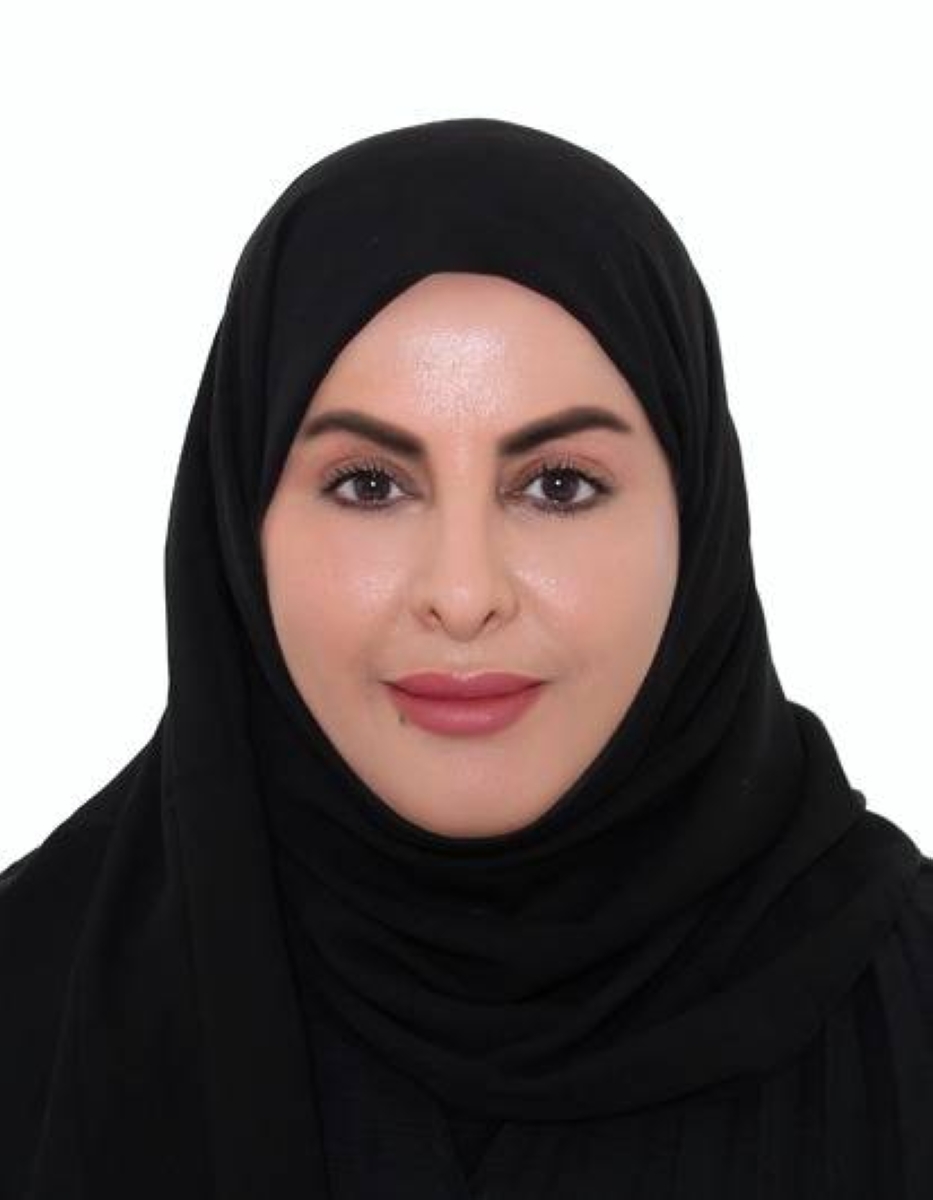
Dr. Alia Al-Mu'jil, a professor of health administration at the College of Applied Medical Sciences at King Saud University, said: This year, our country celebrates the 95th National Day, an occasion that renews feelings of pride and belonging, where the citizens recall the memory of the unification of the country by the founding king Abdulaziz bin Abdulrahman Al Saud – may God rest his soul – on September 23, 1932, when the journey of building a modern state based on unity and prosperity began.
Al-Mu'jil pointed out that the National Day is not limited to recalling pages of glorious history, but represents a station to renew determination towards the future. Under wise leadership, the Kingdom has continued to enhance its regional and international presence, achieving qualitative leaps in the fields of economy, renewable energy, health, education, and technology, in addition to hosting major global events.
She confirmed that the General Entertainment Authority adopted the identity of the 95th National Day under the slogan "Our Pride is in Our Nature," which embodies the values and cultural heritage rooted in Saudi society, highlighting traits such as generosity, ambition, authenticity, and nobility.
The identity carries a national message, indicating that Saudi dignity is not only expressed in words but is a reality manifested in the generosity and ambition of its people. This identity affirms its alignment with the Kingdom's Vision 2030, which places the citizen at the heart of the development process and reinforces the values of innovation and sustainability, indicating that Saudi pride is not just a slogan; it is a reality reflected in the generosity, ambition, and steadfast desire of its people for a brighter future.
Al-Mu'jil noted that our 95th National Day remains a symbol of unity under the banner of unification and a renewal of the covenant to move forward in the development journey that our beloved nation has witnessed. Therefore, it does not merely represent a historical occasion, but is a window to a new era highlighted by the ambition of leadership and the determination of the people to create a promising future and a vibrant present.
A Glorious History and a Great Present
Dr. Al-Hanouf bint Obaid Al-Shammari, the Vice Dean of the College of Education for Female Students and Head of the Curriculum and Educational Technology Department, extended her congratulations to the wise leadership on this occasion, praying to God to continue bestowing security and safety upon the Kingdom and to grant us all success in achieving its ambitious aspirations.
Al-Shammari mentioned that with great pride and honor, we celebrate the 95th National Day of the Kingdom, an occasion to recall a glorious history, a great present, and to be optimistic about an ambitious vision led by wise leadership.
The National Day and Vision 2030
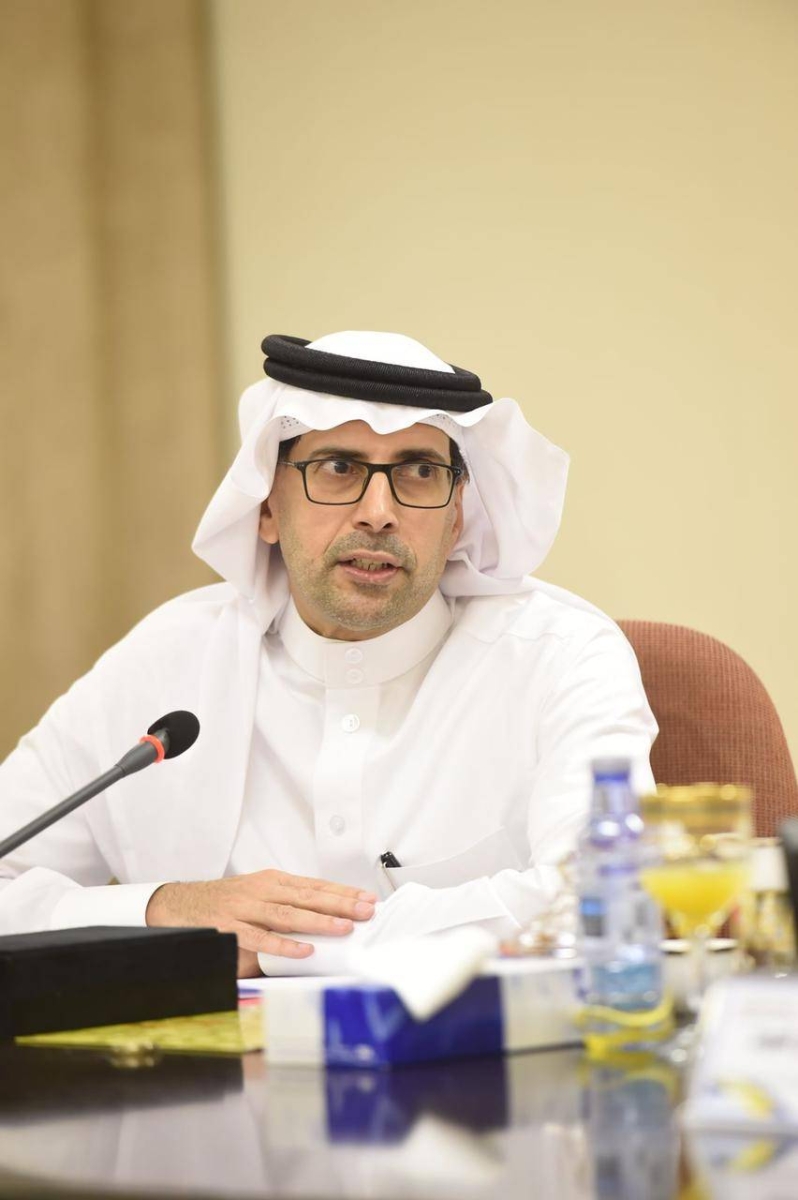
Dr. Khalid bin Awad Al-Thubaiti, an academic and lecturer at Imam Muhammad bin Saud Islamic University, stated: The homeland is a political and social value etched in memory, living in the conscience, and manifested in belonging, work, and achievement. Its value lies in the cohesion of its community, and its strength in adhering to the Sharia of God, and its unity in the bond between leadership and the people.
Al-Thubaiti highlighted 95 years of pride and honor for our nation, of progress and achievement, of authenticity and heritage. The identity of the 95th National Day under the slogan "Our Pride is in Our Nature" is a sincere expression of what we are distinguished by in our customs, traits, and national identity. We have always been and will continue to be, by our authentic nature, bearers of the traits we were raised with, which are rooted in our way of life, and we reflect them in our dealings, lives, and daily positions. The Saudi citizen is characterized by traits and authenticity that accompany them from birth, such as generosity, courage, nobility, and hospitality.
The new identity for our National Day reflects a set of values and concepts that distinguish the Kingdom and its people, which are:
- Pride: Symbolizes the strength, honor, and dignity enjoyed by the Saudi citizen.
- Authenticity: Refers to the Saudi people's adherence to their values, traditions, and rich heritage.
- Generosity: Reflects the generous and hospitable nature of Saudi society.
The importance of the National Day lies in:
- Enhancing national unity: The National Day represents a symbol of cohesion among the Saudi people and unity under one banner.
- Pride in national identity: It is an opportunity to express loyalty and belonging to the homeland, and to emphasize the importance of introducing new generations to the Kingdom's rich history.
- Honoring national achievements: It is a day to celebrate the developments and successes that the Kingdom has achieved in various fields, such as the economy, education, and infrastructure, as well as renewing the determination to achieve Vision 2030.
Al-Thubaiti emphasized that the National Day coincides with the tenth year of Vision 2030, where the vision relies on key strengths, summarized in the fact that the Kingdom is the land of the Two Holy Mosques, the qibla for more than a billion Muslims, and its ability to harness its investment power to create a more diverse and sustainable economy, along with its strategic location that enhances its position as a major driver of international trade, connecting the three continents of Africa, Asia, and Europe.
The strengths have been translated into a set of strategic objectives to enable the effective implementation of its elements and components through its strategic objectives, main programs, and developmental initiatives. The vision is a system of interconnected programs representing a number of economic and developmental initiatives and projects, as well as practical plans that translate plans and programs into tangible and lived reality.
Vision 2030 is primarily based on three main strategic pillars: a vibrant society, a thriving economy, and an ambitious nation. These pillars are further divided into 96 strategic objectives, which are being worked on through 11 programs for achieving the vision.
Al-Thubaiti added: Over the past nine years, work has been carried out at an accelerated pace to harness and highlight the strengths and unique capabilities of the nation, where the vision has succeeded in achieving exceptional results and accomplishments in a short time. Through the enablers of transformation, it has achieved interim goals distributed across the three main strategic pillars of the vision.
In the pillar of a vibrant society, progress has been made in adopting healthy lifestyles and raising the quality of life for Saudi citizens, improving services provided to the guests of Rahman during the Hajj and Umrah seasons, as well as attention to archaeological sites and their inclusion with UNESCO, and completing integrated educational, health, and housing initiatives, in addition to targeting the Kingdom's position on the global entertainment and tourism map through a package of events, seasons, recreational programs, and distinguished tourism projects.
In the pillar of a thriving economy, the Kingdom has achieved several detailed goals for comprehensive economic growth and progress, where Saudi Arabia has advanced in global competitiveness indicators, achieving first place globally in business environment reforms. It has also seen an increase in the contribution of small and medium enterprises to GDP, a significant rise in revenues from non-oil activities to 56% of GDP, substantial growth in the assets of the Public Investment Fund, the creation of new economic sectors, and the generation of growth and investment opportunities in non-oil, financial, and digital sectors.
In the pillar of an ambitious nation, significant progress has been made in the two pillars of "effective government" and "responsible citizenship," where the efficiency of government services and their response mechanisms have increased through investment in digital government transformation, providing greater opportunities and initiatives for sustainable development and environmental preservation, opening up to the world and laying the foundations for future success, and relying on qualified Saudi cadres through the launch of the localization initiative for professions.
Al-Thubaiti concluded by saying: 95 years have passed, during which the journey of goodness, giving, growth, and construction in our beloved homeland has not stopped since its establishment and the announcement of its unification. Nine and a half decades have seen many national achievements and gains under wise and conscious leadership, and a young and ambitious future vision that has brought the nation to an important and inspiring position regionally and globally.
Higher Education in Vision 2030
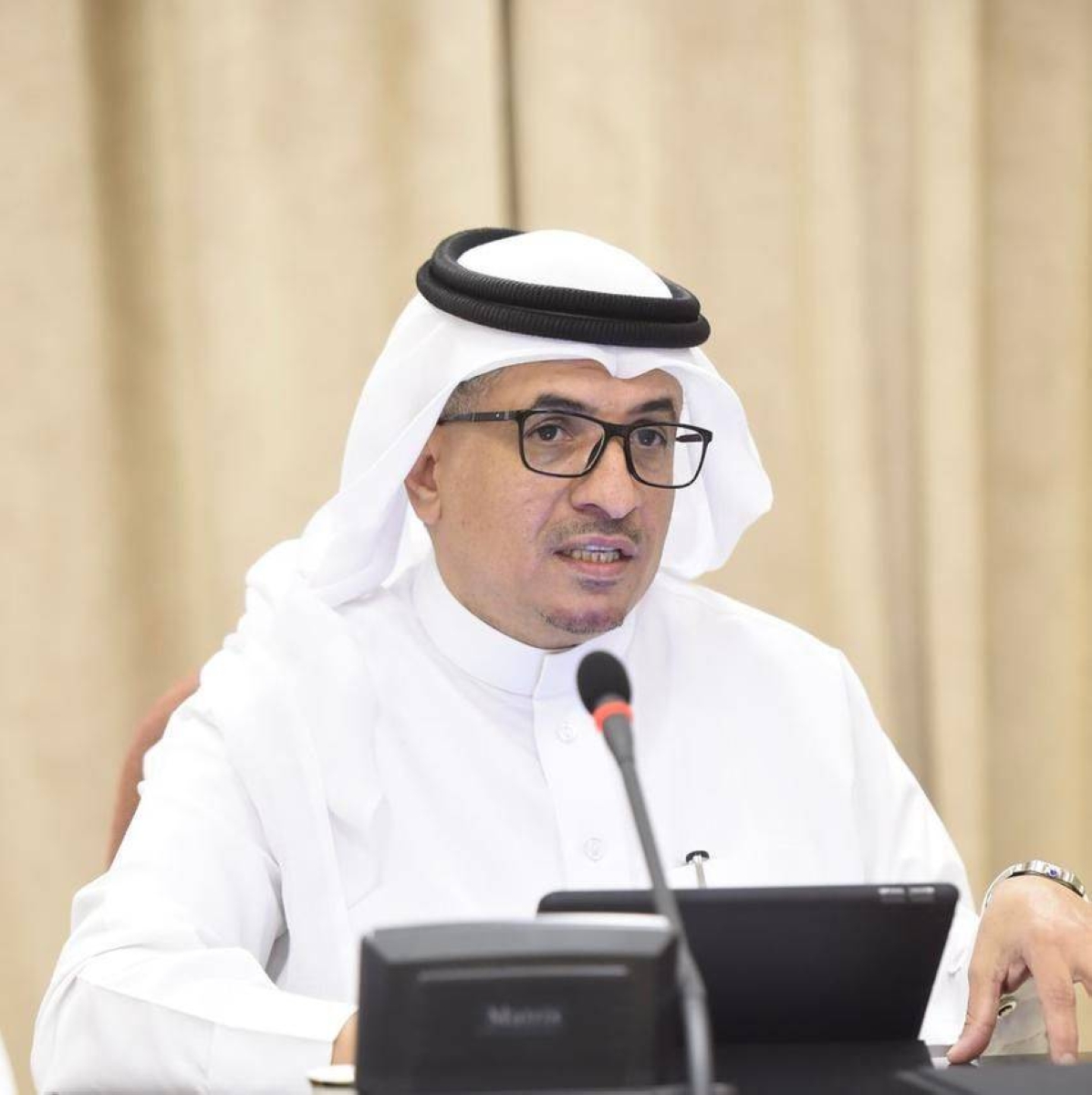
Dr. Abdullah bin Mohammed Al-Wazrah, a professor of higher education management and human development at Imam Muhammad bin Saud Islamic University, affirmed that the higher education sector in the Kingdom is witnessing an unprecedented qualitative leap, as the wise leadership of the Custodian of the Two Holy Mosques and the Crown Prince has made investment in higher education a top priority, believing that education is the solid foundation for building the Saudi human being and the main driver of the knowledge economy and enhancing global competitiveness.
Al-Wazrah noted during his talk that it is not surprising that higher education is one of the fundamental pillars for achieving the objectives of Vision 2030, as the vision focuses on providing incentives for educational institutions to raise the quality of education and its outputs, ultimately equipping our children with the knowledge and skills necessary for future jobs, and encouraging innovation and entrepreneurship.
Since the launch of the vision, the number of public and private universities and colleges has risen to more than 26 public universities and 65 private universities and colleges today. The issuance of the new Universities Law in 2019 represented a significant turning point, granting universities academic, administrative, and financial independence, which allowed them greater flexibility to adopt new specialties and build strategic partnerships locally and internationally that contribute to the objectives of the vision.
The vision also focused on transferring knowledge and providing high-quality educational and research programs by enabling distinguished global universities to open branches in the Kingdom, as the Kingdom has made significant strides towards attracting prestigious global universities to open branches within its borders. For example, in 2025, it was officially announced that the University of Cambridge was granted a license to establish a branch in the Kingdom, joining five international universities that had previously obtained licenses from the Ministry of Investment and the Ministry of Education, including Arizona State University, the University of Wollongong, and the Royal College of Surgeons in Ireland. These steps come after the issuance of the regulatory framework for foreign university branches, which paved the way for foreign investment in higher education while ensuring the quality of the programs offered and linking them to development needs and labor market requirements.
The efforts did not stop there, as Saudi universities have begun to launch academic and research pathways in future specialties such as artificial intelligence, big data, and cybersecurity. Advanced research centers have been established, including the Advanced Studies Center in Artificial Intelligence at King Saud University and the Center of Excellence for Generative Artificial Intelligence at King Abdullah University of Science and Technology, alongside advanced academic programs such as the Artificial Intelligence program at Princess Nourah bint Abdulrahman University. These initiatives align with the Human Capacity Development Program, one of the vision's programs, which aims to empower citizens with the future skills necessary to enhance competitiveness based on the knowledge economy.
The achievements realized clearly reflect the ambitious vision of the leadership and its role in reshaping the future of higher education. Thanks to the wise vision, the Kingdom is steadily moving towards becoming a regional and global center for knowledge and innovation, and the greatest pride remains in the care and support that the wise leadership has given, making investment in the Saudi human being a central axis in shaping the future.