


طرحت وزارة التعليم استبانات جديدة تستهدف استطلاع آراء المعلمين والمعلمات، والطلاب والطالبات، وأولياء الأمور، لمراجعة تجربتي «الاختبارات المركزية» و«الاختبارات النهائية أثناء اليوم الدراسي» المطبقة خلال العام الدراسي 1446هـ، وذلك ضمن جهودها لرفع جودة المخرجات التعليمية.وكانت الوزارة طبقت العام الماضي لأول مرة آلية دمج الاختبارات النهائية في اليوم الدراسي، وهو ما أثار تبايناً في الآراء؛ إذ رأى معارضون أن الطالب يختبر مادة ثم يواصل دراسة مواد أخرى بعد الامتحان، ما يسبب إشكالات تربوية وتنظيمية ويضاعف مستوى الإرهاق للطلاب والتشتّت والإنهاك العقلي، مؤكدين أهمية فصل الاختبارات النهائية عن الأيام الدراسية، فيما ذهب مؤيدون إلى أن الخطوة عالجت ظاهرة ما يُعرف بـ«الأسابيع الميتة».وتسعى الاستبانات الحالية إلى قياس إيجابيات وتحديات التجربتين، من خلال أسئلة تتعلق برأي المشاركين حول مدى جدوى الاختبارات المركزية، والصعوبات التي واجهتهم، واقتراحاتهم لتطويرها. كما تتناول الاستبانة الثانية تقييم الانعكاسات التربوية والتنظيمية للاختبارات النهائية أثناء اليوم الدراسي، بما في ذلك انتظام الحصص الدراسية، وانخفاض المشكلات السلوكية، ورأي المستجيبين في شمول التطبيق لكافة المواد.وأكدت الوزارة، أن الاستجابات الصادقة والواقعية ستسهم في رسم ملامح المرحلة القادمة واتخاذ القرارات المناسبة، داعية جميع أطراف العملية التعليمية إلى المشاركة الفاعلة.
بعد عام من اعتمادها.. «التعليم» تستطلع الآراء حول مراجعة فصل الاختبارات النهائية
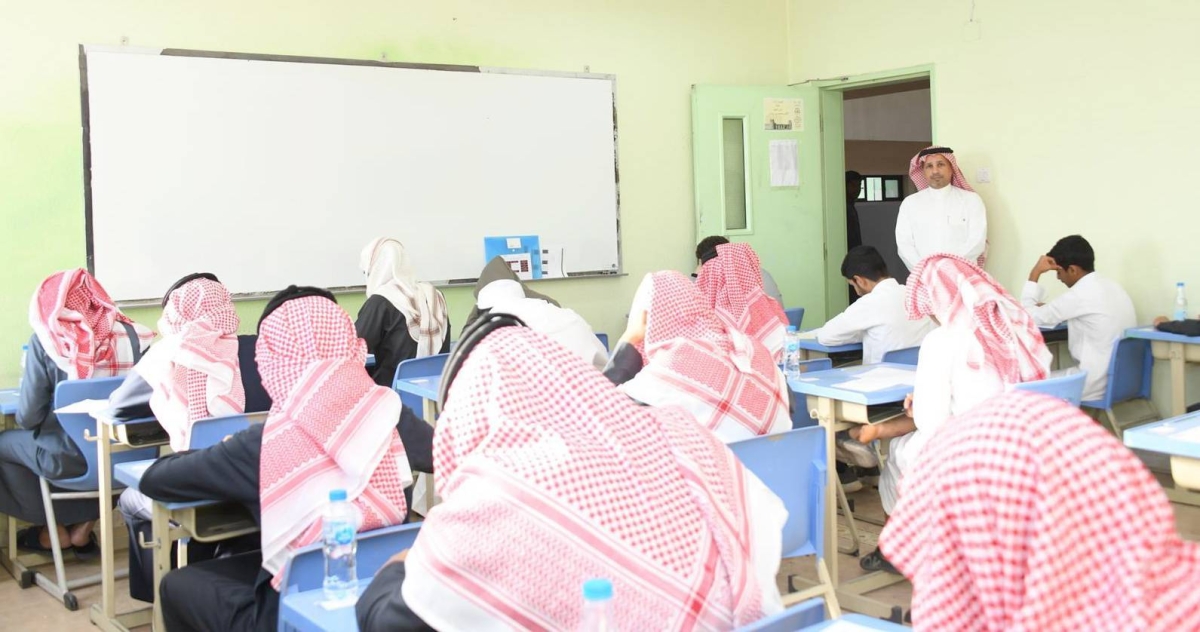


The Ministry of Education has launched new questionnaires aimed at surveying the opinions of teachers, students, and parents regarding the experiences of "central exams" and "final exams during the school day" implemented during the academic year 1446 AH, as part of its efforts to enhance the quality of educational outcomes. Last year, the ministry implemented for the first time the mechanism of integrating final exams into the school day, which sparked varying opinions; opponents argued that students take an exam for one subject and then continue studying other subjects after the exam, causing educational and organizational issues and increasing levels of fatigue, distraction, and mental exhaustion for students. They emphasized the importance of separating final exams from school days, while supporters claimed that the step addressed the phenomenon known as "dead weeks." The current questionnaires aim to measure the positives and challenges of both experiences through questions related to participants' opinions on the effectiveness of central exams, the difficulties they faced, and their suggestions for improvement. The second questionnaire addresses the educational and organizational impacts of final exams during the school day, including the regularity of class sessions, a decrease in behavioral problems, and respondents' opinions on the inclusion of all subjects in the implementation. The ministry confirmed that honest and realistic responses will contribute to shaping the features of the upcoming phase and making appropriate decisions, calling on all parties involved in the educational process to actively participate.





