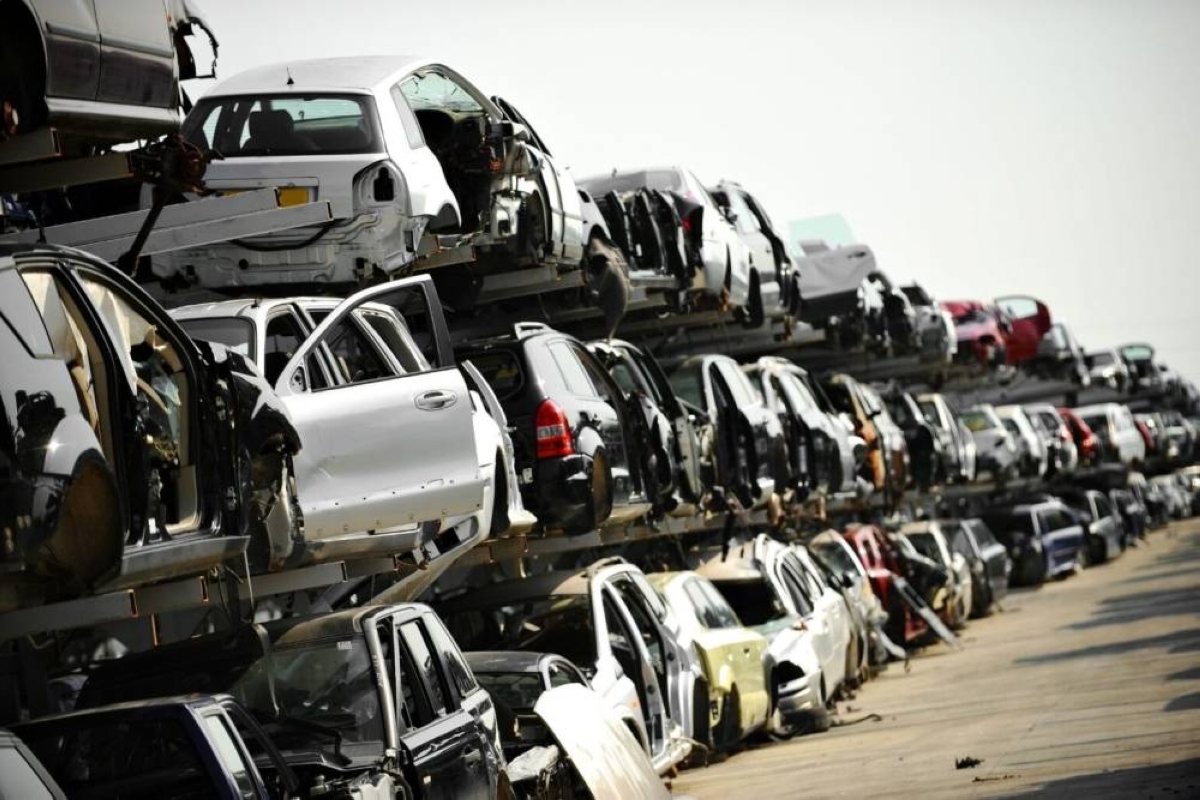
أصدرت وزارة البلديات والإسكان الاشتراطات البلدية الخاصة بمراكز ومنافذ بيع المركبات الملغى تسجيلها «التشليح»، وذلك ضمن جهودها المتواصلة إلى تطوير بيئة الأنشطة المرتبطة بالمركبات خارج الخدمة، بما يُسهم في تحسين النسيج العمراني، والحد من مظاهر التشوه البصري في المدن.
وأوضحت الوزارة، أن متطلبات الترخيص تشمل الحصول على موافقة الجهة المشرفة على النشاط، وموافقة الدفاع المدني، والشرطة، وإدارة المرور، إضافة إلى تقديم سجل تجاري ساري المفعول يتضمّن وصف النشاط، مع ضرورة التسجيل في نظام «شموس».وبيّنت ضرورة أن يكون النشاط ضمن المناطق الصناعية أو مناطق الورش والخدمات المساندة، داخل أو خارج النطاق العمراني، وفقًا للضوابط المعتمدة والمنصوص عليها في اللوائح، كما أوجبت الالتزام بتوفير منطقة لإزالة المواد الخطرة من المركبات، إلى جانب إيجاد مستودع لتخزين المواد (الأقل خطورة) والمرتبط بالنشاط.
وشددت الوزارة على أن يتضمّن النشاط عناصر محددة لمراكز ومنافذ بيع المركبات الملغى تسجيلها؛ منها منطقة لفرز وتفكيك المركبات، ومنطقة كبس وتدوير، ومرافق مهيأة للأشخاص ذوي الإعاقة، مع الالتزام باشتراطات كود البناء السعودي والأنظمة الوقائية من الحريق، وتوفير مستودع قطع غيار، مع إمكانية تخصيص منطقة لفك وتركيب القطع ضمن معايير تتعلق بالسلامة والتهوية والتصميم.وتأتي هذه الاشتراطات كمرجع تنظيمي لجميع المستثمرين في هذا المجال، حيث دعت وزارة البلديات والإسكان إلى الاطلاع عليها عبر منصة «بلدي»، والالتزام بما ورد فيها من متطلبات فنية وتشغيلية ومكانية، لضمان الامتثال الكامل ولتفادي أي مخالفات نظامية.
عبدالله السفري
السفري لـ«عكاظ»: اشتراطات التشاليح تضبط السوق
أكد رئيس طائفة التشاليح في جدة عبدالله السفري لـ«عكاظ» أن الاشتراطات الجديدة الخاصة بمراكز ومنافذ بيع المركبات الملغى تسجيلها (التشاليح) أسهمت في ضبط السوق بشكل أفضل من السابق، وقلّصت من مظاهر العشوائية.وأوضح أن الإجراءات المستحدثة مكّنت من تحديد هوية صاحب التشليح الذي قام بعملية الإسقاط، خلافاً لما كان يحدث في الماضي، ما انعكس إيجاباً على الجوانب الأمنية وساهم في منع حالات العبث المرتبطة بهذا النشاط.ووصف السفري هذه الضوابط بأنها الأكثر صرامة منذ سنوات، إذ طوّرت السوق، ورفعت كفاءته، وأحكمت الرقابة على المخالفات.
The Ministry of Municipalities and Housing has issued the municipal requirements for centers and outlets selling vehicles that have been deregistered ("scrapping"), as part of its ongoing efforts to develop the environment of activities related to out-of-service vehicles, which contributes to improving the urban fabric and reducing visual distortion in cities.
The ministry clarified that the licensing requirements include obtaining approval from the supervising authority for the activity, as well as approvals from the Civil Defense, police, and traffic management, in addition to providing a valid commercial registration that includes a description of the activity, with the necessity of registration in the "Shumus" system. It emphasized that the activity must be within industrial areas or workshop and support service areas, either inside or outside the urban boundary, according to the approved regulations and stipulations. It also mandated the provision of an area for the removal of hazardous materials from vehicles, along with a warehouse for storing (less hazardous) materials related to the activity.
The ministry stressed that the activity must include specific elements for centers and outlets selling deregistered vehicles; these include an area for sorting and dismantling vehicles, a compaction and recycling area, facilities accessible to people with disabilities, adherence to the Saudi Building Code and fire prevention regulations, and the provision of a spare parts warehouse, with the possibility of designating an area for the assembly and disassembly of parts according to safety, ventilation, and design standards. These requirements serve as a regulatory reference for all investors in this field, as the Ministry of Municipalities and Housing has called for reviewing them through the "Baladi" platform and adhering to the technical, operational, and spatial requirements mentioned, to ensure full compliance and avoid any regulatory violations.
عبدالله السفري
Al-Sufri to "Okaz": Scrapping requirements regulate the market
Abdullah Al-Sufri, head of the scrapping sector in Jeddah, confirmed to "Okaz" that the new requirements for centers and outlets selling deregistered vehicles (scrapping) have contributed to better regulating the market compared to before, and have reduced signs of chaos. He explained that the new procedures have enabled the identification of the scrapping owner who carried out the deregistration, unlike what happened in the past, which positively reflected on security aspects and helped prevent cases of tampering related to this activity. Al-Sufri described these regulations as the strictest in years, as they have developed the market, increased its efficiency, and tightened control over violations.