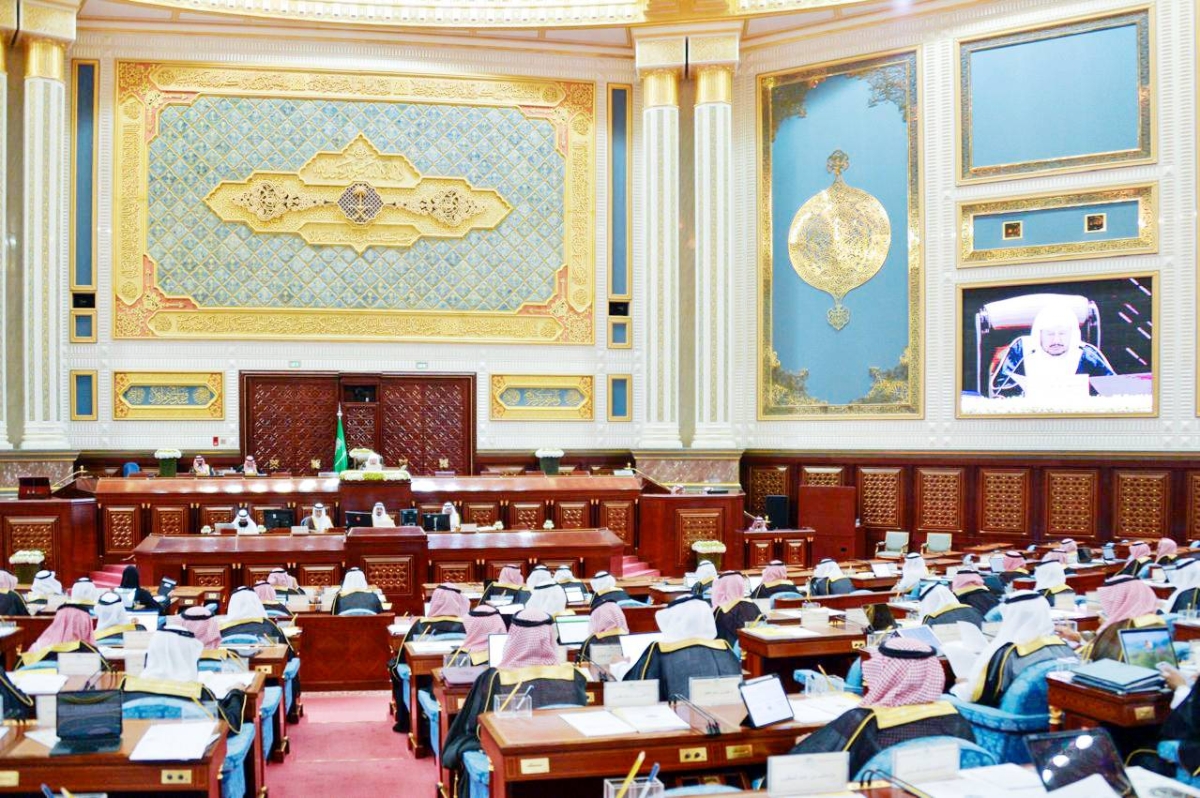
أصدر مجلس الشورى قراراً بشأن ما تضمنه التقرير السنوي لجامعة الإمام محمد بن سعود الإسلامية، وطالب المجلس في جلسته العادية الثانية من أعمال السنة الثانية للدورة التاسعة المنعقدة برئاسة رئيس المجلس الشيخ الدكتور عبدالله محمد إبراهيم آل الشيخ، الجامعة برفع الكفاءة الداخلية لبرامجها الأكاديمية، وضمان جودة مخرجات تلك البرامج، ودعم بنيتها التقنية الحديثة، والتوعية بالممارسات المتعلقة بها، و تطوير برنامج تبادل الطلبة الدوليين، ليشمل طلبة التخصصات ذات الأولوية في سوق العمل.
وناقش المجلس، التقرير السنوي لبنك التنمية الاجتماعية، وطالب عضو المجلس الدكتور مصلح الحارثي، بنك التنمية الاجتماعية، بالتنسيق مع الجهات ذات العلاقة، لتطوير منصة رقمية موحدة لبرامجه تتيح تكامل البيانات وقياس الأثر التنموي، وأكد عضو المجلس خالد السيف، أهمية توسع بنك التنمية الاجتماعية في مبادراته لتمكين ذوي الاحتياجات الخاصة عبر برامج تمويلية وخدمات استشارية متخصصة بما يضمن دمجهم الفعال في سوق العمل وتعزيز دورهم في التنمية.
وناقش المجلس، التقرير السنوي لوزارة الاقتصاد والتخطيط، وأكد عضو المجلس الدكتور هاني أبو رأس، أهمية تعزيز ودمج مخرجات الدراسات القطاعية التي تعدها الوزارة في برامج وآليات عمل الجهات التنفيذية، وإعداد إطار وطني لرصد وقياس انعكاسها وأثر المبادرات والبرامج الحكومية على التنمية المكانية.
وطالبت عضو المجلس الدكتورة نجوى الغامدي، وزارة الاقتصاد والتخطيط بالتنسيق مع الجهات ذات العلاقة لنشر التقارير الدورية حول الميز التنافسية المناطقية والتحديات للتنمية.
وناقش المجلس، التقرير السنوي لجامعة الطائف، وطالب عضو المجلس الدكتور عبدالله الوقداني، جامعة الطائف بدراسة إنشاء كلية للعلوم الزراعية والأغذية، مستفيدة من الميز النسبية لمحافظة الطائف في مجالات الزراعة. ولاحظت عضو المجلس الدكتورة لبنى العجمي، التقدم الملحوظ للجامعة في عدد من التصنيفات الدولية، مشيرةً إلى أهمية بنائها لشراكات إستراتيجية مع القطاعات الاقتصادية والتنموية المحلية لتعظيم هذا الأثر المعرفي والبحثي.
النجار لبنك التنمية: خصصوا مبادرات لحل المشكلات عبر فروع رقمية
دعا عضو المجلس الدكتور عبدالله بن عمر النجار، بنك التنمية لتقديم مبادرات منها «مبادرة تمويل الابتكار المحلي للمشكلات المجتمعية» أو «مبادرة الحلول المحلية المصغرة» من خلال إنشاء برنامج تمويلي وتنموي عبر بنك التنمية الاجتماعية يستهدف الأفراد أو الفرق المحلية القادرة على تصميم حلول ابتكارية مصغرة لمشكلات مجتمعية محلية واقعية ذات أثر على مجتمعهم المحلي، كون بعض المشكلات المجتمعية الصغيرة لا تجد تمويلاً لأنها لا تعد مشاريع تجارية تقليدية، ما يعزز حس الابتكار الاجتماعي المحلي وخلق فرص عمل قائمة على الحلول لا فقط على الاستهلاك، مؤمّلاً تبني بنك التنمية الإجتماعية آليات تمويلية مرنة تتماشى مع تنوع احتياجات المشاريع الاجتماعية، و فتح المجال أمام الأدوات التمويلية المبتكرة (التمويل الجماعي، التمويل القائم على الأداء)، والتي تسهم في تقليل مخاطر التمويل وتزيد من فاعلية المشاريع.
ودعا في حديثه لـ«عكاظ»، بنك التنمية الاجتماعية إلى المبادرة عاجلاً لإعداد دراسة فنية لاستبدال فروع البنك المستأجرة في بعض المدن والمحافظات والاستعاضة عنها بفروع رقمية أو شبه رقمية تقدم من خلالها الخدمات إلى المستفيدين بكل سهولة ويسر واستدامة.
عريشي لوزارة الاقتصاد والتخطيط: عززوا تحديث إستراتيجية القطاع غير الربحي
طالبت عضو المجلس، الدكتورة عائشة عريشي، وزارة الاقتصاد والتخطيط بالتنسيق مع المركز الوطني لتنمية القطاع غير الربحي، للعمل على تحديث إستراتيجية القطاع غير الربحي، بهدف تعزيز دوره في تحقيق التنميه الاقتصادية المستدامة.
وأكدت، في مداخلتها أهمية توفير مؤشرات اقتصادية وخطط تنموية تسهم في إيجاد التوازن وتوزيع الأنشطة الاقتصادية على مستوى المناطق بما يتناسب مع الميز النسبية، كون التركيز الحالي للمشاريع الاقتصادية على مدن الحزام الأوسط من المملكة وهي الدمام - الرياض - جدة، ما تسبب في إشكالية ضغط وازدحام.
وطالبت وزارة الاقتصاد والتخطيط بأن تواصل نهج الشفافية في تقييم المخاطر الاقتصادية المحتملة، والتوقعات المستقبلية المبنية على التقييم ونشرها دورياً عبر موقعها الإلكتروني ووسائل الاتصال المتاحة.
ناقش تقارير وزارة الاقتصاد وبنك التنمية وجامعة الطائف..
الشورى يطالب جامعة الإمام برفع الكفاءة الداخلية لبرامجها
17 سبتمبر 2025 - 01:51
|
آخر تحديث 17 سبتمبر 2025 - 01:51


تابع قناة عكاظ على الواتساب
علي الرباعي (الباحة) Al_ARobai@
The Shura Council issued a decision regarding the annual report of Imam Muhammad bin Saud Islamic University. In its second regular session of the second year of the ninth term, chaired by the Council's President Sheikh Dr. Abdullah Muhammad Ibrahim Al Sheikh, the Council demanded that the university enhance the internal efficiency of its academic programs, ensure the quality of the outputs of those programs, support its modern technical infrastructure, raise awareness of related practices, and develop an international student exchange program to include students from priority specialties in the job market.
The Council discussed the annual report of the Social Development Bank, and Council member Dr. Musleh Al-Harithi urged the Social Development Bank to coordinate with relevant entities to develop a unified digital platform for its programs that allows for data integration and measures developmental impact. Council member Khalid Al-Saif emphasized the importance of expanding the Social Development Bank's initiatives to empower people with disabilities through specialized financing programs and consulting services, ensuring their effective integration into the job market and enhancing their role in development.
The Council discussed the annual report of the Ministry of Economy and Planning, and Council member Dr. Hani Abu Ras emphasized the importance of enhancing and integrating the outputs of sectoral studies prepared by the ministry into the programs and operational mechanisms of executive entities, and preparing a national framework to monitor and measure their reflection and the impact of governmental initiatives and programs on spatial development.
Council member Dr. Najwa Al-Ghamdi called on the Ministry of Economy and Planning to coordinate with relevant entities to publish periodic reports on regional competitive advantages and challenges to development.
The Council discussed the annual report of Taif University, and Council member Dr. Abdullah Al-Wuqdani urged Taif University to study the establishment of a College of Agricultural and Food Sciences, benefiting from the relative advantages of Taif Governorate in the fields of agriculture. Council member Dr. Lubna Al-Ajmi noted the remarkable progress of the university in several international rankings, pointing to the importance of building strategic partnerships with local economic and developmental sectors to maximize this knowledge and research impact.
Al-Najjar to the Social Development Bank: Allocate initiatives to solve problems through digital branches
Council member Dr. Abdullah bin Omar Al-Najjar called on the Social Development Bank to present initiatives such as the "Local Innovation Financing Initiative for Community Problems" or the "Mini Local Solutions Initiative" by creating a financing and developmental program through the Social Development Bank targeting individuals or local teams capable of designing innovative mini-solutions for real local community problems that have an impact on their local community. He noted that some small community problems do not receive funding because they are not considered traditional commercial projects, which enhances the sense of local social innovation and creates job opportunities based on solutions rather than just consumption. He expressed hope that the Social Development Bank would adopt flexible financing mechanisms that align with the diverse needs of social projects and open the door to innovative financing tools (crowdfunding, performance-based financing), which contribute to reducing financing risks and increasing project effectiveness.
In his remarks to "Okaz," he urged the Social Development Bank to promptly initiate a technical study to replace the bank's rented branches in some cities and governorates with digital or semi-digital branches that provide services to beneficiaries easily, conveniently, and sustainably.
Al-Areeshi to the Ministry of Economy and Planning: Enhance the update of the non-profit sector strategy
Council member Dr. Aisha Al-Areeshi called on the Ministry of Economy and Planning to coordinate with the National Center for the Development of the Non-Profit Sector to work on updating the non-profit sector strategy, aiming to enhance its role in achieving sustainable economic development.
She emphasized, in her intervention, the importance of providing economic indicators and development plans that contribute to achieving balance and distributing economic activities at the regional level in accordance with relative advantages, as the current focus of economic projects is on the central cities of the Kingdom, namely Dammam, Riyadh, and Jeddah, which has caused issues of pressure and congestion.
She called on the Ministry of Economy and Planning to continue its approach of transparency in assessing potential economic risks and future forecasts based on the evaluation and to publish them periodically through its website and available communication channels.
The Council discussed the annual report of the Social Development Bank, and Council member Dr. Musleh Al-Harithi urged the Social Development Bank to coordinate with relevant entities to develop a unified digital platform for its programs that allows for data integration and measures developmental impact. Council member Khalid Al-Saif emphasized the importance of expanding the Social Development Bank's initiatives to empower people with disabilities through specialized financing programs and consulting services, ensuring their effective integration into the job market and enhancing their role in development.
The Council discussed the annual report of the Ministry of Economy and Planning, and Council member Dr. Hani Abu Ras emphasized the importance of enhancing and integrating the outputs of sectoral studies prepared by the ministry into the programs and operational mechanisms of executive entities, and preparing a national framework to monitor and measure their reflection and the impact of governmental initiatives and programs on spatial development.
Council member Dr. Najwa Al-Ghamdi called on the Ministry of Economy and Planning to coordinate with relevant entities to publish periodic reports on regional competitive advantages and challenges to development.
The Council discussed the annual report of Taif University, and Council member Dr. Abdullah Al-Wuqdani urged Taif University to study the establishment of a College of Agricultural and Food Sciences, benefiting from the relative advantages of Taif Governorate in the fields of agriculture. Council member Dr. Lubna Al-Ajmi noted the remarkable progress of the university in several international rankings, pointing to the importance of building strategic partnerships with local economic and developmental sectors to maximize this knowledge and research impact.
Al-Najjar to the Social Development Bank: Allocate initiatives to solve problems through digital branches
Council member Dr. Abdullah bin Omar Al-Najjar called on the Social Development Bank to present initiatives such as the "Local Innovation Financing Initiative for Community Problems" or the "Mini Local Solutions Initiative" by creating a financing and developmental program through the Social Development Bank targeting individuals or local teams capable of designing innovative mini-solutions for real local community problems that have an impact on their local community. He noted that some small community problems do not receive funding because they are not considered traditional commercial projects, which enhances the sense of local social innovation and creates job opportunities based on solutions rather than just consumption. He expressed hope that the Social Development Bank would adopt flexible financing mechanisms that align with the diverse needs of social projects and open the door to innovative financing tools (crowdfunding, performance-based financing), which contribute to reducing financing risks and increasing project effectiveness.
In his remarks to "Okaz," he urged the Social Development Bank to promptly initiate a technical study to replace the bank's rented branches in some cities and governorates with digital or semi-digital branches that provide services to beneficiaries easily, conveniently, and sustainably.
Al-Areeshi to the Ministry of Economy and Planning: Enhance the update of the non-profit sector strategy
Council member Dr. Aisha Al-Areeshi called on the Ministry of Economy and Planning to coordinate with the National Center for the Development of the Non-Profit Sector to work on updating the non-profit sector strategy, aiming to enhance its role in achieving sustainable economic development.
She emphasized, in her intervention, the importance of providing economic indicators and development plans that contribute to achieving balance and distributing economic activities at the regional level in accordance with relative advantages, as the current focus of economic projects is on the central cities of the Kingdom, namely Dammam, Riyadh, and Jeddah, which has caused issues of pressure and congestion.
She called on the Ministry of Economy and Planning to continue its approach of transparency in assessing potential economic risks and future forecasts based on the evaluation and to publish them periodically through its website and available communication channels.