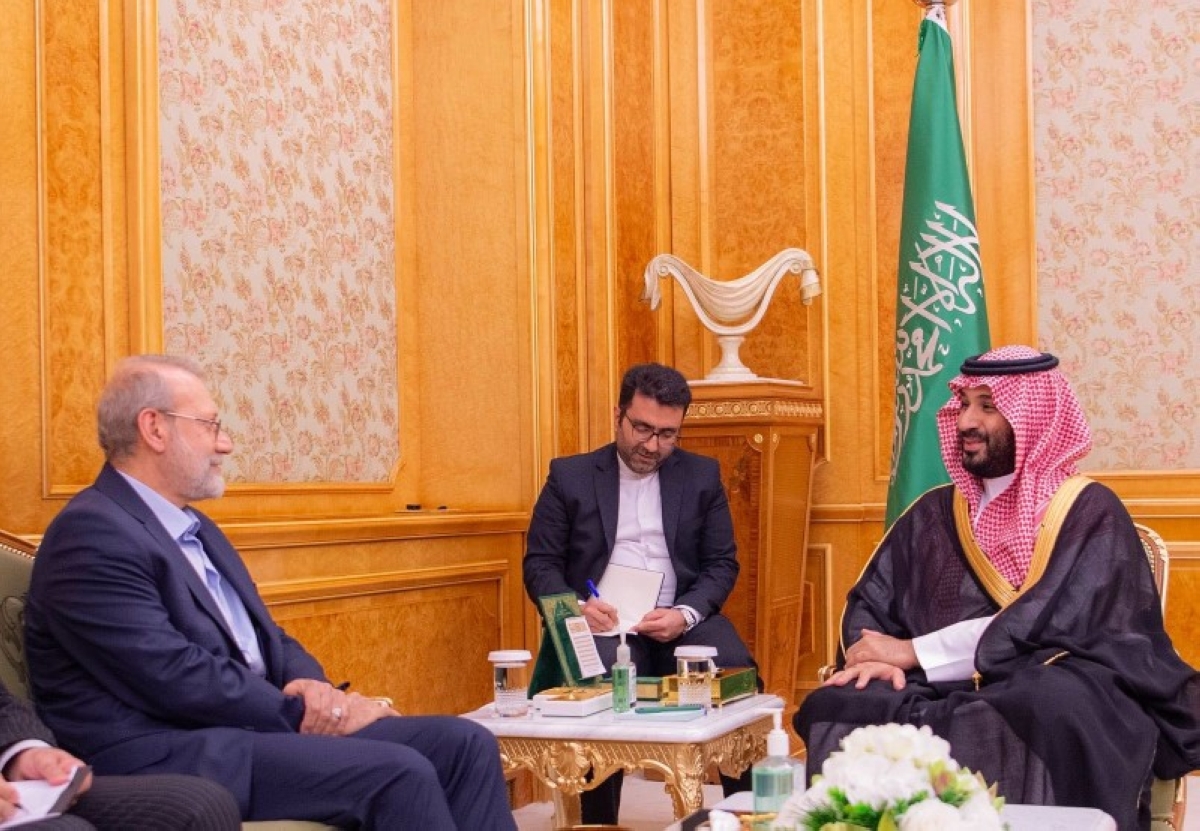
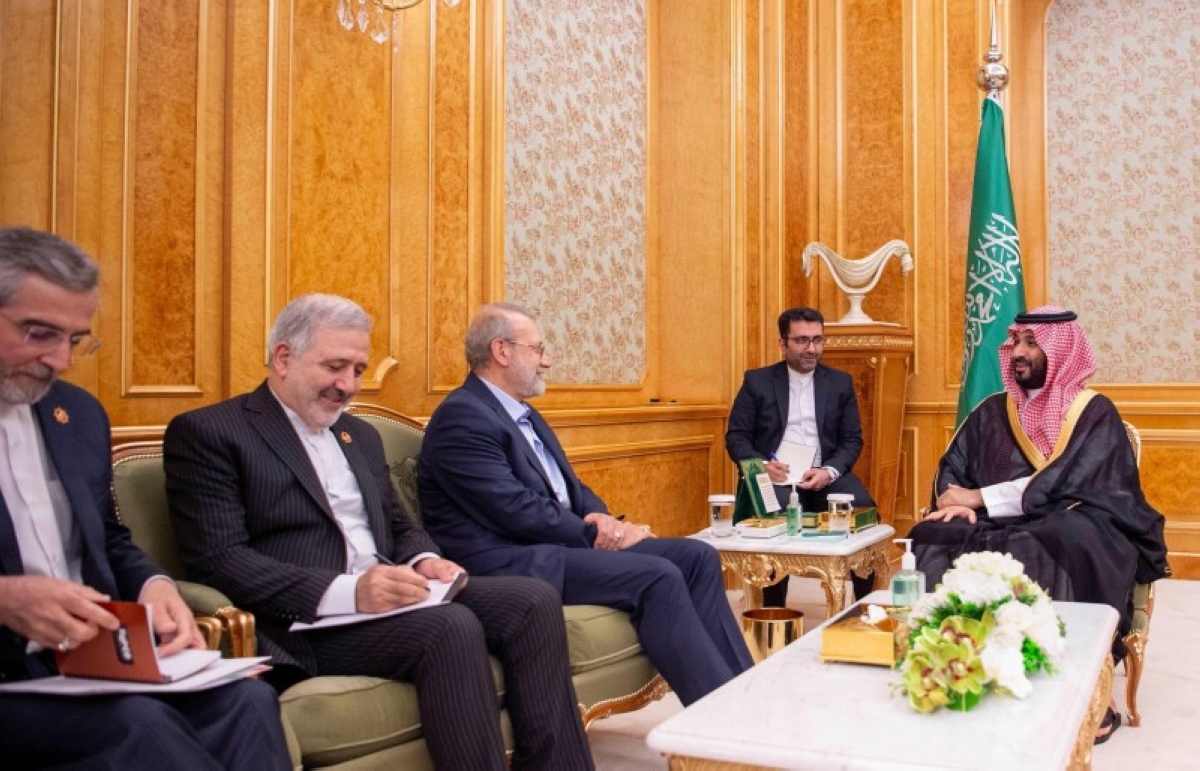
لم يكن لقاء ولي العهد الأمير محمد بن سلمان مع الرئيس الإيراني مسعود بزشكيان في الدوحة حدثاً بروتوكولياً على هامش القمة العربية-الإسلامية الطارئة، بل خطوة مدروسة تعكس تصميم الرياض على لعب دور قائد في صياغة مستقبل المنطقة، وبعد ساعات فقط، جاء استقبال ولي العهد لعلي لاريجاني، الأمين العام للمجلس الأعلى للأمن القومي الإيراني، في قصر اليمامة بالرياض اليوم ليؤكد أن الحوار مع طهران مسار إستراتيجي تُصر السعودية على قيادته ضمن معادلة توازن إقليمي جديدة.
السعودية.. مركز الثقل الإسلامي والعربي:
هذه التحركات المتزامنة تكشف عن إدراك سعودي عميق أن الخليج والعالم العربي بحاجة إلى رؤية موحدة لحماية أمنه القومي. الرياض تنطلق من كونها مركز الثقل السياسي والاقتصادي والإسلامي، بما يمنحها الشرعية لتكون منصة اللقاء والتفاوض، وصاحبة الكلمة الفصل في أي تسوية تسعى لإبعاد شبح الحروب عن الشرق الأوسط.
الدبلوماسية السعودية:
النهج الذي يقوده ولي العهد يقوم على دبلوماسية صارمة تمزج بين الانفتاح والردع، فالحوار مع طهران لا يعني تقديم تنازلات، بل إعادة ضبط قواعد اللعبة: لا مكان لتهديد الملاحة، ولا مجال لتجاوز سيادة الدول، ولا قبول لبرنامج نووي يهدد استقرار الإقليم، هذه الرسائل تُرسل بهدوء، لكن بصرامة، من خلال القمم الثنائية ومن خلال اللقاءات المباشرة مع صناع القرار الإيراني.
الذاكرة القريبة:
لا يمكن قراءة هذا المسار بمعزل عن زيارة وزير الدفاع السعودي الأمير خالد بن سلمان إلى طهران قبل أشهر، التي مهدت الأرضية للحوار المباشر، تلك الزيارة عكست أن الرياض تتحرك بخطوات محسوبة، تبني جسوراً عند الحاجة، وتغلق المنافذ عند الضرورة.
التحديات القادمة:
رغم أجواء الانفراج، تبقى الملفات شائكة مثل الوضع الأمني في الخليج واليمن، مستقبل البرنامج النووي الإيراني، توازن النفوذ الإقليمي في العراق ولبنان وسورية.
هذه التحديات تقودها الدبلوماسية السعودية، لكنها في الوقت ذاته تُبرز حاجة المنطقة إلى قيادة موثوقة مثل الرياض قادرة على ضبط الإيقاع كقائد موثوق يسعى إلى شرق أوسط خالٍ من الحروب، شرق أوسط يوازن بين المصالح ويكبح التدخلات، وولي العهد، من خلال تحركاته السريعة بين الدوحة والرياض، يُعيد تأكيد أن الرياض منصة حلول، وأن الدبلوماسية الصارمة هي الطريق الوحيد لتحقيق استقرار طويل الأمد.
The meeting between Crown Prince Mohammed bin Salman and Iranian President Masoud Bezhaskian in Doha was not a mere protocol event on the sidelines of the emergency Arab-Islamic summit, but rather a calculated step reflecting Riyadh's determination to play a leading role in shaping the future of the region. Just hours later, the Crown Prince's reception of Ali Larijani, the Secretary of the Supreme National Security Council of Iran, at Al-Yamamah Palace in Riyadh today confirms that dialogue with Tehran is a strategic path that Saudi Arabia insists on leading within a new regional balance equation.
Saudi Arabia.. The Center of Islamic and Arab Weight:
These simultaneous movements reveal a deep Saudi awareness that the Gulf and the Arab world need a unified vision to protect their national security. Riyadh operates from its position as the political, economic, and Islamic center of gravity, which grants it the legitimacy to be a platform for meeting and negotiation, and the final word in any settlement that seeks to keep the specter of wars away from the Middle East.
Saudi Diplomacy:
The approach led by the Crown Prince is based on a strict diplomacy that blends openness and deterrence. Dialogue with Tehran does not mean making concessions, but rather resetting the rules of the game: there is no place for threats to navigation, no room for violating state sovereignty, and no acceptance of a nuclear program that threatens regional stability. These messages are sent quietly, but firmly, through bilateral summits and direct meetings with Iranian decision-makers.
Recent Memory:
This trajectory cannot be read in isolation from the visit of Saudi Defense Minister Prince Khalid bin Salman to Tehran a few months ago, which paved the way for direct dialogue. That visit reflected that Riyadh is moving with calculated steps, building bridges when necessary and closing off avenues when needed.
Upcoming Challenges:
Despite the atmosphere of détente, issues remain complex, such as the security situation in the Gulf and Yemen, the future of the Iranian nuclear program, and the balance of regional influence in Iraq, Lebanon, and Syria.
These challenges are led by Saudi diplomacy, but at the same time, they highlight the region's need for a reliable leadership like Riyadh, capable of setting the pace as a trustworthy leader striving for a war-free Middle East, a Middle East that balances interests and curbs interventions. The Crown Prince, through his swift movements between Doha and Riyadh, reaffirms that Riyadh is a platform for solutions, and that strict diplomacy is the only path to achieving long-term stability.