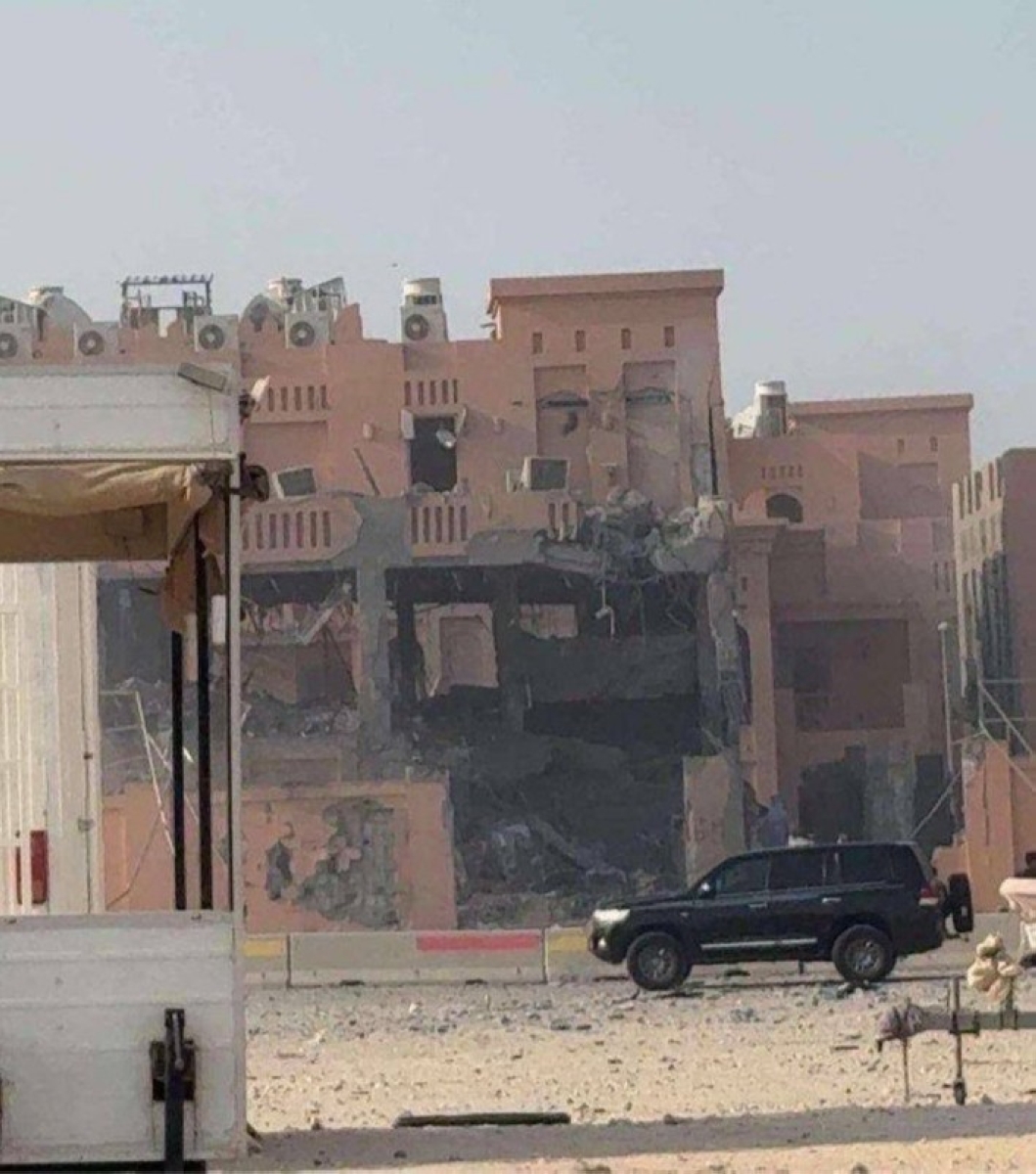
الهجوم الإسرائيلي على العاصمة القطرية الدوحة شكّل منعطفا غير مسبوق في مسار الصراع، إذ استهدف قادة من حركة حماس خلال وجودهم في قطر، وأدى إلى مقتل أحد أفراد قوات الأمن القطري. وزارة الداخلية القطرية أعلنت بوضوح أنها اتخذت جميع الإجراءات لضمان سلامة المواطنين والمقيمين، في إشارة إلى أن الحادثة لم تكن مجرد استهداف لفصيل فلسطيني، بل خرق مباشر لسيادة الدولة وأمنها الداخلي.
رئيس الوزراء الإسرائيلي بنيامين نتنياهو قدّم رواية العملية باعتبارها قرارا إسرائيليا مستقلا، مؤكدا أنه أمر بتنفيذ الضربة بعد توفر ما وصفه بـ«الفرصة العملياتية»، رابطا العملية بالهجمات في القدس وغزة، ومعلنا أن استهداف قادة «حماس» يمكن أن يمهد لإنهاء الحرب. كما شدد على أن الحرب ستتوقف فورا إذا وافقت الحركة على مقترح ترمب، في محاولة لربط الضربة العسكرية بمسار التفاوض السياسي، مع إصرار واضح على أن قادة «حماس» لم يعودوا محصنين في أي مكان، بما في ذلك الدوحة.
من داخل الحركة، جاء الرد بأن الضربة أوقعت قتلى بينهم نجل خليل الحية، لكنها لم تصب القيادة العليا ولا الوفد المفاوض، ما يعني أن «حماس» سعت إلى التقليل من أثر العملية على بنيتها القيادية والتأكيد على استمرارها في الميدان السياسي والعسكري معا.
ردود الفعل الدولية تباينت بين إدانة صريحة وتحذير من الانزلاق نحو تصعيد إقليمي أوسع. محمود عباس رأى أن الضربة تهدد الأمن والاستقرار في المنطقة، بينما وصف الرئيس الفرنسي إيمانويل ماكرون العملية بأنها غير مقبولة مهما كانت دوافعها، وأكد رئيس الوزراء البريطاني كير ستارمر أن ما جرى انتهاك لسيادة قطر وإنذار بتوتر متصاعد، في حين قال الرئيس الإيراني إن الهجوم يكشف أن إسرائيل لا تعترف بحدود لإرهابها وجرائمها. أما الولايات المتحدة فقد حرصت على إظهار الحياد النسبي، إذ أكد مسؤول في البيت الأبيض أن إسرائيل أبلغت واشنطن مسبقا بالعملية، دون الإشارة إلى مشاركة أو تبنٍّ سياسي مباشر.
أما الموقف الأبرز فقد جاء من المملكة العربية السعودية التي أصدرت بيانا عبّرت فيه عن إدانتها للهجوم الإسرائيلي على الدوحة، معتبرة ما جرى انتهاكا خطيرا للقانون الدولي وسيادة قطر، ومؤكدة في الوقت ذاته أن مثل هذه الأعمال لن تؤدي إلا إلى زعزعة الاستقرار وتقويض الجهود الرامية إلى إنهاء الحرب. هذا البيان وضع الرياض في قلب الموقف الدبلوماسي، مجددا دورها المحوري كداعم للاستقرار وكصوت إقليمي يحذر من تداعيات عسكرة الصراع خارج نطاقه التقليدي.
في المجمل، ما حدث في الدوحة لم يكن مجرد عملية عسكرية تستهدف قادة «حماس»، بل رسالة مزدوجة حملت أبعادا تتعلق بالسيادة والأمن الإقليمي ودور الوسطاء في مسار التسويات. إسرائيل أرادت القول إنها قادرة على الوصول إلى خصومها أينما كانوا، بينما قطر وجدت نفسها في موقع المستهدَف المباشر، والمملكة تحركت لتثبيت مبدأ السيادة وحماية مسار التهدئة، في لحظة يتقاطع العسكري بالسياسي والدبلوماسي، وتتشابك الحسابات الإقليمية مع مستقبل الحرب في غزة.
The Israeli attack on the Qatari capital, Doha, marked an unprecedented turning point in the course of the conflict, as it targeted leaders of Hamas during their presence in Qatar, resulting in the death of a member of the Qatari security forces. The Qatari Ministry of Interior clearly announced that it had taken all necessary measures to ensure the safety of citizens and residents, indicating that the incident was not merely an attack on a Palestinian faction, but a direct violation of the state's sovereignty and internal security.
Israeli Prime Minister Benjamin Netanyahu presented the operation as an independent Israeli decision, asserting that he ordered the strike after what he described as an "operational opportunity," linking the operation to the attacks in Jerusalem and Gaza, and announcing that targeting Hamas leaders could pave the way for ending the war. He also emphasized that the war would stop immediately if the movement agreed to Trump's proposal, attempting to connect the military strike to the political negotiation process, with a clear insistence that Hamas leaders were no longer immune anywhere, including Doha.
From within the movement, the response was that the strike resulted in casualties, including the son of Khalil al-Hayya, but did not hit the senior leadership or the negotiating delegation, which means that Hamas sought to downplay the impact of the operation on its leadership structure and to affirm its continued presence in both the political and military arenas.
International reactions varied between explicit condemnation and warnings against slipping into a broader regional escalation. Mahmoud Abbas viewed the strike as a threat to security and stability in the region, while French President Emmanuel Macron described the operation as unacceptable regardless of its motives. British Prime Minister Keir Starmer confirmed that what occurred was a violation of Qatar's sovereignty and a warning of rising tensions, while the Iranian president stated that the attack reveals that Israel does not recognize boundaries for its terrorism and crimes. The United States, on the other hand, sought to show relative neutrality, with a White House official confirming that Israel had informed Washington in advance about the operation, without indicating any direct political involvement or endorsement.
The most prominent stance came from the Kingdom of Saudi Arabia, which issued a statement expressing its condemnation of the Israeli attack on Doha, considering what happened a serious violation of international law and Qatar's sovereignty, while also affirming that such actions would only lead to destabilization and undermine efforts to end the war. This statement positioned Riyadh at the heart of the diplomatic stance, reaffirming its pivotal role as a supporter of stability and as a regional voice warning of the implications of militarizing the conflict beyond its traditional scope.
Overall, what happened in Doha was not merely a military operation targeting Hamas leaders, but a dual message carrying dimensions related to sovereignty, regional security, and the role of mediators in the settlement process. Israel wanted to convey that it could reach its adversaries wherever they were, while Qatar found itself in the position of a direct target, and the Kingdom moved to affirm the principle of sovereignty and protect the path to de-escalation, at a moment where military, political, and diplomatic interests intersect, and regional calculations intertwine with the future of the war in Gaza.