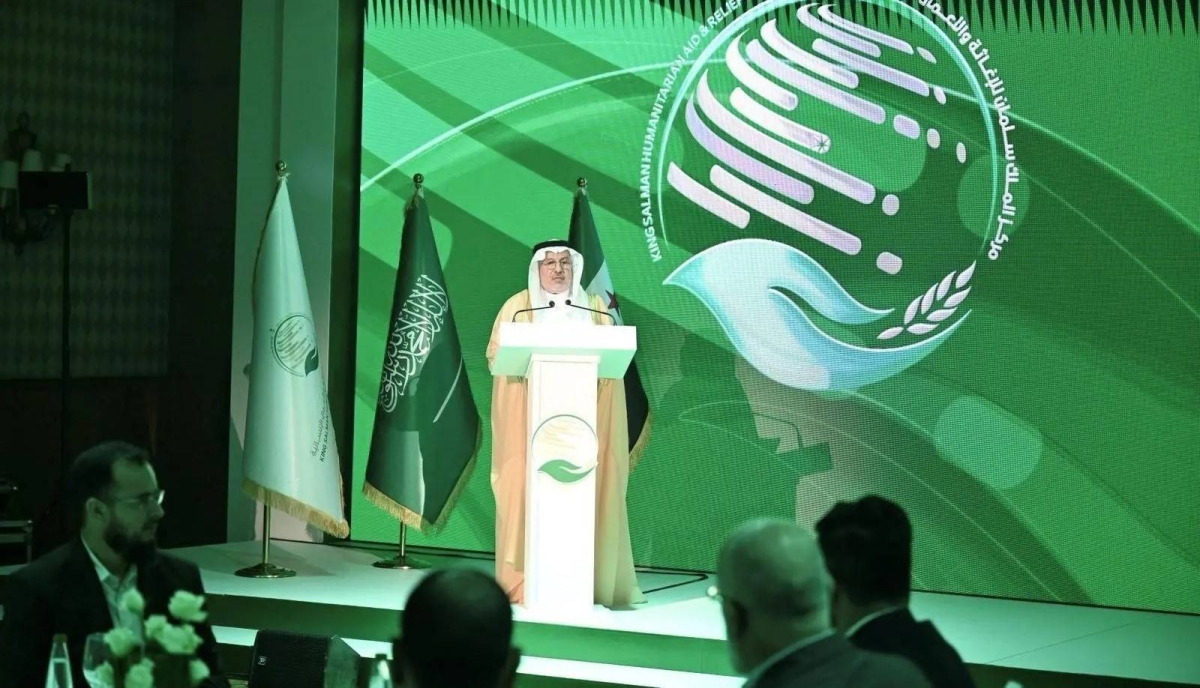
دشَّن المشرف العام على مركز الملك سلمان للإغاثة والأعمال الإنسانية الدكتور عبدالله بن عبدالعزيز الربيعة، اليوم، حزمة من المشروعات الإنسانية، وتوقيع عددٍ من الاتفاقيات في مدينة دمشق، وذلك برعاية رئيس الجمهورية العربية السورية أحمد الشرع، وحضور عددٍ من الوزراء وكبار المسؤولين بالحكومة السورية، وسفير خادم الحرمين الشريفين لدى سورية الدكتور فيصل بن سعود المجفل، وأعضاء السلك الدبلوماسي، وعددٍ من ممثلي المنظمات الإنسانية الدولية.
واشتمل الحفل الخطابي على عرض مرئي حول جهود مركز الملك سلمان للإغاثة والأعمال الإنسانية ومبادراته النوعية حول العالم، ثم أكد الرئيس السوري في كلمة ألقاها نيابة عنه وزير الطوارئ وإدارة الكوارث رائد الصالح، أن هذا الحدث الإنساني البارز يجسد عمق الأخوة والتعاون بين الجمهورية العربية السورية والمملكة العربية السعودية، ويعبر عن روح التضامن الإنساني في مواجهة التحديات، متوجهًا بالشكر الجزيل إلى المملكة بقيادة خادم الحرمين الشريفين، وولي عهده الأمين، وإلى مركز الملك سلمان للإغاثة والأعمال الإنسانية، على ما قُدم من دعم ومساندة للشعب السوري طوال السنوات الماضية، وعلى الوقوف إلى جانب سورية في هذه المرحلة المهمة، من خلال مشاريع نوعية تسهم في التخفيف من معاناة المواطنين، وتعزز قدرات الاستجابة الإنسانية، وجهود التعافي على المستويات كافة.
تعزيز الشراكة في مجالات الإغاثة والاستجابة الإنسانية
وقال: «إننا اليوم نخطو معًا نحو مرحلة جديدة، نتطلع فيها إلى تعزيز هذه الشراكة في مجالات الإغاثة والاستجابة الإنسانية، وتوسيع آفاق التعاون بما يخدم أهدافنا المشتركة في حماية المدنيين، وتقديم الدعم للمجتمعات المتضررة وتحقيق التنمية والتمكين الاقتصادي».
ثم ألقى الدكتور الربيعة كلمة نقل فيها للحضور تحيات خادم الحرمين الشريفين الملك سلمان بن عبدالعزيز آل سعود، وولي العهد رئيس مجلس الوزراء الأمير محمد بن سلمان بن عبدالعزيز، وتمنياتهما للشعب السوري الشقيق استئناف مسيرة البناء من أجل سورية الآمنة المنفتحة على محيطها العربي.
العمل الإنساني جزء أصيل من هوية المملكة
وبيَّن أن العمل الإنساني يشكل جزءًا أصيلًا من هوية المملكة العربية السعودية، ونهجًا حضاريًا لتعزيز الروابط بين الشعوب، وإحياء روح التكافل بين البشر جميعًا، وترسخ هذا النهج الإنساني في ظل قيادة خادم الحرمين الشريفين ومتابعة ودعم ولي عهده الأمين وتحوّل العمل إلى إستراتيجية مؤسسية متكاملة تجسدها أعمال مركز الملك سلمان للإغاثة الذي بلغ نطاق عمله 108 دول حول العالم، من ضمنها الجمهورية العربية السورية الشقيقة التي لم تغب لحظة عن وجدان القيادة والشعب السعودي، التي خصص لها المركز منذ تأسيسه 454 مشروعًا بما يربو على خمسة مليارات و250 مليون ريال، من إجمالي 28 مليارًا و100 مليون ريال قدمتها المملكة لسورية.
حضور كبير خلال الحفل.
وأشار الدكتور الربيعة إلى أن الحقبة التي سبقت تأسيس المركز شهدت دعمًا مستمرًا منذ عقود في مختلف المجالات، ومواقف متتالية جسدت هذا الحضور، سواء باستضافة الأشقاء السوريين بجميع مكوناتهم كأشقاء وليسوا لاجئين في المملكة، ومنحهم حقوق العيش الكريم والتعليم والرعاية الصحية المجانية، أو من خلال تسيير القوافل الإنسانية إلى الداخل السوري ولمخيمات اللاجئين في دول الجوار.
وفي ختام كلمته أكد الدكتور الربيعة أن المملكة بقيادتها الرشيدة ستظل ملاذًا للمحتاجين، ومغيثةً للملهوفين، وداعمةً للشعوب والمجتمعات في مسيرتها نحو التعافي والازدهار.
مشاريع إنسانية وإغاثية
وشمل التدشين مشاريع إنسانية وإغاثية تضمنت مشروع إعادة تأهيل المخابز المتضررة في محافظات ريف دمشق، وحمص، واللاذقية، والسويداء، ودرعا، حماة، ودير الزور، وحلب، بالتعاون مع برنامج الأمم المتحدة الإنمائي، يستفيد منه مليون و432 ألف فرد، إضافة إلى المشروع المخصص لإعادة تأهيل (715) منزلًا للعائلات المتضررة من الزلزال في محافظة حلب، كذلك ترميم مسجد البلدة وتجهيز (55) وحدة سكنية مؤقتة للعائلات الأشد تضررًا التي أصبحت بلا مأوى، ويستفيد منه 4,587 فردًا.
ودُشن كذلك المشروع المخصص لرعاية وتمكين الأيتام في شمال غرب سورية بغرض تقديم كفالات نقدية شهرية لدعم 1,000 طفل يتيم في منطقة جنديرس، إضافة إلى تمكين (400) امرأة من ربات المنازل اقتصاديًا من خلال تقديم منح عينية لهن، وكذلك مشروع أمان لرعاية الأيتام المتضررين في محافظة حلب ويهدف إلى تقديم الكفالات النقدية وتوفير المستلزمات الأساسية والدعم النفسي والاجتماعي للأيتام، إلى جانب تمكين أمهات الأيتام اقتصاديًا عبر التدريب المهني، وتوفير الأدوات اللازمة.
وشمل أيضًا مشروعاً لتأمين 454 جهازًا للغسيل الكلوي مع مستلزماتها ومحاليلها لتوزيعها في مختلف المحافظات السورية، يستفيد منه 51,400 فرد، ومشروع لتقديم المساعدات الطبية يتضمن تجهيز 17 مستشفى مركزيًا في مدينتي اللاذقية وحلب بالأجهزة الطبية، وتوريد جهازين بالتصوير المقطعي المحوسب، إضافة إلى أجهزة الأشعة والموجات الصوتية والإيكو لأقسام الأشعة، وتأمين 10 سيارات إسعاف ومجموعة كبيرة من الأدوية، يستفيد منه 4 ملايين فرد، ومشروع لتشييد مركز رعاية صحية وملحقاته لإعادة تأهيل الخدمات الصحية الأساسية التي تضررت بشكل كبير من الأزمة الإنسانية، وتحسين الوصول للفئات الضعيفة في محافظة دمشق، إضافة إلى تدشين الجسر البري الإغاثي لدعم الشعب السوري الذي يتضمن تدشين 50 شاحنة تحمل أجهزة غسيل الكلى ومستلزماتها الطبية، ومواد غذائية وإيوائية، ومعدات ثقيلة، وآليات لرفع الأنقاض، وسيارات إسعاف.
61 مشروعًا تطوعيًا طبيًا وغير طبي
ودُشن كذلك 61 مشروعًا تطوعيًا طبيًا وغير طبي في 45 تخصصًا يجري تنفيذها خلال العام 2025م، منها 8 مشاريع انطلقت بالتزامن مع حفل التدشين، وتشتمل على تخصصات متنوعة كجراحة الأطفال، وجراحة الأنف والأذن والحنجرة، وجراحة الأورام للأطفال، وجراحة المخ والأعصاب، ومشروعين لزراعة القوقعة والتأهيل السمعي، ومشروع مختص بالتدريب على مجال الجراحة والعناية المركزة، ومشروع للإثراء والنقل المعرفي (الأمن السيبراني).
ووقع مركز الملك سلمان للإغاثة والأعمال الإنسانية (9) اتفاقيات تعاون مع منظمات إنسانية محلية ودولية وأممية تهدف إلى دعم العمل الإغاثي في سورية، وشملت الاتفاقية الأولى دعم سلسلة إنتاج القمح في الريف الشرقي لمحافظة حلب، يستفيد منها (16,500) فرد بواقع (2,500) أسرة، والاتفاقية الثانية تهدف لتأهيل (15) بئرًا وتوفير المياه الصالحة للشرب في منطقة دوما بريف دمشق، يستفيد منها (250,000) فرد، وشملت الاتفاقية الثالثة تنفيذ مشروع سبع سنابل في الشمال السوري لدعم (750) أسرة زراعية وتمكينها من إنتاج الخضراوات والقمح وتوفير فرص عمل لـ(500) عامل بنظام الأجر اليومي، واتفاقية رابعة لتأهيل شبكات الصرف الصحي في منطقة القابون بدمشق، يستفيد منها (21,000) فرد.
ووقع كذلك اتفاقية خامسة لتنفيذ مشروع «بسمة أمل» لرعاية الأيتام في سورية وتشمل صرف الكفالات النقدية، وسداد الرسوم الدراسية، وتقديم برامج وأنشطة ترفيهية، إضافة إلى توفير السلال الغذائية والكسوة للأيتام وأسرهم، فيما شملت الاتفاقية السادسة تأهيل آبار العقدة الثامنة في بلدة صحنايا بمحافظة ريف دمشق يستفيد منها (300,000) فرد.
كما وقَّع مركز الملك سلمان للإغاثة اتفاقية سابعة لإزالة وإدارة الإنقاض في محافظة دمشق وريفها، يستفيد منها أكثر من 4 ملايين فرد، واتفاقية تعاون مشترك ثامنة مع إحدى مؤسسات المجتمع المدني، لإعادة تأهيل (34) مدرسة متضررة في محافظات حلب وإدلب وحمص، يستفيد منها (26,197) فردًا، إضافة إلى توقيع المركز اتفاقية تاسعة لإعادة تأهيل المقر الخاص بوزارة الطوارئ وإدارة الكوارث، ورفع القدرات وتبادل الخبرات في المجال الإنساني في محافظة دمشق.
ثم قدم عدد من الأطفال المستفيدين من مشروع «أمان» لرعاية الأيتام مشاركة لهم في الحفل.
The General Supervisor of the King Salman Center for Relief and Humanitarian Works, Dr. Abdullah bin Abdulaziz Al-Rubai, today launched a package of humanitarian projects and signed several agreements in the city of Damascus, under the auspices of the President of the Syrian Arab Republic, Ahmad al-Shara, and in the presence of several ministers and senior officials of the Syrian government, the Ambassador of the Custodian of the Two Holy Mosques to Syria, Dr. Faisal bin Saud Al-Mujafal, members of the diplomatic corps, and several representatives of international humanitarian organizations.
The speech ceremony included a visual presentation on the efforts of the King Salman Center for Relief and Humanitarian Works and its qualitative initiatives around the world. The Syrian president, in a speech delivered on his behalf by the Minister of Emergency and Disaster Management, Raed Saleh, confirmed that this prominent humanitarian event embodies the depth of brotherhood and cooperation between the Syrian Arab Republic and the Kingdom of Saudi Arabia, and expresses the spirit of humanitarian solidarity in facing challenges. He extended his heartfelt thanks to the Kingdom, led by the Custodian of the Two Holy Mosques and his trustworthy Crown Prince, and to the King Salman Center for Relief and Humanitarian Works for the support and assistance provided to the Syrian people over the past years, and for standing by Syria during this important phase through qualitative projects that contribute to alleviating the suffering of citizens and enhancing humanitarian response capacities and recovery efforts at all levels.
Enhancing Partnership in Relief and Humanitarian Response
He said: "Today, we step together into a new phase, looking forward to enhancing this partnership in the fields of relief and humanitarian response, and expanding the horizons of cooperation to serve our common goals in protecting civilians, providing support to affected communities, and achieving development and economic empowerment."
Dr. Al-Rubai then delivered a speech in which he conveyed the greetings of the Custodian of the Two Holy Mosques, King Salman bin Abdulaziz Al Saud, and the Crown Prince and Prime Minister, Prince Mohammed bin Salman bin Abdulaziz, along with their wishes for the brotherly Syrian people to resume the path of construction for a safe Syria that is open to its Arab surroundings.
Humanitarian Work is an Integral Part of the Kingdom's Identity
He indicated that humanitarian work is an integral part of the identity of the Kingdom of Saudi Arabia, a civilized approach to strengthening the bonds between peoples, and reviving the spirit of solidarity among all humans. This humanitarian approach has been solidified under the leadership of the Custodian of the Two Holy Mosques and the follow-up and support of his trustworthy Crown Prince, transforming the work into a comprehensive institutional strategy embodied in the works of the King Salman Center for Relief, which has reached 108 countries around the world, including the brotherly Syrian Arab Republic, which has never been absent from the consciousness of the leadership and the Saudi people. Since its establishment, the center has allocated 454 projects worth over five billion and 250 million riyals, out of a total of 28 billion and 100 million riyals provided by the Kingdom to Syria.
حضور كبير خلال الحفل.
Dr. Al-Rubai pointed out that the period preceding the establishment of the center witnessed continuous support for decades in various fields, with successive positions that embodied this presence, whether by hosting Syrian brothers of all components as brothers and not as refugees in the Kingdom, granting them rights to a decent living, education, and free healthcare, or by sending humanitarian convoys to inside Syria and to refugee camps in neighboring countries.
In conclusion, Dr. Al-Rubai affirmed that the Kingdom, under its wise leadership, will remain a refuge for the needy, a rescuer for the distressed, and a supporter of peoples and communities in their journey towards recovery and prosperity.
Humanitarian and Relief Projects
The launch included humanitarian and relief projects, including the rehabilitation of damaged bakeries in the provinces of Rural Damascus, Homs, Latakia, Sweida, Daraa, Hama, Deir ez-Zor, and Aleppo, in cooperation with the United Nations Development Program, benefiting 1,432,000 individuals. Additionally, there is a project dedicated to rehabilitating 715 homes for families affected by the earthquake in Aleppo, as well as restoring the town mosque and equipping 55 temporary housing units for the most severely affected families who have become homeless, benefiting 4,587 individuals.
A project was also launched to care for and empower orphans in northwestern Syria, aimed at providing monthly cash sponsorships to support 1,000 orphaned children in the Jandairis area, in addition to economically empowering 400 housewives by providing in-kind grants to them. There is also the Aman project for the care of orphans affected in Aleppo, which aims to provide cash sponsorships and essential supplies, as well as psychological and social support for orphans, alongside empowering the mothers of orphans economically through vocational training and providing necessary tools.
Additionally, a project was included to secure 454 dialysis machines with their supplies and solutions for distribution in various Syrian provinces, benefiting 51,400 individuals, and a project to provide medical assistance that includes equipping 17 central hospitals in the cities of Latakia and Aleppo with medical devices, supplying two computed tomography machines, in addition to X-ray and ultrasound equipment for radiology departments, and securing 10 ambulances and a large quantity of medicines, benefiting 4 million individuals. There is also a project to construct a healthcare center and its annexes to rehabilitate the basic health services that have been severely affected by the humanitarian crisis and improve access for vulnerable groups in the Damascus province, in addition to launching a land bridge for relief to support the Syrian people, which includes the launch of 50 trucks carrying dialysis machines and their medical supplies, food and shelter materials, heavy equipment, debris removal vehicles, and ambulances.
61 Medical and Non-Medical Volunteer Projects
Sixty-one medical and non-medical volunteer projects were also launched in 45 specialties to be implemented during the year 2025, including 8 projects that started simultaneously with the launch ceremony, covering various specialties such as pediatric surgery, ENT surgery, pediatric oncology, neurosurgery, two projects for cochlear implantation and auditory rehabilitation, a project specialized in training in surgery and intensive care, and a project for enrichment and knowledge transfer (cybersecurity).
The King Salman Center for Relief and Humanitarian Works signed 9 cooperation agreements with local, international, and UN humanitarian organizations aimed at supporting relief work in Syria. The first agreement supports the wheat production chain in the eastern countryside of Aleppo, benefiting 16,500 individuals, or 2,500 families. The second agreement aims to rehabilitate 15 wells and provide potable water in the Douma area of Rural Damascus, benefiting 250,000 individuals. The third agreement includes implementing the Seven Ears project in northern Syria to support 750 agricultural families and enable them to produce vegetables and wheat, providing job opportunities for 500 workers on a daily wage basis, and a fourth agreement to rehabilitate sewage networks in the Qaboun area of Damascus, benefiting 21,000 individuals.
A fifth agreement was also signed to implement the "Basmat Amal" project for the care of orphans in Syria, which includes disbursing cash sponsorships, paying school fees, and providing recreational programs and activities, in addition to providing food baskets and clothing for orphans and their families. The sixth agreement included the rehabilitation of the eighth node wells in the town of Sahnaia in Rural Damascus, benefiting 300,000 individuals.
The King Salman Center for Relief also signed a seventh agreement for the removal and management of debris in the Damascus province and its countryside, benefiting more than 4 million individuals, and an eighth joint cooperation agreement with a civil society organization to rehabilitate 34 damaged schools in the provinces of Aleppo, Idlib, and Homs, benefiting 26,197 individuals. Additionally, the center signed a ninth agreement to rehabilitate the headquarters of the Ministry of Emergency and Disaster Management, enhancing capacities and exchanging experiences in the humanitarian field in the Damascus province.
Finally, a number of children benefiting from the Aman project for the care of orphans participated in the ceremony.