


أكدت وزارة الصحة اهتمامها ومتابعتها لإصابات انحناء العمود الفقري، ونظمت في هذا الشأن حملات توعية، ووفرت للمهتمين نصائح ومعلومات حول طرق الوقاية والعلاج لهذه الحالات ومنها (الانحناء الجانبي) وفرط الحداب (الانحناء الأمامي)، وقالت: إن مثل هذه الإصابات تتطلب تشخيصاً مبكراً وعلاجاً متخصصاً والعلاج الطبيعي أو ارتداء دعامات وأخيراً الجراحة. وأوضحت الوزارة أن الجلوس الخاطئ أحد الأسباب؛ فالوضعية السليمة تشمل تدريب الجسم على الوقوف والجلوس والحركة بأقل عبء وإجهاد على العضلات والأربطة قدر الإمكان، ونصحت الأشخاص الذين يقضون فترات طويلة في الجلوس في المكاتب اتخاذ احتياطات إضافية للتأكد من الحفاظ على وضع صحي سليم.
من جانبها، تشير منظمة الصحة العالمية (WHO) الى أن نحو 500 ألف يتعرضون لإصابات في العمود الفقري كل عام، والعديد منهم يصابون بإعاقات دائمة بسبب نقص العلاج الملائم، و90% من الإصابات هي لحالات حوادث طرق وسقوط أو عنف، وتؤثر بشكل أكبر على الرجال والشباب وكبار السن، والفئات الأكثر عرضة لهذا المرض هم الشباب (20-29 عاماً) ثم كبار السن.
وطبقاً لأطباء مختصين في أمراض العظام، فإن الأطفال والمراهقين يصابون أيضاً بانحناء العمود الفقري، وشددوا على أهمية التشخيص والعلاج المبكر لمنع تفاقم الانحناء خصوصاً بين المراهقين.
المراهقات أكثر عرضة للإصابة
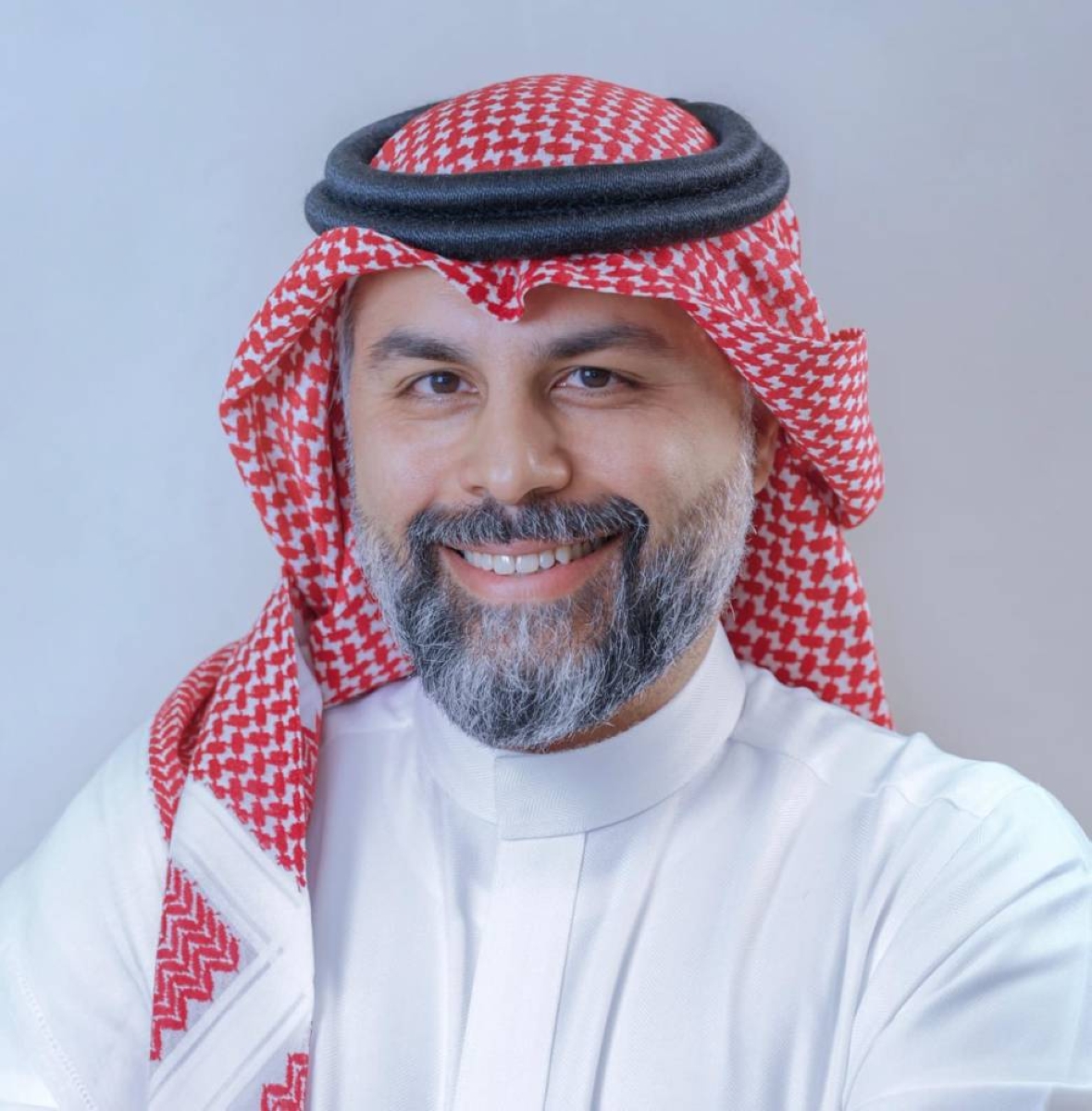
استشاري العظام وجراحة العمود الفقري الدكتور صلاح الدين خليفة قال لـ«عكاظ»: إن انحناء العمود الفقري من أبرز مشكلات الهيكل العظمي، التي تؤثر على التوازن الجسدي، ووظائف الأعضاء الداخلية، خصوصاً القلب والرئتين، إذا لم تُكتشف وتعالج في الوقت المناسب، وعن أسباب الانحناء قال: «إنها غير معروفة ومجهولة السبب، لكنه يشكل النسبة الأكبر خصوصاً عند المراهقين أو بسبب تشوهات خلقية لخلل في تكوّن الفقرات منذ الولادة، وأيضاً لأمراض عصبية عضلية: كشلل الأطفال، الحثل العضلي، أو إصابات الحبل الشوكي والانحناء الناتج عن الشيخوخة سبب هشاشة العظام أو تآكل الأقراص الفقرية، وهناك أسباب مكتسبة مثل الأورام أو الإصابات الشديدة».
وأوضح خليفة أنَّ مشكلات انحناء العمود الفقري تظهر غالباً في مرحلة الطفولة المتأخرة والمراهقة، خصوصاً بين 10– 16 سنة. وأن الفتيات أكثر عرضة للنوع مجهول السبب، وحالاتهن تميل للتفاقم سريعاً، كما قد يُصاب كبار السن نتيجة للتغيرات التنكسية المرتبطة بالعمر.
تاريخ عائلي وتشوهات
عن أسباب إصابة بعض الأطفال بانحناء العمود الفقري مبكراً، أوضح الدكتور خليفة أنها تعود لتشوهات خلقية منذ الولادة، إلى جانب عوامل وراثية أو وجود تاريخ عائلي، لكن ثمة مستجدات طبية في التعامل مع الانحناء؛ منها التشخيص المبكر بأحدث الأجهزة مثل الأشعة ثلاثية الأبعاد والدعامات الوقائية لتقليل الانحناء ومنع تطوره. العلاج الطبيعي المتخصص مثل تمارين شروث (Schroth) والجراحات الحديثة بتقنيات تثبيت دقيقة وآمنة، وهناك أبحاث جديدة تتجه لاستخدام الخلايا الجذعية والدعامات الذكية.
وقال: «إن الانحناء يؤثر على الجسم عبر اختلال في شكل الكتفين والحوض مع آلام مزمنة في الظهر أو الرقبة والضغط على الرئتين مع صعوبة في التنفس في الحالات المتقدمة، إلى جانب التأثير نفسي، خصوصاً للمراهقين بسبب التغييرات الظاهرة في شكل الجسم».
الوقاية كيف.. ومتى ؟
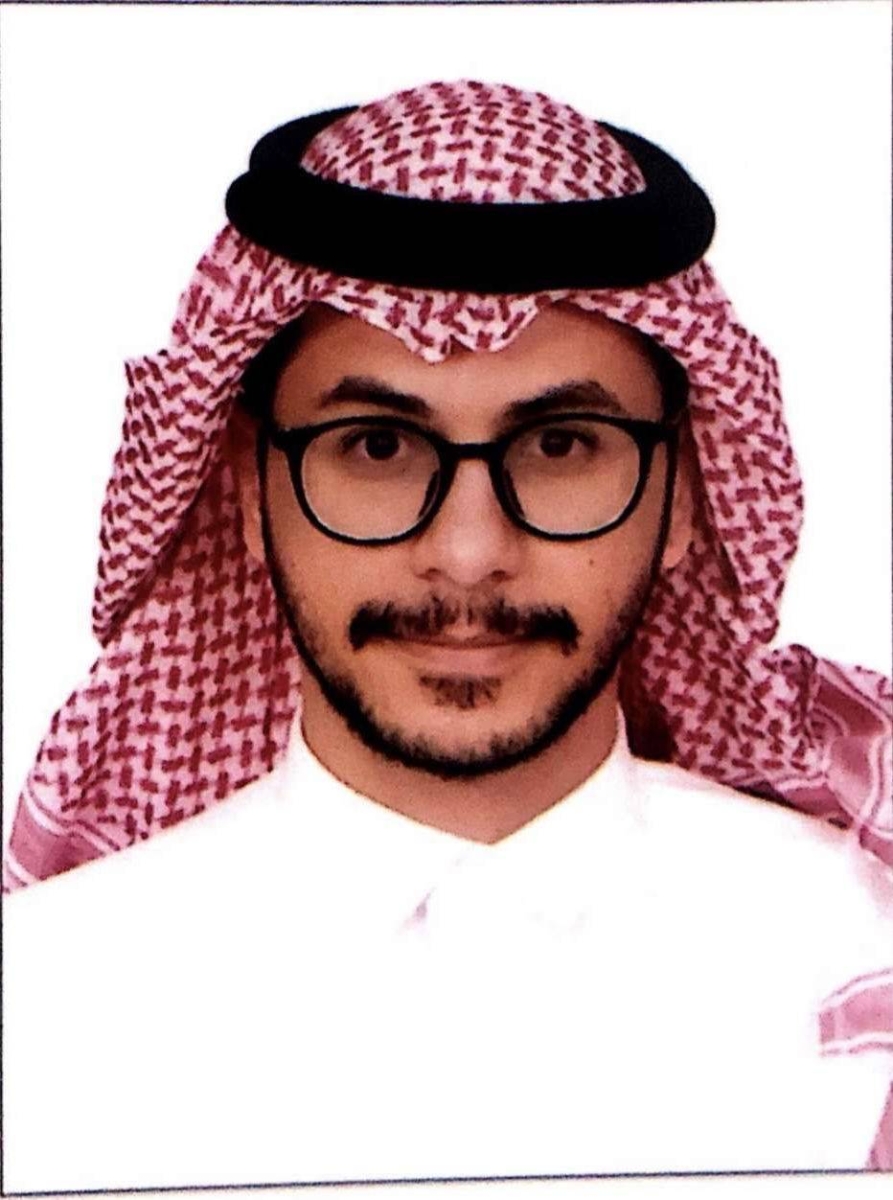
عن الوقاية من انحناء العمود الفقري يقول الطبيب العام في تخصص العظام الدكتور عبدالرحمن الناصر لـ«عكاظ»: إنها تبدأ بالوعي خصوصاً عند الأسر والمدارس، إذ إن اكتشاف الانحناء مبكراً يمنح فرصة للعلاج التحفظي ويمنع تطوره، ومن أهم طرق الوقاية الفحص الدوري لنمو الطفل في سن المدرسة والمراهقة، خصوصاً إذا كان هناك تاريخ عائلي، ومراقبة الوقفة والمشي، وملاحظة بروز أحد الكتفين أو ميلان الجسم وهي من العلامات التحذيرية المهمة، وتشجيع الطفل على ممارسة التمارين الرياضية التي تقوّي عضلات الظهر والبطن وتحسّن استقامة العمود الفقري، والاهتمام بالتغذية لدعم صحة العظام، خصوصاً في المراحل النمائية الحساسة، والعلاج الطبيعي المنتظم لحالات الانحناء البسيط أو لمنع الانحدار في الحالات المتوسطة.
وعن مخاوف بعض المرضى من العمليات الجراحية لعلاج الانحناء، أوضح الدكتور الناصر، أنه غالباً ما يخاف المرضى أو أهاليهم من العمليات الجراحية لعلاج انحناء العمود الفقري، بسبب مفاهيم قديمة أو تجارب شخصية سلبية. لكن الواقع الطبي اليوم يختلف تماماً؛ فالجراحات الحديثة آمنة وفعّالة، إذ تُجرى بتقنيات متقدمة ودقيقة تقلل من فقدان الدم وتقصّر مدة الإقامة في المستشفى، ونسبة النجاح مرتفعة وتُسهم في تصحيح الانحناء وتحسين المظهر الخارجي وتقليل الألم المزمن، والتدخل الجراحي في الوقت المناسب يمنع تفاقم الحالة ووصول درجة الانحناء إلى أكثر من 45 درجة، مما يقلل المضاعفات على الرئتين والقلب، والمريض بعد العملية يعود تدريجياً إلى حياته الطبيعية، وغالباً أفضل من ذي قبل من حيث الراحة النفسية والجسدية.
لهذا فإن التأخر في التدخل الجراحي غير مبرر في الحالات المتقدمة، بل على العكس، القرار المبكر هو مفتاح الشفاء التام، كما أنه في حال وصول درجة الانحناء إلى 45 درجة، ننصح الآباء والأمهات بعدم تأخير التدخل الجراحي، لما في ذلك من أهمية كبيرة في منع تفاقم الانحناء وتأثيراته المستقبلية الخطيرة على صحة أبنائهم وبناتهم، خصوصاً أن التطور الكبير في تقنيات الجراحة، وارتفاع مستوى الأمان بفضل مراقبة الأعصاب أثناء العمليات، قد أدى إلى تحقيق نتائج ممتازة وعودة المرضى إلى حياتهم الطبيعية بثقة وأمان.
العلاج الطبيعي هل يفيد ؟
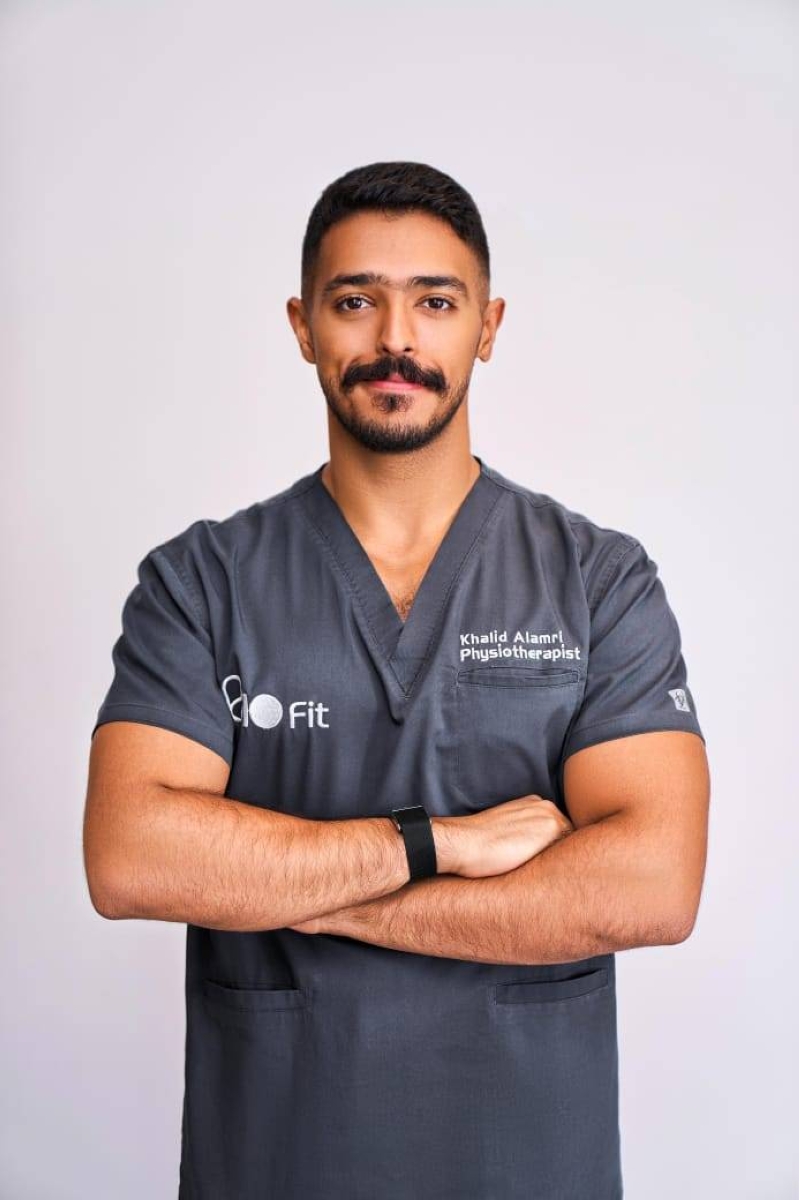
عن العلاج الطبيعي في التخفيف من تداعيات انحناء العمود الفقري، يشير أخصائي العلاج الطبيعي خالد العمري لـ«عكاظ» إلى أهميته في التعامل مع الانحناء؛ إذ يلعب دوراً حيوياً في علاج أو التخفيف من تداعيات وما يتبعه من تأثير على الكتفين، ويهدف العلاج بشكل أساسي إلى تحسين قوة العضلات، وزيادة المرونة، وتصحيح الوضعيات الخاطئة التي قد تزيد من حدة الانحناء أو تسبب الألم. مؤكداً أن العلاج الطبيعي يسهم بشكل كبير في التخفيف من سلبيات الانحناء عبر عدة محاور؛ منها تقوية العضلات الداعمة، إذ يعمل المختص في العلاج الطبيعي على وضع برامج تمارين لتقوية العضلات المحيطة بالعمود الفقري؛ مثل عضلات الظهر والبطن، أو عضلات الرقبة الأمامية والخلفية ما يوفر دعماً أفضل ويساعد في استقرار الانحناء، وكذا تحسين المرونة ونطاق الحركة إذ تساعد تمارين الإطالة والتحريك في زيادة مرونة العمود الفقري والأنسجة الرخوة المحيطة ما يقلل من التيبُّس ويحسن القدرة على الحركة، وتصحيح الوضعية لأصحاب الأعمال المكتبية.. إذ يتم تدريبهم على وضعيات الجلوس لفترة اقل في مدة لا تتجاوز 45 دقيقة، وأيضاً وضعيات النوم لتقليل الضغط على العمود الفقري، وتجنب تفاقم الانحناء وتخفيف الألم من خلال التمارين والعلاج اليدوي والتقنيات الأخرى مثل العلاج بالحرارة أو البرودة، أو الإبر الجافة، ويمكن للعلاج الطبيعي أن يقلل بشكل فعال من الألم المصاحب لانحناء العمود الفقري وتأثيره على الكتفين، وغالباً ما يصاحب انحناء العمود الفقري في الرقبة عدم تناظر في الكتفين، ويركز العلاج الطبيعي على استهداف عضلات الكتف وتقويمها لتحسين محاذاتها وتناغم عضلات لوح الكتف مع استقامة الرقبة.
وبشكل عام، لا يقتصر دور العلاج الطبيعي على تخفيف الأعراض فحسب، بل يساهم أيضاً في تحسين جودة حياة المريض، وزيادة الاعتماد على الذات في أداء الأنشطة اليومية، وقد يقلل في بعض الحالات من الحاجة إلى التدخلات الجراحية. ويُعتبر الالتزام ببرنامج العلاج الطبيعي أمراً حاسماً لتحقيق أفضل النتائج.
حقائب الظهر.. مشكلة
عن إصابة الأطفال بانحناء العمود الفقري، أوضح طبيب الأطفال الدكتور خالد العتيبي لـ«عكاظ»: أن العمود الفقري للطفل هو الأساس الذي يحمل أحلامه نحو المستقبل، لكنه قد يتعرض لانحناءات غير طبيعية تُعرف بـ(الجنف)، خاصة بين عمر 10 و15 عاماً، وهي مرحلة النمو الأسرع في حياة الطفل. في هذه الفترة، تلعب العوامل الوراثية دوراً رئيسياً، لكن نمط الحياة الخاطئ يزيد المشكلة تعقيداً.
وأكدت الدراسات الحديثة أن الجنف ليس سببه المباشر حمل الحقائب المدرسية، لكن الحقائب الثقيلة، خصوصاً إذا تجاوزت 10% من وزن الطفل أو حُملت على كتف واحد، يمكن أن تسبب آلاماً في الظهر وانحناء الكتف وتضعف توازن العمود الفقري.
ولحماية ظهر الأطفال من الانحناء، يجب اختيار حقيبة مدرسية ذات حزامين مبطّنين توزع الحمل بالتساوي، والتأكد من أن وزنها لا يزيد على 10% من وزن الطفل. كما يُنصح بتعزيز قوة العضلات الأساسية عبر التمارين، وتشجيع الطفل على الجلوس الصحيح، وتقليل حمل الكتب غير الضرورية.
وأكد العتيبي أن الكشف المبكر هو كلمة السر؛ فالفحص الدوري للظهر في المدارس قد يقي من تطور الانحناء إلى مراحل متقدمة تؤثر على التنفس وجودة الحياة. فلنمنح أطفالنا دعماً حقيقياً يبدأ من حقيبة خفيفة وظهر سليم، نحو مستقبل مليء بالقوة والثقة.
نصف مليون يعانون منه.. أخصائيون يكشفون لـ«عكاظ» أسباب انحناء الظهر
العمود المنحني!
5 سبتمبر 2025 - 00:40
|
آخر تحديث 5 سبتمبر 2025 - 00:40


تابع قناة عكاظ على الواتساب
زين عنبر (جدة) zain_ambar@
The Ministry of Health has confirmed its interest and monitoring of spinal curvature injuries, organizing awareness campaigns in this regard and providing interested parties with advice and information on prevention and treatment methods for these cases, including (lateral curvature) and hyperkyphosis (forward curvature). It stated that such injuries require early diagnosis and specialized treatment, physical therapy, or the use of braces, and finally surgery. The ministry clarified that incorrect sitting is one of the causes; proper posture includes training the body to stand, sit, and move with minimal strain and stress on the muscles and ligaments as much as possible. It advised individuals who spend long periods sitting in offices to take additional precautions to ensure they maintain a healthy posture.
For its part, the World Health Organization (WHO) indicates that about 500,000 people suffer spinal injuries each year, many of whom sustain permanent disabilities due to a lack of appropriate treatment. Ninety percent of injuries are due to road accidents, falls, or violence, affecting men, youth, and the elderly more significantly. The most vulnerable groups to this condition are youth (ages 20-29) followed by the elderly.
According to orthopedic specialists, children and adolescents also suffer from spinal curvature, emphasizing the importance of early diagnosis and treatment to prevent the worsening of curvature, especially among teenagers.
Adolescent girls are more susceptible to injury
Orthopedic and spinal surgery consultant Dr. Salah Al-Din Khalifa told "Okaz": "Spinal curvature is one of the most prominent skeletal issues that affect physical balance and the functions of internal organs, especially the heart and lungs, if not detected and treated in a timely manner." Regarding the causes of curvature, he said: "They are unknown and of unknown origin, but they are most prevalent, especially among adolescents, or due to congenital deformities from a defect in the formation of the vertebrae since birth, as well as neuromuscular diseases such as polio, muscular dystrophy, or spinal cord injuries, and curvature resulting from aging due to osteoporosis or degeneration of the intervertebral discs. There are also acquired causes such as tumors or severe injuries."
Dr. Khalifa explained that spinal curvature problems often appear in late childhood and adolescence, particularly between the ages of 10 and 16. Girls are more prone to idiopathic types, and their cases tend to worsen rapidly. Elderly individuals may also suffer due to degenerative changes associated with aging.
Family history and deformities
Regarding the causes of some children developing spinal curvature early, Dr. Khalifa clarified that they are due to congenital deformities from birth, along with genetic factors or a family history. However, there are medical advancements in dealing with curvature, including early diagnosis using the latest devices such as 3D imaging and preventive braces to reduce curvature and prevent its progression. Specialized physical therapy such as Schroth exercises and modern surgeries using precise and safe fixation techniques, as well as new research aimed at using stem cells and smart braces.
He stated: "Curvature affects the body through an imbalance in the shape of the shoulders and pelvis, with chronic pain in the back or neck and pressure on the lungs with difficulty breathing in advanced cases, in addition to psychological effects, especially for adolescents due to visible changes in body shape."
Prevention: How and When?
Regarding the prevention of spinal curvature, general practitioner in orthopedics Dr. Abdulrahman Al-Nasser told "Okaz": "It starts with awareness, especially among families and schools, as early detection of curvature provides an opportunity for conservative treatment and prevents its progression. One of the most important prevention methods is regular check-ups for children's growth during school and adolescence, especially if there is a family history, monitoring posture and walking, and observing the protrusion of one shoulder or tilting of the body, which are important warning signs. Encouraging children to engage in exercises that strengthen the back and abdominal muscles and improve spinal alignment, as well as paying attention to nutrition to support bone health, especially during sensitive developmental stages, and regular physical therapy for mild curvature cases or to prevent deterioration in moderate cases."
Regarding some patients' fears of surgical operations to treat curvature, Dr. Al-Nasser clarified that patients or their families often fear surgical procedures for treating spinal curvature due to outdated concepts or negative personal experiences. However, the medical reality today is entirely different; modern surgeries are safe and effective, performed using advanced and precise techniques that reduce blood loss and shorten hospital stays. The success rate is high and contributes to correcting curvature, improving external appearance, and reducing chronic pain. Timely surgical intervention prevents the worsening of the condition and the curvature from exceeding 45 degrees, thereby reducing complications on the lungs and heart. After surgery, the patient gradually returns to their normal life, often feeling better than before in terms of psychological and physical comfort.
Therefore, delaying surgical intervention in advanced cases is unjustified; on the contrary, early decision-making is the key to complete recovery. If the curvature reaches 45 degrees, we advise parents not to delay surgical intervention, as it is crucial in preventing the worsening of curvature and its serious future effects on their children's health, especially since significant advancements in surgical techniques and increased safety levels due to nerve monitoring during surgeries have led to excellent results and a return to normal life with confidence and safety.
Does physical therapy help?
Regarding physical therapy in alleviating the consequences of spinal curvature, physical therapy specialist Khalid Al-Omari told "Okaz" about its importance in dealing with curvature; it plays a vital role in treating or alleviating the consequences and its effects on the shoulders. The primary goal of therapy is to improve muscle strength, increase flexibility, and correct incorrect postures that may exacerbate curvature or cause pain. He emphasized that physical therapy significantly contributes to alleviating the negatives of curvature through several aspects, including strengthening supporting muscles, as the physical therapist develops exercise programs to strengthen the muscles surrounding the spine, such as the back and abdominal muscles, or the front and back neck muscles, which provides better support and helps stabilize curvature. Additionally, improving flexibility and range of motion through stretching and movement exercises increases the flexibility of the spine and surrounding soft tissues, reducing stiffness and improving mobility. Correcting posture for those with desk jobs involves training them to sit for shorter periods not exceeding 45 minutes, as well as sleeping positions to reduce pressure on the spine, and preventing the worsening of curvature and alleviating pain through exercises, manual therapy, and other techniques such as heat or cold therapy, or dry needling. Physical therapy can effectively reduce pain associated with spinal curvature and its impact on the shoulders, as spinal curvature in the neck often accompanies asymmetry in the shoulders. Physical therapy focuses on targeting and correcting shoulder muscles to improve their alignment and the harmony of the shoulder blade muscles with neck alignment.
In general, the role of physical therapy is not limited to alleviating symptoms only; it also contributes to improving the patient's quality of life and increasing self-reliance in performing daily activities, and may reduce the need for surgical interventions in some cases. Adhering to a physical therapy program is crucial for achieving the best results.
Backpacks: A Problem
Regarding children suffering from spinal curvature, pediatrician Dr. Khalid Al-Otaibi told "Okaz": "A child's spine is the foundation that carries their dreams for the future, but it may be subjected to abnormal curvatures known as (scoliosis), especially between the ages of 10 and 15, which is the fastest growth phase in a child's life. During this period, genetic factors play a major role, but incorrect lifestyle further complicates the problem.
Recent studies have confirmed that scoliosis is not directly caused by carrying school bags, but heavy bags, especially if they exceed 10% of the child's weight or are carried on one shoulder, can cause back pain, shoulder curvature, and weaken spinal balance.
To protect children's backs from curvature, it is essential to choose a school bag with two padded straps that distribute the load evenly and ensure that its weight does not exceed 10% of the child's weight. It is also recommended to strengthen core muscle strength through exercises, encourage the child to maintain proper sitting posture, and reduce carrying unnecessary books.
Dr. Al-Otaibi emphasized that early detection is the key; regular back examinations in schools can prevent the progression of curvature to advanced stages that affect breathing and quality of life. Let us provide our children with real support starting from a light backpack and a healthy back, towards a future filled with strength and confidence.
For its part, the World Health Organization (WHO) indicates that about 500,000 people suffer spinal injuries each year, many of whom sustain permanent disabilities due to a lack of appropriate treatment. Ninety percent of injuries are due to road accidents, falls, or violence, affecting men, youth, and the elderly more significantly. The most vulnerable groups to this condition are youth (ages 20-29) followed by the elderly.
According to orthopedic specialists, children and adolescents also suffer from spinal curvature, emphasizing the importance of early diagnosis and treatment to prevent the worsening of curvature, especially among teenagers.
Adolescent girls are more susceptible to injury
Orthopedic and spinal surgery consultant Dr. Salah Al-Din Khalifa told "Okaz": "Spinal curvature is one of the most prominent skeletal issues that affect physical balance and the functions of internal organs, especially the heart and lungs, if not detected and treated in a timely manner." Regarding the causes of curvature, he said: "They are unknown and of unknown origin, but they are most prevalent, especially among adolescents, or due to congenital deformities from a defect in the formation of the vertebrae since birth, as well as neuromuscular diseases such as polio, muscular dystrophy, or spinal cord injuries, and curvature resulting from aging due to osteoporosis or degeneration of the intervertebral discs. There are also acquired causes such as tumors or severe injuries."
Dr. Khalifa explained that spinal curvature problems often appear in late childhood and adolescence, particularly between the ages of 10 and 16. Girls are more prone to idiopathic types, and their cases tend to worsen rapidly. Elderly individuals may also suffer due to degenerative changes associated with aging.
Family history and deformities
Regarding the causes of some children developing spinal curvature early, Dr. Khalifa clarified that they are due to congenital deformities from birth, along with genetic factors or a family history. However, there are medical advancements in dealing with curvature, including early diagnosis using the latest devices such as 3D imaging and preventive braces to reduce curvature and prevent its progression. Specialized physical therapy such as Schroth exercises and modern surgeries using precise and safe fixation techniques, as well as new research aimed at using stem cells and smart braces.
He stated: "Curvature affects the body through an imbalance in the shape of the shoulders and pelvis, with chronic pain in the back or neck and pressure on the lungs with difficulty breathing in advanced cases, in addition to psychological effects, especially for adolescents due to visible changes in body shape."
Prevention: How and When?
Regarding the prevention of spinal curvature, general practitioner in orthopedics Dr. Abdulrahman Al-Nasser told "Okaz": "It starts with awareness, especially among families and schools, as early detection of curvature provides an opportunity for conservative treatment and prevents its progression. One of the most important prevention methods is regular check-ups for children's growth during school and adolescence, especially if there is a family history, monitoring posture and walking, and observing the protrusion of one shoulder or tilting of the body, which are important warning signs. Encouraging children to engage in exercises that strengthen the back and abdominal muscles and improve spinal alignment, as well as paying attention to nutrition to support bone health, especially during sensitive developmental stages, and regular physical therapy for mild curvature cases or to prevent deterioration in moderate cases."
Regarding some patients' fears of surgical operations to treat curvature, Dr. Al-Nasser clarified that patients or their families often fear surgical procedures for treating spinal curvature due to outdated concepts or negative personal experiences. However, the medical reality today is entirely different; modern surgeries are safe and effective, performed using advanced and precise techniques that reduce blood loss and shorten hospital stays. The success rate is high and contributes to correcting curvature, improving external appearance, and reducing chronic pain. Timely surgical intervention prevents the worsening of the condition and the curvature from exceeding 45 degrees, thereby reducing complications on the lungs and heart. After surgery, the patient gradually returns to their normal life, often feeling better than before in terms of psychological and physical comfort.
Therefore, delaying surgical intervention in advanced cases is unjustified; on the contrary, early decision-making is the key to complete recovery. If the curvature reaches 45 degrees, we advise parents not to delay surgical intervention, as it is crucial in preventing the worsening of curvature and its serious future effects on their children's health, especially since significant advancements in surgical techniques and increased safety levels due to nerve monitoring during surgeries have led to excellent results and a return to normal life with confidence and safety.
Does physical therapy help?
Regarding physical therapy in alleviating the consequences of spinal curvature, physical therapy specialist Khalid Al-Omari told "Okaz" about its importance in dealing with curvature; it plays a vital role in treating or alleviating the consequences and its effects on the shoulders. The primary goal of therapy is to improve muscle strength, increase flexibility, and correct incorrect postures that may exacerbate curvature or cause pain. He emphasized that physical therapy significantly contributes to alleviating the negatives of curvature through several aspects, including strengthening supporting muscles, as the physical therapist develops exercise programs to strengthen the muscles surrounding the spine, such as the back and abdominal muscles, or the front and back neck muscles, which provides better support and helps stabilize curvature. Additionally, improving flexibility and range of motion through stretching and movement exercises increases the flexibility of the spine and surrounding soft tissues, reducing stiffness and improving mobility. Correcting posture for those with desk jobs involves training them to sit for shorter periods not exceeding 45 minutes, as well as sleeping positions to reduce pressure on the spine, and preventing the worsening of curvature and alleviating pain through exercises, manual therapy, and other techniques such as heat or cold therapy, or dry needling. Physical therapy can effectively reduce pain associated with spinal curvature and its impact on the shoulders, as spinal curvature in the neck often accompanies asymmetry in the shoulders. Physical therapy focuses on targeting and correcting shoulder muscles to improve their alignment and the harmony of the shoulder blade muscles with neck alignment.
In general, the role of physical therapy is not limited to alleviating symptoms only; it also contributes to improving the patient's quality of life and increasing self-reliance in performing daily activities, and may reduce the need for surgical interventions in some cases. Adhering to a physical therapy program is crucial for achieving the best results.
Backpacks: A Problem
Regarding children suffering from spinal curvature, pediatrician Dr. Khalid Al-Otaibi told "Okaz": "A child's spine is the foundation that carries their dreams for the future, but it may be subjected to abnormal curvatures known as (scoliosis), especially between the ages of 10 and 15, which is the fastest growth phase in a child's life. During this period, genetic factors play a major role, but incorrect lifestyle further complicates the problem.
Recent studies have confirmed that scoliosis is not directly caused by carrying school bags, but heavy bags, especially if they exceed 10% of the child's weight or are carried on one shoulder, can cause back pain, shoulder curvature, and weaken spinal balance.
To protect children's backs from curvature, it is essential to choose a school bag with two padded straps that distribute the load evenly and ensure that its weight does not exceed 10% of the child's weight. It is also recommended to strengthen core muscle strength through exercises, encourage the child to maintain proper sitting posture, and reduce carrying unnecessary books.
Dr. Al-Otaibi emphasized that early detection is the key; regular back examinations in schools can prevent the progression of curvature to advanced stages that affect breathing and quality of life. Let us provide our children with real support starting from a light backpack and a healthy back, towards a future filled with strength and confidence.


