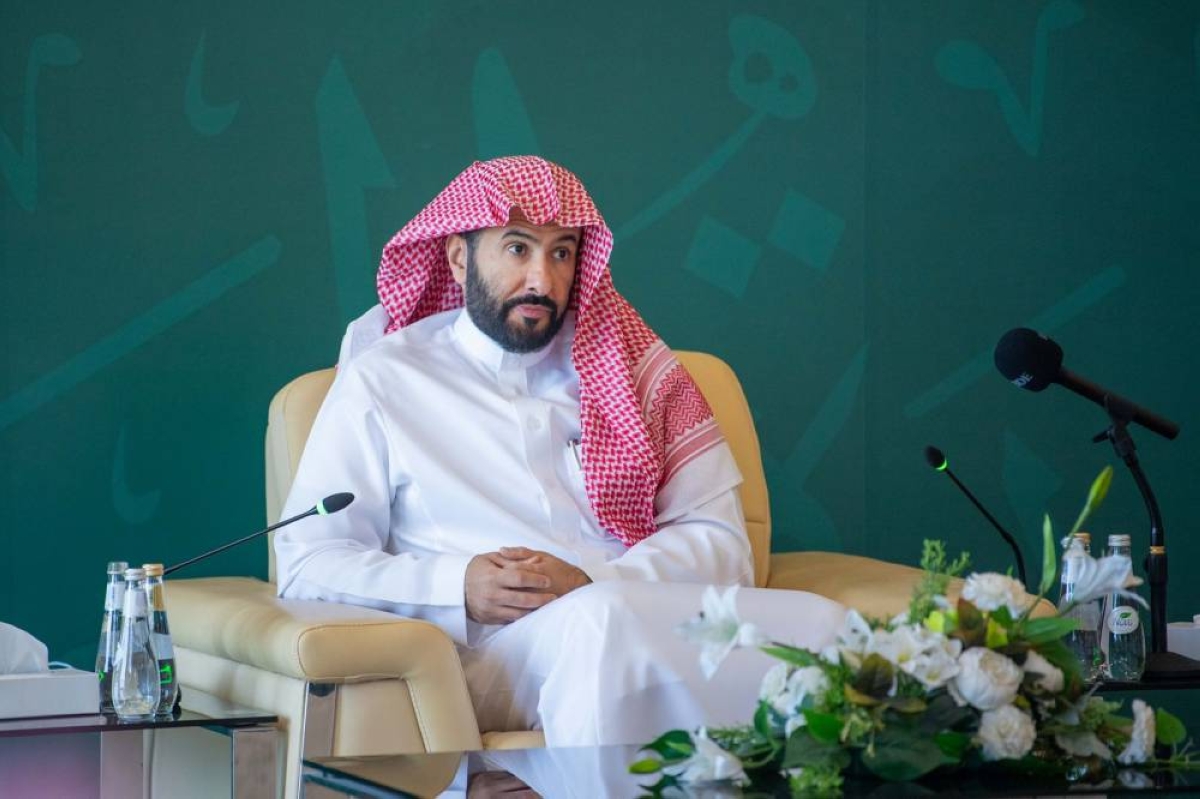
أكد وزير العدل رئيس المجلس الأعلى للقضاء الدكتور وليد بن محمد الصمعاني، على ضرورة تطبيق القواعد القانونية المستقرة في القانون الجنائي، وأن ذلك يتحقق بعدة عوامل أهمها: تطوير النواحي القانونية والمهنية للقضاة، من خلال التأهيل والتدريب المستمر في دبلومات القانون المتخصصة التي أطلقتها الوزارة في وقت سابق؛ كالدبلوم العالي للقانون الجنائي، والذي يستهدف تدريب جميع قضاة المحاكم الجزائية بمختلف درجاتها.
وأشار وزير العدل، خلال لقائه اليوم برؤساء المحاكم الجزائية في مدينة الرياض، إلى ضرورة إنجاز القضايا المنظورة لدى المحاكم الجزائية، وعدم التأخير في معالجتها؛ باعتبار أن ذلك يمس حقوق الأطراف، ويؤثر على سير العدالة.
وشدد على أهمية متابعة رؤساء المحاكم لمدى فاعلية الاستجابة للطلبات العاجلة التي ترد للمحاكم وفق الأطر النظامية، ومن أبرزها طلبات الإفراج المقدمة من المتهم أو محاميه، والطلبات العاجلة السابقة على قيد الدعوى الجزائية العامة مثل تمديد توقيف المتهم، أو تمديد الحجز التحفظي، وغيرها.
وبين الدور المحوري لرئيس المحكمة في متابعة جودة الأحكام القضائية، وسرعة الإجراءات، مع ضرورة التأكيد على القضاة بدقة التكييف والتوصيف القانوني للدعوى؛ بما يضمن تحقيق العدالة.
وناقش خلال اللقاء أهمية احترام حقوق الدفاع، ومنها تمكين المتهم من الاستعانة بمحامٍ، وإحاطته بالتهم المنسوبة إليه، وتسليمه نسخة من لائحة الدعوى، إضافة إلى التزام المحكمة بالتسبيب في أحكامها بنوعيه الواقعي والقانوني، والرد على الدفوع الجوهرية، وفقاً لما تقضي به الأنظمة ذات الصلة.
The Minister of Justice and President of the Supreme Judicial Council, Dr. Walid bin Mohammed Al-Samaani, emphasized the necessity of applying established legal principles in criminal law, which can be achieved through several factors, the most important of which is the development of the legal and professional aspects of judges through continuous qualification and training in specialized law diplomas that the ministry launched earlier; such as the higher diploma in criminal law, which aims to train all judges of criminal courts at various levels.
During his meeting today with the heads of criminal courts in Riyadh, the Minister of Justice pointed out the need to expedite the cases pending before the criminal courts and not to delay their processing; considering that this affects the rights of the parties involved and impacts the course of justice.
He stressed the importance of the heads of courts monitoring the effectiveness of responses to urgent requests submitted to the courts within the regulatory frameworks, the most prominent of which are requests for release submitted by the accused or their lawyer, and urgent requests prior to the filing of the public criminal case, such as extending the detention of the accused or extending the precautionary seizure, among others.
He highlighted the pivotal role of the court president in monitoring the quality of judicial rulings and the speed of procedures, while emphasizing the need for judges to accurately classify and describe the legal nature of the case; to ensure the achievement of justice.
During the meeting, he discussed the importance of respecting the rights of defense, including enabling the accused to seek assistance from a lawyer, informing them of the charges against them, and providing them with a copy of the indictment, in addition to the court's obligation to provide reasoning in its rulings, both factual and legal, and to respond to substantive defenses, in accordance with the relevant regulations.