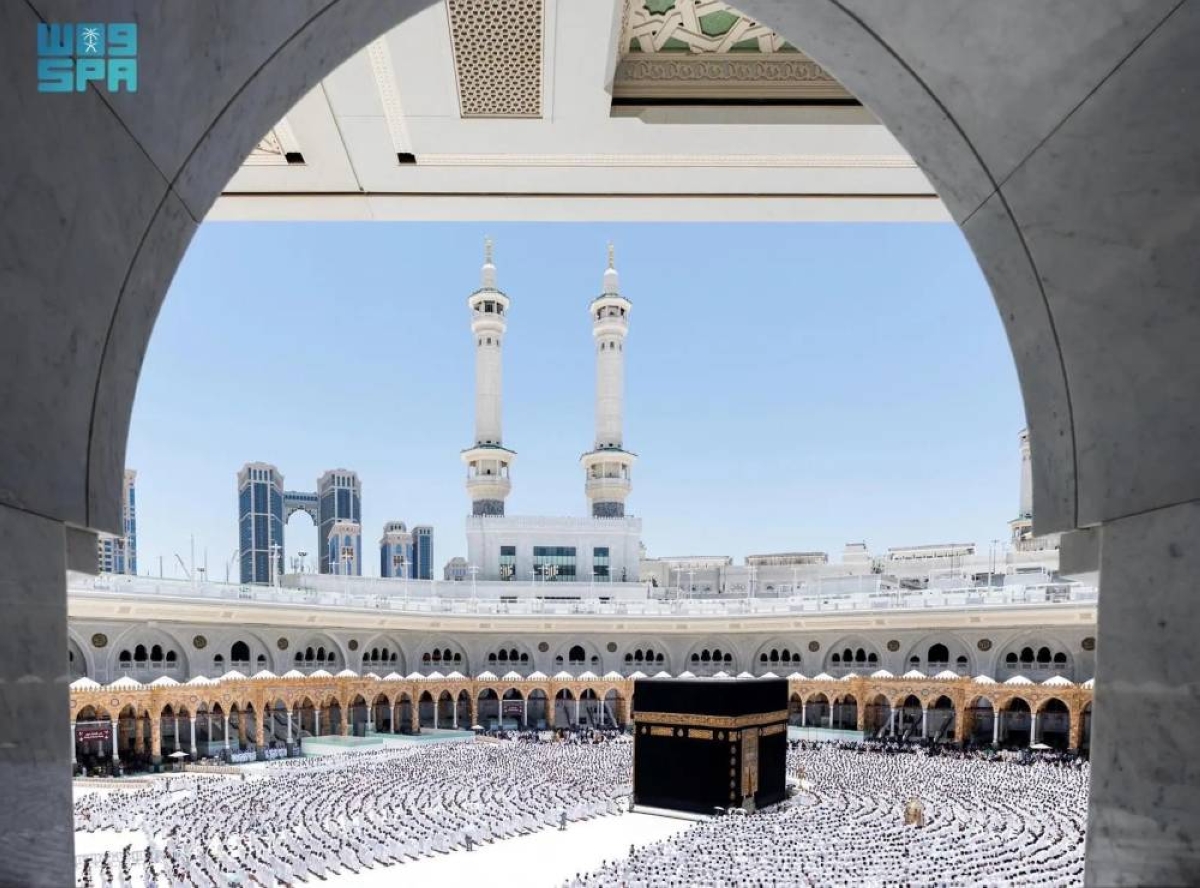
أوصى إمام وخطيب المسجد الحرام الشيخ الدكتور ياسر بن راشد الدوسري المسلمين بتقوى الله -عز وجل- ومراقبته في السر والنجوى.
وقال فضيلته في خطبة الجمعة التي ألقاها اليوم بالمسجد الحرام: «تشهد البشرية في عصرنا قفزة حضارية، وطفرة نوعية في مجالات التقنية والأجهزة الذكية ووسائل التواصل الرقمية، تيسرت فيها الاتصالات، وطويت المسافات، واختصرت الأوقات، وأنجزت المهمات، وطورت الخدمات، وأتيح العلم عبر المنصات، فأصبحت التقنية جزءًا لا ينفك عن حياتنا».
وأضاف قائلًا: «لئن كانت الأمم تتسابق في مضمار التقنية، فإن مملكتنا المباركة قد تميزت برؤيتها، وسارت بخطى ثابتة، وكانت رائدة في هذا الميدان، تستثمر التقنية وتوظفها في خدمة المجتمع والإنسان، حتى صارت نموذجًا يشار إليه ويحتذى به في صورة مشرقة تثبت مكانتها العالمية في مجالات التقنيات المتقدمة، وبرهنت أن التقدم لا يتنافى مع القيم، ولا يتعارض مع المبادئ، بل ينهض بها، ويستند إليها، فارتقت دون أن تنفصل عن جذورها، وتقدمت دون أن تفرط بثوابتها».
وحذر فضيلته من غياب الوعي في استخدام التقنية قائلًا: «فحينها تصبح الرسائل مزالق، ومن هنا برز داء ابتلي به بعض الناس على اختلاف الأعمار والثقافات والأجناس، إنه داء الإدمان المرضي على وسائل التواصل الاجتماعي، والانغماس في عالم رقمي لا ينتهي، وتحوّل الهواتف عند البعض من أدوات للتواصل، إلى وسائل للعزلة والانفصال، فترى المرء بين الناس جسدًا بلا قلب، وحسًا بلا روح، يتنقل بين المنصات، ويتصفح التطبيقات، تتقاذفه المواقع، وتتكاثر عليه المقاطع، فلا يدري ما يريد، ولا يحصد إلا القليل».
ولفت إلى أن وسائل التواصل الاجتماعي أصبحت في الغالب مسرحًا للحياة الزائفة، وموطنًا للمقارنات الجائرة، فدبَّ إلى البعض داء الحسد والبغضاء، وتمكنت من قلوبهم الضغائن والشحناء، وقلَّ الحمد والشكر على النعم والآلاء، مبينًا أنه من الآفات تلك الحسابات المزيفة الخبيثة التي تنفث سمومها في المجتمعات، وتنشر الفتن والاختلافات، وتذكي الضغائن والإشاعات، وتلقي على ألسنة العلماء فتاوى مكذوبة، في حملات مجحفة، وتشويهات متعمدة، لا تراعي دينًا ولا خلقًا.
وشدد الشيخ ياسر الدوسري على أن من أعظم النعم أن يدرك الإنسان خلله قبل فوات الأوان، وأن يعالج قلبه قبل أن يستحكم عليه الداء، فكم نحن بحاجة في هذا العالم الرقمي، والضجيج التكنولوجي، إلى دواء لهذا الإدمان المرضي، وذلك بعزلة قصيرة، لإطفاء صخب الأجهزة، لا لعتزال الحياة، وإعادة التوازن لما اختل من حياتنا.
وأكّد أن التقنية نعمة عظيمة، إذا وُجهت إلى الخير، وقُيدت بقيود الشرع والحكمة، فهي ليست شرًا محضًا، وليست مذمومة في أصلها، بل هي سيف ذو حدين، ويجب استخدامها خادمًا لا سيدًا، وجسرًا إلى الطاعة لا هاوية إلى المعصية، ولتكن وسيلة للعلم والفهم، لاأداة للهوى والجهل.
وفي المدينة المنورة أوصى إمام وخطيب المسجد النبوي الشيخ الدكتور على الحذيفي، المسلمين بتقوى الله سبحانه، مؤكدًا أنها من أعظم أسباب الفوز بثواب الله تعالى، ونيل رضوانه، والنجاة من عذابه الأليم، مستشهدًا بقوله جل وعلا: (يَا أَيُّهَا الَّذِينَ آمَنُوا اتَّقُوا اللَّهَ حَقَّ تُقَاتِهِ وَلَا تَمُوتُنَّ إِلَّا وَأَنتُم مُّسْلِمُونَ).
وقال فضيلته: «أيها الناس أتعلمون أشد الساعات كربًا، وأعظم الساعات خوفًا ورعبًا، وأكثر الساعات قلقًا وهمًا وضيقًا وغمًا، إنها الساعة التي تزيغ عندها الأبصار وتبلغ القلوب الحناجر، ويتزلزل كل عضو في الإنسان من أهوال ما يرى ويشاهد من الأمور العظام، وما يلاقي من الأحوال التي تتفطر منها الأجسام، إنها الساعة التي يُنصب فيها الصراط على متن جهنم، فليس بعد الصراط إلا الفوز العظيم، وأنواع النعيم الأبدي السرمدي ورضوان الله تعالى، فيا بشرى من اجتازه ونجا وياخسارة من زلت قدمه عن الصراط فهوى في جهنم وتردى، قال تعالى:( إِنَّهُمْ يَرَوْنَهُ بَعِيدًا (6) وَنَرَاهُ قَرِيبًا)».
وأوضح الدكتور الحذيفي، أن الدنيا سريعة الزوال، سريعة الانقضاء، فما أسرع طَيَّها وانتهاءها، فقد خلقها الله سبحانه وتعالى لأجلٍ محدود، وجعلها دار عمل، ثم يُجازى العبد على أعماله، مبينًا أن هذه الحياة الدنيا، من أولها إلى آخرها، ليست إلا كساعةٍ مقارنةً بأبدية الآخرة، فهي زائلة فانية، كما قال الله تعالى: (وَيَوْمَ يَحْشُرُهُمْ كَأَن لَّمْ يَلْبَثُوا إِلَّا سَاعَةً مِّنَ النَّهَارِ يَتَعَارَفُونَ بَيْنَهُمْ ۚ قَدْ خَسِرَ الَّذِينَ كَذَّبُوا بِلِقَاءِ اللَّهِ وَمَا كَانُوا مُهْتَدِينَ).
وأشار فضيلته، إلى أن الأمم السابقة من عادٍ وثمود، وقومِ إبراهيم، وقومِ لوط، وأصحابِ مدين، والقرون الخالية وغيرهم، ممن أجروا الأنهار وغرسوا الأشجار وتمتعوا بأطيب الثمار وملكوا البحار، ونالوا كل ما أرادوا من الملذات والشهوات، قد قدموا على ربهم بأسوأ الأعمال وشر الآجال ولم ينجُ من الهلاك والعذاب في الدنيا والآخرة إلا من عدل وآمن بالله ذي العزة والجلال، مبينًا أن ساعة الكرب -الذي لا يشبهه كرب- واقفةٌ أمام الناس جميعًا، لا مفرّ منها لأحد، مستشهدًا بقوله تعالى في الجسر المنصوب على متن جهنم: (وَإِن مِّنكُمْ إِلَّا وَارِدُهَا ۚ كَانَ عَلَىٰ رَبِّكَ حَتْمًا مَّقْضِيًّا (71) ثُمَّ نُنَجِّي الَّذِينَ اتَّقَوا وَّنَذَرُ الظَّالِمِينَ فِيهَا جِثِيًّا).
وأبان فضيلته، أن ساعة المرور على جسر جهنم كانت تملأ قلوب الصحابة -رضي الله عنهم- خوفًا ورعبًا، وتملأ قلوب من جاء بعدهم ممن سار على نهجهم خوفًا من العذاب، ورجاءً من الله تعالى أن يمروا على هذا الصراط إلى الجنة برحمة الله تعالى، فعن عائشة -رضي الله عنها- أنها ذكرت النار فبكت، فقال رسول الله -صلى الله عليه وسلم: «ما يبكيك» قلت: ذكرت النار فبكيت فهل تذكرون أهليكم يوم القيامة، فقال -عليه الصلاة والسلام: «أما في ثلاثة مواطن فلا يذكر أحدٌ أحدًا، عند الميزان حتى يعلم أيخف ميزانه أم يثقل، وعند تطاير الصحف حتى يعلم أين يقع كتابه في يمينه أم في شماله أم من وراء ظهره، وعند الصراط إذا وضع بين ظهراني جهنم حتى يجوز». رواه أبو داوود.
وختم إمام وخطيب المسجد النبوي الخطبة موصيًا المسلمين بالمسارعة إلى الخيرات، والاجتهاد في الأعمال الصالحة، ومجانبة المحرمات، والحذر من الذنوب والمعاصي.
The Imam and preacher of the Grand Mosque, Sheikh Dr. Yasser bin Rashid Al-Dosari, advised Muslims to fear Allah - the Almighty - and to be mindful of Him in secrecy and whispers.
He said in the Friday sermon he delivered today at the Grand Mosque: “Humanity is witnessing a civilizational leap in our era, a qualitative surge in the fields of technology, smart devices, and digital communication means, where communications have been facilitated, distances have been shortened, times have been condensed, tasks have been accomplished, services have been developed, and knowledge has been made available through platforms, making technology an inseparable part of our lives.”
He added: “While nations compete in the field of technology, our blessed Kingdom has distinguished itself with its vision, moving forward with steady steps, and has been a pioneer in this field, investing in and employing technology to serve society and humanity, until it has become a model to be referred to and emulated, in a bright image that affirms its global standing in advanced technologies, proving that progress does not contradict values, nor does it conflict with principles; rather, it elevates them and relies on them, advancing without severing its roots, and progressing without compromising its constants.”
He warned against the lack of awareness in using technology, saying: “At that point, messages become pitfalls, and here arises a disease that afflicts some people of different ages, cultures, and races; it is the disease of pathological addiction to social media, and immersion in an endless digital world. For some, phones have transformed from tools for communication to means of isolation and separation, so you see a person among others as a body without a heart, a sensation without a spirit, moving between platforms, browsing applications, tossed about by websites, overwhelmed by clips, unaware of what he wants, and reaping only a little.”
He pointed out that social media has largely become a stage for false life and a breeding ground for unfair comparisons, leading some to develop envy and hatred, allowing grudges and animosities to take hold of their hearts, and diminishing gratitude and thanks for blessings and favors. He indicated that among the afflictions are those malicious fake accounts that spread their poisons in societies, inciting discord and differences, fueling grudges and rumors, and attributing false fatwas to scholars, in unjust campaigns and deliberate distortions, disregarding religion and ethics.
Sheikh Yasser Al-Dosari emphasized that one of the greatest blessings is for a person to recognize his flaws before it is too late, and to treat his heart before the disease takes hold of it. How much we need in this digital world, amidst technological noise, a remedy for this pathological addiction, which can be achieved through a short isolation to silence the clamor of devices, not to retreat from life, but to restore balance to what has been disrupted in our lives.
He affirmed that technology is a great blessing when directed towards good, and constrained by the limits of Sharia and wisdom; it is not purely evil, nor is it condemned in its essence, but rather it is a double-edged sword, and it must be used as a servant, not a master, a bridge to obedience, not a pitfall to disobedience, and it should be a means for knowledge and understanding, not a tool for desires and ignorance.
In Medina, the Imam and preacher of the Prophet's Mosque, Sheikh Dr. Ali Al-Hudhaifi, advised Muslims to fear Allah, the Exalted, emphasizing that it is one of the greatest reasons for attaining the reward of Allah, gaining His pleasure, and escaping His painful punishment, citing His saying: (O you who have believed, fear Allah as He should be feared and do not die except as Muslims.)
He said: “O people, do you know the most distressing hours, the greatest hours of fear and terror, and the most anxious, worried, and troubled hours? It is the hour when the eyes will be distracted and the hearts will reach the throats, and every part of a person will tremble from the horrors of what he sees and witnesses of great matters, and what he encounters of conditions that cause bodies to shatter. It is the hour when the bridge is set up over Hellfire, and there is no victory after the bridge except for the great success and the eternal, everlasting bliss and the pleasure of Allah. So, rejoice for those who cross it and survive, and woe to those whose feet slip from the bridge and fall into Hellfire and perish. Allah, the Exalted, said: (Indeed, they see it as distant, but We see it as near.)”
Dr. Al-Hudhaifi explained that this world is fleeting and quickly passing; how fast it is folded and comes to an end, for Allah created it for a limited time and made it a place of action, after which a servant will be rewarded for his deeds. He clarified that this worldly life, from its beginning to its end, is nothing but like an hour compared to the eternity of the Hereafter; it is transient and perishable, as Allah said: (And the Day He gathers them, it will be as if they had not remained except for an hour of the day, recognizing one another. Those have certainly lost who denied the meeting with Allah and were not guided.)
He pointed out that the previous nations, such as ‘Aad, Thamud, the people of Ibrahim, the people of Lut, the people of Madyan, and others, who dug rivers, planted trees, enjoyed the best fruits, and owned the seas, and attained all they desired of pleasures and desires, came to their Lord with the worst deeds and the worst ends. None escaped destruction and punishment in this world and the Hereafter except for those who were just and believed in Allah, the Almighty and Majestic. He indicated that the hour of distress - which is unlike any other distress - stands before all people, and there is no escape from it for anyone, citing Allah's saying regarding the bridge set up over Hellfire: (And there is none of you except he will come to it. This is an absolute decree of your Lord.) (71) Then We will save those who feared Allah and leave the wrongdoers within it, kneeling.)
He explained that the hour of crossing the bridge over Hellfire filled the hearts of the Companions - may Allah be pleased with them - with fear and terror, and filled the hearts of those who followed their path with fear of punishment, and hope from Allah to pass over this bridge to Paradise by the mercy of Allah. Aisha - may Allah be pleased with her - mentioned the Fire and wept, so the Messenger of Allah - peace be upon him - said: “What makes you cry?” She said: “I mentioned the Fire and wept. Will you remember your families on the Day of Resurrection?” He - peace be upon him - said: “In three situations, no one will remember anyone: at the scale until he knows whether his scale is light or heavy, at the scattering of the records until he knows where his book will fall, in his right hand, or in his left, or behind his back, and at the bridge when it is placed between the backs of Hellfire until he passes.” Narrated by Abu Dawood.
The Imam and preacher of the Prophet's Mosque concluded the sermon by advising Muslims to hasten towards good deeds, strive in righteous actions, avoid prohibitions, and be cautious of sins and transgressions.