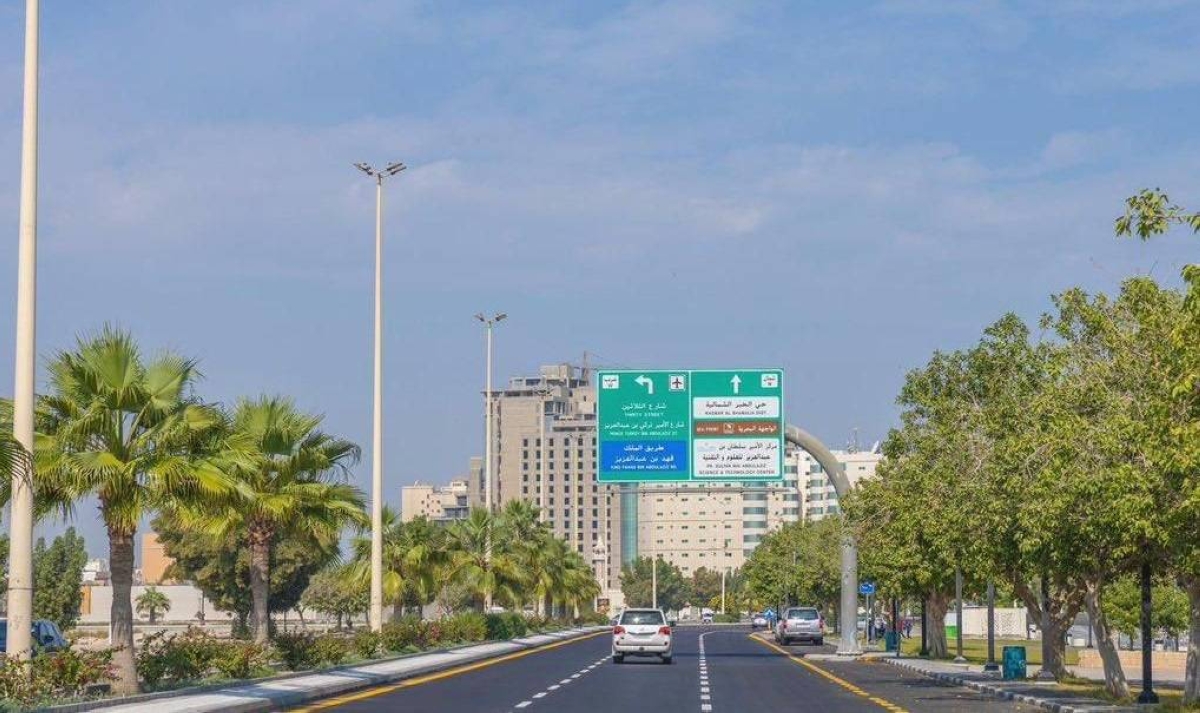
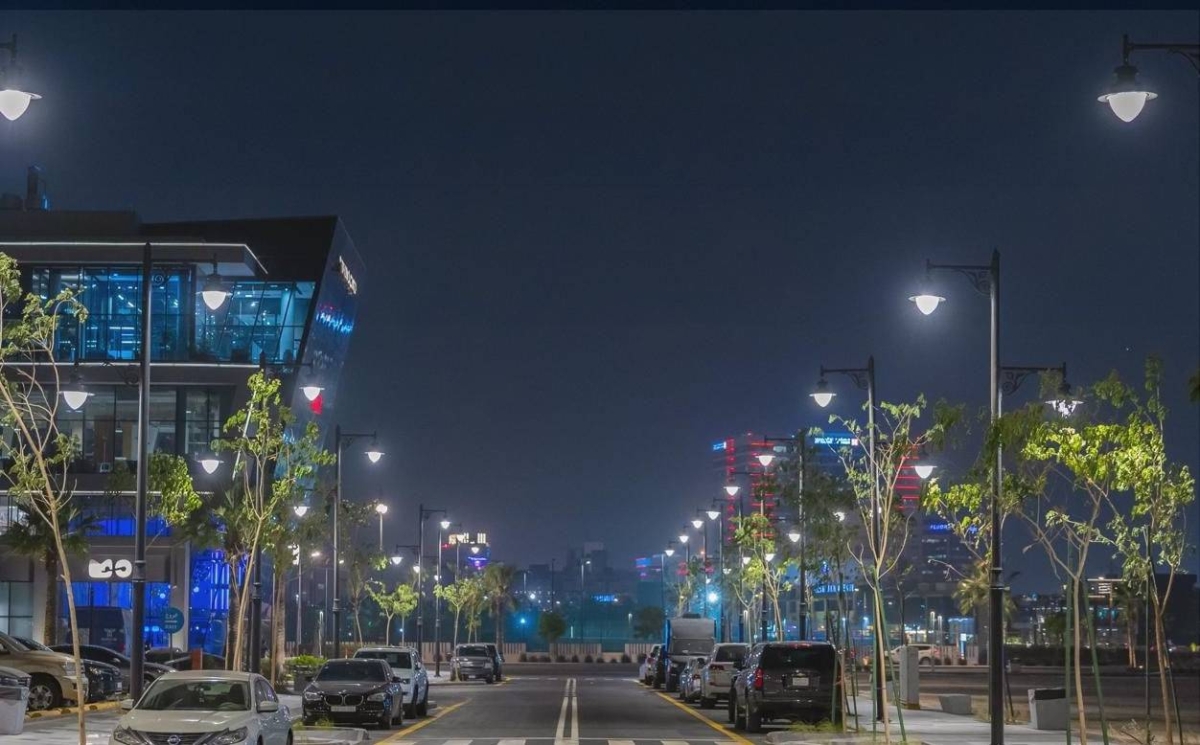
في إطار التزامها بتحقيق مستهدفات برنامج جودة الحياة، أحد برامج رؤية المملكة 2030، تواصل أمانة المنطقة الشرقية جهودها المتقدمة لتحسين المشهد الحضري، عبر منظومة رقمية متكاملة تجمع بين التقنية والابتكار والمشاركة المجتمعية.
وأوضحت الأمانة أن الإدارة العامة لتحسين المشهد الحضري ترتكز على أربعة محاور إستراتيجية، تشمل: تهيئة البيئة الحضرية لرفع جودة الحياة، وتبني حلول مبتكرة، وتحقيق الاستدامة، وتعزيز التفاعل المجتمعي في عمليات الرصد والمعالجة.
ومن أبرز مخرجات هذه الجهود، مركز التشوه البصري، الذي يعتمد على منصات إلكترونية متطورة وشاشات تفاعلية لعرض وتصنيف البلاغات حسب نوعها وموقعها الجغرافي، مما يمكّن الفرق الميدانية من التعامل مع التحديات بكفاءة وسرعة.
وقد صنّفت الأمانة 43 عنصراً من عناصر التشوه البصري ضمن خمس فئات رئيسية، يجري التعامل معها وفق خطة وطنية شاملة تتضمن معالجات نوعية وفرض غرامات للحد من التكرار، وتحقيق استدامة التحسينات.
كما تم اعتماد أدوات ذكية مدعومة بتقنيات الذكاء الاصطناعي، مثل تطبيق «عدسه بلدي»، في عمليات التوثيق والتشخيص الميداني، ما ساهم في دعم اتخاذ قرارات دقيقة قائمة على تحليلات بيانات مكانية متقدمة.
وفي جانب التفاعل المجتمعي، أكدت الأمانة أهمية إشراك المواطنين والجهات الأهلية في تحسين المشهد الحضري، إذ نُفذت عدة مبادرات تطوعية شارك فيها أكثر من 40 ألف متطوع، إضافة إلى تمكين المستفيدين من الإبلاغ الفوري والمشاركة في معالجة بعض التشوهات.
As part of its commitment to achieving the objectives of the Quality of Life Program, one of the programs of Saudi Vision 2030, the Eastern Province Municipality continues its advanced efforts to improve the urban landscape through an integrated digital system that combines technology, innovation, and community participation.
The municipality clarified that the General Administration for Urban Landscape Improvement is based on four strategic pillars, which include: preparing the urban environment to enhance the quality of life, adopting innovative solutions, achieving sustainability, and enhancing community interaction in monitoring and addressing issues.
One of the most prominent outcomes of these efforts is the Visual Disturbance Center, which relies on advanced electronic platforms and interactive screens to display and classify reports according to their type and geographical location, enabling field teams to address challenges efficiently and swiftly.
The municipality has classified 43 elements of visual disturbance into five main categories, which are being addressed according to a comprehensive national plan that includes qualitative treatments and the imposition of fines to reduce recurrence and achieve sustainability of improvements.
Smart tools supported by artificial intelligence technologies, such as the "My City Lens" application, have also been adopted in documentation and field diagnosis processes, contributing to supporting accurate decision-making based on advanced spatial data analyses.
In terms of community interaction, the municipality emphasized the importance of involving citizens and civil society organizations in improving the urban landscape, as several volunteer initiatives have been implemented, with more than 40,000 volunteers participating, in addition to enabling beneficiaries to report issues immediately and participate in addressing some disturbances.