


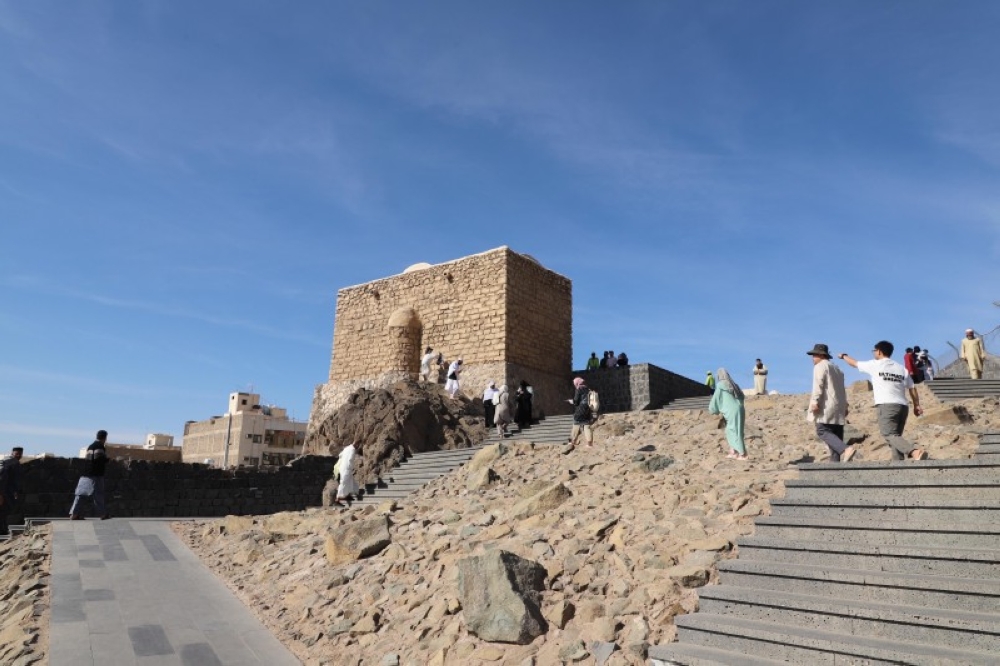
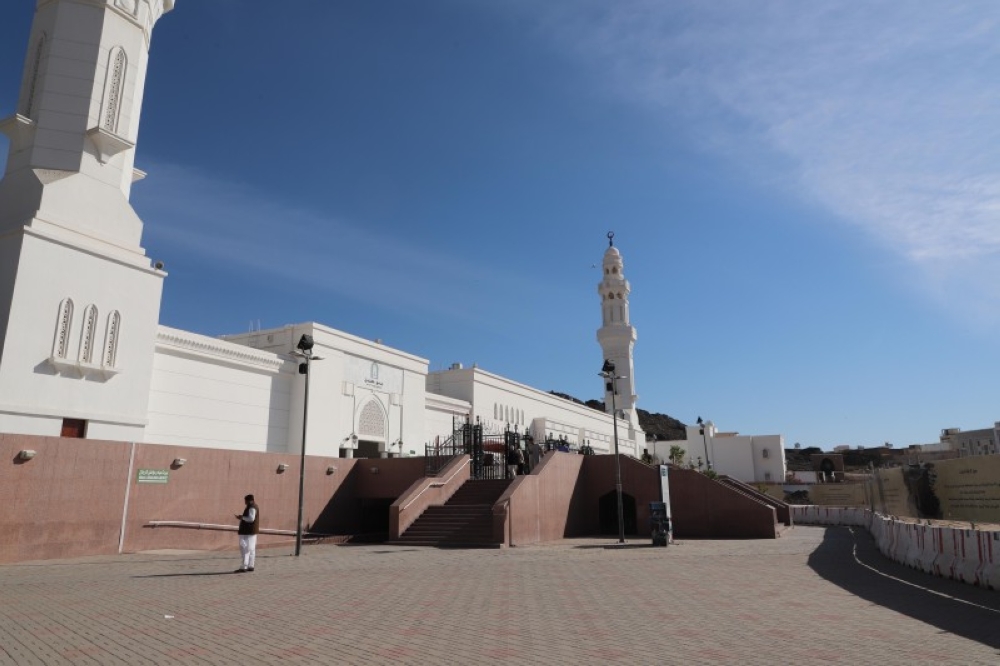
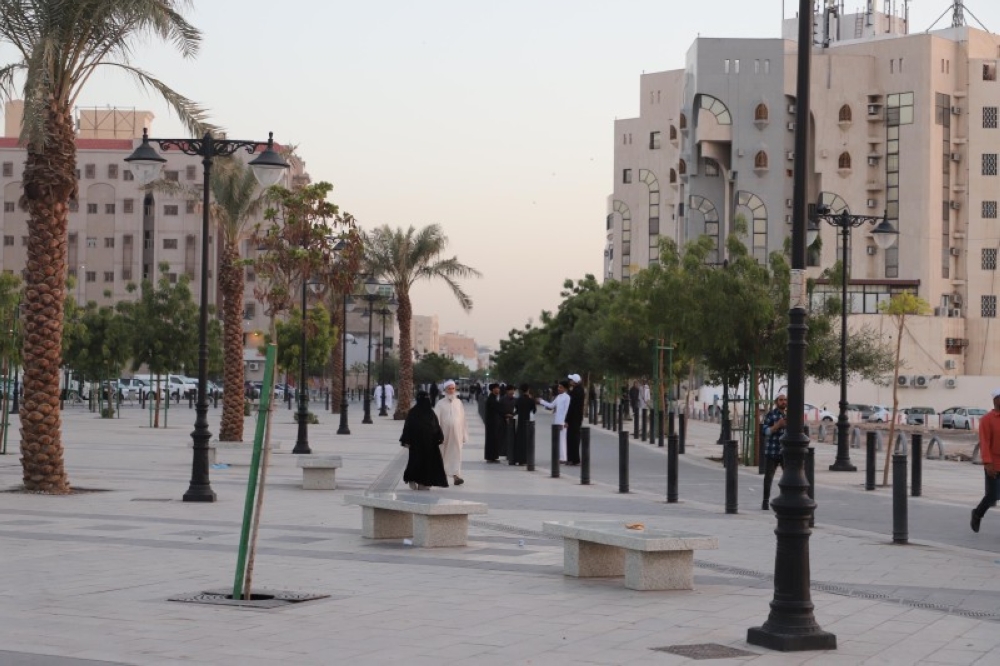
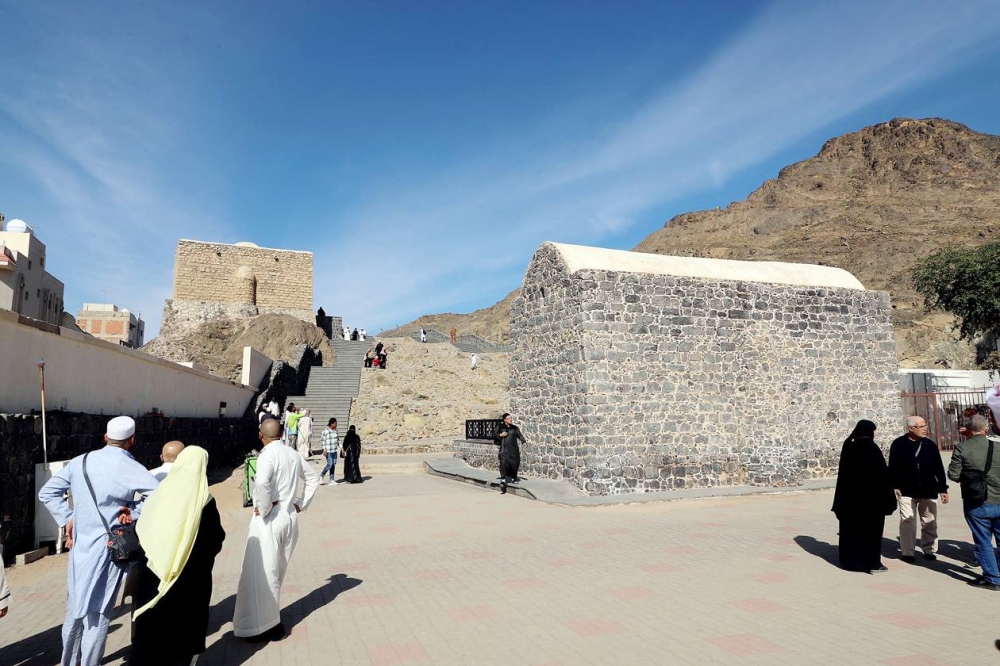
أوضح مدير إدارة العلاقات العامة والإعلام في هيئة تطوير المدينة المنورة فادي محمد الشريف لـ «عكاظ» أن الهيئة تعمل على تنفيذ مخطط شامل لتطوير منطقة غزوة الخندق، بما في ذلك حي السيح بهدف تحويلها إلى وجهة رئيسية جاذبة للسكان والزوار وتوفير تجربة ثقافية وتاريخية واجتماعية ثرية تعكس أصالة الحياة في المدينة، ويركز التصميم على تعزيز تجربة المشي ضمن نسيج عمراني تقليدي ينبض بالحياة، يبرز الجوانب البصرية والمعمارية الأصيلة، مع الحفاظ على المواقع التاريخية الواقعة ضمن نطاق المشروع والتعريف بالأحداث التي شهدتها.
وأضاف الشريف: إن المشروع يسهم في دعم المشروعات الصغيرة والمتوسطة المرتبطة بقطاعي الثقافة والسياحة، ويعزز نمو الاقتصاد المحلي، ويحقق الاستدامة الاجتماعية والاقتصادية، بما يتماشى مع مستهدفات رؤية المملكة 2030، وذلك لخدمة سكان المدينة المنورة وإثراء تجربة زوارها، وتيسير أعمال تنفيذ المشروع حالياً وفق ما هو مخطط له بما يضمن تحقيق الأهداف المرجوة بالجودة والكفاءة المطلوبة.
وعن مشروع درب الهجرة، أوضح مدير الإعلام في هيئة تطوير المدينة لـ «عكاظ» ان المشروع يمضى قدماً وفق الجدول الزمني المعلن، ويتضمن تنفيذ حزمتين من الأعمال تشمل العناصر المؤقتة والدائمة والمستدامة، وتواصل هيئة تطوير منطقة المدينة المنورة مع الجهات ذات العلاقة متابعة سير العمل، مع التركيز على ضمان جودة التصاميم بما يتماشى مع توجهات القيادة الرشيدة حفظها الله.
مشيراً إلى أن هيئة تطوير المدينة تواصل تنفيذ مجموعة من المشاريع المعنية بالسيرة النبوية، منها مشروع تطوير المسار التاريخي الذي يربط أبرز المواقع التاريخية مثل منطقة قباء، منطقة القبلتين، منطقة غزوة الخندق، ومسار غزوة بدر، مع العمل على تطوير وتأهيل المواقع التاريخية الواقعة على هذا المسار، كما يشمل العمل مشروع تطوير مسجد قباء والمناطق التاريخية المرتبطة به، التي تتضمن ترميم وتطوير وتفعيل عدد من المواقع التاريخية تشمل الآبار والمزارع والأطام والحصون والمساجد.
كما تعمل الهيئة أيضاً على مشروع معرض القبلتين، الذي يهدف إلى إثراء تجربة الزوار وتسليط الضوء على حدث تحويل القبلة.
«هيئة المدينة» لـ «عكاظ»: تطوير «الخندق» وبرنامج زمني لمشروع «درب الهجرة»
21 يوليو 2025 - 16:33
|
آخر تحديث 21 يوليو 2025 - 16:33


تابع قناة عكاظ على الواتساب
سامي المغامسي (المدينة المنورة)
The Director of the Public Relations and Media Department at the Medina Development Authority, Fadi Mohammed Al-Sharif, explained to "Okaz" that the authority is working on implementing a comprehensive plan to develop the Ghazwat Al-Khandaq area, including the Al-Saih neighborhood, with the aim of transforming it into a major attractive destination for residents and visitors, providing a rich cultural, historical, and social experience that reflects the authenticity of life in the city. The design focuses on enhancing the walking experience within a traditional urban fabric that is vibrant, highlighting the authentic visual and architectural aspects, while preserving the historical sites located within the project’s scope and introducing the events that took place there.
Al-Sharif added that the project contributes to supporting small and medium enterprises linked to the culture and tourism sectors, enhances local economic growth, and achieves social and economic sustainability, in line with the targets of the Kingdom's Vision 2030, in order to serve the residents of Medina and enrich the experience of its visitors, facilitating the implementation of the project currently as planned to ensure the achievement of the desired goals with the required quality and efficiency.
Regarding the Migration Path project, the Director of Media at the Medina Development Authority clarified to "Okaz" that the project is progressing according to the announced timeline, and includes the implementation of two packages of works that encompass temporary, permanent, and sustainable elements. The Medina Development Authority continues to coordinate with relevant entities to monitor the progress of work, focusing on ensuring the quality of designs in line with the directives of the wise leadership, may God protect it.
He pointed out that the Medina Development Authority continues to implement a number of projects related to the Prophetic biography, including the development of the historical route that connects the most prominent historical sites such as the Quba area, the Two Qiblahs area, the Ghazwat Al-Khandaq area, and the Ghazwat Badr route, while working on developing and rehabilitating the historical sites located along this route. The work also includes the development of the Quba Mosque and the historical areas associated with it, which involve the restoration, development, and activation of several historical sites including wells, farms, forts, and mosques.
The authority is also working on the Two Qiblahs Exhibition project, which aims to enrich the visitor experience and highlight the event of the change of the Qiblah.
Al-Sharif added that the project contributes to supporting small and medium enterprises linked to the culture and tourism sectors, enhances local economic growth, and achieves social and economic sustainability, in line with the targets of the Kingdom's Vision 2030, in order to serve the residents of Medina and enrich the experience of its visitors, facilitating the implementation of the project currently as planned to ensure the achievement of the desired goals with the required quality and efficiency.
Regarding the Migration Path project, the Director of Media at the Medina Development Authority clarified to "Okaz" that the project is progressing according to the announced timeline, and includes the implementation of two packages of works that encompass temporary, permanent, and sustainable elements. The Medina Development Authority continues to coordinate with relevant entities to monitor the progress of work, focusing on ensuring the quality of designs in line with the directives of the wise leadership, may God protect it.
He pointed out that the Medina Development Authority continues to implement a number of projects related to the Prophetic biography, including the development of the historical route that connects the most prominent historical sites such as the Quba area, the Two Qiblahs area, the Ghazwat Al-Khandaq area, and the Ghazwat Badr route, while working on developing and rehabilitating the historical sites located along this route. The work also includes the development of the Quba Mosque and the historical areas associated with it, which involve the restoration, development, and activation of several historical sites including wells, farms, forts, and mosques.
The authority is also working on the Two Qiblahs Exhibition project, which aims to enrich the visitor experience and highlight the event of the change of the Qiblah.


