
في ظل التوسع المستمر في التمويل العقاري الذي فتح باب التملك أمام آلاف المواطنين، تبرز تحديات تتعلق بضعف الوعي المالي والإقبال على قرارات مصيرية دون استشارة أو قراءة متأنية. وفي الوقت الذي تُغرق فيه الإعلانات السوق بوعود مغرية بـ«منزل العمر»، يغيب التحذير من المخاطر المحتملة على المدى الطويل.
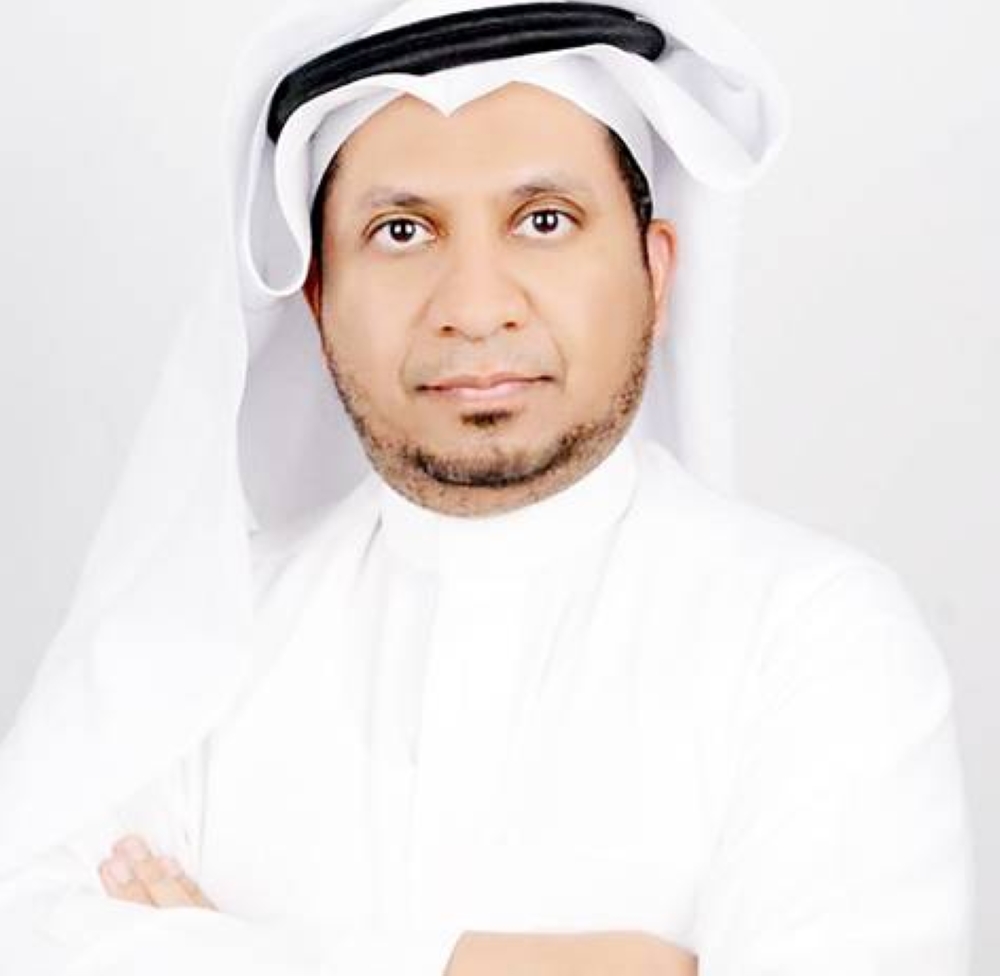
ويرى الخبير العقاري عبدالعزيز العتيبي، أن أغلب الإعلانات العقارية تميل إلى جانب الإغراء التسويقي، دون أن تضع ملاحظات أو تنبيهات توجه المستفيدين إلى أخذ رأي مختص، رغم أن قرار التمويل يعد من القرارات المصيرية التي تستوجب دراسة دقيقة.
ويؤكد العتيبي، أهمية الاستشارة المالية قبل توقيع أي عقد تمويلي، مشيراً إلى أن كثيراً من المواطنين يفتقرون إلى الوعي الكافي بما تتضمنه العقود من التزامات، خصوصاً حين يتعلق الأمر بقروض تمتد لعقود. ويضيف، أن الاستشارة ليست خياراً، بل ضرورة لكشف تفاصيل التمويل وتبعاته على القدرة المالية، وتجنّب الأخطاء التي قد تكون كارثية.
وعن النسبة المثالية التي يجب ألا يتجاوزها قسط التمويل من دخل الفرد، يرى العتيبي أن 45% تعتبر حداً مناسباً وآمناً، مع تفضيل أن تكون مدة التمويل ما بين 15 إلى 20 سنة كحد أقصى، لتحقيق توازن بين التملك والاستقرار المالي.
ويحذر العتيبي، من الانجراف وراء طموحات غير واقعية في اختيار العقار، قائلاً: البعض يركض خلف المنزل الأكبر أو العروض المغرية دون النظر إلى إمكانياته الفعلية، مشدداً على أهمية اختيار عقار يتناسب مع القدرات الفعلية، وعدم التوقيع دون فهم دقيق لبنود العقد، كقيمة الربح، وما بعد التقاعد، وخيارات الجدولة، وحقوق الورثة بعد الوفاة.
ويشير العتيبي، إلى أن التمويل غير المدروس لا يؤثر فقط على الفرد، بل ينعكس على الأسرة كلها، وقد يخلّ بالتوازن المالي للمنزل، قائلاً: أي استقطاع يتجاوز قدرة الفرد سينعكس سلباً على أساسيات حياته ورفاهيته.
وفي ما يخص دور الجهات الممولة، أكد العتيبي، أن هناك رقابة قائمة على الإعلانات، وأن الجهات المعنية حاضرة ومتجاوبة، إلا أن المسؤولية لا تكتمل دون وعي المستفيد، الذي يجب أن يأخذ وقته في القراءة والاستشارة، لا أن يوقع مباشرة دون فهم.
واختتم العتيبي حديثه بالتأكيد على أن التمويل العقاري وسيلة فاعلة لتسهيل التملك، مقدراً جهود الجهات المعنية، إلا أن النجاح في هذا المسار يتطلب وعياً وقدرة على اتخاذ القرار. وقال: «اقرأ.. استشر.. خذ وقتك.. واعرف ما لك وما عليك قبل أن تختار بيتك».
لا تجعله يثقل كاهلك
يرى الخبير العقاري العبودي بن عبدالله، أن حلم امتلاك منزل مستقر لعائلة سعودية يظل مشروعاً وطموحاً نبيلاً، غير أن هذا الحلم قد يتحوّل إلى عبء ثقيل حين يتم اتخاذ قرارات تمويلية غير مدروسة تفوق القدرة المالية للفرد.
وقال لـ«عكاظ»: في كثير من الحالات، يتجه رب الأسرة إلى تمويل عقاري يستنزف أكثر من 65% من دخله الشهري، مما يؤدي إلى اختلال في الميزانية وتأخير سداد الالتزامات الأساسية، كالفواتير والمدارس والمصروفات الصحية، ويُنتج ضغوطاً نفسية قد تهدد استقرار الأسرة، بل وينتهي الأمر بدوامة مديونيات طويلة الأمد.
ويؤكد العبودي، أن أخطر ما يواجه رب الأسرة هو التمويل دون دراسة واضحة للمقدرة الحقيقية على السداد، إذ يظن البعض أن الأولوية هي امتلاك المنزل، بينما الحقيقة أن الاستقرار المالي هو ما يحافظ على ذلك المنزل على المدى الطويل.
وشدّد على أن التوعية المالية ليست رفاهية بل ضرورة، مضيفًا: هي أداة تمكين تساعد الأسرة على تقدير قدرتها المالية بواقعية، واختيار التمويل المناسب، وبناء خطة استدامة مالية، وتحقيق التوازن بين امتلاك المنزل والحفاظ عليه دون إرهاق مادي أو نفسي.
وختم العبودي حديثه بتوجيه رسالة مباشرة لأرباب الأسر: «لا تجعل سقف بيتك يثقل كاهلك.. امتلك بيتاً يناسب دخلك لا طموحك فقط، واستشر دائماً المختصين قبل اتخاذ قرار التمويل العقاري».
مع توسع تملك المساكن.. كيف يتواءم التمويل العقاري مع القدرة المالية ؟
13 يوليو 2025 - 02:03
|
آخر تحديث 13 يوليو 2025 - 04:22


تابع قناة عكاظ على الواتساب
عبدالرحمن الأسمري (الرياض) alasmari_m1@
In light of the continuous expansion of real estate financing that has opened the door to ownership for thousands of citizens, challenges arise related to weak financial awareness and the rush to make crucial decisions without consultation or careful reading. While advertisements flood the market with enticing promises of a "dream home," warnings about potential long-term risks are absent.
Real estate expert Abdulaziz Al-Otaibi believes that most real estate advertisements lean towards marketing allure, without providing notes or alerts that guide beneficiaries to seek expert opinions, despite the fact that financing decisions are among the crucial choices that require thorough study.
Al-Otaibi emphasizes the importance of financial consultation before signing any financing contract, pointing out that many citizens lack sufficient awareness of the obligations contained in contracts, especially when it comes to loans that extend for decades. He adds that consultation is not an option, but a necessity to uncover the details of financing and its implications on financial capacity, and to avoid potentially catastrophic mistakes.
Regarding the ideal percentage that financing installments should not exceed from an individual's income, Al-Otaibi sees that 45% is considered a suitable and safe limit, preferring that the financing duration be between 15 to 20 years at most, to achieve a balance between ownership and financial stability.
Al-Otaibi warns against being swept away by unrealistic ambitions in choosing property, stating: some chase after the biggest house or enticing offers without considering their actual capabilities, stressing the importance of choosing a property that matches actual abilities, and not signing without a precise understanding of the contract terms, such as profit value, post-retirement implications, scheduling options, and heirs' rights after death.
Al-Otaibi points out that poorly considered financing does not only affect the individual, but also reflects on the entire family, and may disrupt the financial balance of the household, saying: any deduction that exceeds an individual's capacity will negatively impact the essentials of their life and well-being.
Regarding the role of financing entities, Al-Otaibi confirmed that there is oversight on advertisements, and that the concerned parties are present and responsive, but responsibility is not complete without the awareness of the beneficiary, who should take their time in reading and consulting, rather than signing directly without understanding.
Al-Otaibi concluded his remarks by emphasizing that real estate financing is an effective means to facilitate ownership, appreciating the efforts of the concerned parties, but success in this path requires awareness and the ability to make decisions. He said: "Read... Consult... Take your time... and know what you have and what you owe before you choose your home."
Don't Let It Burden You
Real estate expert Al-Aboudi bin Abdullah believes that the dream of owning a stable home for a Saudi family remains a noble project and ambition; however, this dream can turn into a heavy burden when unstudied financing decisions are made that exceed an individual's financial capacity.
He told "Okaz": In many cases, the head of the family resorts to real estate financing that drains more than 65% of their monthly income, leading to a budget imbalance and delays in paying essential obligations, such as bills, school fees, and health expenses, resulting in psychological pressures that may threaten family stability, and ultimately ending in a long-term debt spiral.
Al-Aboudi asserts that the most dangerous challenge facing the head of the family is financing without a clear study of the actual repayment capacity, as some believe that the priority is to own a home, while the truth is that financial stability is what maintains that home in the long run.
He stressed that financial awareness is not a luxury but a necessity, adding: It is an empowering tool that helps the family realistically assess their financial capacity, choose appropriate financing, build a financial sustainability plan, and achieve a balance between owning a home and maintaining it without financial or psychological strain.
Al-Aboudi concluded his remarks with a direct message to heads of families: "Do not let the roof of your house burden you... Own a house that suits your income, not just your ambition, and always consult specialists before making a real estate financing decision."
Real estate expert Abdulaziz Al-Otaibi believes that most real estate advertisements lean towards marketing allure, without providing notes or alerts that guide beneficiaries to seek expert opinions, despite the fact that financing decisions are among the crucial choices that require thorough study.
Al-Otaibi emphasizes the importance of financial consultation before signing any financing contract, pointing out that many citizens lack sufficient awareness of the obligations contained in contracts, especially when it comes to loans that extend for decades. He adds that consultation is not an option, but a necessity to uncover the details of financing and its implications on financial capacity, and to avoid potentially catastrophic mistakes.
Regarding the ideal percentage that financing installments should not exceed from an individual's income, Al-Otaibi sees that 45% is considered a suitable and safe limit, preferring that the financing duration be between 15 to 20 years at most, to achieve a balance between ownership and financial stability.
Al-Otaibi warns against being swept away by unrealistic ambitions in choosing property, stating: some chase after the biggest house or enticing offers without considering their actual capabilities, stressing the importance of choosing a property that matches actual abilities, and not signing without a precise understanding of the contract terms, such as profit value, post-retirement implications, scheduling options, and heirs' rights after death.
Al-Otaibi points out that poorly considered financing does not only affect the individual, but also reflects on the entire family, and may disrupt the financial balance of the household, saying: any deduction that exceeds an individual's capacity will negatively impact the essentials of their life and well-being.
Regarding the role of financing entities, Al-Otaibi confirmed that there is oversight on advertisements, and that the concerned parties are present and responsive, but responsibility is not complete without the awareness of the beneficiary, who should take their time in reading and consulting, rather than signing directly without understanding.
Al-Otaibi concluded his remarks by emphasizing that real estate financing is an effective means to facilitate ownership, appreciating the efforts of the concerned parties, but success in this path requires awareness and the ability to make decisions. He said: "Read... Consult... Take your time... and know what you have and what you owe before you choose your home."
Don't Let It Burden You
Real estate expert Al-Aboudi bin Abdullah believes that the dream of owning a stable home for a Saudi family remains a noble project and ambition; however, this dream can turn into a heavy burden when unstudied financing decisions are made that exceed an individual's financial capacity.
He told "Okaz": In many cases, the head of the family resorts to real estate financing that drains more than 65% of their monthly income, leading to a budget imbalance and delays in paying essential obligations, such as bills, school fees, and health expenses, resulting in psychological pressures that may threaten family stability, and ultimately ending in a long-term debt spiral.
Al-Aboudi asserts that the most dangerous challenge facing the head of the family is financing without a clear study of the actual repayment capacity, as some believe that the priority is to own a home, while the truth is that financial stability is what maintains that home in the long run.
He stressed that financial awareness is not a luxury but a necessity, adding: It is an empowering tool that helps the family realistically assess their financial capacity, choose appropriate financing, build a financial sustainability plan, and achieve a balance between owning a home and maintaining it without financial or psychological strain.
Al-Aboudi concluded his remarks with a direct message to heads of families: "Do not let the roof of your house burden you... Own a house that suits your income, not just your ambition, and always consult specialists before making a real estate financing decision."