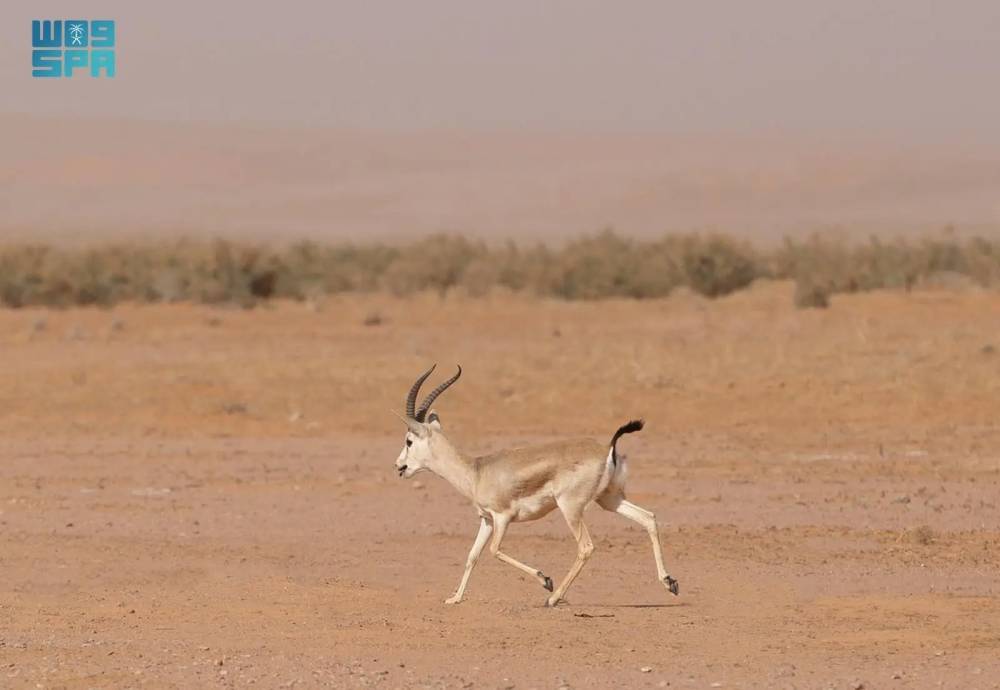
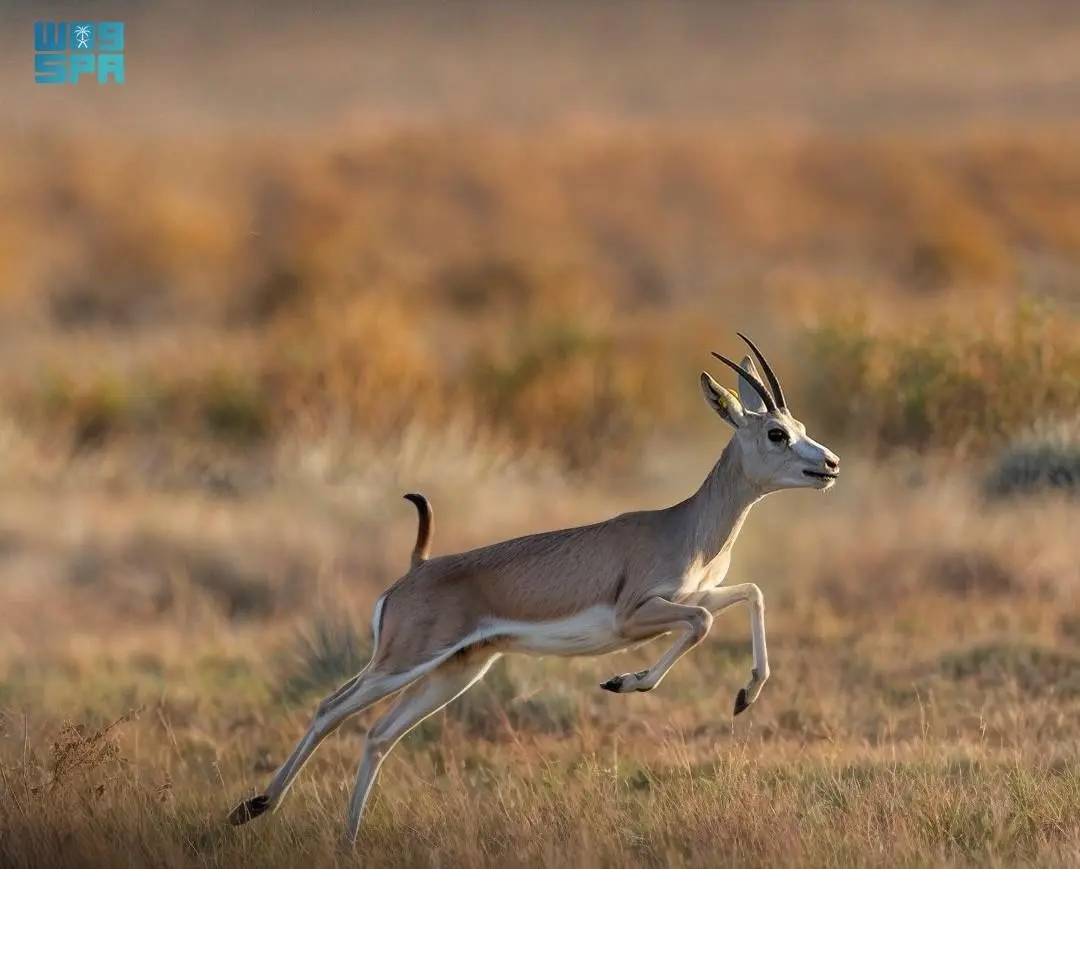
يُعدُّ الظبي العربي، المعروف في لهجة البادية بـ«الظبي الجفول»، أحد أبرز رموز الحياة الفطرية في شبه الجزيرة العربية، لما يتميز به من رشاقة الحركة، وسرعة الهروب، وطباعه المتحفّظة، ويظل دائم الحذر والتأهب، وهو ما انعكس على تسميته في اللسان العربي بـ«الجفول»، في إشارة إلى أنه شديد الحذر وسريع الفرار.
ولم يقتصر حضور هذا الكائن الفطري على البيئة فحسب، بل امتد إلى الثقافة العربية، بوصفه رمزًا للجمال والنفور الأنيق، فطالما شبّه الشعراء المحبوبة به، وخلّدوا صفاته في قصائد الغزل والوصف والرثاء، من العصر الجاهلي، وحتى الحاضر، مما جعل «الظبي الجفول» رمزًا ثابتًا في الذاكرة الأدبية للصحراء.
وفي الموروث الشعبي، ارتبط الظبي الجفول بـ«هوى القناص»، لِما يتطلبه صيده من مهارات دقيقة في الترصّد والتخفي، خاصة في البيئات الرملية المفتوحة التي تمنحه أفضلية في الميدان، وتحول عملية الصيد إلى اختبار فعلي لمهارات الصياد وخبرته الميدانية.
وتماشيًا مع جهود المملكة في حماية التنوع الحيوي، عملت الجهات المختصة -ممثلةً في المركز الوطني لتنمية الحياة الفطرية، والهيئات الملكية للمحميات- على تنفيذ مبادرات نوعية لإعادة توطين الظباء في مواطنها الطبيعية، بعد أن تراجعت أعدادها نتيجة ممارسات الصيد غير المنضبط وتغيرات المناخ.
وتأتي هذه الجهود ضمن إستراتيجية وطنية شاملة؛ تهدف إلى استعادة التوازن البيئي، وتعزيز استدامة الحياة الفطرية، بالتوازي مع برامج توعوية تستهدف تعزيز وعي المجتمع بأهمية المحافظة على هذا الإرث الطبيعي الأصيل.
«ظبي الجفول».. النافر الأنيق لعدسة الشعراء في الغزل والرثاء!
26 يونيو 2025 - 07:52
|
آخر تحديث 26 يونيو 2025 - 07:52


تابع قناة عكاظ على الواتساب
«عكاظ» (رفحاء) OKAZ_online@
The Arabian gazelle, known in the Bedouin dialect as "the shy gazelle," is one of the most prominent symbols of wildlife in the Arabian Peninsula, distinguished by its agility, speed of escape, and cautious nature. It remains constantly alert and prepared, which is reflected in its name in the Arabic language, "the shy," indicating that it is very cautious and quick to flee.
This creature's presence is not limited to the environment alone; it has also extended to Arab culture, serving as a symbol of beauty and elegant shyness. Poets have long compared their beloveds to it, immortalizing its traits in poems of love, description, and lamentation, from the pre-Islamic era to the present, making "the shy gazelle" a constant symbol in the literary memory of the desert.
In popular heritage, the shy gazelle is associated with "the hunter's passion," due to the precise skills required for its hunting, especially in open sandy environments that give it an advantage in the field, turning the hunting process into a real test of the hunter's skills and field experience.
In line with the Kingdom's efforts to protect biodiversity, the relevant authorities—represented by the National Center for Wildlife Development and the Royal Commissions for Reserves—have worked on implementing qualitative initiatives to reintroduce gazelles into their natural habitats, after their numbers declined due to uncontrolled hunting practices and climate changes.
These efforts are part of a comprehensive national strategy aimed at restoring ecological balance and enhancing the sustainability of wildlife, alongside awareness programs targeting to enhance community awareness of the importance of preserving this authentic natural heritage.
This creature's presence is not limited to the environment alone; it has also extended to Arab culture, serving as a symbol of beauty and elegant shyness. Poets have long compared their beloveds to it, immortalizing its traits in poems of love, description, and lamentation, from the pre-Islamic era to the present, making "the shy gazelle" a constant symbol in the literary memory of the desert.
In popular heritage, the shy gazelle is associated with "the hunter's passion," due to the precise skills required for its hunting, especially in open sandy environments that give it an advantage in the field, turning the hunting process into a real test of the hunter's skills and field experience.
In line with the Kingdom's efforts to protect biodiversity, the relevant authorities—represented by the National Center for Wildlife Development and the Royal Commissions for Reserves—have worked on implementing qualitative initiatives to reintroduce gazelles into their natural habitats, after their numbers declined due to uncontrolled hunting practices and climate changes.
These efforts are part of a comprehensive national strategy aimed at restoring ecological balance and enhancing the sustainability of wildlife, alongside awareness programs targeting to enhance community awareness of the importance of preserving this authentic natural heritage.