انطلقت المشاريع العملية لمدينة البُن التنموية في منطقة الباحة، بزراعة 540 ألف شجرة بُن، في مركز معشوقة، وعلى مساحة تقارب 700 ألف متر مربع، في فضاء مثالي لزراعة البن بجودة عالمیة.
وتهدف المدينة إلى الإسهام في تحقیق الاكتفاء المحلي من البن الطبيعي بكافة أنواعه، والانطلاق نحو الأسواق العالمیة.
فيما تم الانتهاء من 65% من أعمال إنشاء مصنع القهوة؛ الذي سيعمل بتقنیات الذكاء الصناعي لتقلیل استهلاك المیاه، وفق أحدث التقنيات وتبلغ طاقته الإنتاجية عشرة أطنان، ويُتوقع أن يبدأ الإنتاج الفعلي للمدينة، في مدة لا تزيد على ثلاثة أعوام، وجرت زراعة الشتلات باستخدام أسالیب حدیثة ومستدامة، في ظل العمل على تطوير شبكات الري والصرف، وفق دراسات علمیة دقیقة. وجرى توقيع عقود مع مزارعین محلیین لإنتاج الشتلات، وسيتم تصدير البن السعودي إلى الأسواق المحلیة والعالمیة، وتجمع مدينة البن في مركز معشوقة التابع لمحافظة القرى، بين تجربة سیاحیة وزراعية وثقافية عنوانها الضيافة بالقهوة السعودية في نُزل ريفي، وتدعم المدينة المجتمعات المحلیة عبر ممارسات بیئیة متوازنة، والابتكار والتطوير، وتوظیف تقنیات متقدمة منها تحليل التربة والتنبؤ بالمناخ، والتكامل السياحي، وتنظيم مهرجانات وجولات ثقافیة لتعزیز التجربة السیاحیة، وبناء علاقات تعاون محلیة ودولیة لتوسیع سوق البن السعودي، وستسهم المدينة في نمو قطاع السیاحة الزراعیة، ورفع كفاءة البنیة التحتیة، وتعزیز الشراكات وفتح آفاق تعاون مع منظمة الفاو، لإدارة وتشغیل تقنیات الري الحدیثة في الحقول الإرشادیة؛ بهدف تعزيز مشاريع حصاد مياه الأمطار، ومواجهة تحدیات التغیر المناخي، وتعزیز مهارات المزارعين في استخدام أنظمة الري المتطورة وصیانتها.
وفق معايير وجودة عالمية
الباحة تزرع 540 ألف شجرة «بُن» في مدينة تنموية
20 مايو 2025 - 01:31
|
آخر تحديث 20 مايو 2025 - 01:31
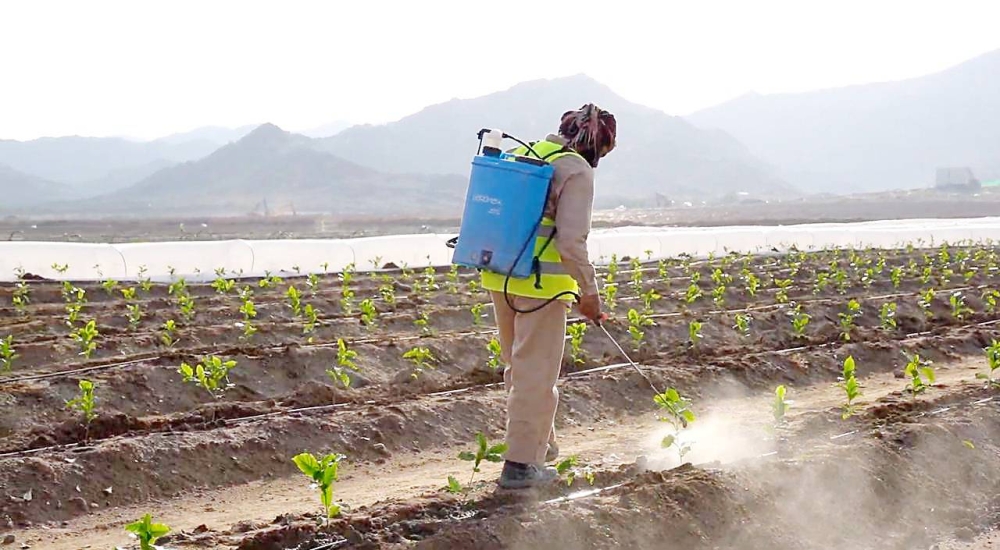
زراعة البُن لتحقیق الاكتفاء المحلي بكافة أنواعه. (عكاظ)


تابع قناة عكاظ على الواتساب
علي الرباعي (الباحة) Al_ARobai@
The practical projects for the Development City of Coffee in the Al-Baha region have commenced with the planting of 540,000 coffee trees in the Al-Mashouqa center, covering an area of approximately 700,000 square meters, in an ideal space for growing coffee of international quality.
The city aims to contribute to achieving local self-sufficiency in natural coffee of all types and to venture into global markets.
Meanwhile, 65% of the construction work on the coffee factory has been completed; it will operate using artificial intelligence technologies to reduce water consumption, according to the latest techniques, with a production capacity of ten tons. Actual production for the city is expected to begin within no more than three years. The seedlings were planted using modern and sustainable methods, while efforts are underway to develop irrigation and drainage networks based on precise scientific studies. Contracts have been signed with local farmers for the production of seedlings, and Saudi coffee will be exported to local and global markets. The Coffee City in the Al-Mashouqa center, which is part of the Al-Qura Governorate, combines a tourism, agricultural, and cultural experience centered around hospitality with Saudi coffee in a rural lodge. The city supports local communities through balanced environmental practices, innovation, and development, employing advanced technologies such as soil analysis and climate forecasting, as well as tourism integration. It organizes festivals and cultural tours to enhance the tourism experience and build local and international cooperation relationships to expand the Saudi coffee market. The city will contribute to the growth of the agricultural tourism sector, improve infrastructure efficiency, and strengthen partnerships, opening avenues for cooperation with the FAO to manage and operate modern irrigation technologies in demonstration fields. The aim is to enhance rainwater harvesting projects, address climate change challenges, and improve farmers' skills in using and maintaining advanced irrigation systems.
The city aims to contribute to achieving local self-sufficiency in natural coffee of all types and to venture into global markets.
Meanwhile, 65% of the construction work on the coffee factory has been completed; it will operate using artificial intelligence technologies to reduce water consumption, according to the latest techniques, with a production capacity of ten tons. Actual production for the city is expected to begin within no more than three years. The seedlings were planted using modern and sustainable methods, while efforts are underway to develop irrigation and drainage networks based on precise scientific studies. Contracts have been signed with local farmers for the production of seedlings, and Saudi coffee will be exported to local and global markets. The Coffee City in the Al-Mashouqa center, which is part of the Al-Qura Governorate, combines a tourism, agricultural, and cultural experience centered around hospitality with Saudi coffee in a rural lodge. The city supports local communities through balanced environmental practices, innovation, and development, employing advanced technologies such as soil analysis and climate forecasting, as well as tourism integration. It organizes festivals and cultural tours to enhance the tourism experience and build local and international cooperation relationships to expand the Saudi coffee market. The city will contribute to the growth of the agricultural tourism sector, improve infrastructure efficiency, and strengthen partnerships, opening avenues for cooperation with the FAO to manage and operate modern irrigation technologies in demonstration fields. The aim is to enhance rainwater harvesting projects, address climate change challenges, and improve farmers' skills in using and maintaining advanced irrigation systems.