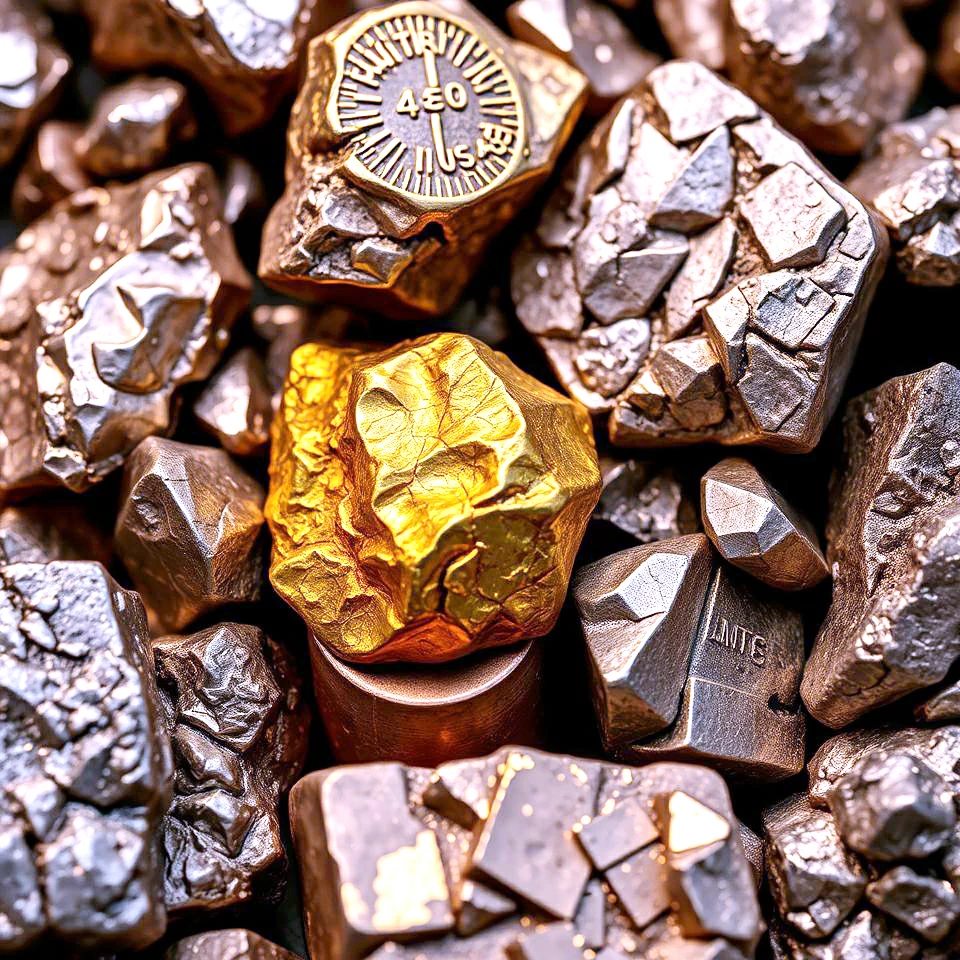
تُعد المعادن النادرة (أو العناصر الأرضية النادرة - Rare Earth Elements) عصب التكنولوجيا الحديثة والصناعات المتقدمة. وعلى الرغم من تسميتها بـ «النادرة»، إلا أنها متوفرة في القشرة الأرضية بكميات لا بأس بها، ولكن تكمن صعوبتها في تشتتها وعدم وجودها في تجمعات خام كثيفة، مما يجعل عملية استخراجها وفصلها مكلفة ومعقدة للغاية.
وتتكون هذه المجموعة من 17 عنصراً كيميائياً في الجدول الدوري، وتلعب دوراً حاسماً في التحول نحو الطاقة النظيفة والابتكارات التكنولوجية.
وتدخل هذه المعادن في صناعة كل شيء تقريباً في الحياة اليومية، بدءاً من الهواتف الذكية وأجهزة الكمبيوتر، وصولاً إلى السيارات الكهربائية، وتوربينات الرياح، والمعدات الطبية، والأنظمة الدفاعية والعسكرية.
ومن أبرز تلك المعادن النيوديميوم، السيريوم، الإيتريوم والبروميثيوم، وتسيطر دول قليلة، وعلى رأسها الصين، على النسبة الأكبر من استخراج ومعالجة هذه المعادن، مما يخلق تحديات سياسية واقتصادية لباقي دول العالم التي تعتمد على استيرادها.
Rare earth metals (or Rare Earth Elements) are the backbone of modern technology and advanced industries. Despite being called "rare," they are available in the Earth's crust in considerable quantities, but their difficulty lies in their dispersion and the lack of dense ore deposits, making the extraction and separation processes extremely costly and complex.
This group consists of 17 chemical elements in the periodic table and plays a crucial role in the transition to clean energy and technological innovations.
These metals are used in the production of almost everything in daily life, from smartphones and computers to electric cars, wind turbines, medical equipment, and defense and military systems.
Among the most notable of these metals are neodymium, cerium, yttrium, and promethium, and a few countries, led by China, dominate the majority of the extraction and processing of these metals, creating political and economic challenges for other countries that rely on importing them.