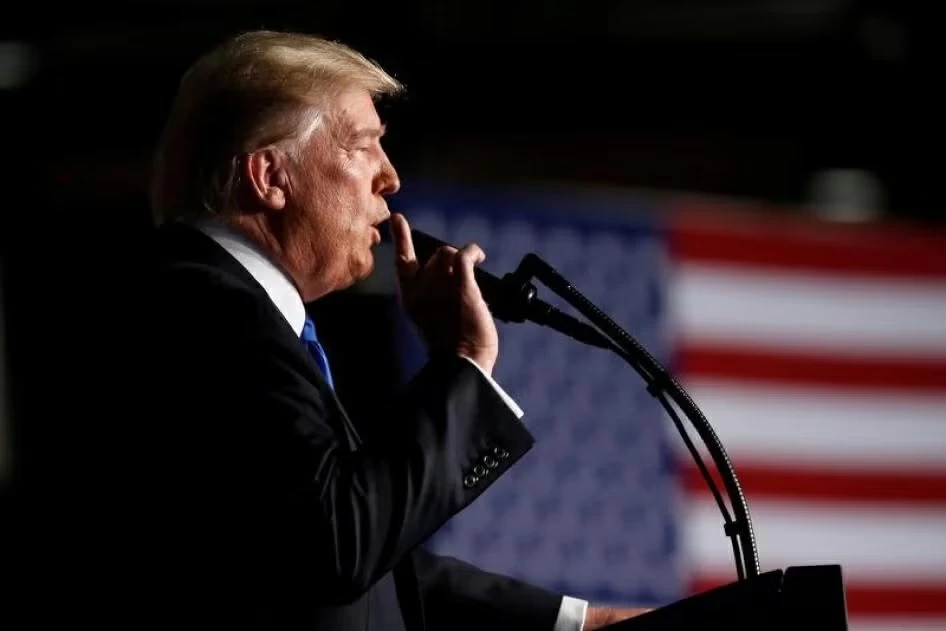
في لهجة شديدة التصعيد، عاد الرئيس الأمريكي دونالد ترمب ليضع إيران في دائرة الانتقاد المباشر، موجّهاً تصريحات حادة اعتبر فيها أن قدرات طهران العسكرية تراجعت بشكل كبير، وأنها لم تعد تملك أسطولاً بحرياً فعّالاً، فيما وصف قواتها الجوية بأنها «مُدمّرة»، متحدثاً في الوقت نفسه عن أزمة اقتصادية خانقة تعيشها البلاد في ظل استمرار التوترات الإقليمية.
وفي هذا السياق، صعّد ترمب من نبرة خطابه مع اقتراب لحظة حساسة في مسار التهدئة بين واشنطن وطهران، وسط مؤشرات على هشاشة وقف إطلاق النار القائم واحتمالات انهياره في أي وقت.
وتأتي هذه التصريحات في ظل أجواء سياسية وعسكرية متوترة، وسط شكوك متزايدة بشأن صمود وقف إطلاق النار الهش بين واشنطن وطهران، بالتوازي مع تحركات دبلوماسية وأمنية متسارعة من الجانبين.
وفي تطور لافت، كشفت شبكة NBC الأمريكية أن وزارة الدفاع الأمريكية (البنتاغون) تدرس خيار إعادة تسمية العمليات العسكرية المرتبطة بإيران إلى اسم «المطرقة الثقيلة»، في حال انهيار التهدئة الحالية، وهو ما يُنظر إليه كمؤشر على استعداد واشنطن لاحتمال التصعيد العسكري إذا فشلت المسارات التفاوضية.
في المقابل، أعلنت وزارة الخارجية الإيرانية أنها بانتظار «تقييم أكثر تفصيلاً» من الوسطاء الباكستانيين بشأن جولات التفاوض غير المباشرة مع الولايات المتحدة، في ظل استمرار الخلافات العميقة حول البرنامج النووي ومستقبل الهدنة القائمة.
وتشير مصادر إيرانية إلى أن باكستان تلعب دور الوسيط في نقل الرسائل والمقترحات بين الطرفين منذ أسابيع، ضمن مساعٍ تهدف إلى تثبيت وقف إطلاق النار الذي أعقب المواجهات العسكرية التي اندلعت أواخر فبراير الماضي، عقب ضربات أمريكية وإسرائيلية استهدفت مواقع داخل إيران.
وكان ترمب قد صرّح في وقت سابق بأن وقف إطلاق النار «بات على جهاز إنعاش»، معتبراً أن فرص استمراره لا تتجاوز 1%، في إشارة إلى هشاشته الشديدة.
ورغم التصعيد في خطابه، أكد الرئيس الأمريكي استمرار قنوات التواصل مع طهران، مشدداً على أن الولايات المتحدة «ستحصل على اليورانيوم المخصب من إيران»، وهو أحد أبرز الملفات الخلافية التي لا تزال تعرقل التوصل إلى اتفاق نهائي بين الجانبين.
In a sharply escalating tone, U.S. President Donald Trump has once again placed Iran in the direct line of criticism, making pointed remarks in which he claimed that Tehran's military capabilities have significantly declined, and that it no longer possesses an effective naval fleet, while describing its air forces as "devastating," simultaneously speaking about a suffocating economic crisis the country is experiencing amid ongoing regional tensions.
In this context, Trump has intensified his rhetoric as a sensitive moment approaches in the de-escalation process between Washington and Tehran, amid signs of the fragility of the existing ceasefire and the potential for its collapse at any moment.
These statements come amid tense political and military atmospheres, with increasing doubts about the durability of the fragile ceasefire between Washington and Tehran, alongside rapid diplomatic and security maneuvers from both sides.
In a notable development, NBC News reported that the U.S. Department of Defense (Pentagon) is considering renaming military operations related to Iran to "Heavy Hammer," in the event of the current ceasefire collapsing, which is seen as an indication of Washington's readiness for potential military escalation if diplomatic avenues fail.
In contrast, the Iranian Foreign Ministry announced that it is awaiting a "more detailed assessment" from Pakistani mediators regarding the indirect negotiations with the United States, amid ongoing deep disagreements over the nuclear program and the future of the existing truce.
Iranian sources indicate that Pakistan has been playing the role of mediator in conveying messages and proposals between the two parties for weeks, as part of efforts aimed at solidifying the ceasefire that followed the military confrontations that erupted in late February, following U.S. and Israeli strikes targeting sites inside Iran.
Trump had previously stated that the ceasefire "is on life support," considering that the chances of its continuation do not exceed 1%, in reference to its extreme fragility.
Despite the escalation in his rhetoric, the U.S. president confirmed the continuation of communication channels with Tehran, emphasizing that the United States "will obtain enriched uranium from Iran," which is one of the most prominent contentious issues that still hinder reaching a final agreement between the two sides.