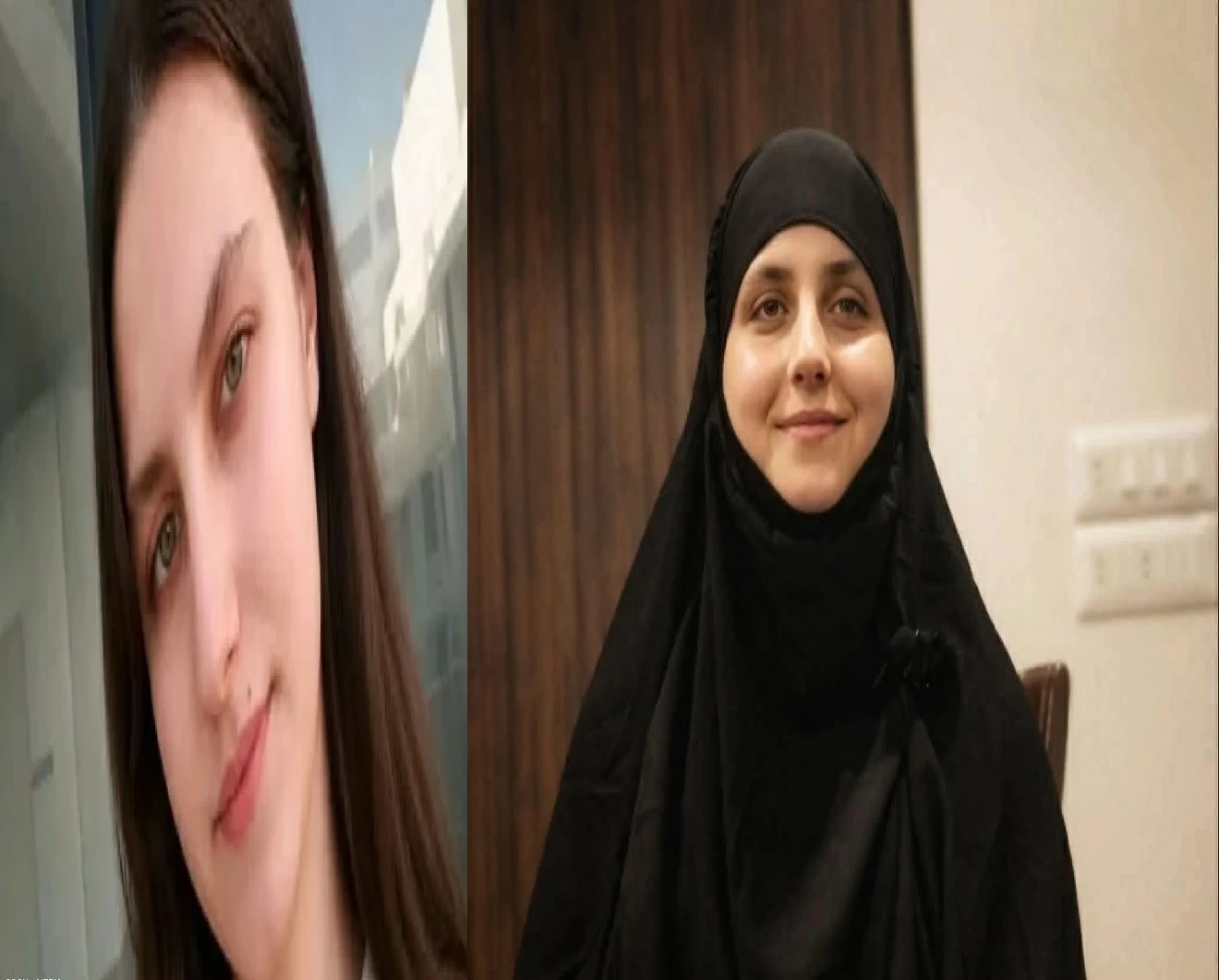
لم يكن خبراً عادياً ذلك الذي ضجت به منصات التواصل الاجتماعي في سوريا خلال الساعات الماضية، فقصة الشابة بتول سليمان علوش تحولت من مجرد بلاغ عن فقدان طالبة جامعية، إلى لغز اجتماعي وفكري معقد، وضع الجميع أمام روايات متضاربة تبدأ من السكن الجامعي في اللاذقية ولا تنتهي عند حدود بانياس وجبلة.
«هاجرت في سبيل الله».. عبارة قلبت الموازين
البداية كانت اختفاءً مفاجئاً أثناء عودتها للمنزل، لكن الصدمة الكبرى جاءت مع ظهور بتول في فيديو بـ«مظهر مختلف» عما اعتاده الجميع، لتعلن بكلمات واضحة أنها لم تُخطف، بل «هاجرت في سبيل الله». هذه العبارة تحديداً كانت الفتيل الذي أشعل التساؤلات في الساحل السوري حول طبيعة التحول المفاجئ الذي طرأ على حياة الشابة، والجهة التي تبنت هذا التغيير.
ووسط ضجيج الروايات، برز اسم «مركز الأخوات» في مدينة جبلة كأحد أكثر النقاط إثارة للجدل. ففي حين وجهت والدة بتول أصابع الاتهام لجهات وصفتها بـ«المتشددة» باحتجاز ابنتها داخل هذا المركز، نفت بتول في ظهورها اللاحق أمام وجهاء محليين وجودها هناك، مؤكدة أنها تقيم لدى صديقة. هذا التباين الحاد حول مكان وجودها وما يحدث داخل تلك «المراكز» أبقى القضية في دائرة الشكوك.
ما زاد من غموض المشهد هو موقف والد بتول، الذي أكد في البداية لقاءها وأنها بخير، ثم عاد وتراجع عن تصريحاته ملمحاً إلى أنه وافق على نفي رواية الخطف. هذا التبدل الدراماتيكي في المواقف عكس حجم «الحساسية المفرطة» التي تحيط بالملف، والتي يبدو أنها تتجاوز مجرد خلاف عائلي إلى ما هو أعمق بكثير.
وبينما يرى فريق أن ما جرى هو «قرار شخصي» لبتول، يعتقد آخرون أن هناك «خيوطاً غير مرئية» تدير المشهد، خصوصا مع التوقيت والطريقة التي ظهرت بها. وبين بانياس وجبلة، تظل قصة بتول علوش تفتح الباب أمام نقاشات اجتماعية وفكرية صامتة، حول ماهية التحولات التي تجري خلف الأبواب المغلقة في مناطق الساحل السوري.
هل كان ظهور بتول الأخير هو الفصل الختامي؟ أم أن لغز «مركز الأخوات» والضغوط التي تحدث عنها والدها سيفتحان فصولاً جديدة من قصة لم تعد ملكاً لعائلة بتول وحدها، بل حولتها وسائل التواصل الاجتماعي إلى قضية رأي عام بامتياز.
The news that has dominated social media platforms in Syria over the past few hours was not ordinary; the story of the young woman Batoul Suleiman Aloush transformed from a mere report of a missing university student into a complex social and intellectual puzzle, placing everyone in front of conflicting narratives that begin from the university dormitory in Latakia and do not end at the borders of Baniyas and Jableh.
“I emigrated for the sake of God”... a phrase that turned the scales
The beginning was a sudden disappearance while returning home, but the major shock came with Batoul appearing in a video with a “different appearance” than what everyone was used to, declaring in clear words that she was not kidnapped, but rather “emigrated for the sake of God.” This specific phrase was the spark that ignited questions along the Syrian coast regarding the nature of the sudden transformation that occurred in the young woman's life and the entity that embraced this change.
Amidst the noise of narratives, the name “Sisters' Center” in the city of Jableh emerged as one of the most controversial points. While Batoul's mother pointed fingers at what she described as “extremist” groups for holding her daughter inside this center, Batoul denied in her subsequent appearance before local dignitaries that she was there, confirming that she was staying with a friend. This sharp contrast regarding her whereabouts and what happens inside those “centers” kept the case shrouded in doubts.
What added to the mystery of the scene was Batoul's father's stance, who initially confirmed meeting her and that she was fine, then later retracted his statements, hinting that he agreed to deny the kidnapping narrative. This dramatic shift in positions reflected the extent of the “excessive sensitivity” surrounding the case, which seems to transcend mere family disputes to something much deeper.
While one group sees what happened as Batoul's “personal decision,” others believe that there are “invisible threads” managing the scene, especially with the timing and manner of her appearance. Between Baniyas and Jableh, Batoul Aloush's story continues to open the door to silent social and intellectual discussions about the nature of the transformations occurring behind closed doors in the regions of the Syrian coast.
Was Batoul's recent appearance the final chapter? Or will the mystery of the “Sisters' Center” and the pressures mentioned by her father open new chapters in a story that is no longer solely the property of Batoul's family, but has been transformed by social media into a public issue par excellence?