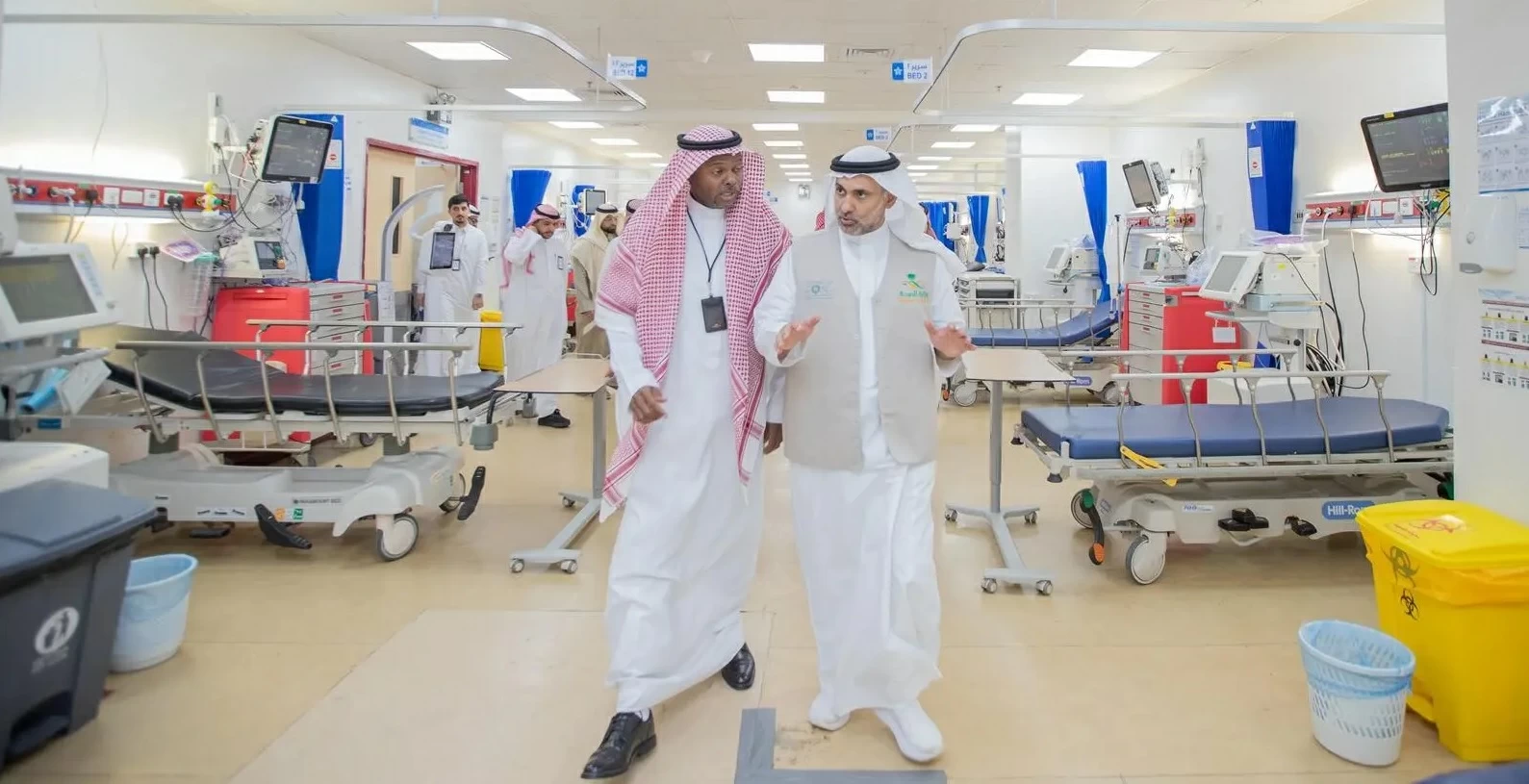
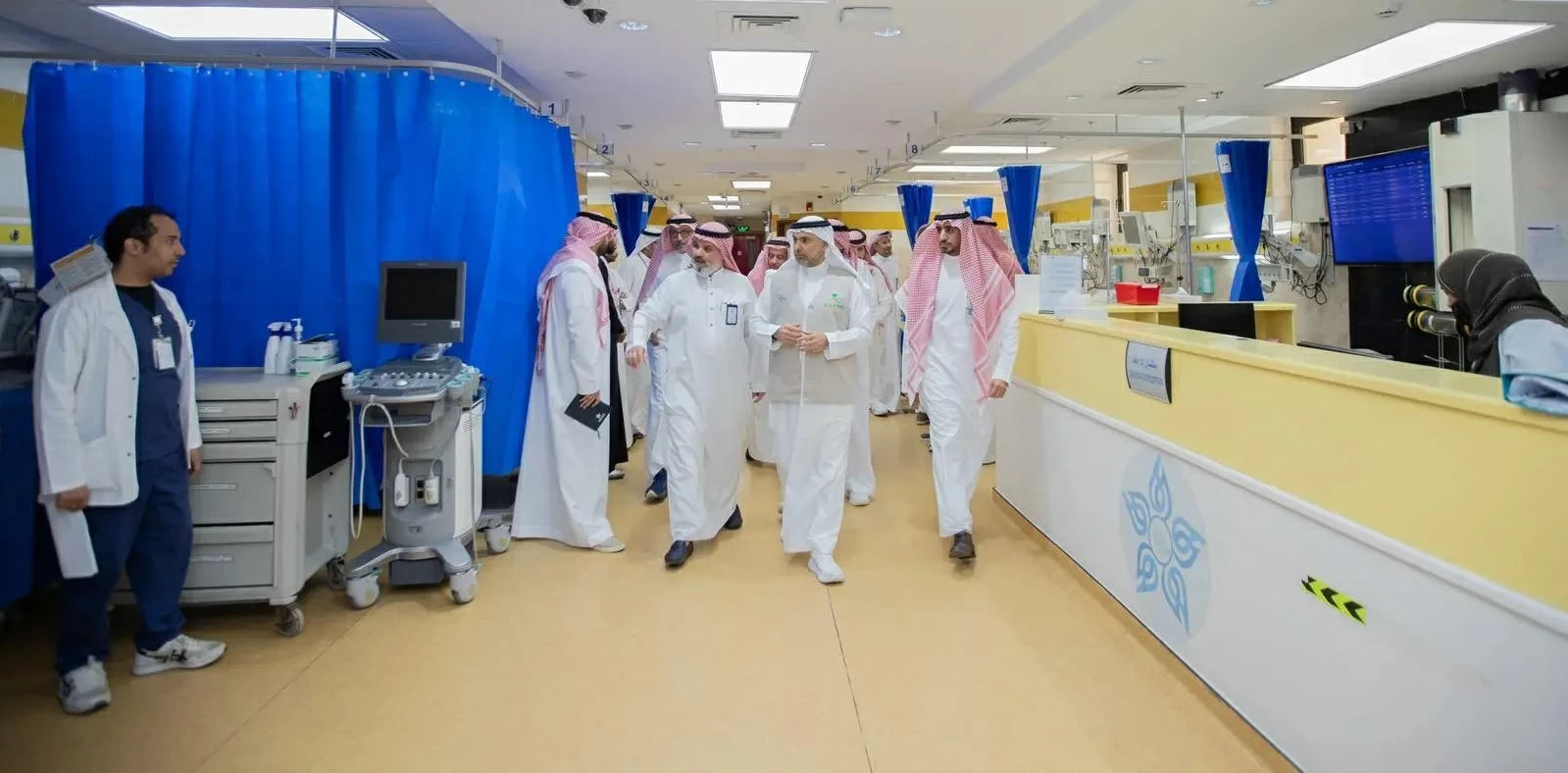
تفقد وزير الصحة فهد بن عبدالرحمن الجلاجل، على مدار يومين، عددًا من المنشآت الصحية في مكة المكرمة؛ للوقوف على جاهزيتها استعدادًا لموسم حج 1447هـ، تجسيدًا لاهتمام وحرص حكومة خادم الحرمين الشريفين وولي عهده، على توفير أفضل رعاية صحية لضيوف الرحمن والحفاظ على صحتهم وسلامتهم، وبما يتواءم مع مستهدفات برنامج تحول القطاع الصحي، المنبثق من رؤية المملكة 2030.
وأكد الجلاجل أن جاهزية المنشآت الصحية في مكة المكرمة تمثل أولوية قصوى، مشيرًا إلى أن الخطط التشغيلية ترتكز على تعزيز الطاقة الاستيعابية، وتكامل الخدمات الوقائية والعلاجية والإسعافية، بما يضمن تقديم رعاية صحية شاملة لضيوف الرحمن، ورفع جاهزية الكوادر الصحية والفنية، وتكامل الأدوار بين مكونات المنظومة الصحية، بما يعزز القدرة على التعامل مع مختلف الحالات بكفاءة واحترافية، ويضمن سلامة ضيوف الرحمن خلال أدائهم مناسكهم.
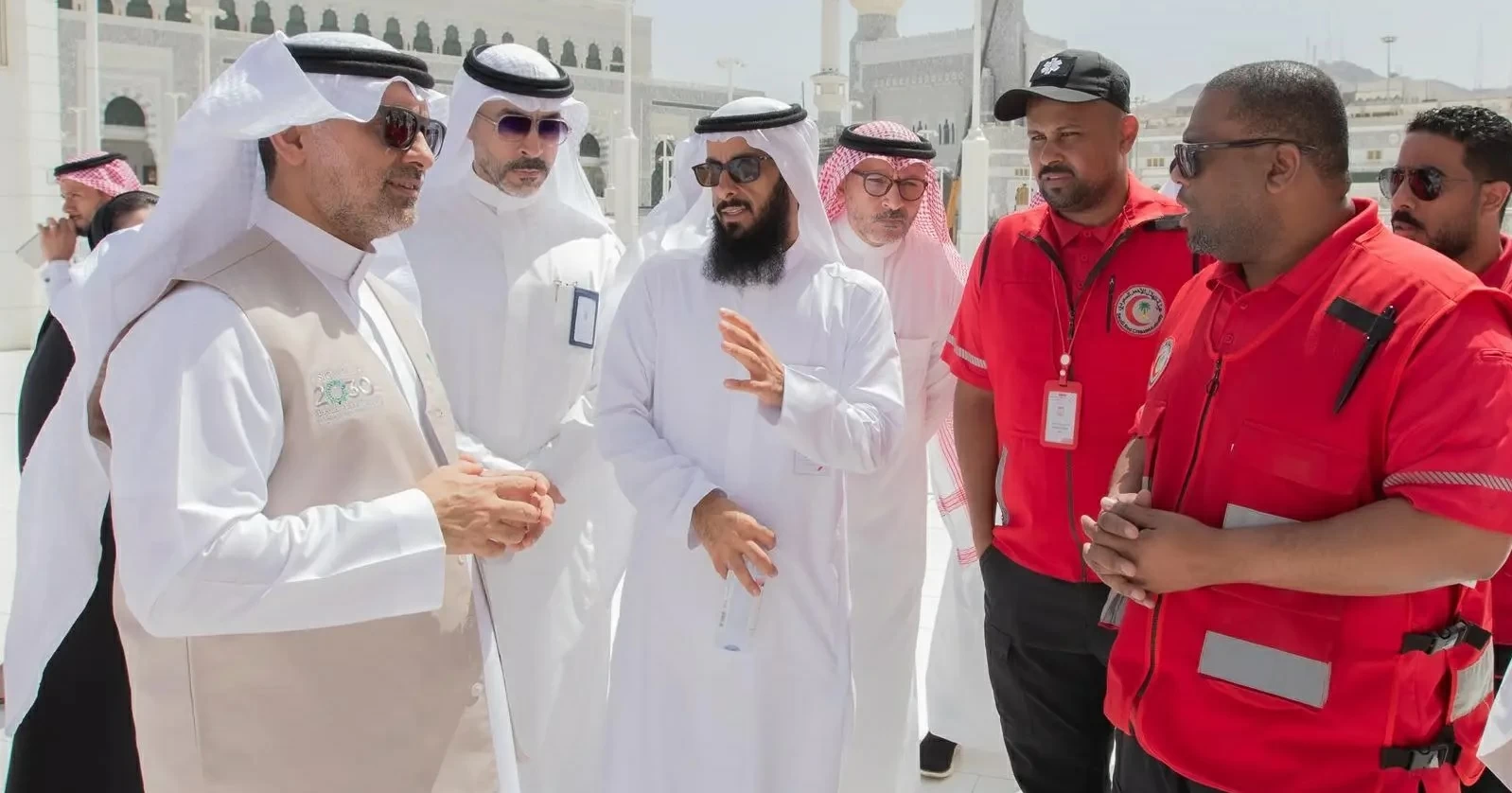
وشملت الجولة في المنطقة المركزية زيارة مستشفى أجياد، ومستشفى الجوار، إلى جانب زيارة مركز القيادة والتحكم بهيئة العناية بشؤون الحرمين الشريفين، والاطلاع على جاهزية مقدمي الخدمات الإسعافية من القطاع الخاص، كما امتدت الجولة لتشمل مستشفيات "الملك فيصل، ومكة العام، والملك عبدالعزيز، إضافة إلى مستشفى النور".
كما شملت الجولة كذلك زيارة مدينة الملك عبدالله الطبية؛ للوقوف على جاهزيتها باعتبارها أحد المراكز المرجعية المتقدمة في تقديم الرعاية التخصصية، ودورها في دعم المنظومة الصحية خلال موسم الحج، واستعرض خلالها التقنيات الطبية المتقدمة التي تُستخدم في تسهيل متابعة الحالة الصحية لضيوف الرحمن، بما يسهم في تسريع الإجراءات وتحسين جودة الاستجابة.
وخلال جولاته التفقدية، وقف معاليه على جاهزيتها التشغيلية وتعزيز تكامل الخدمات الصحية المقدمة لضيوف الرحمن، واطّلع على جاهزية أقسام الطوارئ والعناية المركزة، وخطط التعامل مع الحالات الحرجة، وآليات الاستجابة السريعة، إضافة إلى تكامل منظومة القيادة والتحكم، ومستوى التنسيق بين الجهات الصحية والإسعافية، بما يضمن سرعة الاستجابة ورفع كفاءة تقديم الخدمة خلال موسم الحج.
وتأتي هذه الجولات في إطار حرص وزارة الصحة على متابعة الجاهزية الميدانية للمنشآت الصحية، وتعزيز تكامل الخدمات الصحية في مختلف المواقع، بما يحقق أعلى مستويات السلامة الصحية خلال موسم حج 1447هـ.
The Minister of Health, Fahd bin Abdulrahman Al-Jalajel, inspected several health facilities in Mecca over the course of two days to assess their readiness in preparation for the Hajj season of 1447 AH. This reflects the interest and commitment of the government of the Custodian of the Two Holy Mosques and his Crown Prince to provide the best healthcare for the guests of Allah and to ensure their health and safety, in line with the objectives of the Health Sector Transformation Program, which stems from the Kingdom's Vision 2030.
Al-Jalajel emphasized that the readiness of health facilities in Mecca is a top priority, noting that the operational plans focus on enhancing capacity, integrating preventive, therapeutic, and emergency services, ensuring comprehensive healthcare for the guests of Allah, and increasing the readiness of health and technical staff. This integration among the components of the health system enhances the ability to handle various cases efficiently and professionally, ensuring the safety of the guests of Allah during their rituals.
The tour in the central area included visits to Ajyad Hospital, Al-Jawhar Hospital, as well as a visit to the Command and Control Center of the General Authority for the Care of the Two Holy Mosques, and reviewing the readiness of private sector emergency service providers. The tour also extended to include King Faisal Hospital, Mecca General Hospital, King Abdulaziz Hospital, in addition to Al-Noor Hospital.
The tour also included a visit to King Abdullah Medical City to assess its readiness as one of the advanced reference centers for providing specialized care, and its role in supporting the health system during the Hajj season. During this visit, advanced medical technologies used to facilitate monitoring the health status of the guests of Allah were reviewed, contributing to speeding up procedures and improving the quality of response.
During his inspection tours, His Excellency reviewed the operational readiness and enhanced integration of health services provided to the guests of Allah, and he was briefed on the readiness of emergency and intensive care departments, plans for dealing with critical cases, rapid response mechanisms, in addition to the integration of the command and control system, and the level of coordination among health and emergency agencies, ensuring quick response and improving service delivery efficiency during the Hajj season.
These tours come as part of the Ministry of Health's commitment to monitor the field readiness of health facilities and enhance the integration of health services in various locations, achieving the highest levels of health safety during the Hajj season of 1447 AH.