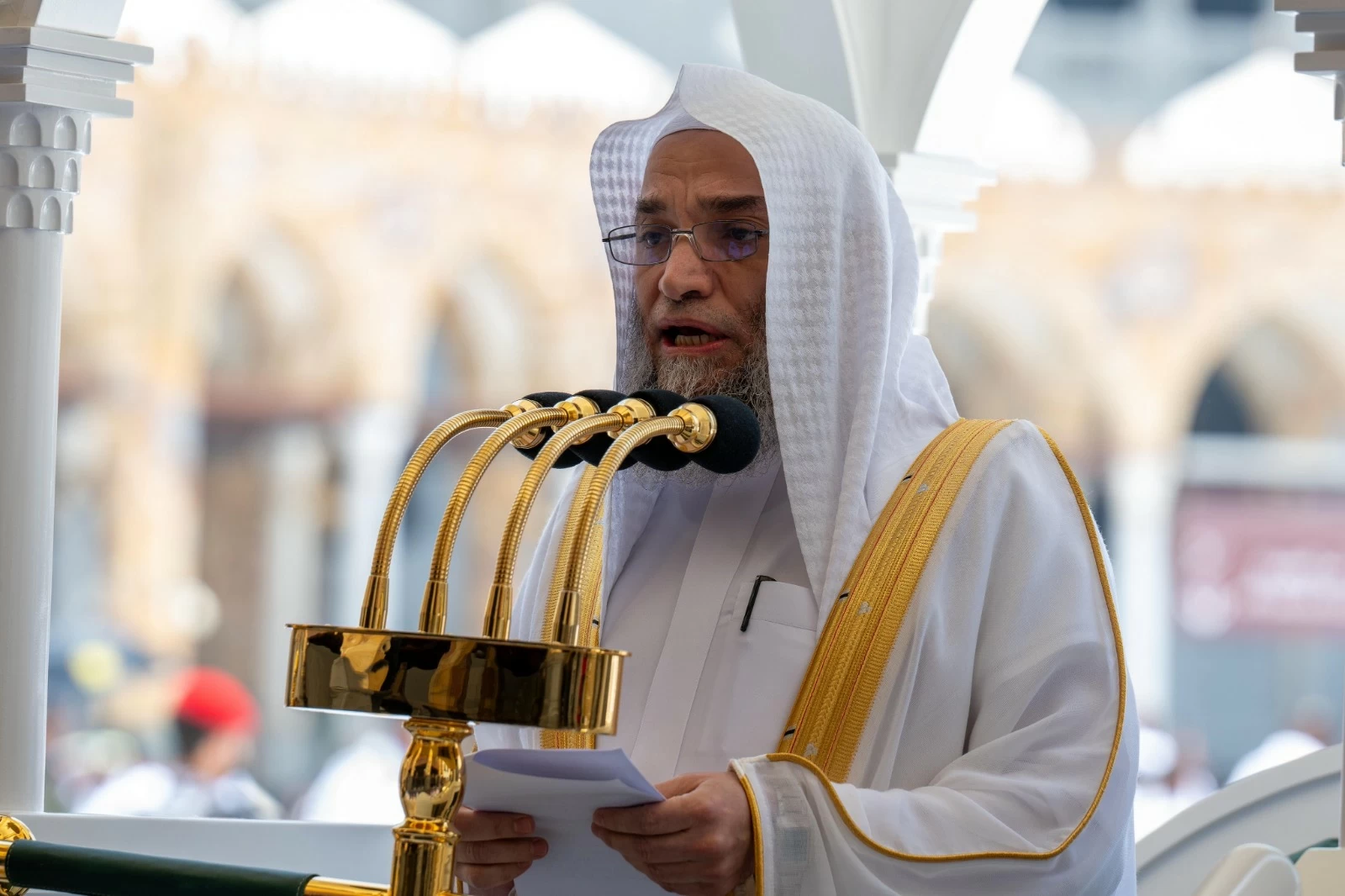
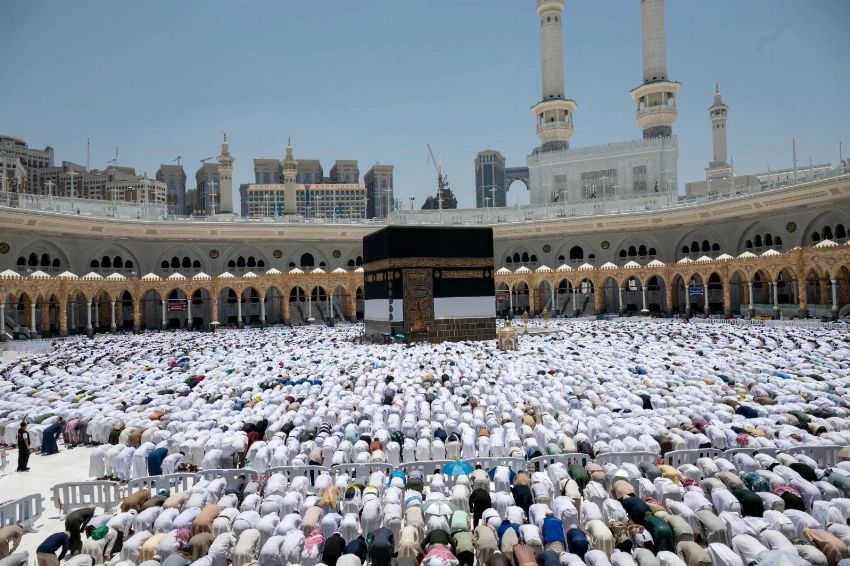
أوصى إمام وخطيب المسجد الحرام الشيخ الدكتور فيصل بن جميل غزاوي المسلمين بتَّقُوى اللَّهَ، فَمَنِ اتَّقَى رَبَّهُ جَعَلَ لَهُ بَيْنَ الْحَقِّ وَالْبَاطِلِ فُرْقَانَا، وَرَزَقَهُ فِيمَا يُرِيدُ مِنَ الْخَيْرِ إِمْكَانًا.
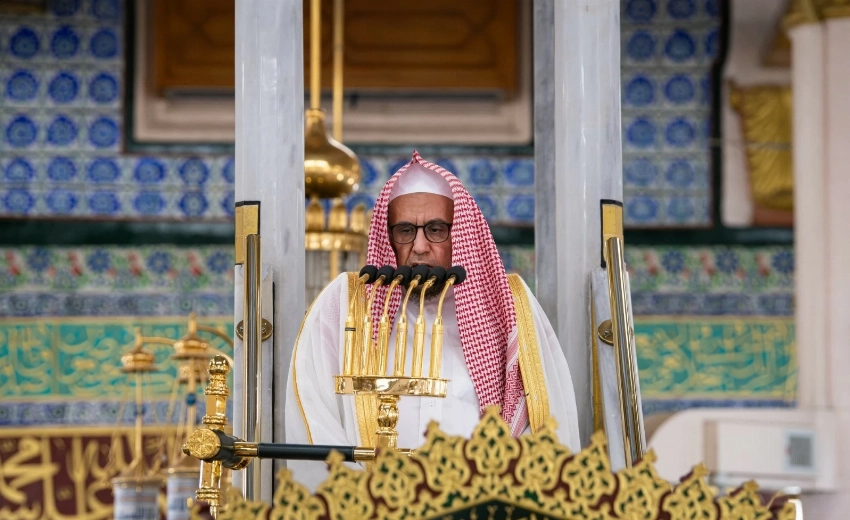
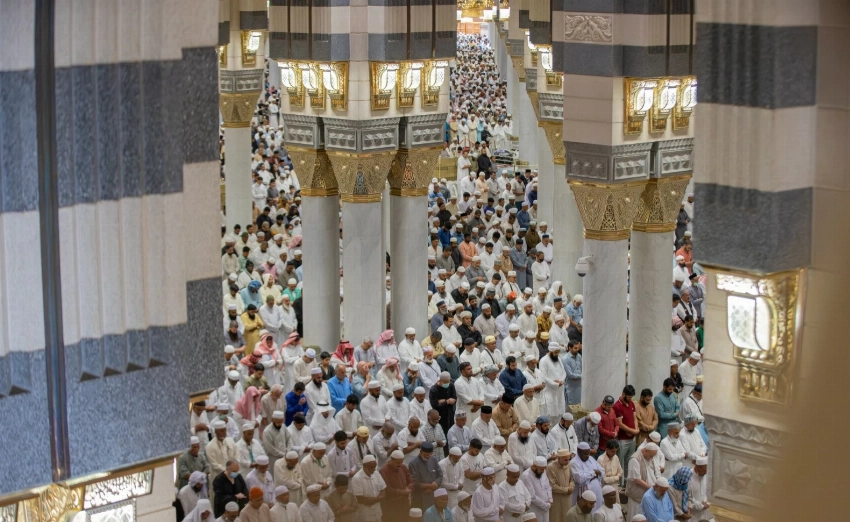
كما أوصى إمام وخطيب المسجد النبوي الشيخ الدكتور حسين آل الشيخ المسلمين بتقوى الله تعالى ولزوم طاعته، واستحضار الدروس والعبر المستفادة من الهجرة النبوية الشريفة، التي تمثل منهجًا متكاملًا في بناء الفرد والمجتمع ومواجهة التحديات وتحقيق مصالح الدين والدنيا.
وقال: نحن في مشارف نهاية عام هجري من هجرة النبي -صلى الله عليه وسلم- فإن المتحتّم على كل مسلم أن يكون دائمًا على تذكّر لسيرة المصطفى -عليه الصلاة والسلام-، مستشهدًا بقولة تعالى: (قُلْ إِن كُنتُمْ تُحِبُّونَ اللَّهَ فَاتَّبِعُونِي يُحْبِبْكُمُ اللَّهُ وَيَغْفِرْ لَكُمْ ذُنُوبَكُمْ).
وأشار إلى أن من جوانب سيرته العطرة المطهرة حادثة الهجرة بما اشتملت عليه من مصاعب ومشاق وابتلاءات وما وقع فيها، وما حملته من دروس في حياة الأفراد والمجتمعات، مؤكدًا أن هذا المنهج يجب على أمة الإسلام أن تتخذه نبراسًا تهتدي به، وأن تفهم أسراره وتعي دلالاته ومقاصده.
وبيّن أن الأمة لن تتمكن من الوصول إلى حلول ناجحة لمشكلاتها أو تجاوز أزماتها وتحدياتها إلا من خلال قراءة واعية لوحي الله تعالى، والاهتداء بهدي النبي -صلى الله عليه وسلم-، والاعتماد على الفهم الصحيح والتحليل الدقيق والعميق، مع التثبت مما ورد في سيرته العطرة -صلى الله عليه وسلم- واستلهام ما تحمله من دروس وعبر.
وتابع قائلًا: إن حادثة الهجرة الشريفة لتحمل دروسًا عظيمة، وعبرًا منيرة يكمن فيها جلب المصالح وتكثيرها، ودفع المفاسد وتقليلها في شؤون الدنيا والدين معًا، مبينًا أن سيرة نبينا -صلى الله عليه وسلم- في جميع مراحلها تحمل مقاصد أصيلة وأخرى تبعية فرعية، وأن غايتها الكبرى وأهدافها العظمى تحقيق توحيد الله جل وعلا في ربوبيته، وألوهيته، وأسمائه وصفاته.
وأوضح الدكتور آل الشيخ أن جميع مراحل السيرة النبوية، ومنها الهجرة، قامت على إعلان التوحيد وشواهده، ومحاربة الشرك وظواهره، ولم ينصرف النبي -صلى الله عليه وسلم- عنه في أي حال من الأحوال، سواء أثناء الهجرة، أو بعد وصوله إلى المدينة، مشيرًا إلى أن التوحيد هو الأصل الذي ينبغي أن يُعنى به في كل زمان ومكان، وأن يكون الاهتمام به أولًا وآخرًا.
وأكد أن الواجب على المسلمين أن يفردوا الله سبحانه بالتعظيم التام والإجلال الكامل، وأن يتجنبوا كل ما ينافي التذلل والخضوع والاستسلام له وحده، مع قطع جميع العلائق التعبدية عن المخلوقات، والالتزام بالتعلق بالله الخالق العظيم وحده الذي بيده النفع والضر، مستشهدًا بقولة تعالى: (إِنَّهُ مَن يُشْرِكْ بِاللَّهِ فَقَدْ حَرَّمَ اللَّهُ عَلَيْهِ الْجَنَّةَ).
وأضاف أن متابعة سيرة النبي -صلى الله عليه وسلم- سبب للهداية والأمن والفلاح، والسعادة في الدارين، مبينًا أن الخوف والضلال والشقاء في الدنيا والآخرة إنما يكون في مخالفة هدي النبي الكريم والرسول الأمين، مستشهدًا بقوله تعالى: (وَمَا كَانَ لِمُؤْمِنٍ وَلَا مُؤْمِنَةٍ إِذَا قَضَى اللَّهُ وَرَسُولُهُ أَمْرًا أَن يَكُونَ لَهُمُ الْخِيَرَةُ مِنْ أَمْرِهِمْ).
وذكر إمام وخطيب المسجد النبوي أن ما تعانيه الأمة اليوم من الاختلاف والتخبط في الدين، وما وقعت فيه من الفتن والتفرق والتحزب والتعصب الذميم، إنما هو نتيجة مخالفة طريق السنة النبوية التي كان عليها الصحابة والتابعون، والانحراف إلى اتباع الأهواء والبدع، وسلوك الرأي المذموم، وانتهاج المسالك الكلامية والطرق العقلية، داعيًا أمة الإسلام وعلماءها إلى لزوم السنة والاجتماع عليها والتحلي بها قولًا وعملًا.
واختتم الخطبة مؤكدًا أهمية التثبت فيما يُنقل من أحداث السيرة النبوية، مشيرًا إلى أن بعض ما يُروى في حادثة الهجرة النبوية يشتمل على روايات ضعيفة وغير ثابتة، داعيًا إلى الرجوع إلى كتب السنة المعتبرة والتحري قبل نشر أو تداول أخبار السيرة، لا سيما في ظل تيسر الوصول إلى أقوال أهل العلم المعتبرين فيما يُروى ويُذكر من أحداثها.
The Imam and preacher of the Grand Mosque, Sheikh Dr. Faisal bin Jameel Ghazawi, advised Muslims to fear Allah, for whoever fears his Lord will be granted a criterion between truth and falsehood, and will be provided with what he desires of goodness.
He said in the Friday sermon delivered today at the Grand Mosque: How profound is its significance! And how trivial is its worth! Its calamities are renewed, and its sorrows are numerous. Its purity is mixed with its murkiness, and its sweetness is followed by bitterness. Its beginning is hardship, and its end is annihilation. Its approach is a deception, and its retreat is a calamity. Its pleasures are fleeting, and its consequences are lasting. Its lawful is accounted for, and its unlawful is punished. Indeed, this world is quick to perish, close to ending. Its inhabitants are destroyed, its beauty fades, its joy dissipates, and its greenery vanishes. Yet, despite this, how many are those who lean towards it, love it, sell their souls for its satisfaction, drown in the sea of their desires, and live solely for it, without waiting for what comes after it; for they are in constant worry and perpetual fatigue.
He added: The texts of the two revelations have clearly explained the reality of this fleeting world. Allah, the Exalted, says, diminishing its significance and belittling its matter: "Know that the life of this world is but play and amusement and adornment and boasting among yourselves and competition in increase of wealth and children. It is like the example of a rain whose plant growth pleases the tillers; then it dries and you see it turned yellow; then it becomes scattered debris. And in the Hereafter is severe punishment and forgiveness from Allah and pleasure. And what is the worldly life except the enjoyment of delusion."
He pointed out that among the people are those for whom the world has taken hold of their hearts, and has seized their feelings and minds; they have immersed themselves in its desires and perished in its valleys. Those are the ones whom Allah described by saying: "And the life of this world has deceived them."
He emphasized that the believer should have a balanced and comprehensive view of the world. His understanding of its reality, which encourages detachment from it, does not mean monasticism, withdrawal from life, or abandoning work, nor does it mean prohibiting what Allah has permitted. The believer is commanded to cultivate the earth, is permitted to enjoy the good things of sustenance, and is required to strive for lawful earnings and benefit from them within the limits of Sharia, without extravagance or negligence.
He indicated that the believer's detachment from the world calls him to engage in reform within it, by spreading monotheism, faith, and the Sunnah, and defending against polytheism, evil, and tribulation.
He clarified that the condemnation of the world mentioned in the texts is not intended to denounce life, the earth, or time, but rather to condemn the bad deeds within it and disobedience, and being preoccupied with what distracts from the obedience of the Most Merciful. Ibn al-Qayyim, may Allah have mercy on him, said: "The world, in reality, is not to be condemned; rather, the condemnation is directed at the actions of the servant within it. Otherwise, it is the foundation of the Hereafter and its cultivation, and in it, souls acquire faith, knowledge of Allah, His love, and remembrance, seeking His pleasure. The best life that the people of Paradise enjoy in Paradise is indeed what they have cultivated therein, and that is sufficient praise and virtue."
He concluded the sermon by saying: The passage of nights and days, and the passing of months and years, are among the most eloquent admonitions for those with understanding. Some wise men said: How can one rejoice in the world when his day destroys his month, and his month destroys his year, and his year destroys his lifetime? How can one rejoice in the world when his lifetime leads him to his appointed time, and his life leads him to his death?
Similarly, the Imam and preacher of the Prophet's Mosque, Sheikh Dr. Hussein Al Sheikh, advised Muslims to fear Allah and adhere to His obedience, and to recall the lessons and morals derived from the noble migration, which represents a comprehensive approach to building the individual and society, facing challenges, and achieving the interests of religion and the world.
He said: We are on the brink of the end of a Hijri year from the migration of the Prophet -peace be upon him- and it is imperative for every Muslim to always remember the biography of the Chosen One -peace be upon him-, citing the saying of Allah: "Say, 'If you love Allah, then follow me, so Allah will love you and forgive you your sins.'
He pointed out that one of the aspects of his pure and fragrant biography is the incident of the migration, which included difficulties, hardships, and trials, and what occurred therein, and the lessons it carries for the lives of individuals and communities, emphasizing that this approach should be adopted by the Muslim Ummah as a guiding light, and that they should understand its secrets and comprehend its implications and objectives.
He explained that the Ummah will not be able to reach successful solutions to its problems or overcome its crises and challenges except through a conscious reading of Allah's revelation, guided by the teachings of the Prophet -peace be upon him-, and relying on correct understanding and precise, deep analysis, while verifying what is mentioned in his fragrant biography -peace be upon him- and drawing lessons and morals from it.
He continued by saying: The incident of the noble migration carries great lessons and illuminating morals that encompass the bringing of benefits and their increase, and the repelling of evils and their reduction in both worldly and religious affairs. He clarified that the biography of our Prophet -peace be upon him- in all its stages carries original and subsidiary objectives, and that its ultimate goal and greatest objectives are to achieve the oneness of Allah, the Exalted, in His Lordship, Divinity, Names, and Attributes.
Dr. Al Sheikh explained that all stages of the prophetic biography, including the migration, were based on proclaiming monotheism and its evidences, and combating polytheism and its manifestations. The Prophet -peace be upon him- did not turn away from it in any circumstance, whether during the migration or after reaching Medina, pointing out that monotheism is the foundation that should be cared for in every time and place, and that attention to it should be primary and final.
He affirmed that it is the duty of Muslims to singularly glorify Allah with complete reverence and full veneration, and to avoid anything that contradicts humility, submission, and surrender to Him alone, while severing all devotional ties to created beings, and adhering to reliance on Allah, the Great Creator, alone, who holds benefit and harm in His hands, citing the saying of Allah: "Indeed, whoever associates partners with Allah, Allah has forbidden Paradise for him."
He added that following the biography of the Prophet -peace be upon him- is a means to guidance, security, success, and happiness in both worlds, emphasizing that fear, misguidance, and misery in this world and the Hereafter occur only in opposition to the guidance of the noble Prophet and the trustworthy Messenger, citing the saying of Allah: "And it is not for a believing man or a believing woman, when Allah and His Messenger have decreed a matter, that they should have any choice in their matter."
The Imam and preacher of the Prophet's Mosque mentioned that what the Ummah is suffering today from differences and confusion in religion, and the tribulations, divisions, partisanship, and despicable fanaticism it has fallen into, is merely a result of deviating from the path of the prophetic Sunnah that the companions and followers adhered to, and straying towards following desires and innovations, adopting blameworthy opinions, and pursuing rhetorical and intellectual paths. He called upon the Muslim Ummah and its scholars to adhere to the Sunnah and unite upon it, and to embody it in word and deed.
He concluded the sermon by emphasizing the importance of verifying what is transmitted from the events of the prophetic biography, pointing out that some of what is narrated about the incident of the noble migration includes weak and unverified accounts, urging a return to the recognized books of Sunnah and careful investigation before disseminating or circulating news of the biography, especially in light of the ease of accessing the statements of reputable scholars regarding what is narrated and mentioned from its events.