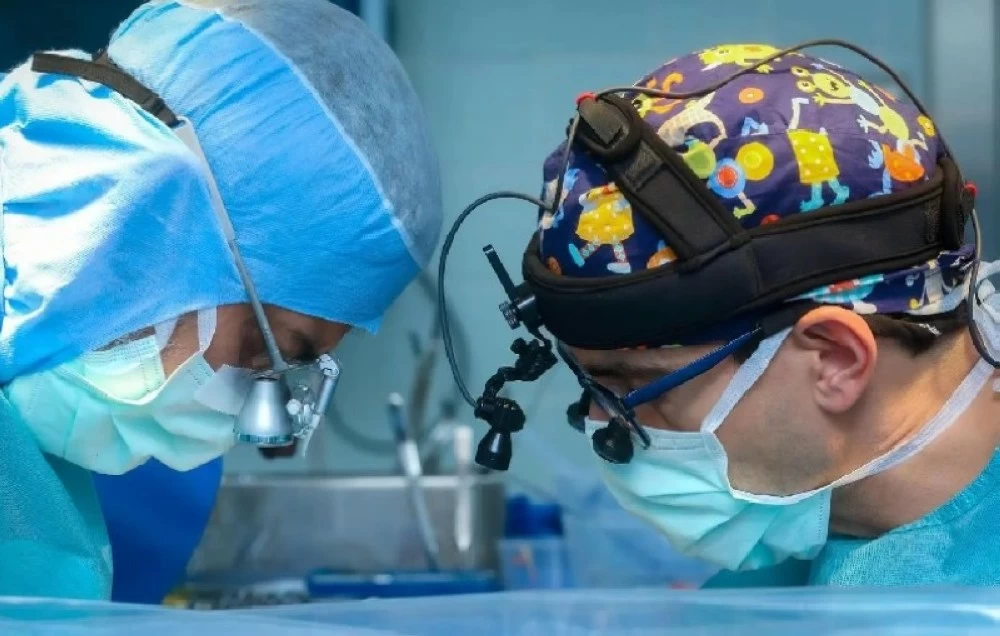
نجح مستشفى الملك فيصل التخصصي ومركز الأبحاث بالرياض في زراعة أصغر جهاز منظم دائم لضربات القلب لمولودة لا يتجاوز وزنها كيلوغرامين، متجاوزا التحدي المرتبط بصغر حجم المريضة عبر تطوير نسخة معدّلة بالتعاون مع الشركة المصنّعة؛ مما أتاح تنفيذ الإجراء بأعلى درجات الأمان ووفّر للطفلة استقرارا مبكرا في وظيفة القلب وفرصة أفضل للنمو دون مضاعفات.
ويُمثل هذا الإجراء إضافة نوعية للخبرات الطبية المتقدمة في التخصصي، إذ يأتي ضمن عدد محدود عالميا لم يتجاوز 85 حالة، ومسجّل كأول حالة من نوعها في آسيا وأفريقيا؛ مما يعكس قدرة الفريق على التعامل مع أدق فئات المرضى، ويعزّز نتائج الرعاية القلبية المتخصصة.
وكانت المولودة، التي لم يتجاوز عمرها 4 أسابيع، قد خضعت لعملية إصلاح عيب خلقي معقد في القلب تكللت بالنجاح، ثم لوحظ لديها ضعف في نبضات القلب واضطراب في التوصيل الكهربائي بين حجراته؛ مما استدعى التدخل بزراعة منظم نبضات مُعدّل، لضمان استقرار حالتها الصحية والمحافظة على استمرار وظيفة القلب.
ويُمثِّل نجاح الزراعة نقلة نوعية في رعاية الأطفال حديثي الولادة، إذ يتيح للفريق المعالج تقليص فترة التنويم بالمستشفى بكفاءة عالية، ويقلل من مخاطر المضاعفات المرتبطة بالبدائل التقليدية، مثل: العدوى الناتجة عن الأجهزة المؤقتة أو فشلها، إضافة إلى الالتهابات الموضعية عند استخدام أجهزة تنظيم النبض المعتادة نظرا لكبر حجمها مقارنة بحجم المريض.
The King Faisal Specialist Hospital and Research Centre in Riyadh has successfully implanted the smallest permanent pacemaker in a newborn weighing less than two kilograms, overcoming the challenge associated with the patient's small size by developing a modified version in collaboration with the manufacturing company; this allowed the procedure to be performed with the highest levels of safety and provided the baby with early stability in heart function and a better chance for growth without complications.
This procedure represents a qualitative addition to the advanced medical expertise at the hospital, as it is part of a limited number of cases worldwide that did not exceed 85, and is recorded as the first of its kind in Asia and Africa; reflecting the team's ability to handle the most delicate categories of patients and enhancing the outcomes of specialized cardiac care.
The newborn, who was only 4 weeks old, underwent a successful surgery to repair a complex congenital heart defect, after which a weakness in heartbeats and an electrical conduction disorder between the chambers were observed; this necessitated intervention with the implantation of a modified pacemaker to ensure the stability of her health and maintain heart function.
The success of the implantation represents a qualitative leap in the care of newborns, as it allows the treating team to significantly reduce the hospital stay duration efficiently, and decreases the risks of complications associated with traditional alternatives, such as infections resulting from temporary devices or their failure, in addition to localized infections when using conventional pacemakers due to their larger size compared to the patient's size.