طالب مجلس الشورى صندوق تنمية الموارد البشرية بتصميم وبناء مؤشر جاهزية القوى العاملة السعودية؛ للمساهمة في تعزيز الشفافية، وزيادة وسرعة المواءمة الوظيفية.
ودعا المجلس، في جلسته العادية الرابعة من أعمال السنة الثالثة للدورة التاسعة، المنعقدة برئاسة رئيس المجلس الدكتور عبدالله محمد آل الشيخ، الصندوق إلى بناء وتصميم إطار وطني لقياس أثر دعم وتمويل برامج التدريب والتوظيف ومبادرات الصندوق وفقاً لمنهجيات علمية، وتوحيد الممارسات المهنية الناجحة في التوظيف على جميع فروعه، ونقل الخبرات والمعرفة المتراكمة وتوطينها لدى مراكز التوظيف إلى منسوبي الفروع، وتقليل الاعتماد على مراكز التوظيف الخارجية تدريجياً، وتعزيز جودة بيانات المنصة الوطنية الموحدة للتوظيف (جدارات) وحوكمتها، واستكمال متطلبات تكاملها مع الجهات ذات العلاقة، بما يسهم في رفع كفاءة المواءمة الوظيفية للمنصة والتكامل الرقمي مع الجهات ذات العلاقة.
وساءل المجلس صندوق التنمية الزراعية عن أسباب انخفاض قيمة القروض المصروفة، وطالب بالعمل على دراستها لمعالجتها، وإطلاق برنامج متخصص لدعم وتمويل عمليات الاندماج والاستحواذ وإعادة الهيكلة في قطاع الدواجن، والتوسع في تمويل المشاريع المرتبطة بقطاع صيد الأسماك.
ودعا صندوق التنمية الصناعية إلى تحسين نسبة القروض المصروفة مقابل المعتمدة في قطاعات الطاقة والتعدين والخدمات اللوجستية. وأكد أن على الصندوق التوسّع في برامج شركة الصندوق الصناعي للاستثمار، واستحداث برنامج ضمن أدواته التمويلية، يسهم في توسّع الشركات الصناعية الوطنية الرائدة عالمياً في القطاعات الاستراتيجية ذات الأولوية.
وأصدر المجلس قرارات بشأن ما تضمّنته التقارير السنوية لجامعة الطائف، وجامعة الأمير مساعد بن عبدالرحمن (الإلكترونية سابقاً)، وجامعة الملك سعود بن عبدالعزيز للعلوم الصحية، وجامعة بيشة، وجامعة الأمير سطام بن عبدالعزيز، وجامعة تبوك، وجامعة الملك خالد، مؤكداً تنمية وتنويع مواردها الذاتية، بما يحقق استدامتها المالية، ودراسة أسباب ارتفاع عدد العائدين من الابتعاث دون الحصول على مؤهل علمي، ووضع الحلول المناسبة، ورفع كفاءة منظومة القياس والتقويم، بما يضمن دقة قياس مؤشرات أدائها وموثوقيتها، وفاعليتها في متابعة تحقيق أهدافها الاستراتيجية.
وناقش المجلس التقارير السنوية للجامعة الإسلامية في المدينة المنورة، وجامعة الأميرة نورة بنت عبدالرحمن، وجامعة حائل، وأبدى أعضاء المجلس عدداً من الملحوظات والآراء بشأن ما تضمّنته التقارير، وفي نهاية المناقشات طلبت اللجان منحها مزيداً من الوقت لدراسة ما طرحه الأعضاء من آراء ومقترحات، والعودة بوجهات نظرها إلى المجلس في جلسات لاحقة.
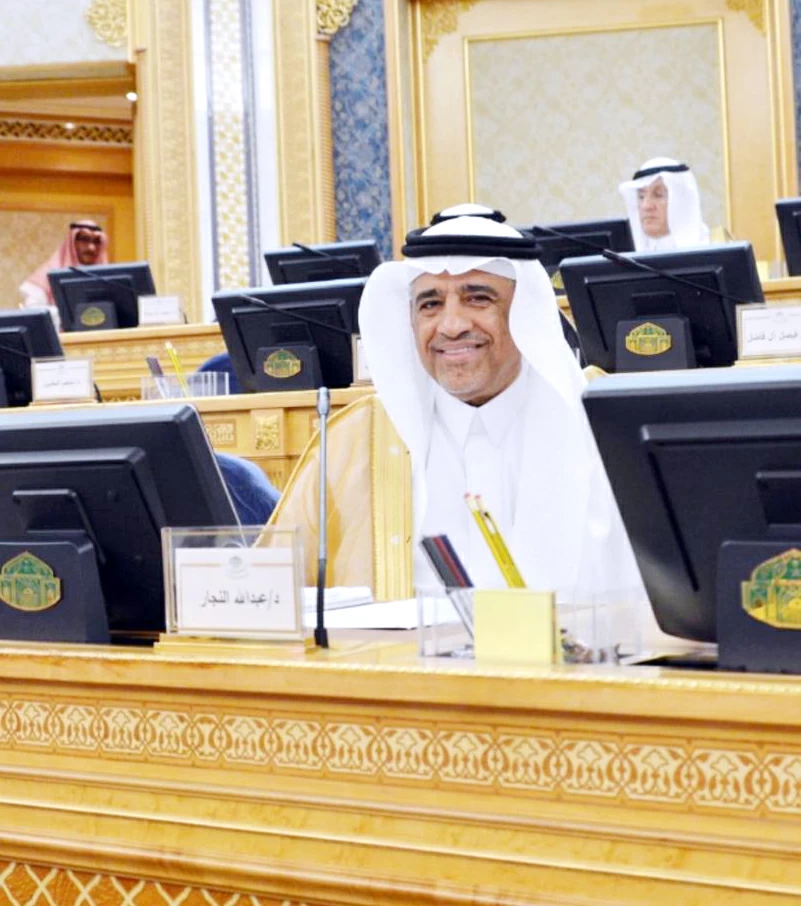
النجار لـ«عكاظ»: على جامعة نورة مراجعة مستهدفاتها
طالب عضو المجلس الدكتور عبدالله النجار في حديثه لـ«عكاظ»: جامعة الأميرة نورة بنت عبدالرحمن بتطوير منظومة مؤشرات الأداء لخطتها الاستراتيجية؛ لقياس الأثر والنتائج إلى جانب التنفيذ، مع مراجعة المستهدفات سنوياً وفق المقارنات المرجعية، ورفع تقرير للمجالس المختصة بالفجوات والإجراءات التصحيحية، والعمل على بناء منظومة لتحويل مخرجات البحث والابتكار إلى قيمة اقتصادية ومجتمعية من خلال تفعيل نقل التقنية والترخيص، وربط الباحثين بالقطاع الخاص والمستثمرين، وقياس العوائد والأثر المتحقق.وتساءل النجار عن مدى قدرة منظومة المؤشرات الحالية على قياس الأثر المتحقق من الأداء، وليس الاقتصار فقط على مستوى الإنجاز والتنفيذ. وقال في مداخلته على تقرير جامعة الأميرة نورة بنت عبدالرحمن: الأهم في المرحلة القادمة هو أن تثبت مؤشرات الخطة الاستراتيجية مدى انعكاس هذه المنجزات على جودة مخرجات التعليم والبحث والابتكار والتوظيف والاستدامة وتجربة المستفيدين، وليس فقط اكتمال المبادرات وتحقيق مستهدفاتها.
عريشي لـ«عكاظ»: جامعة بيشة متأخرة سيبرانياً 23 %
طالبت عضو المجلس الدكتورة عائشة عريشيي في حديثها لـ«عكاظ»: مع جامعة بيشة برفع نسبة حملة الدكتوراه لتوازي نسبتهم بقية الدرجات، كون الكادر المساند من المعيدين والمحاضرين يمثلون 43% من إجمالي الكادر التعليمي. ولاحظت أن الجامعة لم تستكمل ضوابط الأمن السيبراني؛ فمؤشر التزام الجامعة بتطبيق الأمن السيبراني متأخر 23%. وتساءلت في مداخلتها على تقرير جامعة بيشة عن تأسيس وحدة علاقات الخريجين، وعن نشاطها، لافتةً إلى أن التواصل مع الخريجين وأرباب العمل (متحقق جزئياً)، ما يتطلب الاهتمام بتطوير علاقات الجامعة مع خريجيها، بما يسهم في متابعتهم ومعرفة البرامج الأكثر طلباً في سوق العمل، ويطوّر البرامج وفق التحوّلات المتسارعة في سوق العمل.
وذهبت عريشي إلى أن الجامعة بحاجة إلى أن تمتلك مركزاً أو منصة متخصصة لمنح الشهادات الاحترافية، بالتعاون مع هدف، ما يتطلب الاتجاه نحو التوسع في منح الشهادات الاحترافية في جميع البرامج، إذ تتركّز أغلبها في مهارات الحاسب الآلي، بحكم أهميتها عقب قرار وزارة التعليم بأن يحصل كل طالب جامعي خريج على شهادة احترافية واحدة على الأقل مرتبطة بتخصصه.
The Shura Council has urged the Human Resources Development Fund to design and build a readiness index for the Saudi workforce; to contribute to enhancing transparency and increasing the speed and effectiveness of job alignment.
During its fourth regular session of the third year of the ninth term, chaired by the Council's President Dr. Abdullah Mohammed Al Sheikh, the Council called on the Fund to develop and design a national framework to measure the impact of supporting and financing training and employment programs and the Fund's initiatives according to scientific methodologies, unify successful professional practices in employment across all its branches, transfer and localize accumulated expertise and knowledge at employment centers to branch staff, gradually reduce reliance on external employment centers, enhance the quality of data on the unified national employment platform (Jadarah) and its governance, and complete the integration requirements with relevant entities, which contributes to improving the efficiency of job alignment for the platform and digital integration with relevant entities.
The Council questioned the Agricultural Development Fund about the reasons for the decline in the value of disbursed loans and called for studying these reasons to address them, and launching a specialized program to support and finance merger and acquisition operations and restructuring in the poultry sector, as well as expanding financing for projects related to the fishing sector.
The Council called on the Industrial Development Fund to improve the ratio of disbursed loans to those approved in the energy, mining, and logistics sectors. It emphasized that the Fund should expand its investment programs and create a program within its financing tools that contributes to the expansion of leading national industrial companies in priority strategic sectors.
The Council issued decisions regarding the annual reports of Taif University, Prince Musa'id bin Abdulrahman University (formerly the Electronic University), King Saud bin Abdulaziz University for Health Sciences, Bisha University, Prince Sultan bin Abdulaziz University, Tabuk University, and King Khalid University, confirming the development and diversification of their self-resources to achieve financial sustainability, studying the reasons for the high number of returnees from scholarships without obtaining a scientific qualification, proposing appropriate solutions, and enhancing the efficiency of the measurement and evaluation system to ensure the accuracy and reliability of measuring its performance indicators and effectiveness in monitoring the achievement of its strategic goals.
The Council discussed the annual reports of the Islamic University in Medina, Princess Nourah bint Abdulrahman University, and Hail University, and members of the Council expressed several observations and opinions regarding the contents of the reports. At the end of the discussions, the committees requested more time to study the opinions and suggestions raised by the members and to return with their perspectives to the Council in subsequent sessions.
Al-Najjar to "Okaz": Princess Nourah University needs to review its targets
Council member Dr. Abdullah Al-Najjar, in his talk with "Okaz", called on Princess Nourah bint Abdulrahman University to develop a performance indicators system for its strategic plan; to measure impact and results alongside implementation, with annual reviews of targets according to benchmark comparisons, and to submit a report to the relevant councils on gaps and corrective actions. He emphasized the need to build a system to transform research and innovation outputs into economic and social value by activating technology transfer and licensing, linking researchers with the private sector and investors, and measuring the returns and achieved impact. Al-Najjar questioned the extent to which the current indicators system can measure the impact achieved from performance, rather than just focusing on the level of achievement and implementation. In his intervention on the report of Princess Nourah bint Abdulrahman University, he stated that the most important thing in the upcoming phase is for the strategic plan indicators to demonstrate how these achievements reflect on the quality of educational, research, innovation, employment, sustainability outputs, and the beneficiaries' experience, not just the completion of initiatives and achieving their targets.
Al-Areeshi to "Okaz": Bisha University is 23% behind in cybersecurity
Council member Dr. Aisha Al-Areeshi, in her talk with "Okaz", urged Bisha University to raise the percentage of PhD holders to match their proportion with other degrees, as the supporting staff of teaching assistants and lecturers represent 43% of the total educational staff. She noted that the university has not completed cybersecurity controls; the university's commitment to applying cybersecurity is 23% behind. In her intervention on the report of Bisha University, she inquired about the establishment of a graduate relations unit and its activities, pointing out that communication with graduates and employers is partially achieved, which requires attention to developing the university's relationships with its graduates, contributing to following up with them and understanding the most in-demand programs in the labor market, and developing programs according to the rapid transformations in the labor market.
Al-Areeshi further stated that the university needs to have a center or specialized platform for granting professional certificates, in collaboration with the "Hadaf" program, which requires moving towards expanding the granting of professional certificates across all programs, as most of them focus on computer skills, given their importance following the Ministry of Education's decision that every university graduate must obtain at least one professional certificate related to their specialization.