أكدت السعودية أهمية العمل الجماعي الدولي في تعزيز الأمن المائي العالمي، وترجمة الالتزام الدولي بملف المياه إلى نتائج ملموسة، بما يسهم في دعم الصحة العامة والأمن الغذائي والتنمية الاقتصادية، وتعزيز القدرة على التكيف مع تغير المناخ والاستقرار، مشددة على أهمية مواءمة التمويل مع الأولويات المائية الموثوقة، وتسريع وتيرة الابتكار ذي الأثر الكبير، وتعزيز الوصول إلى البيانات الموثوقة، وبناء القدرات المؤسسية اللازمة للتنفيذ، بما يعزز قدرة الدول على مواجهة التحديات المائية وتحقيق أهدافها المشتركة.
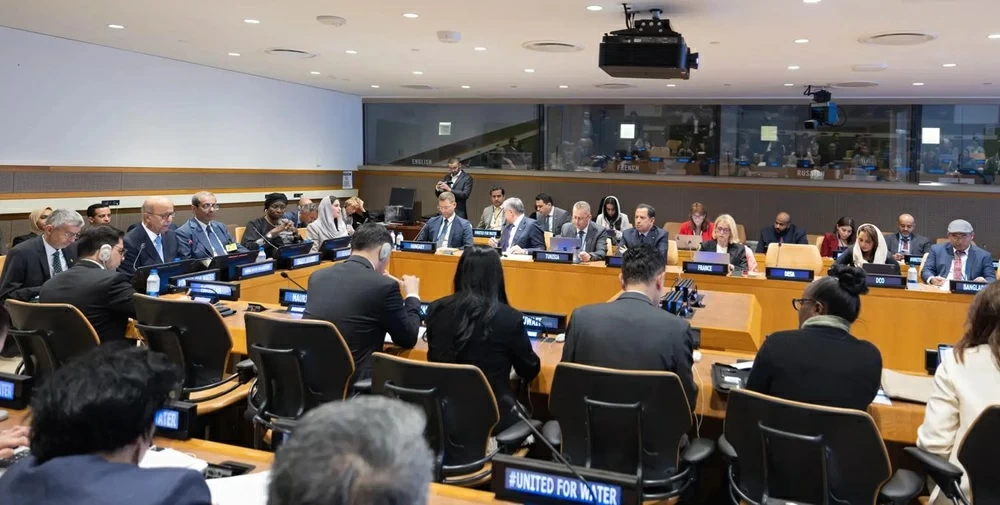
جاء ذلك خلال جلسة وزارية رفيعة المستوى بعنوان «متحدون من أجل المياه: دعوة للعمل الجماعي»، عُقدت برئاسة السعودية والسنغال، بالتعاون مع المنظمة العالمية للمياه (GWO)، على هامش الأسبوع رفيع المستوى للدورة الحادية والثمانين للجمعية العامة للأمم المتحدة في نيويورك، بمشاركة وزراء وكبار المسؤولين الحكوميين وممثلي المنظمات الدولية وبنوك التنمية متعددة الأطراف ووكالات الأمم المتحدة، إلى جانب عدد من قيادات قطاع المياه.
وأوضح رئيس الفريق التأسيسي للمنظمة العالمية للمياه الدكتور فهد بالغنيم أن الجلسة ناقشت الضغوط المتزايدة على موارد المياه عالميًا، واستعرضت مسارات عملية لترجمة الالتزام السياسي إلى إجراءات قابلة للقياس؛ إضافة إلى استعراض أهمية دور الأمن المائي في تعزيز القدرة على الصمود والاستقرار، وتسريع الانتقال من الحوار إلى التنفيذ، وتعزيز العمل الجماعي لحشد التمويل المستدام وبناء الشراكات.
ونوه الدكتور بالغنيم بأهمية الأمن المائي بوصفه أساسًا للصحة العامة والأمن الغذائي والتنمية الاقتصادية والقدرة على التكيف مع تغير المناخ والاستقرار، والحاجة إلى تعزيز التعاون لمواجهة التحديات العالمية المترابطة، وكذلك أهمية دور العمل الجماعي في تعزيز الأمن المائي العالمي.
وأوضح «بالغنيم» أن المياه الركيزة التي تقوم عليها الصحة العامة والأمن الغذائي والتنمية الاقتصادية والقدرة على التكيف مع تغير المناخ والاستقرار، وتعكس هذه الجلسة الأهمية التي يوليها المجتمع الدولي لملف المياه، وعلينا ترجمة هذا الالتزام إلى نتائج ملموسة؛ كمواءمة التمويل مع الأولويات الموثوقة، وتسريع وتيرة الابتكار ذات الأثر الكبير، وتعزيز الوصول إلى بيانات موثوقة، وبناء القدرات المؤسسية اللازمة للتنفيذ، مؤكدًا أن العمل الجماعي يتطلب من كل واحد منا تسخير أفضل ما لديه من إمكانات لتحقيق هذا الهدف المشترك.
إلى ذلك، تبادل المشاركون التجارب الوطنية في مجالات تعزيز القدرة على الصمود من خلال الأمن المائي، ودفع التنفيذ عبر شراكات قابلة للتوسع، وحشد التمويل المستدام لمبادرات المياه ذات الأولوية، كما شدّدت النقاشات على أهمية تعزيز الروابط بين الحكومات والمنظمات الدولية والمؤسسات التنموية وغيرها من الجهات المعنية، بما يدعم التنفيذ الفعلي على نطاق واسع، وتحديد فرص الشراكة المستقبلية لدعم الأمن المائي والتنمية المستدامة.
وتواصل المنظمة العالمية للمياه العمل مع الحكومات والشركاء الدوليين لتعزيز التعاون في مجال الأمن المائي، ودعم الجهود الرامية إلى ترجمة الأولويات المشتركة إلى عمل منسّق، حيث توفر المنظمة منصةً للتعاون تربط الدول بالخبرات والتمويل والشراكات اللازمة لتحقيق أهدافها في مجال الأمن المائي، إضافة إلى توفير آلية مؤسسية دائمة مُكرّسة للتعاون في مجال المياه بين الدول الأعضاء وأصحاب المصلحة الرئيسيين.
Saudi Arabia emphasized the importance of international collective action in enhancing global water security and translating international commitment on water issues into tangible results, contributing to public health, food security, economic development, and strengthening the ability to adapt to climate change and stability. It stressed the importance of aligning financing with reliable water priorities, accelerating impactful innovation, enhancing access to reliable data, and building the institutional capacities necessary for implementation, thereby enhancing countries' ability to face water challenges and achieve their common goals.
This came during a high-level ministerial session titled "United for Water: A Call for Collective Action," chaired by Saudi Arabia and Senegal, in collaboration with the Global Water Organization (GWO), on the sidelines of the high-level week of the 81st session of the United Nations General Assembly in New York, with the participation of ministers, senior government officials, representatives of international organizations, multilateral development banks, and UN agencies, along with several leaders from the water sector.
The head of the founding team of the Global Water Organization, Dr. Fahd Al-Ghanem, explained that the session discussed the increasing pressures on water resources globally and reviewed practical pathways to translate political commitment into measurable actions; in addition to highlighting the importance of the role of water security in enhancing resilience and stability, accelerating the transition from dialogue to implementation, and strengthening collective action to mobilize sustainable financing and build partnerships.
Dr. Al-Ghanem noted the importance of water security as a foundation for public health, food security, economic development, and the ability to adapt to climate change and stability, and the need to enhance cooperation to address interconnected global challenges, as well as the importance of collective action in enhancing global water security.
He clarified that water is the cornerstone of public health, food security, economic development, and the ability to adapt to climate change and stability. This session reflects the importance that the international community places on water issues, and we must translate this commitment into tangible results; such as aligning financing with reliable priorities, accelerating impactful innovation, enhancing access to reliable data, and building the institutional capacities necessary for implementation, emphasizing that collective action requires each of us to harness our best capabilities to achieve this common goal.
Additionally, participants exchanged national experiences in enhancing resilience through water security, driving implementation through scalable partnerships, and mobilizing sustainable financing for priority water initiatives. The discussions also stressed the importance of strengthening links between governments, international organizations, development institutions, and other stakeholders, to support actual large-scale implementation and identify future partnership opportunities to support water security and sustainable development.
The Global Water Organization continues to work with governments and international partners to enhance cooperation in the field of water security and support efforts to translate common priorities into coordinated action, providing a platform for cooperation that connects countries with the expertise, financing, and partnerships necessary to achieve their goals in water security, in addition to providing a permanent institutional mechanism dedicated to water cooperation among member states and key stakeholders.