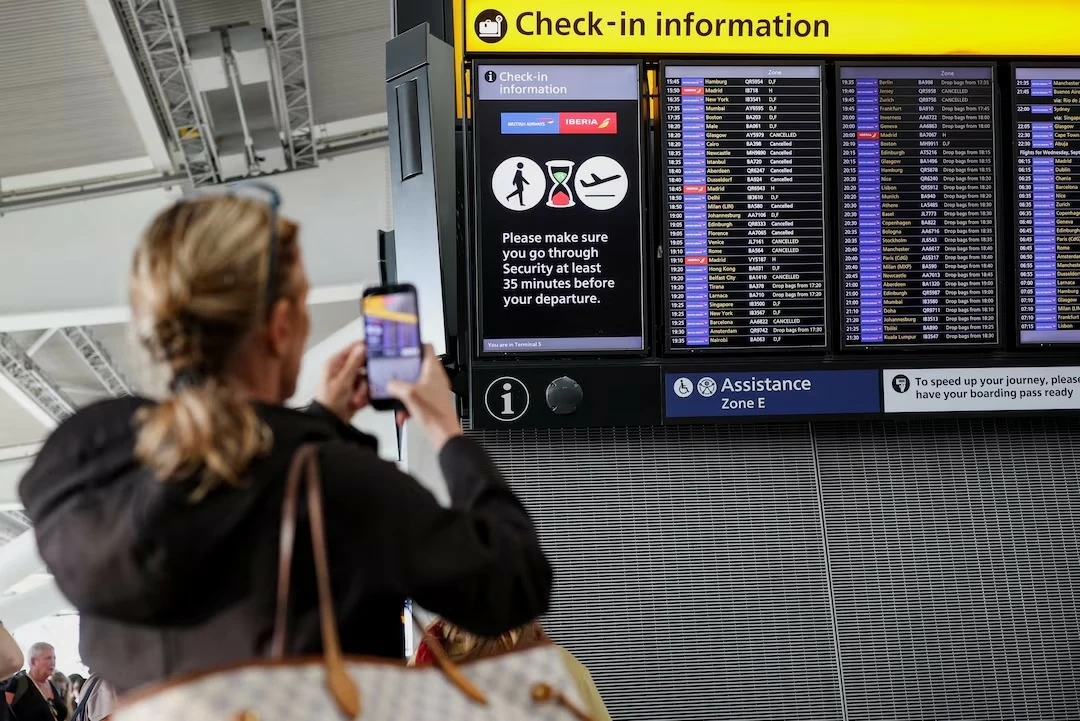
استؤنفت الرحلات الجوية من المطارات البريطانية، اليوم (الأربعاء)، بعد عطل كبير في نظام مراقبة الحركة الجوية تسبب في إلغاء أكثر من 1000 رحلة وترك مئات الآلاف من المسافرين عالقين، فيما تصاعدت التساؤلات حول مدى موثوقية أنظمة الطيران والبنية التحتية التكنولوجية في بريطانيا.
وأدى الانقطاع، الذي استمر ساعات (الثلاثاء)، إلى اضطراب واسع في حركة الطيران، ما وضع مزيداً من الضغوط على شركة NATS، المسؤولة عن خدمات مراقبة الحركة الجوية في المملكة المتحدة، وعلى رئيسها التنفيذي مارتن رولف.
ومن المقرر أن تلتقي وزيرة النقل البريطانية هايدي ألكسندر مع رولف، الأربعاء، بعد استدعائه لتقديم تفسير بشأن أسباب العطل، في ظل مخاوف متزايدة من أن تكون بعض البنية التحتية والأنظمة التقنية الداعمة لحركة الطيران بحاجة إلى تحديث وتعزيز.
وقالت ألكسندر عبر منصة «إكس» إنها تسعى إلى الحصول على ضمانات بأن الدروس المستفادة من الحادث ستُطبق، وأن الأنظمة التي تدعم قطاع الطيران قادرة على أداء مهامها بكفاءة.
أزمة تعيد ذكريات انهيار 2023
وتأتي الأزمة الأخيرة بعد نحو ثلاث سنوات من انهيار سابق في أنظمة مراقبة الحركة الجوية وقع في أغسطس 2023، عندما أدت إلغاءات الرحلات في أحد أكثر أيام السفر ازدحاماً في العام إلى خسائر قدرت بنحو 100 مليون جنيه إسترليني لشركات الطيران.
كما تسبب عطل تقني مرتبط بالرادار في يوليو 2025 في اضطراب حركة الطيران، وشمل تأثيره مطارات رئيسية، من بينها مطار هيثرو، الأكبر في بريطانيا.
وتثير تكرار الأعطال مخاوف بشأن قدرة البنية التحتية الحالية على التعامل مع حركة الطيران المتزايدة، خصوصاً إذا استمرت المشكلات التقنية في التأثير على العمليات بصورة متكررة.
رئيس NATS يواجه ضغوطاً متزايدة
وتعرض مارتن رولف، رئيس شركة NATS، لضغوط متزايدة عقب الحادثة، وكانت شركة ريان إير، أكبر شركة طيران في أوروبا، قد طالبت باستقالته منذ أزمة 2023، بينما قال المدير الإداري لشركة «ويز إير» في المملكة المتحدة إنه يتعين على رولف التفكير في مستقبله في منصبه.
وانتقدت ريان إير أداء المجال الجوي البريطاني مقارنة بدول أخرى.
وقال نيل ماكماهون، الرئيس التنفيذي للعمليات في الشركة، إن شركات الطيران تواجه مشكلات صغيرة في دول أخرى، لكنها لا تصل إلى الحجم الذي تشهده بريطانيا ولا تتكرر بالوتيرة نفسها.
في المقابل، اعتذر رولف للمسافرين الذين تضرروا من العطل، لكنه رفض القول إن بريطانيا تؤدي بصورة أسوأ من الدول الأخرى، مؤكداً أن خدمات مراقبة الحركة الجوية البريطانية تتمتع بسمعة جيدة فيما يتعلق بالسلامة والقدرة على الصمود أمام الأعطال.
«هجوم إلكتروني» مستبعد
وفي حديثه إلى هيئة الإذاعة البريطانية «بي بي سي»، قال رولف إن الشركة استبعدت في هذه المرحلة فرضية تعرض أنظمتها لهجوم إلكتروني، وأضاف أنه يعتقد أن سبب العطل الحالي سيكون مختلفاً عن الأعطال السابقة.
ويأتي استبعاد الهجوم السيبراني في وقت تزداد فيه حساسية قطاع الطيران العالمي تجاه مخاطر القرصنة والهجمات الإلكترونية التي يمكن أن تستهدف البنية التحتية الحيوية.
المطارات تحذر من تداعيات متأخرة
ومع عودة العمليات إلى طبيعتها تدريجياً، حذرت المطارات البريطانية من أن تأثيرات العطل قد تستمر خلال الأيام التالية.
وقال مطار هيثرو إن المسافرين ينبغي أن يتأكدوا من حالة رحلاتهم مع شركات الطيران قبل التوجه إلى المطار، نظراً إلى التغييرات التي طرأت على الجداول نتيجة اضطرابات (الثلاثاء).
وأوضح المطار أن تأثيرات متتالية متوقعة، بسبب الحاجة إلى إعادة توزيع الطائرات وأطقم الطيران على المسارات المختلفة.
وأكد هيثرو أنه يعمل بالتنسيق مع فرق NATS المحلية وشركات الطيران لاستعادة العمليات الطبيعية في أسرع وقت ممكن.
كما أعلن مطارا غاتويك ولوتون وستانستد في لندن استمرار تشغيل الرحلات، مع توجيه المسافرين أيضاً إلى مراجعة شركات الطيران قبل التوجه إلى المطارات.
عشرات الآلاف من ركاب شركات الطيران تأثروا
وكانت تداعيات العطل واسعة النطاق بالنسبة إلى شركات الطيران، وقالت ريان إير إن نحو 150 ألفاً من ركابها تأثروا بالأزمة (الثلاثاء)، بينما ألغت الشركة أكثر من 200 رحلة.
أما الخطوط الجوية البريطانية، فأعلنت إلغاء أو تحويل نحو 100 رحلة، ما أثر على عشرات الآلاف من المسافرين.
ولا تقتصر التداعيات على الرحلات التي أُلغيت خلال فترة العطل، إذ يمكن أن تستمر الاضطرابات بعد عودة الأنظمة للعمل بسبب خروج الطائرات وأطقمها عن مواقعها الأصلية، والحاجة إلى إعادة تنظيم شبكة الرحلات.
من يملك NATS؟
وتعمل NATS وفق نموذج شراكة بين القطاعين العام والخاص، إذ تمتلك الحكومة البريطانية حصة في الشركة إلى جانب شركات طيران، من بينها الخطوط الجوية البريطانية وإيزي جيت، إضافة إلى صناديق معاشات تقاعدية ومستثمرين آخرين.
وأثارت أرباح الشركة وتوزيعاتها للمساهمين انتقادات من شركات الطيران في أعقاب العطل.
وانتقد ماكماهون توزيع NATS نحو 175 مليون جنيه إسترليني كأرباح على ملاكها العام الماضي، داعياً إلى توجيه مزيد من الأموال نحو تحديث التكنولوجيا وزيادة أعداد العاملين.
وترى ريان إير أن الشركة ينبغي أن تعيد استثمار أرباحها في البنية التحتية التقنية وفي تعزيز أعداد الموظفين، بدلاً من توزيع جزء كبير من الأرباح على المساهمين.
اختبار جديد لمنظومة الطيران البريطانية
وتضع الأزمة الحكومة البريطانية وNATS أمام اختبار جديد لإثبات قدرة منظومة مراقبة الحركة الجوية على التعامل مع الأعطال دون التسبب في اضطرابات واسعة النطاق.
وبينما عادت الرحلات إلى التحرك، الأربعاء، فإن آثار الأزمة لم تنتهِ بعد، إذ يمكن أن تستمر التأخيرات والإلغاءات نتيجة إعادة تموضع الطائرات والأطقم.
Flight operations resumed from British airports today (Wednesday) following a major failure in the air traffic control system that led to the cancellation of over 1,000 flights and left hundreds of thousands of travelers stranded, as questions grew about the reliability of aviation systems and technological infrastructure in the UK.
The outage, which lasted for hours on Tuesday, caused widespread disruption in air travel, putting additional pressure on NATS, the company responsible for air traffic control services in the UK, and its CEO Martin Rolfe.
British Transport Secretary Heidi Alexander is scheduled to meet with Rolfe on Wednesday after summoning him to explain the reasons for the outage, amid growing concerns that some of the infrastructure and technical systems supporting air travel need updating and strengthening.
Alexander stated on the platform "X" that she is seeking assurances that lessons learned from the incident will be implemented and that the systems supporting the aviation sector are capable of performing their tasks efficiently.
A Crisis That Reminds of the 2023 Collapse
The recent crisis comes nearly three years after a previous collapse in air traffic control systems that occurred in August 2023, when flight cancellations on one of the busiest travel days of the year resulted in estimated losses of around £100 million for airlines.
A technical failure related to radar in July 2025 also caused disruption in air travel, affecting major airports, including Heathrow, the largest in the UK.
The recurrence of outages raises concerns about the current infrastructure's ability to handle increasing air traffic, especially if technical issues continue to impact operations repeatedly.
NATS CEO Faces Increasing Pressure
Martin Rolfe, the CEO of NATS, is facing increasing pressure following the incident, with Ryanair, the largest airline in Europe, having called for his resignation since the 2023 crisis, while the managing director of Wizz Air in the UK stated that Rolfe should consider his future in his position.
Ryanair criticized the performance of British airspace compared to other countries.
Neil McMahon, the company's Chief Operating Officer, stated that airlines face minor issues in other countries, but they do not reach the scale seen in the UK and do not recur at the same rate.
In contrast, Rolfe apologized to travelers affected by the outage but declined to say that the UK performs worse than other countries, asserting that British air traffic control services have a good reputation regarding safety and resilience to outages.
Cyberattack "Unlikely"
Speaking to the BBC, Rolfe stated that the company has ruled out the possibility of its systems being subjected to a cyberattack at this stage, adding that he believes the cause of the current outage will be different from previous outages.
The exclusion of a cyberattack comes at a time when the global aviation sector is increasingly sensitive to the risks of hacking and cyberattacks that could target critical infrastructure.
Airports Warn of Delayed Consequences
As operations gradually return to normal, British airports have warned that the effects of the outage may continue over the following days.
Heathrow Airport stated that travelers should check the status of their flights with airlines before heading to the airport, due to changes in schedules resulting from the disruptions on Tuesday.
The airport explained that cascading effects are expected due to the need to redistribute aircraft and flight crews across different routes.
Heathrow confirmed that it is working in coordination with local NATS teams and airlines to restore normal operations as quickly as possible.
Gatwick, Luton, and Stansted airports in London also announced the continuation of flight operations, directing travelers to review with airlines before heading to the airports.
Tens of Thousands of Airline Passengers Affected
The repercussions of the outage were widespread for airlines, with Ryanair stating that around 150,000 of its passengers were affected by the crisis on Tuesday, while the company canceled over 200 flights.
British Airways announced the cancellation or rerouting of about 100 flights, impacting tens of thousands of travelers.
The repercussions are not limited to the flights canceled during the outage, as disruptions may continue after systems are back online due to aircraft and crews being out of their original positions and the need to reorganize the flight network.
Who Owns NATS?
NATS operates under a public-private partnership model, with the UK government holding a stake in the company alongside airlines, including British Airways and easyJet, as well as pension funds and other investors.
The company's profits and shareholder distributions have drawn criticism from airlines following the outage.
McMahon criticized NATS for distributing around £175 million as profits to its owners last year, calling for more funds to be directed towards updating technology and increasing staff numbers.
Ryanair believes that the company should reinvest its profits in technological infrastructure and increasing staff numbers, rather than distributing a large portion of profits to shareholders.
A New Test for the UK Aviation System
The crisis presents the UK government and NATS with a new test to prove the air traffic control system's ability to handle outages without causing widespread disruptions.
While flights resumed on Wednesday, the effects of the crisis are not yet over, as delays and cancellations may continue due to the repositioning of aircraft and crews.