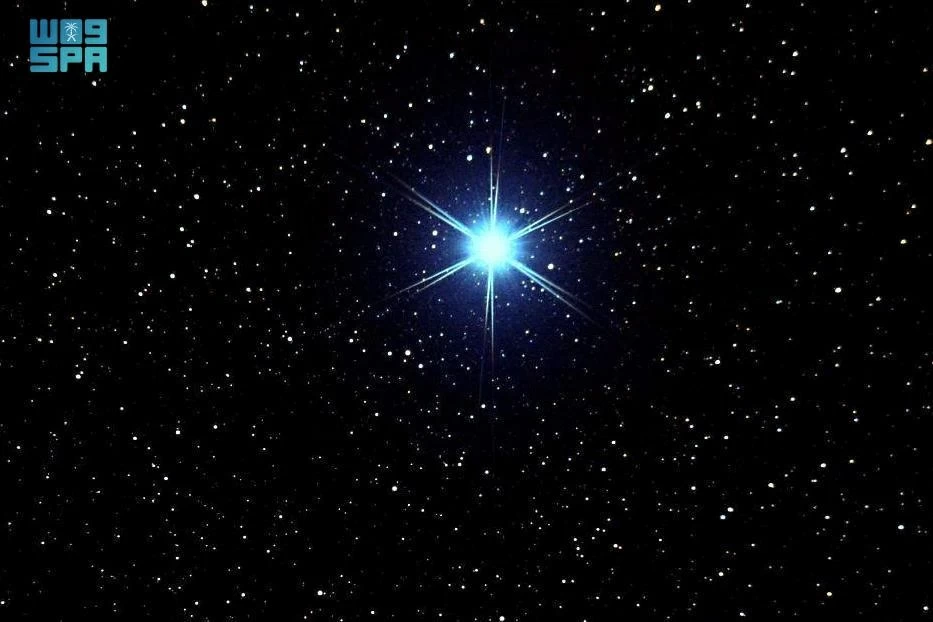
يواصل نجم سهيل اليماني إشعاعه في الأفق الجنوبي للمملكة، معلنًا بدء التحول المناخي الذي يضع حدًا لحرارة الصيف ويمهّد لاعتدال الأجواء تدريجيًا.
ويأتي طلوع سهيل متزامنًا مع منزلة (الطرفة) الممتدة حتى الخامس من سبتمبر، وهي مرحلة تتسم بتراجع وهج النهار واعتدال ليالي الجنوب مع نشاط واضح للتيارات الرطبة فوق المرتفعات.
وأوضح الباحث في شؤون التقويم الزراعي محمد الوادعي أن ظهور سهيل يمثل نقطة الانطلاق لسلسلة من المنازل الفلكية التي ترسم ملامح الطقس خلال الأسابيع المقبلة، مبينًا أن منزلة (الجبهة) من 6 إلى 18 سبتمبر تُعد بداية فعلية للخريف وتحسنًا ملحوظًا في الأجواء المسائية، تليها منزلة (الزبرة) من 19 سبتمبر إلى الأول من أكتوبر حيث يتقارب طول الليل والنهار وتبرز البرودة فجراً في المرتفعات، وصولًا إلى منزلة (الصرفة) من 2 إلى 14 أكتوبر التي تشهد انصراف الحرارة وبداية الطقس الشتوي المعتدل.
وأشار الوادعي إلى أن هذه الفترة تُعد الأنسب للمزارعين لتهيئة الأراضي وبذر المحاصيل الشتوية، مستفيدين من انخفاض معدلات التبخر وارتفاع رطوبة التربة، لافتًا إلى حضور سهيل في الموروث الشعبي الجنوبي عبر أمثال متداولة مثل «إذا طلع سهيل غار السيل»، في إشارة إلى تزايد فرص الأمطار الموسمية.
وتنعكس هذه التحولات على مناطق الجنوب بوضوح، إذ تسهم الرياح الرطبة المصاحبة لسهيل في تنشيط السحب الركامية على مرتفعات عسير وجازان والباحة، مع تشكل الضباب الصباحي نتيجة الفوارق الحرارية بين الليل والنهار، ما يعزز الغطاء النباتي ويحفّز النشاط الزراعي في السهول والمدرجات الجبلية.
The star Suhail continues to shine in the southern horizon of the Kingdom, announcing the onset of climate change that puts an end to the summer heat and gradually paves the way for milder weather.
The rise of Suhail coincides with the position of (Al-Tarfa), which extends until the fifth of September, a phase characterized by the diminishing brightness of the day and the moderation of southern nights, with a clear activity of moist currents over the highlands.
The researcher in agricultural calendar affairs, Mohammed Al-Wadaei, explained that the appearance of Suhail represents the starting point for a series of astronomical positions that outline the weather features over the coming weeks. He indicated that the position of (Al-Jabha) from September 6 to 18 marks the actual beginning of autumn and a noticeable improvement in evening weather, followed by the position of (Al-Zubrah) from September 19 to October 1, where the length of night and day becomes similar, and the coolness appears in the highlands at dawn, leading to the position of (Al-Sarfa) from October 2 to 14, which witnesses the departure of heat and the beginning of mild winter weather.
Al-Wadaei pointed out that this period is considered the most suitable for farmers to prepare the land and sow winter crops, benefiting from the decrease in evaporation rates and the increase in soil moisture. He noted the presence of Suhail in the southern popular heritage through common proverbs such as "When Suhail rises, the flood recedes," referring to the increased chances of seasonal rains.
These transformations are clearly reflected in the southern regions, as the moist winds accompanying Suhail contribute to the activation of cumulonimbus clouds over the highlands of Asir, Jazan, and Al-Baha, with the formation of morning fog due to the thermal differences between night and day, which enhances vegetation cover and stimulates agricultural activity in the plains and mountain terraces.