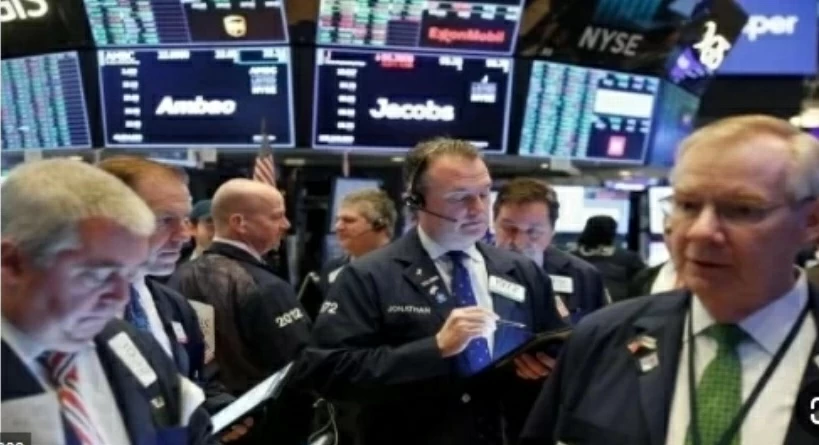
أعادت المواجهة العسكرية بين الولايات المتحدة وإيران المخاوف إلى الأسواق العالمية، بعدما بدت التوترات مرشحة للتصاعد مجدداً عقب انهيار وقف إطلاق النار؛ ما دفع المستثمرين إلى تقليص المخاطر والاتجاه نحو الأصول الدفاعية.
المنطقة الحمراء
وشهدت أسواق الأسهم العالمية موجة بيع حادة، إذ قادت بورصتا اليابان وكوريا الجنوبية التراجعات في آسيا، بينما عادت العقود الآجلة الأمريكية إلى المنطقة الحمراء بعد هبوط مؤشر داو جونز بأكثر من 400 نقطة في جلسة أمس. كما اتجهت الأسواق الأوروبية إلى افتتاح في المنطقة الحمراء. وواصلت عوائد السندات الحكومية ارتفاعها، إذ سجل العائد على سندات الخزانة الأمريكية لأجل 10 سنوات أعلى مستوياته منذ يناير 2025. كما بلغ العائد على السندات اليابانية لأجل 10 سنوات أعلى مستوى منذ أغسطس 1996، فيما صعد العائد على السندات الألمانية القياسية إلى أعلى مستوى منذ عام 2011.
تصاعد المخاوف الجيوسياسية
وارتفعت أسعار النفط مع تصاعد المخاوف الجيوسياسية، إذ تجاوز خام غرب تكساس الوسيط تسليم أكتوبر مستوى 90 دولاراً للبرميل، بينما ارتفع خام برنت تسليم نوفمبر القادم فوق 95 دولاراً للبرميل. وأعلنت الإدارة الأمريكية إبرام صفقات نفطية كبيرة مع فنزويلا، غير أن محللين أشاروا إلى أن زيادة إنتاج البلاد ستحتاج إلى سنوات قبل أن تنعكس على الإمدادات العالمية.
وجاءت تحركات الأسواق عقب تنفيذ الجيش الأمريكي ضربات جديدة استهدفت أنظمة دفاع جوي ورادارات إيرانية، ورد طهران بهجمات استهدفت بنية تحتية عسكرية أمريكية.
وأكد الرئيس الأمريكي دونالد ترمب، في منشور عبر منصة «تروث سوشيال»، أنه لا يسعى إلى إجبار إيران على العودة إلى طاولة المفاوضات، لكنه شدد على أن الولايات المتحدة تمتلك «سيطرة شبه كاملة» على مضيق هرمز، مضيفاً أن الاقتصاد الإيراني يواجه أوضاعاً متدهورة.
The military confrontation between the United States and Iran has rekindled fears in global markets, as tensions appeared poised to escalate again following the collapse of the ceasefire; prompting investors to reduce risks and turn towards defensive assets.
The Red Zone
Global stock markets experienced a sharp sell-off, with the stock exchanges in Japan and South Korea leading the declines in Asia, while U.S. futures returned to the red zone after the Dow Jones index fell by more than 400 points in yesterday's session. European markets also headed for a lower opening. Government bond yields continued to rise, with the yield on 10-year U.S. Treasury bonds reaching its highest level since January 2025. The yield on 10-year Japanese bonds also hit its highest level since August 1996, while the yield on German bunds rose to its highest level since 2011.
Escalating Geopolitical Fears
Oil prices surged as geopolitical fears escalated, with West Texas Intermediate crude for October delivery surpassing $90 per barrel, while Brent crude for November delivery rose above $95 per barrel. The U.S. administration announced large oil deals with Venezuela, but analysts pointed out that an increase in the country's production would take years before it impacts global supplies.
The market movements followed the U.S. military carrying out new strikes targeting Iranian air defense systems and radars, with Tehran responding with attacks on U.S. military infrastructure.
U.S. President Donald Trump confirmed in a post on the "Truth Social" platform that he is not seeking to force Iran back to the negotiating table, but emphasized that the United States has "almost complete control" over the Strait of Hormuz, adding that the Iranian economy is facing deteriorating conditions.