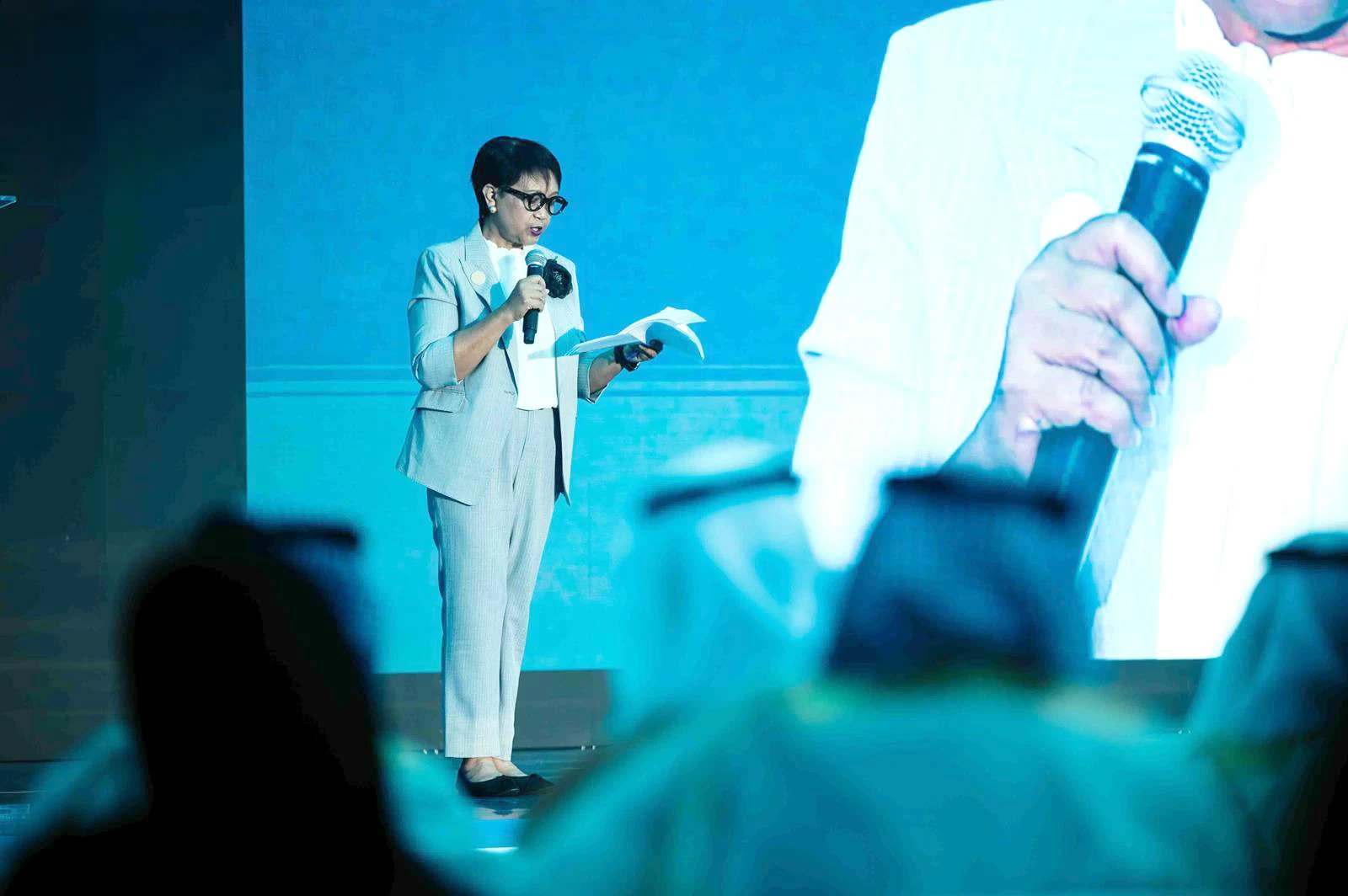
أكدت المبعوث الخاص للأمين العام للأمم المتحدة لشؤون المياه ريتنو مارسودي، أن أسبوع المياه السعودي الأول 2026، يأتي في توقيت بالغ الأهمية، نظراً لتصاعد التحديات العالمية المرتبطة بالمياه وارتفاع الطلب عليها مع نمو السكان والاقتصادات. وأوضحت أن الأسبوع يشكل فرصة لتعزيز الشراكات الدولية، وتطوير حلول عملية، وتمكين القطاع الخاص بوصفه عنصراً محورياً في الابتكار ونقل التكنولوجيا. وأشارت مارسودي، في كلمتها خلال حفل الافتتاح الذي أقيم في جدة، إلى أن التركيز على الابتكار والتحول الرقمي يعكس الحاجة الملحة لتوظيف التقنيات الحديثة في تحسين إدارة الموارد المائية ورفع كفاءتها، مؤكدة، أن الحلول متاحة، لكن تنفيذها يتطلب مؤسسات قوية، وسياسات داعمة، واستثمارات أكبر، إضافة إلى تعزيز تبادل المعرفة وبناء القدرات البشرية والمؤسسية، والانتقال بالمياه من هامش السياسات إلى صميم القرار السياسي والاقتصادي والمناخي.
وبيّنت، أن الأسبوع يوفر منصة إستراتيجية للإجابة عن الأسئلة الجوهرية المتعلقة بكيفية تحويل التعهدات الدولية إلى نتائج قابلة للقياس، ضمن مسار مترابط يمتد من بالي 2024 إلى مؤتمر الأمم المتحدة للمياه 2026، ثم الرياض 2027، وصولاً إلى مؤتمر المياه 2028، وأكدت، أن المياه كانت ولا تزال عنصراً أساسياً في تشكيل الحضارات ومستقبل التنمية، إذ تؤثر تحدياتها في الغذاء والطاقة والصحة والبيئة والاستقرار الاقتصادي.
The United Nations Secretary-General's Special Envoy for Water, Ritno Marsudi, confirmed that the first Saudi Water Week 2026 comes at a critically important time, given the rising global challenges related to water and the increasing demand for it due to population and economic growth. She explained that the week represents an opportunity to enhance international partnerships, develop practical solutions, and empower the private sector as a key player in innovation and technology transfer. Marsudi noted in her speech during the opening ceremony held in Jeddah that the focus on innovation and digital transformation reflects the urgent need to employ modern technologies in improving water resource management and increasing its efficiency, emphasizing that solutions are available, but their implementation requires strong institutions, supportive policies, and greater investments, in addition to enhancing knowledge exchange and building human and institutional capacities, and moving water from the margins of policies to the core of political, economic, and climate decision-making.
She indicated that the week provides a strategic platform to address fundamental questions regarding how to turn international commitments into measurable results, within an interconnected pathway extending from Bali 2024 to the United Nations Water Conference 2026, then to Riyadh 2027, and culminating in the Water Conference 2028. She affirmed that water has been and remains a fundamental element in shaping civilizations and the future of development, as its challenges impact food, energy, health, the environment, and economic stability.