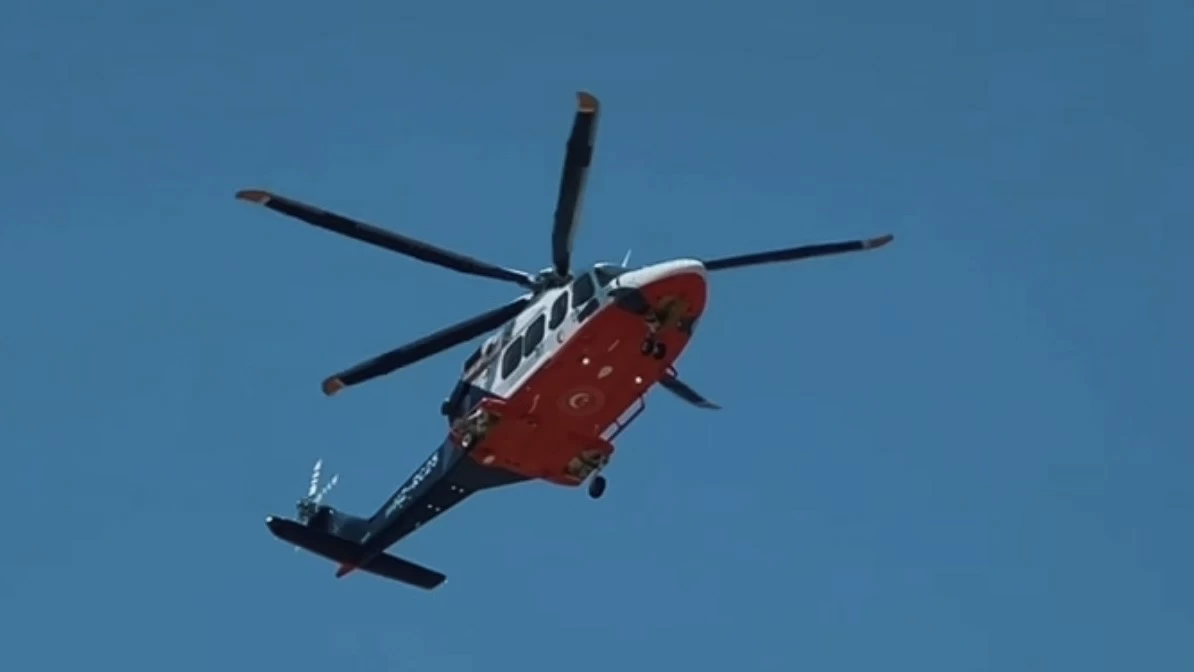
في حائل، لا تُقاس المسافات نفسها بالطريق وحده. أحياناً تُقاس بنبضة قلب، أو بسمّ يتسلل في جسد عامل، أو بثوانٍ ثقيلة بين حادثة ومركز علاج. لذلك بدا حضور الإسعاف الجوي، اليوم (الإثنين)، كأنه اختبار جديد لفكرة أن النجاة تبدأ من سرعة القرار قبل سرعة الوصول.
خلال يوم واحد، باشر الإسعاف الجوي التابع لفرع هيئة الهلال الأحمر السعودي بمنطقة حائل أربع حالات عاجلة. الأولى مقيم يمني تعرّض لجلطة قلبية في منطقة نائية. هنا لم تكن الطائرة مجرد وسيلة نقل، بل غرفة زمنية مفتوحة بين المكان البعيد والمستشفى. تفعيل مسار الجلطات القلبية عبر التوجيه الطبي قبل وصول الحالة منح المستشفى فرصة الاستعداد، وفتح الطريق أمام استقبال أسرع وإجراء علاجي أدق في الوقت الحرج.
وفي بلاغ آخر، تحرّك الإسعاف الجوي إلى مقيم سوداني يعمل في إحدى المزارع على طريق حائل ـ القصيم بعد تعرّضه للدغة ثعبان. بين المزرعة والسماء، أخذت الحالة مسارها إلى الرعاية، في مشهد يكشف حاجة المناطق المفتوحة إلى خدمة تصل حيث تتأخر الطرق وتضيق الخيارات.
وجاءت الحالتان الثالثة والرابعة من الطريق أيضاً؛ حادثة مرورية على طريق الأمير سعود، وأخرى في حي المنتزه. أربعة بلاغات مختلفة، تجمعها فكرة واحدة: أن المنظومة الإسعافية حين تعمل بكفاءة تتحوّل من خدمة انتظار إلى مبادرة إنقاذ.
هذه الوقائع لا تقدم خبراً عابراً عن طائرة أقلعت وهبطت، بل تروي وجهاً من وجوه التحول في الرعاية الإسعافية. المواطن والمقيم يقفان في دائرة العناية ذاتها، والحالة الحرجة تصبح معيار التحرك، لا الجغرافيا ولا الجنسية.
في سماء حائل، كان الإسعاف الجوي يختصر المسافة بين الخطر والنجاة. وفي كل بلاغ من البلاغات الأربعة، ظهرت المملكة وهي توسع معنى الرعاية: أن تصل الخدمة إلى الإنسان قبل أن ينهكه الوقت.
In Hail, distances are not measured solely by the road. Sometimes they are measured by a heartbeat, or by venom seeping into a worker's body, or by heavy seconds between an incident and a treatment center. Therefore, the presence of air ambulance today (Monday) seemed like a new test of the idea that survival begins with the speed of decision-making before the speed of arrival.
In one day, the air ambulance of the Saudi Red Crescent Authority in Hail responded to four urgent cases. The first was a Yemeni resident who suffered a heart attack in a remote area. Here, the aircraft was not just a means of transport, but an open time chamber between the distant location and the hospital. Activating the heart attack pathway through medical guidance before the patient's arrival gave the hospital a chance to prepare, paving the way for faster reception and more precise treatment during the critical time.
In another report, the air ambulance was dispatched to a Sudanese resident working on a farm on the Hail-Qassim road after he was bitten by a snake. Between the farm and the sky, the case took its course to care, in a scene that reveals the need for open areas to have a service that reaches where roads are delayed and options are limited.
The third and fourth cases also came from the road; a traffic accident on Prince Saud Road, and another in Al-Muntazah neighborhood. Four different reports, united by one idea: that when the emergency system operates efficiently, it transforms from a waiting service into a rescue initiative.
These incidents do not provide a fleeting news story about a plane taking off and landing, but rather narrate one aspect of the transformation in emergency care. Citizens and residents stand in the same circle of care, and the critical condition becomes the standard for action, not geography or nationality.
In the skies of Hail, the air ambulance shortened the distance between danger and survival. In each of the four reports, the Kingdom appeared as it expanded the meaning of care: that the service reaches the person before time wears them down.