طالب مجلس الشورى الهيئة العامة للطرق بتقييم منظومة الرقابة على مشاريع الطرق، وتطوير آليات رقابية فاعلة؛ لضمان الامتثال للمعايير الفنية والهندسية المعتمدة.
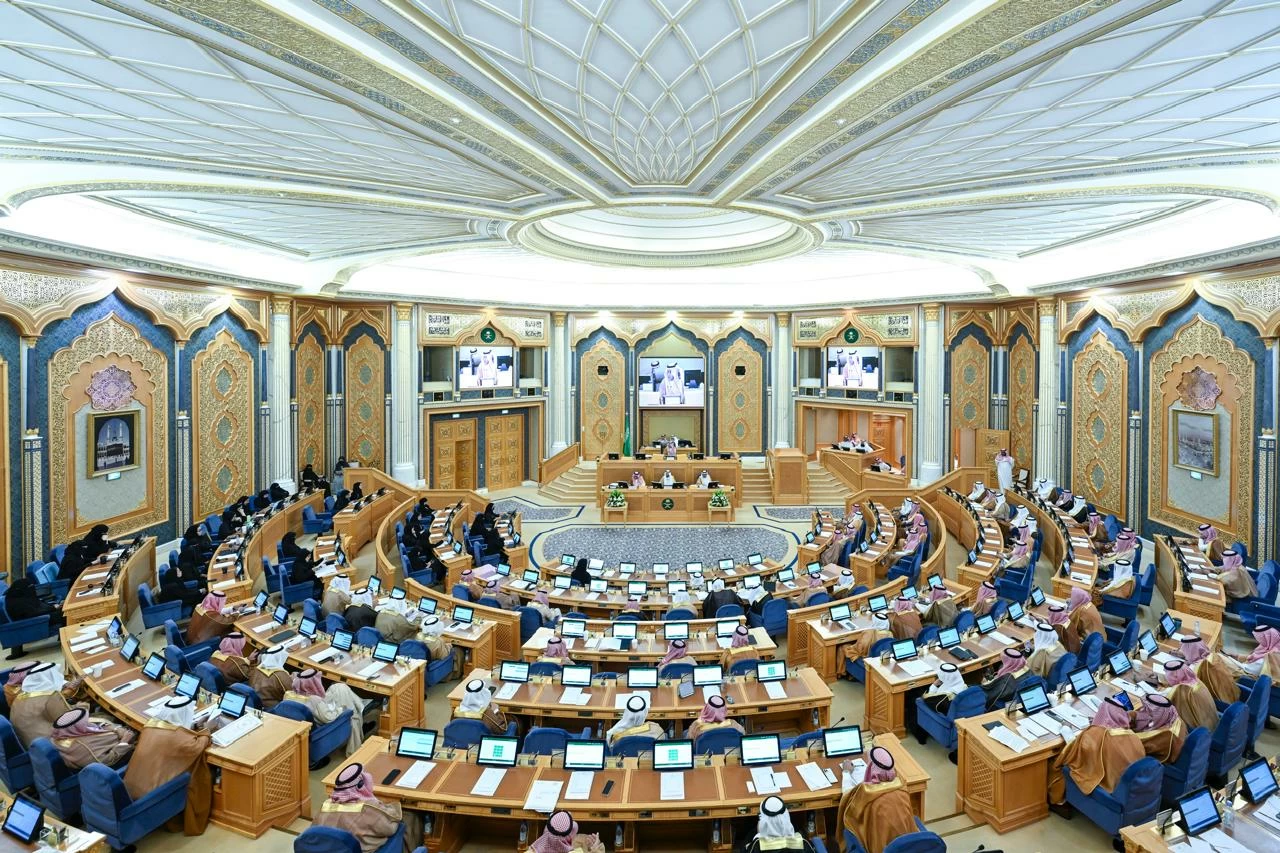
وسلّط المجلس، في جلسته العادية الثامنة والثلاثين من أعمال السنة الثانية للدورة التاسعة المنعقدة برئاسة نائب رئيس المجلس الدكتور مشعل فهم السُّلمي، الضوء على تحديات الأسرة السعودية، خلال مناقشته التقرير السنوي لمجلس شؤون الأسرة، إذ طالب عضو المجلس الدكتور حسن آل مصلوم، مجلس شؤون الأسرة بتعزيز جهود التوعية الأسرية بمفاهيم الصحة النفسية، بما يسهم في رفع مستوى الوعي لدى أفراد الأسرة والمجتمع، ودعا عضو المجلس الدكتور فهد التخيفي إلى دعم وتمكين مجلس شؤون الأسرة من الموارد والإمكانات اللازمة، بما يعزز قدرته على استشراف التحديات الأسرية والاجتماعية. وطالبت عضو المجلس الدكتورة منى الفضلي، مجلس شؤون الأسرة بإعداد قاعدة معلومات شاملة تغطي الأسر في القرى والهجر والمناطق البعيدة، وتعزيز التكامل مع القطاع غير الربحي، لتمكينه من رصد فجوات الوصول ورفع كفاءة موارده، إلى جانب قياس الأثر الفعلي للحملات الإلكترونية، وتطوير الموقع الإلكتروني للمجلس بما يتوافق مع أفضل المعايير والممارسات. ودعت عضو المجلس الدكتورة غادة الهذلي، مجلس شؤون الأسرة بالتنسيق مع الجهات ذات العلاقة إلى دراسة تصميم حزم متكاملة من الخدمات المخصصة لكبار السن تُطرح كفرص تطوعية بما يسهم في تحسين جودة حياتهم وتعزيز صحتهم الجسدية والنفسية. وطالب عضو المجلس ناصر الدغيثر، مجلس شؤون الأسرة بالتنسيق مع الجهات ذات الاختصاص لدعم التوسع في تطبيق الضوابط الرقابية الصارمة على التطبيقات والألعاب الإلكترونية، بما يسهم في تعزيز حماية الأطفال والناشئة، وضمان بيئة رقمية أكثر أماناً للأسرة. ودعا عضو المجلس الدكتور محمد العقيل، مجلس شؤون الأسرة إلى إنشاء مرصد وطني موحّد لبيانات الأسرة يدعم اتخاذ القرار، ويعزز حوكمة الأدوار بين الجهات ذات العلاقة، إلى جانب تبني منهجيات لقياس أثر المبادرات وربطها بمؤشرات أداء واضحة، بما يسهم في تعزيز جودة الحياة والتمكين الاقتصادي والاجتماعي للأسرة.
وطالب المجلس المركز الوطني لسلامة النقل بتوسيع نطاق أعماله بتفعيل مهماته في قطاعي النقل السككي والبحري، بما يحقق مستهدفاته في تعزيز سلامة جميع أنماط النقل.
وطالب المجلس المركز الوطني للمناهج، بالإسراع في اعتماد خطته الاستراتيجية، واستكمال منظومته التشريعية والتنظيمية، بما يمكّنه من ممارسة اختصاصاته، وتحقيق مستهدفاته بكفاءة وفاعلية.
ودعا المجلس وزارة الشؤون الإسلاميَّة والدعوة والإرشاد باعتماد منهجية شاملة لمؤشرات الأداء تتضمَّن قياس رضا المستفيدين عن خدماتها.
وطالب المجلس الهيئة العامة للأمن الغذائي بوضع آلية ملزمة تحدد الحد الأدنى لمخزون كل سلعة غذائية استراتيجية، مع تطبيق إجراءات رقابية رقمية متكاملة، لضمان الالتزام بهذا الحد، و مراجعة الإستراتيجية الوطنية للأمن الغذائي في المملكة، وتحديثها، للربط بين سلاسل الإمداد في قطاع الأعلاف والإنتاج الحيواني، واعتماد آليات لزراعة نسب محددة من المحاصيل الاستراتيجية بشكل دوري، مع ربطها بإدارة المخزون الاستراتيجي.
وناقش المجلس التقرير السنوي للهيئة العامة للطيران المدني، وطالب عضو المجلس خالد السيف، الهيئة العامة للطيران المدني بإعداد خطة زمنية واضحة ومحددة لتطوير المطارات الإقليمية، ترتبط بمستهدفات التنمية السياحية والاقتصادية في مختلف مناطق المملكة، بما يسهم في تعزيز كفاءة البنية التحتية ودعم التنمية المتوازنة بين المناطق. وطالب عضو المجلس اللواء طيار ركن علي العسيري، الهيئة العامة للطيران المدني بإعادة دراسة لائحة حقوق المسافرين وتحديثها خصوصاً المتعلقة بالرحلات الملغاة من قبل الناقل بما يضمن معالجة كافة الحالات المتعلقة بالتعويضات للعميل.
وناقش المجلس التقرير السنوي للهيئة العامة للنقل، ودعا عضو المجلس الدكتور تركي العنزي، الهيئة العامة للنقل إلى دراسة تطوير آليات تنظيمية تسهم في الحد من ظاهرة بيع وتأجير حسابات تطبيقات التوصيل، مع تعزيز إجراءات التحقق من هويات مستخدمي هذه الحسابات، وتطبيق الأنظمة واللوائح بحق المخالفين بما يضمن رفع مستوى الامتثال وحماية المستفيدين.
وناقش المجلس التقرير السنوي لوزارة البيئة والمياه والزراعة، وأكد عضو المجلس زياد العطية حاجة الوزارة لمعالجة التحديات الحيوية في القطاع الزراعي والانتقال من مفهوم إدارة القطاع إلى مفهوم قيادة المنظومة الزراعية، وصولاً إلى تحقيق المستهدفات الوطنية في القطاع الزراعي واستدامته.
النجار لهيئة المحتوى: طبّقوا المعايير وقيسوا الأثر
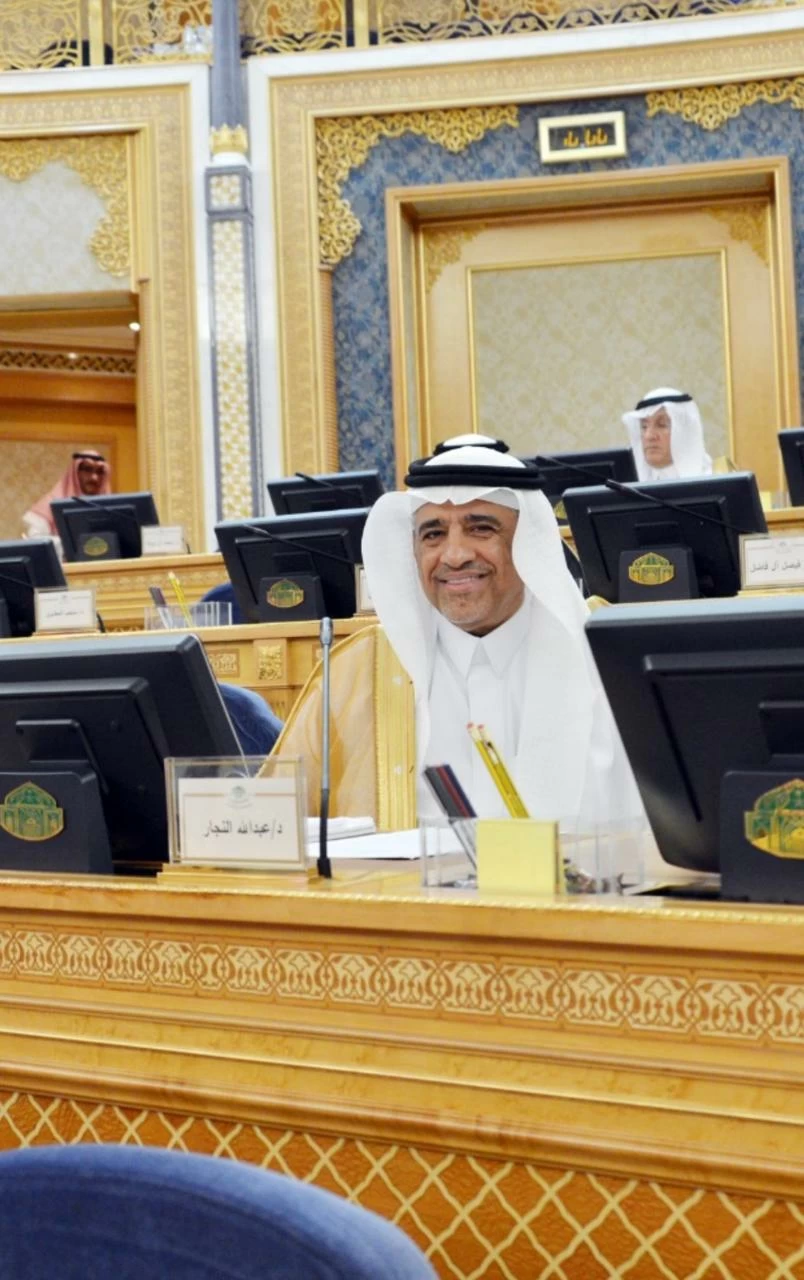
طالب عضو المجلس الدكتور عبدالله بن عمر النجار هيئة المحتوى المحلي والمشتريات الحكومية بالتنسيق مع الجهات ذات العلاقة لوضع إطار تنفيذي للتوسع في تطبيق معايير المحتوى المحلي على الشركات المملوكة للدولة والشركات التابعة لها، وقياس أثرها في تعميق المحتوى المحلي وتوطين القطاعات الاستراتيجية والواعدة، ودعا في مداخلته الهيئة إلى تطوير مؤشر وطني لقياس أثر سياسات المحتوى المحلي على الصادرات غير النفطية، وربطه بالممكنات والحوافز الداعمة للمنشآت ذات القيمة المضافة المحلية المرتفعة، وبما يسهم في تعزيز تنافسية الاقتصاد الوطني وزيادة حضوره في الأسواق الإقليمية والعالمية، وتحديد أطر لتعزيز المحتوى المحلي في الأنشطة ذات القيمة المضافة المرتفعة، بما يدعم نقل المعرفة وبناء القدرات الوطنية، ويرفع مساهمة الاقتصاد الوطني في سلاسل القيمة العالمية، ويعزّز تنافسيته على المدى الطويل.
اليحيا «لهيئة المياه»: عالجوا فوارق التكاليف
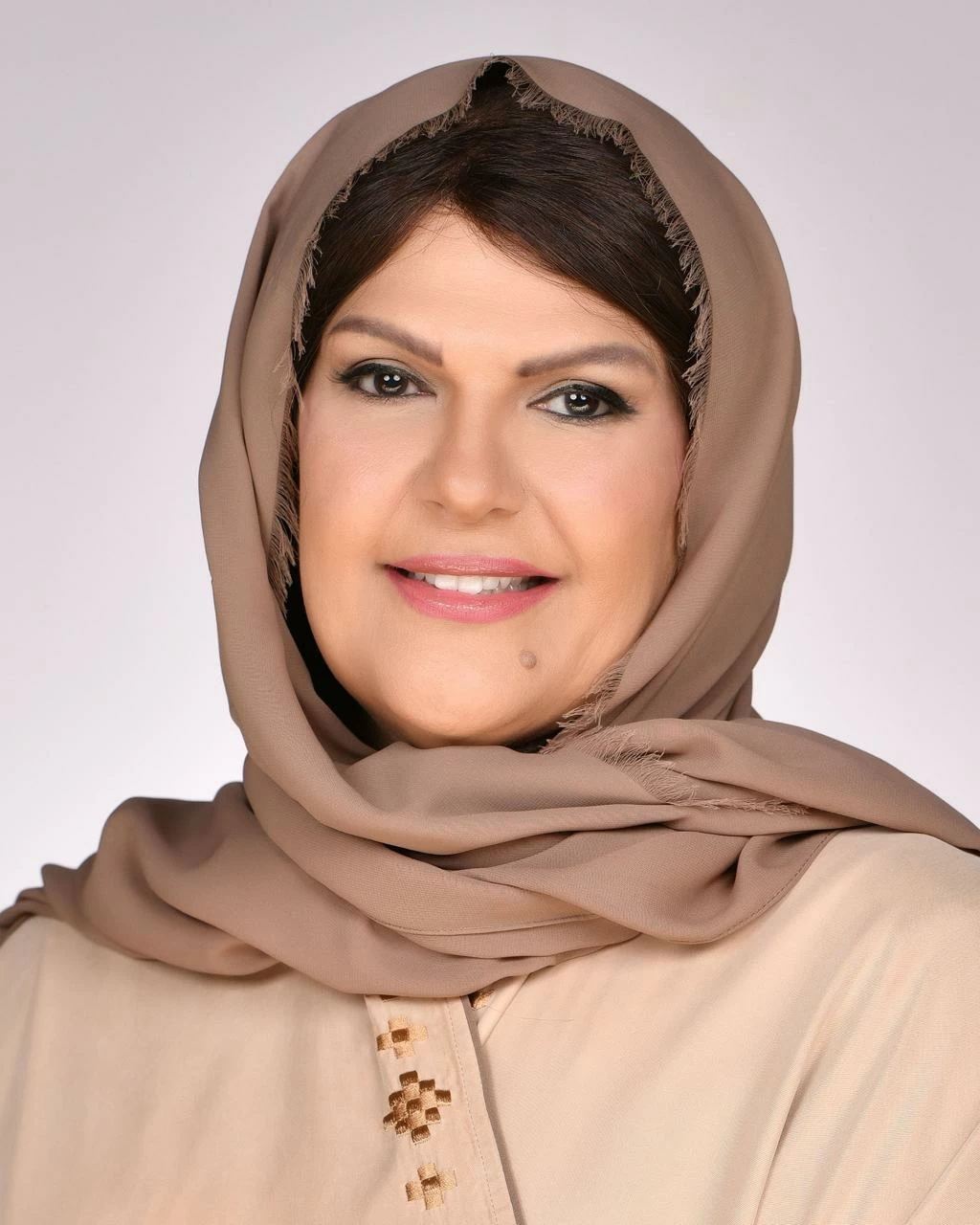
طالبت عضو المجلس الدكتورة ريمة اليحيا، الهيئة السعودية للمياه بدراسة معالجة أوضاع المستفيدين الذين تم احتساب مقابلهم المالي لتوصيل خدمة المياه والصرف الصحي (وفق الآلية السابقة الأعلى تكلفة)، وتوفير حلول مناسبة بما يحقق العدالة بين المستفيدين.
وأوضحت، أن التطبيق العملي لآلية تعامل الهيئة مع المستفيدين، خلال الفترة الماضية أظهر بعض التحديات التي واجهها عدد كبير من المواطنين والجهات المستفيدة.
إذ عقب المهلة التصحيحية للاشتراك في الصرف الصحي ترتب على كثير من أصحاب المساكن إيقاف خدمة المياه، إلى حين استكمال الاشتراك بالخدمة، ما سبّب لهم ضرراً من انقطاع المياه لفترة طويلة، كون الهيئة ألزمت المستفيدين بتنفيذ مخرج صرف صحي بتكاليف إضافية، واستغرق الإجراء أياماً لتنفيذه، إضافة إلى سداد مقابل مالي مرتفع لتوصيل الخدمة قبل الاستفادة منها، ما شكّل عبئاً مالياً غير متوقع على العديد من الأسر، ودفع عدداً منهم إلى اللجوء لتقسيط المبلغ للهيئة على 48 شهراً.
وتساءلت عن استمرار الشفافية في جميع مراحل تقديم الخدمة، إذ بحسب مستفيدين لم تتضح القيمة المالية النهائية لتوصيل خدمة الصرف الصحي، إلا عقب استكمال متطلبات إنشاء مخرج الصرف الصحي، كون الرسائل التي وصلتهم فقط تفيد بتوفير شبكة الصرف الصحي في مناطقهم، وتأمل منهم التقدّم بطلب توصيلة صرف صحي دون توضيح آلية حساب التكلفة. وأضافت أن مستفيدين سددوا الرسوم وفق الآلية السابقة قبل تجديد التسعيرة بفترة قصيرة، وهناك من لا يزال ملتزماً بالتقسيط، علماً أن التسعيرة الجديدة أصبحت أقل تكلفة وتفرق مع المواطن الملتزم بدفع أقساط التكلفة القديمة.
وتطلّعت اليحيا إلى أن تدرس الهيئة معالجة أوضاع هذه الفئات من خلال الإعفاء الجزئي، أو إعادة احتساب الفروقات، أو إيجاد آلية تعزّز العدالة بين المستفيدين الذين تحمّلوا التكاليف السابقة والمشتركين الجدد، وتعزيز الإفصاح المسبق عن التكلفة التقديرية الإجمالية قبل بدء المستفيد في تنفيذ المتطلبات الفنية، بما يمكنه من اتخاذ قراره على بينة.
The Shura Council has called on the General Authority for Roads to evaluate the monitoring system for road projects and to develop effective regulatory mechanisms to ensure compliance with the approved technical and engineering standards.
During its thirty-eighth regular session of the second year of the ninth term, chaired by the Deputy Chairman of the Council, Dr. Mishal Fahm Al-Sulami, the Council highlighted the challenges facing Saudi families while discussing the annual report of the Family Affairs Council. Council member Dr. Hassan Al-Masloom urged the Family Affairs Council to enhance family awareness efforts regarding mental health concepts, contributing to raising awareness among family members and the community. Council member Dr. Fahd Al-Takheefi called for supporting and empowering the Family Affairs Council with the necessary resources and capabilities to enhance its ability to anticipate family and social challenges. Council member Dr. Mona Al-Fadhli requested the Family Affairs Council to prepare a comprehensive database covering families in villages, hamlets, and remote areas, and to enhance integration with the non-profit sector to enable it to monitor access gaps and improve resource efficiency, along with measuring the actual impact of online campaigns and developing the Council's website in accordance with the best standards and practices. Council member Dr. Ghada Al-Hathli called on the Family Affairs Council, in coordination with relevant authorities, to study the design of comprehensive service packages dedicated to the elderly, offered as volunteer opportunities to improve their quality of life and enhance their physical and mental health. Council member Nasser Al-Dughither urged the Family Affairs Council to coordinate with the relevant authorities to support the expansion of strict regulatory controls on applications and electronic games, contributing to enhancing the protection of children and youth and ensuring a safer digital environment for families. Council member Dr. Mohammed Al-Aqeel called for the establishment of a unified national observatory for family data to support decision-making and enhance governance roles among relevant entities, along with adopting methodologies to measure the impact of initiatives and linking them to clear performance indicators, contributing to enhancing the quality of life and economic and social empowerment of families.
The Council requested the National Transport Safety Center to expand its scope of work by activating its missions in the rail and maritime transport sectors to achieve its objectives in enhancing the safety of all transport modes.
The Council called on the National Center for Curricula to expedite the approval of its strategic plan and to complete its legislative and regulatory framework, enabling it to exercise its competencies and achieve its objectives efficiently and effectively.
The Council urged the Ministry of Islamic Affairs, Dawah, and Guidance to adopt a comprehensive methodology for performance indicators that includes measuring beneficiary satisfaction with its services.
The Council demanded that the General Authority for Food Security establish a binding mechanism that sets the minimum stock for each strategic food commodity, with the application of integrated digital regulatory procedures to ensure compliance with this minimum, and to review and update the national food security strategy in the Kingdom to link supply chains in the feed and animal production sectors, and to adopt mechanisms for periodically planting specific percentages of strategic crops, linking them to the management of strategic stock.
The Council discussed the annual report of the General Authority of Civil Aviation, and Council member Khalid Al-Saif called on the General Authority of Civil Aviation to prepare a clear and specific timeline for developing regional airports, linked to tourism and economic development targets in various regions of the Kingdom, contributing to enhancing infrastructure efficiency and supporting balanced development among regions. Council member Major General Pilot Ali Al-Asiri urged the General Authority of Civil Aviation to re-evaluate and update the passenger rights regulations, especially concerning flights canceled by the carrier, to ensure the resolution of all cases related to compensation for the customer.
The Council discussed the annual report of the General Authority for Transport, and Council member Dr. Turki Al-Anzi called on the General Authority for Transport to study the development of regulatory mechanisms that contribute to reducing the phenomenon of selling and renting accounts for delivery applications, while enhancing verification procedures for the identities of users of these accounts and applying the laws and regulations against violators to ensure increased compliance and protect beneficiaries.
The Council discussed the annual report of the Ministry of Environment, Water, and Agriculture, and Council member Ziad Al-Attiyah emphasized the need for the ministry to address vital challenges in the agricultural sector and to transition from the concept of managing the sector to leading the agricultural system, aiming to achieve national targets in the agricultural sector and its sustainability.
Al-Najjar to the Content Authority: Apply the standards and measure the impact
Council member Dr. Abdullah bin Omar Al-Najjar called on the Local Content and Government Procurement Authority to coordinate with relevant entities to establish an executive framework for expanding the application of local content standards to state-owned companies and their subsidiaries, and to measure their impact on deepening local content and localizing strategic and promising sectors. He urged the Authority, in his intervention, to develop a national index to measure the impact of local content policies on non-oil exports, linking it to the enablers and incentives supporting high-value-added local enterprises, contributing to enhancing the competitiveness of the national economy and increasing its presence in regional and global markets, and to define frameworks to enhance local content in high-value-added activities, supporting knowledge transfer and building national capacities, raising the contribution of the national economy in global value chains, and enhancing its competitiveness in the long term.
Al-Yahya to the Water Authority: Address the cost differences
Council member Dr. Reema Al-Yahya called on the Saudi Water Authority to study addressing the situations of beneficiaries for whom financial charges for water and sewage service connections were calculated (according to the previous higher-cost mechanism), and to provide appropriate solutions to achieve fairness among beneficiaries.
She clarified that the practical application of the Authority's mechanism for dealing with beneficiaries during the past period revealed some challenges faced by a large number of citizens and beneficiary entities.
After the corrective grace period for subscribing to sewage services, many homeowners had to stop water service until they completed the subscription to the service, causing them harm from prolonged water interruption, as the Authority required beneficiaries to implement a sewage outlet at additional costs, and the procedure took days to implement, in addition to paying a high financial charge for connecting the service before benefiting from it, which imposed an unexpected financial burden on many families, leading some to resort to installment payments to the Authority over 48 months.
She questioned the continued transparency in all stages of service provision, as, according to beneficiaries, the final financial amount for connecting sewage services was not clear until the requirements for establishing a sewage outlet were completed, as the messages they received only indicated the availability of a sewage network in their areas and hoped they would apply for a sewage connection without clarifying the cost calculation mechanism. She added that some beneficiaries paid the fees according to the previous mechanism shortly before the price renewal, and some are still committed to installments, noting that the new pricing has become less expensive and makes a difference for the citizen committed to paying installments of the old cost.
Al-Yahya expressed her hope that the Authority would study addressing the situations of these groups through partial exemptions, recalculating the differences, or finding a mechanism that enhances fairness among beneficiaries who bore the previous costs and new subscribers, and enhancing prior disclosure of the estimated total cost before the beneficiary begins to implement the technical requirements, enabling them to make an informed decision.