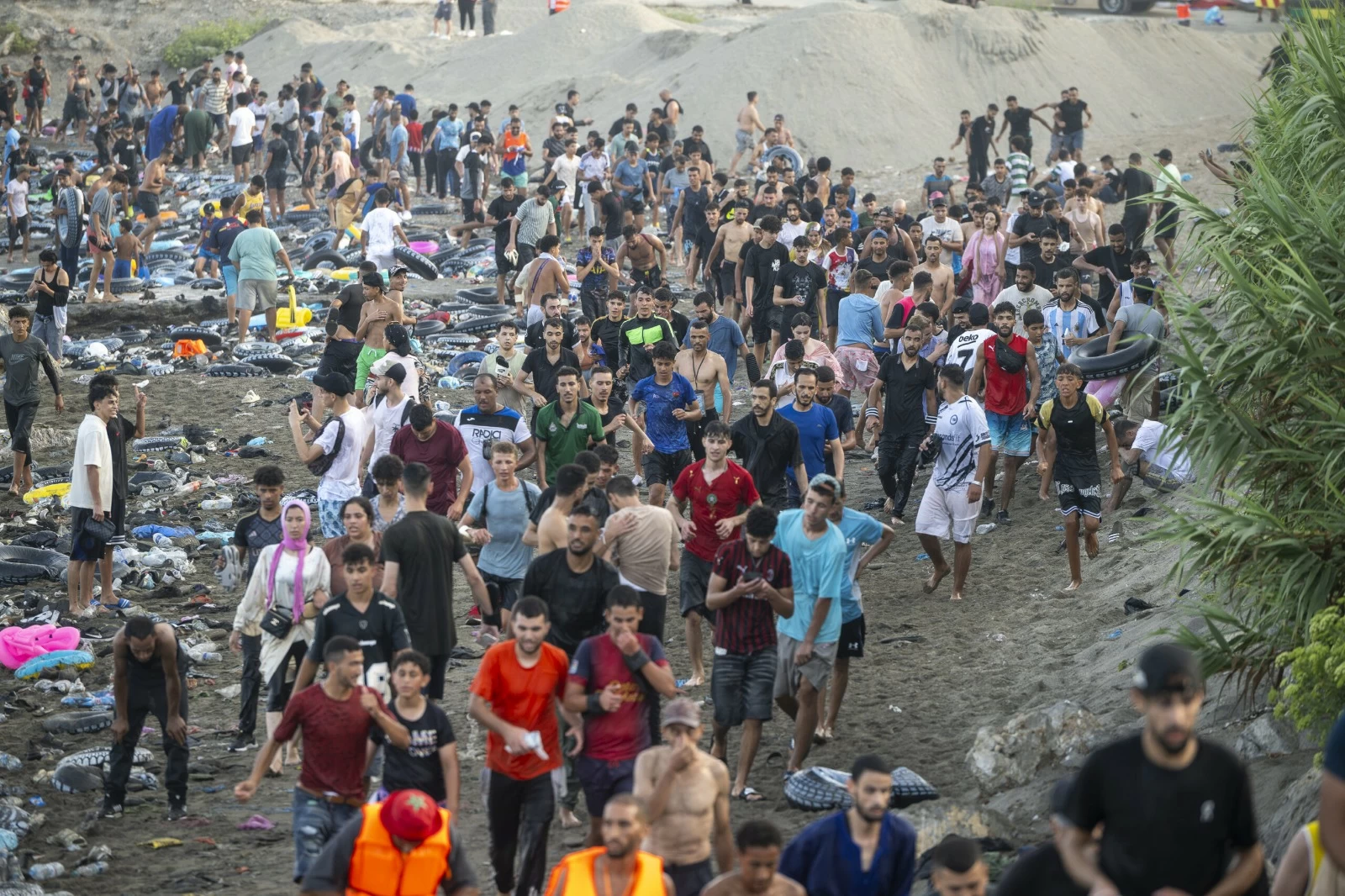
طالبت 22 دولة عضوًا في الاتحاد الأوروبي بعقد اجتماع طارئ لوزراء الداخلية لبحث تداعيات التدفق الكبير للمهاجرين إلى مدينة سبتة الإسبانية الواقعة على الساحل الشمالي لأفريقيا، في خطوة تعكس تنامي المخاوف الأوروبية من اتساع أزمة الهجرة غير النظامية وتداعياتها على أمن الحدود الخارجية للاتحاد.
وبحسب تقرير لشبكة «يورونيوز»، جاء الطلب في رسالة أعدتها كل من إيطاليا والدنمارك، دعت إلى عقد مؤتمر استثنائي عبر تقنية الاتصال المرئي في أقرب وقت، بهدف إجراء تقييم مشترك للتطورات والاتفاق على استجابة أوروبية موحدة للتعامل مع الأزمة.
وأعربت الدول الموقعة عن قلقها من تداعيات وصول عشرات الآلاف من المهاجرين إلى مدينة سبتة، رغم إعلان الحكومة الإسبانية إعادة معظمهم إلى المغرب بعد عبورهم الحدود الخميس الماضي، مشيرة إلى ضرورة تنسيق الجهود الأوروبية لمنع تكرار مثل هذه الأحداث.
وأكدت الرسالة استعداد الدول الأعضاء لبحث اتخاذ إجراءات إضافية إذا استدعت الظروف، بما في ذلك تعزيز الرقابة على الحدود الخارجية للاتحاد الأوروبي أو إعادة فرض قيود مؤقتة على الحدود الداخلية بين الدول الأعضاء، بما يتماشى مع الآليات التي يتيحها نظام «شنغن» في حالات الطوارئ.
كما تناولت الرسالة خطة الحكومة الإسبانية لتسوية أوضاع بعض المهاجرين المقيمين بصورة غير قانونية، معتبرة أن هذه الخطوة ربما أسهمت في تشجيع مزيد من المهاجرين على محاولة الوصول إلى الأراضي الإسبانية، وهو ما رفضته مدريد، مؤكدة أنه لا توجد علاقة بين تلك الإجراءات الإدارية والأحداث الأخيرة في سبتة.
ووجهت الرسالة إلى رئيسة المفوضية الأوروبية أورسولا فون دير لاين، ورئيس المجلس الأوروبي أنطونيو كوستا، ورئيس الوزراء الأيرلندي ميشال مارتن، بالتزامن مع تولي أيرلندا الرئاسة الدورية لمجلس الاتحاد الأوروبي، مطالبة بإطلاق تنسيق أوروبي عاجل لمواجهة الأزمة.
ويأتي هذا التحرك في وقت انتقد فيه رئيس الوزراء الإسباني بيدرو سانشيز ما وصفه بضعف التضامن الأوروبي مع بلاده، معتبرًا أن بعض الدول الأعضاء لم تقدم الدعم الكافي لإسبانيا في مواجهة الضغوط المتزايدة على حدودها الجنوبية.
وتعد سبتة، إلى جانب مدينة مليلية، من الجيبين الإسبانيين الواقعين على الساحل الشمالي للمغرب، وتشكلان الحدود البرية الوحيدة بين الاتحاد الأوروبي والقارة الأفريقية. ولذلك تُعد المدينتان من أبرز نقاط العبور التي يحاول المهاجرون غير النظاميين الوصول عبرها إلى أوروبا، ما يجعلهما محورًا متكررًا لأزمات الهجرة والخلافات السياسية بين مدريد وشركائها الأوروبيين.
وتشهد قضية الهجرة غير النظامية انقسامات متكررة داخل الاتحاد الأوروبي بشأن آليات تقاسم الأعباء، وتشديد الرقابة على الحدود، وسياسات إعادة المهاجرين وتوزيع طالبي اللجوء.
وبينما تدعو دول جنوب أوروبا إلى تعزيز التضامن الأوروبي وتقديم دعم أكبر للدول الواقعة على خطوط المواجهة الأولى، تطالب دول أخرى بتشديد إجراءات ضبط الحدود والحد من عوامل الجذب التي قد تشجع على تدفق مزيد من المهاجرين.
Twenty-two EU member states have called for an emergency meeting of interior ministers to discuss the implications of the large influx of migrants to the Spanish city of Ceuta, located on the northern coast of Africa, in a move that reflects growing European concerns about the widening crisis of irregular migration and its implications for the security of the EU's external borders.
According to a report by the "Euronews" network, the request came in a letter prepared by both Italy and Denmark, calling for an extraordinary conference via video conferencing as soon as possible, with the aim of conducting a joint assessment of developments and agreeing on a unified European response to address the crisis.
The signing countries expressed their concern over the implications of the arrival of tens of thousands of migrants to the city of Ceuta, despite the Spanish government's announcement to return most of them to Morocco after they crossed the border last Thursday, noting the need to coordinate European efforts to prevent the recurrence of such events.
The letter confirmed the member states' readiness to consider taking additional measures if circumstances require, including enhancing surveillance of the EU's external borders or re-imposing temporary restrictions on internal borders between member states, in line with the mechanisms provided by the Schengen system in emergency situations.
The letter also addressed the Spanish government's plan to regularize the status of some illegally residing migrants, considering that this step may have contributed to encouraging more migrants to attempt to reach Spanish territory, a claim that Madrid rejected, asserting that there is no connection between those administrative measures and the recent events in Ceuta.
The letter was directed to European Commission President Ursula von der Leyen, European Council President Antonio Costa, and Irish Prime Minister Micheál Martin, coinciding with Ireland's assumption of the rotating presidency of the EU Council, calling for urgent European coordination to address the crisis.
This move comes at a time when Spanish Prime Minister Pedro Sánchez criticized what he described as a lack of European solidarity with his country, asserting that some member states have not provided adequate support to Spain in the face of increasing pressures on its southern borders.
Ceuta, along with the city of Melilla, are two Spanish enclaves located on the northern coast of Morocco, and they constitute the only land border between the European Union and the African continent. Therefore, the two cities are among the main crossing points that irregular migrants attempt to reach in order to enter Europe, making them a recurring focal point for migration crises and political disputes between Madrid and its European partners.
The issue of irregular migration sees recurring divisions within the EU regarding burden-sharing mechanisms, tightening border controls, and policies for returning migrants and distributing asylum seekers.
While southern European countries call for enhanced European solidarity and greater support for countries on the front lines, other countries demand stricter border control measures and a reduction of pull factors that may encourage the influx of more migrants.