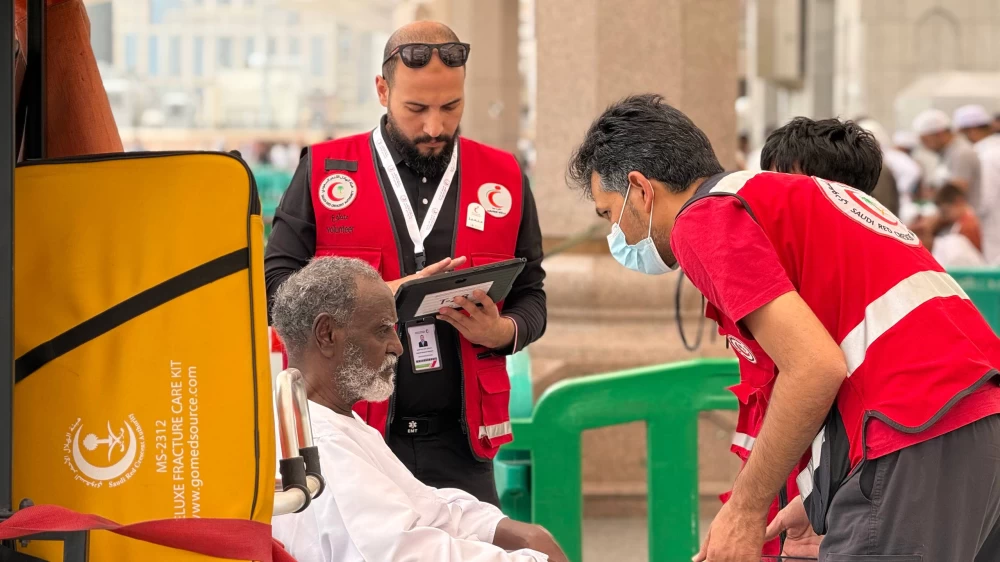
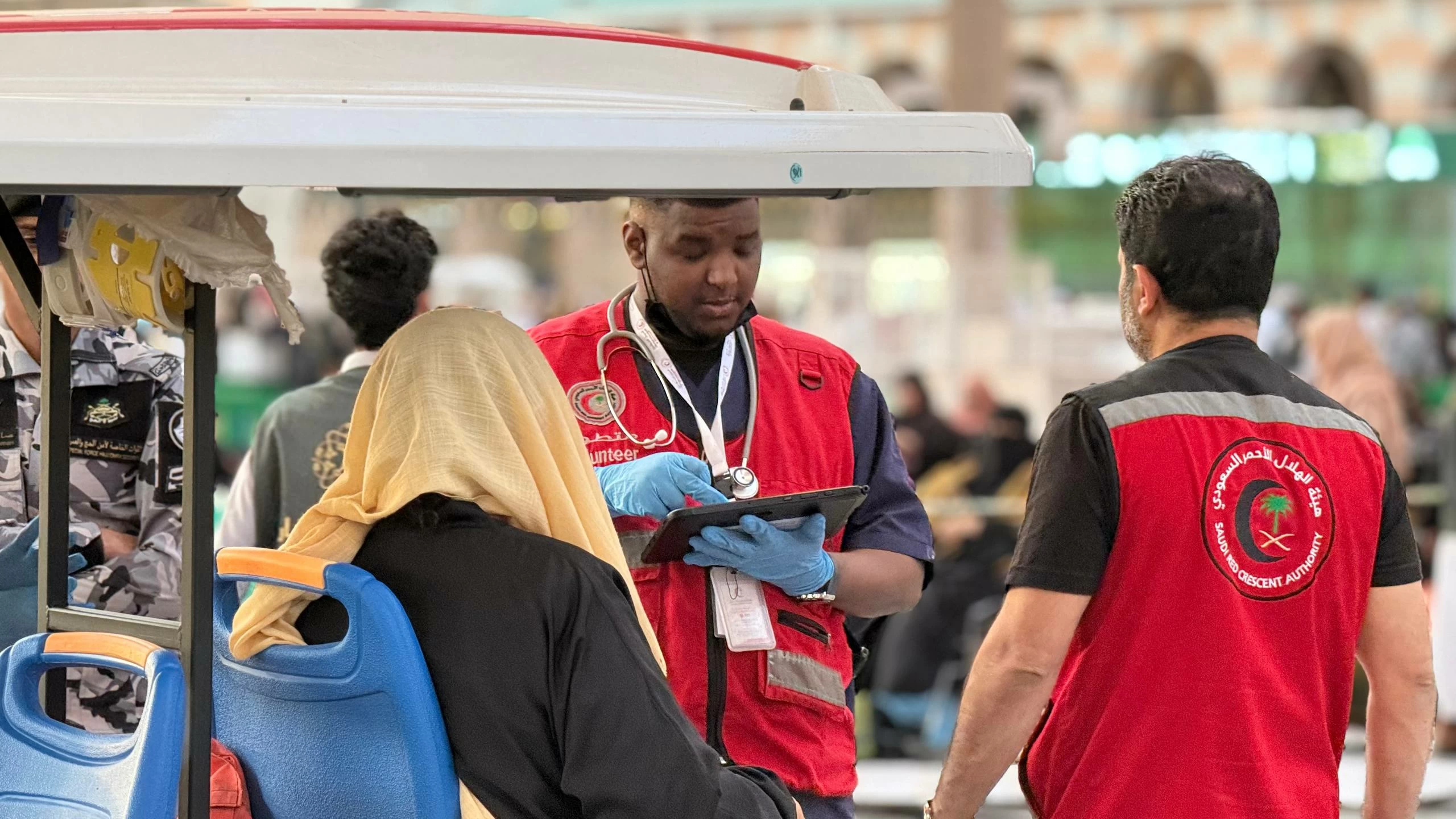
كثّفت هيئة الهلال الأحمر السعودي بمنطقة المدينة المنورة جهودها الميدانية خلال فترة تفويج حجاج بيت الله الحرام المتجهين من المدينة المنورة إلى مكة المكرمة عبر طريق الهجرة، وذلك ضمن خطتها التشغيلية لموسم حج هذا العام، واستعداداتها المتكاملة لتأمين المسار الإسعافي على امتداد الطريق الذي يشهد كثافة مرورية عالية خلال أيام التفويج.
وأوضح مدير عام فرع الهيئة بمنطقة المدينة المنورة الدكتور أحمد بن علي الزهراني أن خطة التفويج تنطلق من مسجد ميقات ذي الحليفة بوصفه إحدى نقاط التجمع والانطلاق الرئيسة، حيث جرى رفع الجاهزية الإسعافية عبر تشغيل (16) وحدة إسعافية، تشمل (14) فرقة ميدانية، عدد (2) تدخل سريع، إضافة إلى عدد (٣)مركبات نوعية «أحد وسند وطويق»، يعمل عليها (60) مقدم خدمة إسعافية على مدار الساعة؛ بهدف تعزيز سرعة الاستجابة ورفع كفاءة التعامل مع الحالات الطارئة.
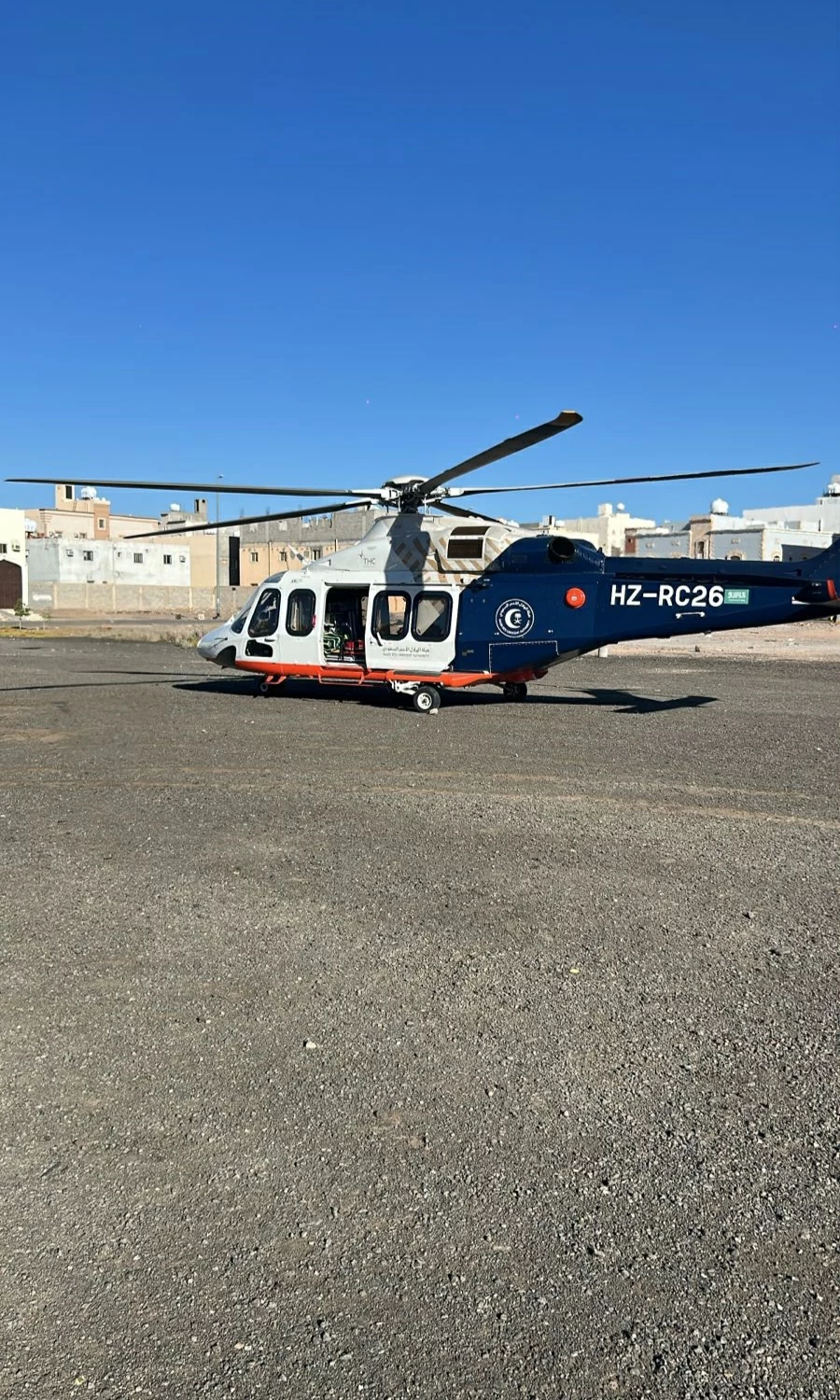
وبيّن أن التغطية الميدانية على طريق الهجرة وُزعت على (11) نقطة انطلاق إسعافية، تضم (7) نقاط ثابتة تعمل على مدار الساعة، و(3) نقاط تمركز إضافية تُفعّل في أوقات الذروة لتلبية الطلب المتزايد، مؤكدًا الجاهزية التامة للإسعاف الجوي لدعم عمليات التفويج ونقل الحالات الحرجة وتقديم الرعاية الإسعافية المتقدمة عند الحاجة.
وأكد الدكتور الزهراني أن هذه الجهود تأتي ضمن التزام الهيئة بالخطة الوطنية الموحدة للحج، وحرصها على تقديم أفضل مستويات الخدمة والرعاية الصحية والإسعافية لضيوف الرحمن خلال رحلتهم إلى المشاعر المقدسة.
The Saudi Red Crescent Authority in the Medina region has intensified its field efforts during the period of transporting pilgrims heading from Medina to Mecca via the Migration Road, as part of its operational plan for this year's Hajj season and its comprehensive preparations to secure the emergency route along the road, which experiences high traffic density during the days of transportation.
Dr. Ahmed bin Ali Al-Zahrani, the Director General of the Authority's branch in the Medina region, explained that the transportation plan starts from the Miqat Mosque of Dhul-Hulaifah, being one of the main gathering and departure points. The emergency readiness has been raised by operating (16) emergency units, including (14) field teams and (2) rapid response units, in addition to (3) specialized vehicles "Ahad, Sand, and Tawiq," operated by (60) emergency service providers around the clock; aimed at enhancing response speed and improving efficiency in dealing with emergency cases.
He indicated that the field coverage on the Migration Road is distributed across (11) emergency launch points, comprising (7) fixed points operating around the clock, and (3) additional concentration points activated during peak times to meet the increasing demand, confirming the complete readiness of air ambulance services to support transportation operations and transfer critical cases, providing advanced emergency care when needed.
Dr. Al-Zahrani affirmed that these efforts are part of the Authority's commitment to the unified national plan for Hajj and its keenness to provide the best levels of service and healthcare for the guests of Allah during their journey to the holy sites.